Mist Buying Guide for Snake Plant
Snake plants thrive in dry conditions and rarely need misting. This guide explains when misting helps versus harms, recommends the best misters for occasional humidity boosts, and teaches proper techniques to prevent rot and fungal issues.
If you’ve ever stood in the garden center aisle staring at rows of spray bottles wondering which one your snake plant needs, you’re not alone. The mist buying guide for snake plant care confuses many plant parents because advice varies wildly across forums, social media, and even nursery tags. Some swear by daily misting. Others warn it kills these drought-tolerant succulents. The truth sits somewhere in the middle, and understanding your plant’s actual needs saves time, money, and heartache.
Snake plants, scientifically known as Dracaena trifasciata (formerly Sansevieria), evolved in arid West African regions where rainfall is scarce and humidity stays low. Their thick, waxy leaves store water like camel humps. This adaptation makes them incredibly forgiving of neglect but surprisingly vulnerable to excess moisture. Before purchasing any mister, you need to know whether your specific situation actually calls for one.
Key Takeaways
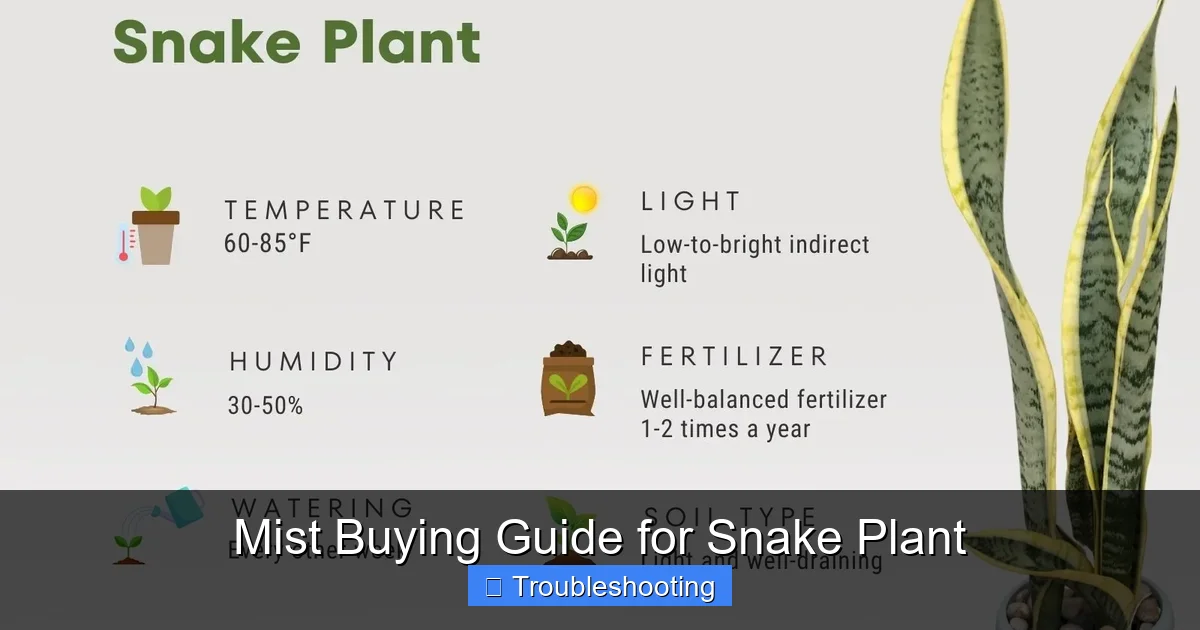
- Snake plants prefer low humidity: These succulents store water in their leaves and thrive in typical household humidity levels of 30-50%.
- Misting can cause rot: Water trapped in leaf bases or crown leads to fungal infections and root rot, the number one killer of snake plants.
- Only mist in specific situations: Light misting may help during propagation, extreme winter dryness, or when cleaning dusty leaves.
- Choose the right mister: Fine-mist spray bottles with adjustable nozzles deliver controlled moisture without soaking foliage.
- Better alternatives exist: Pebble trays, humidifiers, or grouping plants provide safer humidity increases than direct misting.
- Watch for warning signs: Yellowing leaves, mushy bases, or foul odors indicate over-misting damage requiring immediate action.
- Seasonal adjustments matter: Reduce all moisture in winter when growth slows and evaporation decreases significantly.
Quick Answers to Common Questions
Do snake plants need misting?
No, snake plants generally do not need misting. They prefer low humidity (30-50%) and store water in their thick leaves. Misting can cause rot and fungal issues.
When should I mist my snake plant?
Only mist during propagation, extreme winter dryness (below 20% humidity), for monthly dust cleaning, or as part of pest management. Never mist on a regular schedule.
What type of mister is best for snake plants?
A fine-mist spray bottle with an adjustable brass or stainless steel nozzle, 12-16 ounce capacity, and comfortable ergonomics. Glass or HDPE plastic construction lasts longest.
Can misting kill a snake plant?
Yes, frequent misting leads to crown rot, root rot, and fungal infections. Water trapped in leaf bases is the primary cause of snake plant death from misting.
What are better alternatives to misting for humidity?
Pebble trays, room humidifiers, grouping plants, or terrariums for propagations. These raise ambient humidity without wetting foliage directly.
📑 Table of Contents
Understanding Snake Plant Humidity Needs
Natural Habitat Clues
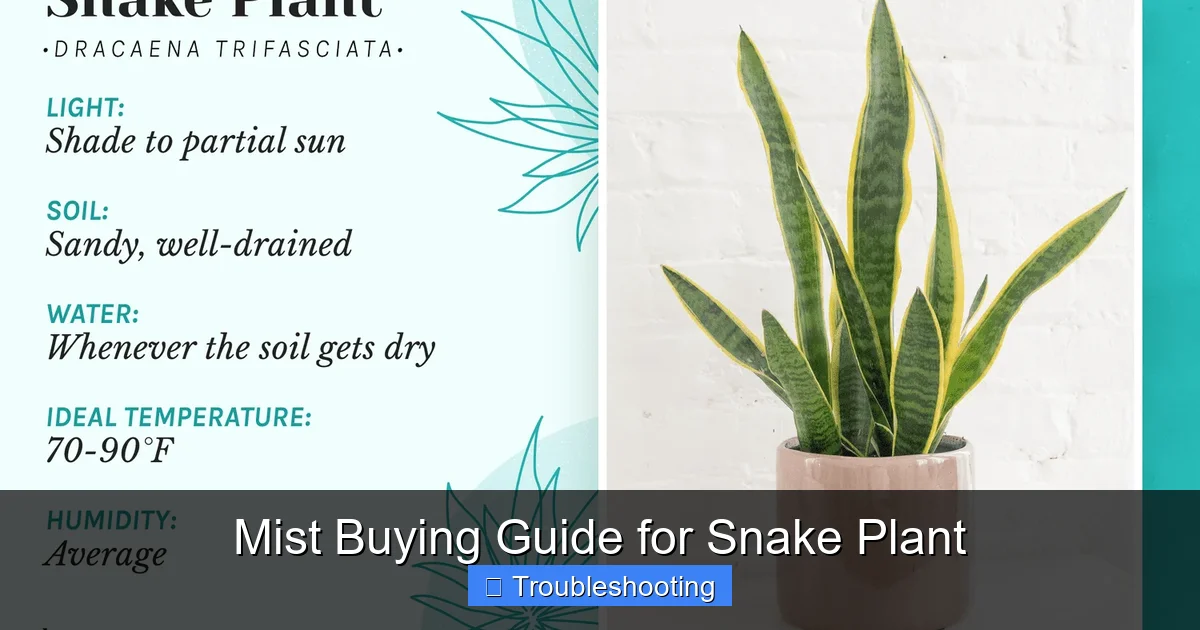
In their native environment, snake plants experience dry air punctuated by brief rainy seasons. Their leaves feature a thick cuticle that minimizes water loss. Stomata, the tiny pores that exchange gases, open at night rather than daytime to conserve moisture. This CAM photosynthesis adaptation means they’re built for dry air, not tropical humidity. Replicating these conditions at home means providing bright indirect light, well-draining soil, and yes, relatively dry air.
Ideal Indoor Humidity Range
Most homes maintain 30-50% relative humidity, which suits snake plants perfectly. You can measure yours with an inexpensive hygrometer. Readings above 60% increase fungal risk. Below 20% might cause leaf tip browning, but even then, misting isn’t the best solution. The mist buying guide for snake plant enthusiasts should emphasize measurement over assumption. Check your actual conditions before buying equipment.
Signs Your Humidity Is Fine
Healthy snake plants show upright, firm leaves with vibrant variegation. New growth emerges steadily during growing season. Leaf tips stay green, not brown or crispy. No mold appears on soil surface. If your plant looks like this, put the spray bottle down. You don’t need it. Many plant parents create problems by solving nonexistent issues.
When Misting Actually Helps
Propagation Support
Leaf cuttings and division propagations benefit from light misting while establishing roots. The cut ends need slight humidity to prevent desiccation before root formation. Use a fine mister on the soil surface and cut ends every few days. Keep the propagation in a clear plastic bag or dome for better humidity control. Remove the cover daily for air exchange. This temporary misting phase lasts 4-8 weeks until roots develop.
Visual guide about Mist Buying Guide for Snake Plant
Image source: positivebloom.com
Extreme Winter Dryness
Forced-air heating can drop indoor humidity below 15%. In these conditions, snake plant leaf tips may brown and curl. A light misting every 7-10 days provides temporary relief. Better solutions include a room humidifier set to 35-40%, a pebble tray with water below the pot bottom, or grouping plants together. These methods raise ambient humidity without wetting foliage directly.
Dust Removal
Dust blocks light absorption and clogs stomata. A gentle mist followed by wiping with a soft cloth cleans leaves effectively. Support each leaf from underneath while wiping to avoid bending or snapping. Do this monthly or when dust visibly accumulates. The mist buying guide for snake plant owners should include this legitimate use case, but emphasize wiping dry afterward.
Pest Management Aid
Spider mites thrive in dry conditions. Increasing humidity discourages them. However, misting alone won’t eliminate an infestation. Combine light misting with neem oil treatment, insecticidal soap, or predatory mites. The moisture makes the environment less hospitable for pests while you treat the actual problem. Monitor closely since extra humidity can also encourage fungal issues.
Choosing the Right Mister
Spray Bottle Types Compared
Not all spray bottles deliver the same experience. Trigger sprayers offer control but can tire your hand during extended use. Pump misters build pressure for continuous fine mist but require pumping effort. Continuous-spray bottles use aerosol-style mechanisms for effortless application but cost more. Battery-powered electric misters exist but are overkill for occasional snake plant needs.
Nozzle Quality Matters
Look for adjustable nozzles that twist from stream to fine mist. The finest setting should produce a cloud-like fog, not large droplets. Test before buying if possible. Cheap nozzles clog, leak, or degrade quickly. Brass or stainless steel nozzles outlast plastic. A good mister feels solid, seals tightly, and delivers consistent spray pattern without sputtering.
Capacity Considerations
For snake plants, you’ll rarely need more than 8-16 ounces. Smaller bottles are lighter, easier to maneuver around foliage, and encourage using fresh water. Large capacity bottles become heavy and tempt you to store water, which grows algae and bacteria. A 12-ounce glass or high-quality plastic bottle strikes the right balance. Refill with fresh water each session.
Material Durability
Glass bottles resist chemical degradation from fertilizers or neem oil if you ever use them for treatments. They’re heavier but don’t retain odors. HDPE or PET plastic bottles are lighter and shatterproof but can degrade with certain solutions. Avoid cheap single-use plastic bottles. They crack, leak, and contribute to waste. Invest once in a quality mister that lasts years.
Ergonomics and Design
Consider grip comfort, trigger resistance, and balance when filled. A well-designed mister feels natural in hand. The trigger should operate smoothly without sticking. Wide bases prevent tipping. Clear or translucent bodies let you see water level. Some feature measurement markings for mixing solutions. These details matter when you’re carefully misting around delicate new propagations.
Proper Misting Technique
Timing Is Everything
Mist in morning so foliage dries completely before evening. Wet leaves overnight invite fungal spores to germinate. Avoid misting during peak sun hours as water droplets can act like magnifying glasses, burning leaf tissue. Never mist before cold nights. The mist buying guide for snake plant care must emphasize timing because when you mist matters as much as whether you mist.
Application Method
Hold the bottle 12-18 inches from the plant. Use a sweeping motion to create an even cloud around the plant, not directly on it. Aim for the air surrounding the foliage, not the leaves themselves. Two to three passes around the plant suffices. Stop before water beads form or runs down leaves. The goal is momentary humidity increase, not wet foliage.
Frequency Guidelines
During propagation: every 2-3 days inside humidity dome. Winter dryness: weekly at most. Dust cleaning: monthly. Pest management: every 3-4 days during treatment only. Never mist on a fixed schedule. Respond to conditions, not calendar. The mist buying guide for snake plant success teaches observation over routine.
Post-Misting Care
After misting for dust removal, wipe each leaf dry with a soft cloth. For humidity boosts, ensure good air circulation. Run a fan on low nearby. Check leaf bases and crown after 30 minutes. Blot any pooled water with a paper towel wrapped around a chopstick. This attention prevents the rot that kills more snake plants than drought ever does.
Better Alternatives to Misting
Pebble Trays
Fill a shallow tray with pebbles. Add water to just below pebble tops. Set the pot on pebbles, ensuring drainage holes don’t touch water. As water evaporates, it creates a humidity microclimate around the plant. Refill as needed. Clean monthly to prevent algae. This passive method works 24/7 without wetting foliage.
Room Humidifiers
Cool-mist ultrasonic humidifiers raise room humidity effectively. Set to maintain 35-45% humidity. Place several feet from plants to avoid direct mist contact. Use distilled water to prevent mineral dust. Clean weekly per manufacturer instructions. This benefits all your plants and your own respiratory health.
Plant Grouping
Cluster plants with similar needs. As they transpire, they create a shared humidity zone. Snake plants transpire minimally, so pair them with slightly thirstier plants like pothos or philodendrons. Ensure adequate spacing for air flow. This natural method mimics plant communities in nature.
Terrariums and Cloches
For propagations or small specimens, a glass cloche or terrarium maintains high humidity without misting. Vent daily. This works beautifully for rooting cuttings. Once established, graduate the plant to open air gradually over two weeks. The mist buying guide for snake plant propagators should highlight this superior alternative.
Troubleshooting Misting Problems
Identifying Over-Misting Damage
Yellowing leaves starting at base. Mushy, translucent leaf tissue. Foul, swampy odor from crown or soil. White fuzzy mold on soil surface. Fungus gnats appearing. Leaves falling over at soil line. These signs appear days to weeks after excessive misting. Act immediately when spotted.
Rescue Protocol
Stop all misting immediately. Remove plant from pot. Inspect roots. Cut away any black, mushy roots with sterilized scissors. Treat remaining roots with hydrogen peroxide solution (1 part 3% peroxide to 4 parts water). Repot in fresh, dry, well-draining mix. Place in bright indirect light with good air flow. Withhold water 7-10 days. Monitor closely.
Preventing Recurrence
Replace solid pots with terra cotta for better evaporation. Add extra perlite or pumice to soil mix. Ensure drainage holes aren’t blocked. Position near air circulation source. Monitor humidity with hygrometer. Create a care calendar noting last misting date. The mist buying guide for snake plant recovery emphasizes prevention through environment modification.
When to Propagate Instead
If rot reaches the crown or most roots are gone, save healthy leaf sections for propagation. Cut 3-4 inch sections. Let callous 2-3 days. Root in water or moist perlite. This restarts the plant from clean tissue. Many snake plant collections began as rescues from overwatering or over-misting.
Seasonal Care Adjustments
Spring Awakening
As days lengthen, growth resumes. Increase watering frequency slightly. Hold off on misting unless propagating. Begin fertilizing at quarter strength. Repot if roots circle the pot. Check for pest activity increasing with warmth. Spring is propagation season if you want more plants.
Summer Vigilance
High temperatures increase evaporation. Water more frequently but still let soil dry completely. Air conditioning can dry air excessively. Monitor humidity. If below 30%, consider pebble tray. Outdoor snake plants in shade need rain protection. Never mist in direct sun.
Fall Transition
Reduce watering as growth slows. Stop fertilizing. Bring outdoor plants inside before nights drop below 50°F. Check for hitchhiking pests. Heating systems start running, dropping humidity. Prepare pebble trays or humidifier. The mist buying guide for snake plant seasonal care shifts focus to preparation.
Winter Minimalism
Water every 4-6 weeks only. No fertilizing. Maximum light exposure. Humidity management via pebble tray or humidifier if heating dries air below 25%. Absolutely no misting unless cleaning dust. Cold drafts from windows damage leaves. Keep away from heating vents. This rest period ensures vigorous spring growth.
Expert Tips from Long-Time Growers
The Finger Test Rule
Forget moisture meters. Insert your finger 2 inches into soil. If dry, water. If moist, wait. This simple test prevents more problems than any gadget. Snake plants store water in leaves, so soil dryness doesn’t mean plant thirst. The mist buying guide for snake plant veterans always circles back to this fundamental skill.
Terra Cotta Transforms Care
Unglazed clay pots wick moisture from soil, creating a self-regulating system. They forgive overwatering better than plastic or glazed ceramic. The tradeoff is more frequent watering. For chronic over-misters, switching to terra cotta often solves the problem entirely.
Soil Mix Matters More Than Misting
A gritty, fast-draining mix (2 parts succulent soil, 1 part perlite, 1 part pumice or coarse sand) makes misting irrelevant. Roots get air. Water flows through. Rot risk plummets. Invest in quality soil before any mister. Your plant will thank you.
Observe Before Acting
Spend a week just watching. Note light patterns. Feel soil daily. Check humidity morning and evening. Learn your plant’s baseline. Then make one change at a time. This scientific approach beats following generic schedules. Every home differs. Every plant differs.
Document Your Journey
Take monthly photos. Note care actions and results. Track seasonal patterns. This personal data becomes your ultimate guide. No article knows your specific conditions better than your own records. The mist buying guide for snake plant mastery is the one you write through observation.
Standing back from the spray bottle aisle, you now know the truth: most snake plants don’t need a mister at all. They need proper light, fast-draining soil, appropriate pots, and the restraint to let them dry out completely between waterings. If your specific situation calls for occasional misting (propagation, extreme dryness, dust cleaning), choose a quality adjustable spray bottle, use it correctly, and always prioritize dry foliage over humid air. The best mist buying guide for snake plant success isn’t about which bottle to buy. It’s about understanding whether you need one at all. Your snake plant’s thick, architectural leaves evolved to thrive on neglect. Honor that evolution. Put the mister down. Pick up a hygrometer instead. Watch your plant. It will tell you everything you need to know.
Frequently Asked Questions
How often should I mist my snake plant?
Snake plants rarely need misting. Only mist during propagation (every 2-3 days), extreme winter dryness (weekly max), monthly dust cleaning, or pest treatment (every 3-4 days during treatment). Never mist on a fixed schedule.
What happens if I mist my snake plant too much?
Over-misting causes crown rot, root rot, and fungal infections. Signs include yellowing leaves, mushy bases, foul odors, white mold on soil, and fungus gnats. Stop immediately and improve drainage if these appear.
Can I use a spray bottle to water my snake plant?
No, spray bottles don’t provide enough water for proper irrigation. Snake plants need thorough watering until water drains from the bottom, then complete drying. Use a watering can with a narrow spout instead.
Is it okay to mist snake plant leaves to clean them?
Yes, light misting followed by immediate wiping with a soft cloth removes dust effectively. Support each leaf while wiping. Do this monthly. Never leave water sitting on leaves.
Should I mist my snake plant in winter?
Only if indoor humidity drops below 20% from heating. Better solutions include a humidifier set to 35-40%, pebble trays, or grouping plants. Reduce all moisture in winter as growth slows.
What’s the best humidity level for snake plants?
Snake plants thrive at 30-50% relative humidity, typical for most homes. Use a hygrometer to measure. Above 60% increases fungal risk. Below 20% may cause tip browning but misting isn’t the best fix.