Top Picks Metal for Kale
Top picks metal for kale helps gardeners choose the right metal amendments to boost soil fertility and protect plants. Using the correct metal can increase leaf size, improve flavor, and reduce pest pressure. This guide breaks down the best options and how to apply them safely.
Welcome to the guide on top picks metal for kale. This article explains why metals matter for kale. You will learn which metals work best. You will also learn how to apply them safely.
Kale needs a steady supply of micronutrients. Metal nutrients drive key plant functions. Without them leaves turn pale and growth slows.
We will cover iron, manganese, zinc, and copper. Each metal has a unique role. Together they form the top picks metal for kale.
Reading this guide will help you choose the right product. It will also help you avoid common mistakes. Your kale will thank you with bigger leaves.
Key Takeaways
- Iron is essential for chlorophyll production: It helps kale develop deep green leaves and strong stems.
- Manganese supports photosynthesis and enzyme activation: It reduces leaf spots and improves root growth.
- Zinc aids in growth hormone regulation: It increases leaf size and stress tolerance.
- Copper helps with disease resistance: It strengthens cell walls and fights fungal infections.
- Soil testing guides the right metal rates: It prevents toxicity and ensures balanced nutrition.
- Balanced mixes prevent toxicity: Combining metals in proper ratios yields the best harvest.
Quick Answers to Common Questions
What is the best metal for kale?
Iron is often the most critical metal for kale because it drives chlorophyll production.
How often should I apply iron?
Apply chelated iron every three weeks during active growth for best results.
Can I mix manganese and zinc together?
Yes, you can mix manganese and zinc in a balanced fertilizer, but follow label rates.
When should I use copper spray?
Use copper spray before disease pressure rises, typically early in the season.
Why is soil testing important?
Soil testing reveals exact metal levels, preventing over‑application and toxicity.
📑 Table of Contents
Why Metal Matters for Kale
Metal nutrients feed kale at the cellular level. They help build chlorophyll. They activate enzymes. They support root uptake.
Soil pH changes metal availability. Acid soils lock up iron. Alkaline soils lock up manganese. Testing pH helps you choose the right amendment.
Common deficiencies show clear signs. Yellow leaves often mean low iron. Brown spots often mean low manganese. Stunted growth often means low zinc. Weak stems often mean low copper.
Correcting these deficits boosts yield. It also improves flavor. It makes plants more resilient to pests.
Using the top picks metal for kale ensures a balanced nutrient profile. A balanced profile prevents toxicity. It also saves money on fertilizer.
Soil pH and Metal Availability
Low pH binds iron tightly. High pH binds manganese tightly. Adjust pH with lime or sulfur as needed. Retest after amendment.
Target pH for kale is 6.0 to 6.8. In this range most metals stay soluble. Plants can absorb them easily.
Use a simple soil test kit. Follow the instructions. Record the result. Adjust slowly over several weeks.
Common Metal Deficiencies
Iron deficiency shows interveinal chlorosis. Manganese deficiency shows necrotic spots. Zinc deficiency shows short internodes. Copper deficiency shows dieback.
Identify the symptom early. Apply the specific metal quickly. Follow label rates to avoid overdose.
Keep a garden journal. Note the date and symptom. Track the response after treatment.
Benefits of Balanced Metal Nutrition
Balanced metal nutrition improves photosynthesis. It increases leaf thickness. It raises vitamin content.
Plants with balanced metals resist disease better. They also tolerate heat and cold stress.
Yield increases of twenty percent are common with proper metal management.
Testing Methods
Soil test kits are easy to use. They give a snapshot of pH and nutrient levels. Lab tests give more detail. Choose a method that fits your budget.
Collect samples from several spots. Mix them for a representative sample. Send to a trusted lab if possible.
Interpreting Results
Compare your results to the optimal range for kale. Look for low iron, manganese, zinc, or copper. High levels can also cause problems.
Use the lab recommendations as a starting point. Adjust based on plant response.
Adjusting pH Over Time
Lime raises pH slowly. Sulfur lowers pH slowly. Apply in small increments. Retest after each adjustment.
Organic matter buffers pH changes. Compost helps keep pH stable.
Monitoring Metal Levels
Leaf tissue analysis shows what the plant actually takes up. Do this mid season. It confirms that soil amendments are working.
Keep records year after year. Trends reveal long term soil health.
Top Picks Metal for Kale: Iron
Iron is a top picks metal for kale because it drives chlorophyll synthesis. Dark green leaves capture more light. More light means more sugar for growth.
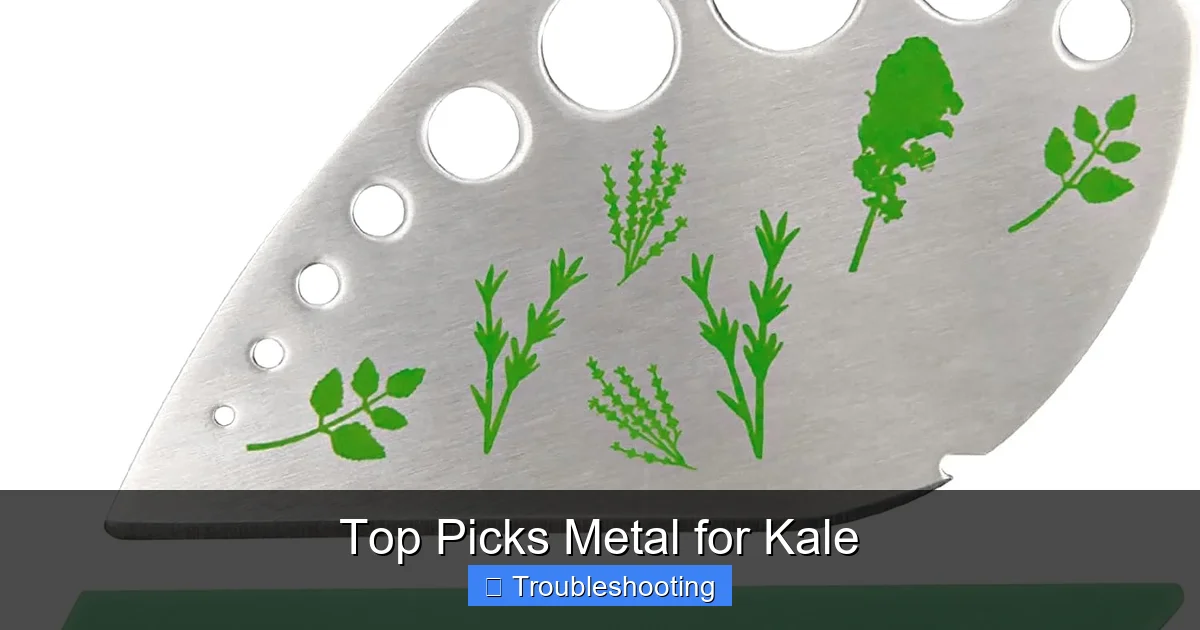
Visual guide about Top Picks Metal for Kale
Image source: m.media-amazon.com
Chelated iron stays available longer. It works in a wide pH range. Apply as a foliar spray or soil drench.
Sources of Iron
Ferrous sulfate is cheap and effective. Iron chelate is more stable. Liquid iron works fast for foliar feeding.
Choose a source that matches your soil pH. Test before you buy.
Benefits of Iron
Iron increases photosynthetic rate. It raises leaf nitrogen content. It improves overall plant vigor.
Higher iron levels reduce tip burn. They also enhance cold tolerance. This makes kale more reliable in early spring.
Iron also supports enzyme systems that build proteins.
How to Apply Iron Safely
Read the product label first. Measure the recommended rate. Mix with water in a clean sprayer. Apply in early morning or late afternoon.
Water the soil after application. This moves iron into the root zone. Reapply every three weeks during rapid growth.
Test soil iron before each season. Adjust rate based on test results. Avoid applying iron with high phosphorus fertilizers.
Common Iron Mistakes
- Over‑applying: causes leaf bronzing.
- Applying at high pH: iron becomes unavailable.
- Mixing with calcium: reduces uptake.
Iron Application Schedule Example
- Week 1: soil drench at planting.
- Week 4: foliar spray.
- Week 7: soil drench.
- Week 10: foliar spray.
Organic Options for Iron
Blood meal provides slow release iron. It also adds nitrogen. Use it as a soil amendment.
Seaweed extracts contain trace iron. They stimulate root growth. Apply as a foliar spray.
Cost Comparison for Iron
Ferrous sulfate costs less per pound. Chelated iron costs more but lasts longer. Calculate cost per application.
Bulk purchases reduce price. Share with neighbors if possible.
Troubleshooting Iron Issues
If leaves stay yellow after application, check pH. High pH locks iron. Add sulfur to lower pH.
If leaf tips burn, reduce rate. Apply less often.
Top Picks Metal for Kale: Manganese
Manganese is a top picks metal for kale because it activates many enzymes. It plays a key role in photosynthesis. It also helps detoxify reactive oxygen.
Manganese sulfate is a common source. It dissolves quickly in water. Use it as a soil amendment or foliar feed.
Sources of Manganese
Manganese sulfate is widely used. Manganese chelate offers longer availability. Choose based on soil test.
Role of Manganese
Manganese supports the water splitting complex. It enables oxygen evolution. It also aids in lignin formation for strong stems.
Adequate manganese reduces leaf curl. It also improves seed germination. This leads to a more uniform stand.
Manganese also helps the plant use nitrogen efficiently.
Application Tips
Apply manganese at 1 to 2 pounds per acre. Split applications work best. Avoid high pH soils where manganese becomes unavailable.
Combine manganese with a balanced fertilizer. Do not mix with calcium nitrate. Test leaf tissue mid season to confirm uptake.
Water after soil application to move manganese into the root zone.
Common Manganese Mistakes
- Applying on alkaline soil: manganese locks up.
- Over‑applying: causes brown leaf margins.
- Mixing with phosphate: reduces solubility.
Manganese Schedule Example
- Planting: soil incorporation.
- Early vegetative: foliar spray.
- Mid season: soil top‑dress.
Organic Options for Manganese
Composted manure supplies slow release manganese. It also improves soil structure.
Rock dust contains trace manganese. Apply as a soil amendment.
Cost Comparison for Manganese
Manganese sulfate is inexpensive. Chelated forms cost more but need fewer applications.
Buy in bulk for large gardens. Store in a dry place.
Troubleshooting Manganese Issues
If leaf spots persist, check soil pH. High pH reduces manganese availability.
If new growth is stunted, verify application rate. Do not exceed label.
Top Picks Metal for Kale: Zinc
Zinc is a top picks metal for kale because it regulates auxin production. Auxin controls cell elongation. Proper auxin levels give larger leaves.
Zinc chelate is the preferred form. It remains soluble in neutral soils. Apply as a starter fertilizer at planting.
Sources of Zinc
Zinc sulfate is common and cheap. Zinc chelate is more stable. Choose based on soil pH.
Zinc Benefits
Zinc increases leaf area. It boosts vitamin C content. It also improves drought tolerance.
Plants with enough zinc recover faster from stress. They also show fewer pest attacks.
Zinc also supports enzyme systems that build DNA.
Best Practices
Use 0.5 to 1 pound of zinc per acre. Apply early in the season. Do not exceed recommended rates. Excess zinc can inhibit iron uptake.
Monitor soil zinc levels annually. Rotate crops to reduce buildup. Use organic matter to buffer zinc availability.
Apply zinc as a band near the seed row for best uptake.
Common Zinc Mistakes
- Over‑applying: causes iron deficiency.
- Applying late: limited effect on leaf size.
- Ignoring soil test: leads to toxicity.
Zinc Schedule Example
- At planting: starter band.
- Three weeks later: foliar spray.
- Mid season: soil top‑dress if needed.
Organic Options for Zinc
Kelp meal provides zinc and other micronutrients. It also adds growth hormones.
Composted poultry manure supplies zinc slowly. It improves soil biology.
Cost Comparison for Zinc
Zinc sulfate is low cost. Chelated zinc is higher cost but more efficient.
Calculate cost per acre. Choose based on budget and soil test.
Troubleshooting Zinc Issues
If leaves are small and distorted, check zinc level. Low zinc often shows this symptom.
If iron deficiency appears after zinc, reduce zinc rate. Balance the two metals.
Top Picks Metal for Kale: Copper
Copper is a top picks metal for kale because it strengthens cell walls. It also acts as a fungicide. It helps prevent downy mildew.
Copper sulfate is widely used. Apply as a protective spray before disease pressure rises.
Sources of Copper
Copper sulfate is the standard. Copper hydroxide is less phytotoxic. Choose based on label.
Copper Uses
Copper spray protects young leaves. It reduces spore germination. It also improves seedling vigor.
Use copper at 0.5 to 1 pound per acre. Apply in early morning. Reapply after heavy rain.
Copper also helps the plant use iron more efficiently.
Caution
High copper levels harm beneficial microbes. They also accumulate in soil over time. Test soil copper before each application.
Limit copper use to disease outbreaks. Rotate with other disease management tools. Follow organic certification guidelines if needed.
Do not apply copper to seedlings under two weeks old.
Common Copper Mistakes
- Over‑applying: soil toxicity.
- Applying in hot sun: leaf burn.
- Mixing with sulfur: reduces efficacy.
Copper Schedule Example
- Pre‑plant: soil drench if history of disease.
- Early vegetative: foliar spray.
- Before rain: protective spray.
Organic Options for Copper
Copper octanoate is approved for organic use. It controls fungal diseases.
Bordeaux mixture is a traditional copper lime spray. Use with caution.
Cost Comparison for Copper
Copper sulfate is cheap. Copper hydroxide costs more but is safer for plants.
Buy only what you need. Copper accumulates in soil.
Troubleshooting Copper Issues
If leaf burn appears, stop copper sprays. Water heavily to leach excess.
If disease persists, rotate to a different mode of action. Avoid resistance.
Conclusion
Final Checklist
- Test soil pH and metal levels before planting.
- Apply iron, manganese, zinc, and copper at recommended rates.
- Use chelated forms for better availability.
- Split applications throughout the season.
- Monitor plant response and adjust as needed.
- Keep detailed records of all applications.
- Rotate crops to maintain soil health.
Long Term Soil Health
Adding organic matter each year improves metal availability. Compost feeds microbes help. Cover crops reduce erosion and recycle nutrients.
Regular soil testing tracks trends. Adjust amendments based on data.
Resources for Further Reading
- University extension guides on kale nutrition.
- Organic certification standards for micronutrient use.
- Soil science textbooks for deeper understanding.
Choosing the top picks metal for kale gives you bigger, tastier leaves. Start with a soil test. Apply each metal at the right rate. Combine metals in a balanced mix. Monitor plant response throughout the season. Adjust as needed. Enjoy a healthy, productive kale harvest.
Remember to keep records of each application. Note the date, product, and rate. This helps you refine your program each year.
Share your success with other gardeners. Community knowledge improves everyone’s results.
Frequently Asked Questions
What are the signs of iron deficiency in kale?
Yellowing between leaf veins while veins stay green indicates iron deficiency.
How do I correct manganese deficiency?
Apply manganese sulfate at recommended rates and ensure soil pH is near neutral.
Can too much zinc hurt kale?
Excess zinc can block iron uptake and cause leaf chlorosis.
Is copper safe for organic gardens?
Copper is allowed in many organic programs but must be used sparingly and documented.
What pH range is best for metal availability?
A soil pH of 6.0 to 6.8 keeps most micronutrients soluble for kale.
How do I combine metals in one application?
Use a complete micronutrient blend that contains iron, manganese, zinc, and copper in balanced ratios.