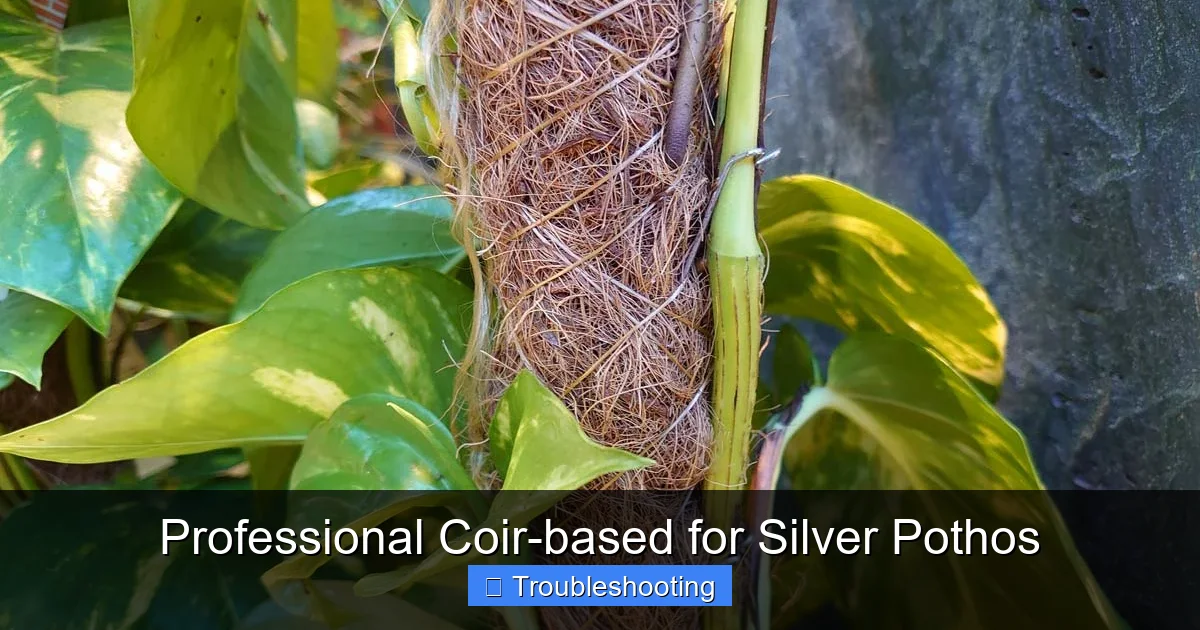
Professional Coir-based for Silver Pothos
Professional coir-based for silver pothos provides the ideal balance of moisture retention and aeration that these stunning variegated plants crave. This sustainable growing medium prevents root rot while delivering consistent hydration, making it the top choice for both beginners and experienced plant parents who want their silver pothos to flourish with vibrant, silvery-green foliage.
If you’ve ever stared at your silver pothos wondering why those gorgeous silvery leaves look a little dull or why the stems seem limp despite your best watering efforts, you’re not alone. The secret to a truly thriving silver pothos isn’t just about light or watering schedule — it’s about what’s happening beneath the surface. The growing medium you choose makes all the difference between a plant that merely survives and one that absolutely thrives.
Enter professional coir-based for silver pothos — a game-changing growing medium that’s been quietly revolutionizing how plant enthusiasts care for these stunning variegated beauties. Made from the fibrous husks of coconuts, this sustainable alternative to traditional peat-based mixes offers exactly what silver pothos roots crave: consistent moisture without the sogginess, excellent aeration for healthy root development, and a naturally perfect pH balance. Whether you’re a seasoned plant parent with a jungle of rare aroids or someone who just brought home their first silver pothos from the local nursery, understanding why professional coir-based mixes work so well will transform your growing experience.
Key Takeaways
- Superior drainage prevents root rot: Professional coir-based mixes allow excess water to flow through while retaining just enough moisture for healthy root development.
- Perfect pH for silver pothos: Coir maintains a slightly acidic to neutral pH range of 5.5 to 6.5, which is exactly what silver pothos needs for optimal nutrient uptake.
- Sustainable and renewable: Unlike peat moss, coconut coir is a byproduct of the coconut industry, making it an eco-friendly choice for conscious plant parents.
- Consistent moisture control: The unique fiber structure of professional coir-based mixes holds water evenly throughout the pot, eliminating dry pockets that stress plants.
- Reduces fungus gnat problems: Coir’s excellent drainage and quick surface drying make it less attractive to fungus gnats compared to traditional soil mixes.
- Easy to customize with amendments: Professional coir-based mixes serve as a perfect base for adding perlite, orchid bark, or worm castings to create your ideal blend.
- Longer lasting than peat-based mixes: Coir breaks down more slowly, maintaining its structure and aeration properties for 2-3 years before needing replacement.
Quick Answers to Common Questions
Can I use straight coconut coir without amendments for silver pothos?
Straight coir holds too much water for silver pothos. Always add 20-30% perlite for drainage. Professional coir-based mixes come pre-blended with the right ratio.
How often should I water silver pothos in coir-based mix?
Water when the top 2-3 inches feel dry. Typically every 5-7 days in growing season, 10-14 days in winter. Always check with your finger rather than following a strict schedule.
Does professional coir-based mix need fertilizer added?
Yes, coir is inert. Add worm castings at potting time and use quarter-strength liquid fertilizer every watering during active growth for best results.
Why are my silver pothos leaves curling in coir mix?
Curling usually means underwatering. Check moisture 2-3 inches deep. Coir’s surface dries fast but holds moisture deeper — don’t be fooled by a dry top layer.
Can I reuse coir mix when repotting my silver pothos?
You can refresh by removing top 1-2 inches annually, but fully replace every 2-3 years as coir slowly breaks down and accumulates salts.
📑 Table of Contents
Understanding Silver Pothos Root Needs
Why Silver Pothos Are Different From Golden Pothos
Silver pothos (Scindapsus pictus) often gets lumped together with its golden cousin, but these plants have distinctly different personalities when it comes to root preferences. While golden pothos (Epipremnum aureum) can tolerate a wider range of conditions — including heavier, moisture-retentive soils — silver pothos is far more particular. Their thicker, more succulent-like leaves and stems mean they store more water in their foliage, making them more susceptible to root rot when their roots sit in soggy conditions.
The variegation on silver pothos leaves — those stunning silver splashes and speckles — also requires more energy to maintain. This means the plant needs efficient nutrient uptake, which only happens when roots are healthy, well-aerated, and not struggling against compacted or waterlogged media. Professional coir-based for silver pothos addresses these specific needs by providing a structure that mimics the airy, well-draining conditions these plants experience in their native Southeast Asian habitats, where they grow as epiphytes on tree trunks and rocky outcrops.
The Root Rot Risk Factor
Root rot is the number one killer of silver pothos, and it almost always traces back to the growing medium. Traditional potting soils, even those labeled “well-draining,” often contain fine particles that compact over time. This compaction reduces air pockets, slows drainage, and creates the anaerobic conditions that root rot pathogens love. Silver pothos roots are particularly vulnerable because they’re adapted to growing in loose, airy environments with plenty of oxygen exchange.
Professional coir-based mixes solve this problem at its source. The long, coarse fibers of coconut coir create a stable structure that resists compaction for years. Even as the coir slowly breaks down, it maintains its open, porous nature. This means your silver pothos roots get consistent access to oxygen — the unsung hero of healthy root development. Oxygen allows roots to respire, absorb nutrients efficiently, and grow strong enough to support those long, trailing vines we all love.
What Makes Professional Coir-Based Mixes Special
The Science Behind Coconut Coir
Coconut coir isn’t just chopped-up coconut husks — it’s a carefully processed growing medium with remarkable properties. The fibers come from the mesocarp, the thick fibrous layer between the hard inner shell and the outer green husk of the coconut. After harvesting, these fibers undergo a retting process (soaking in water) that separates them from the pith, followed by washing, buffering, and sometimes composting to create different grades of coir products.
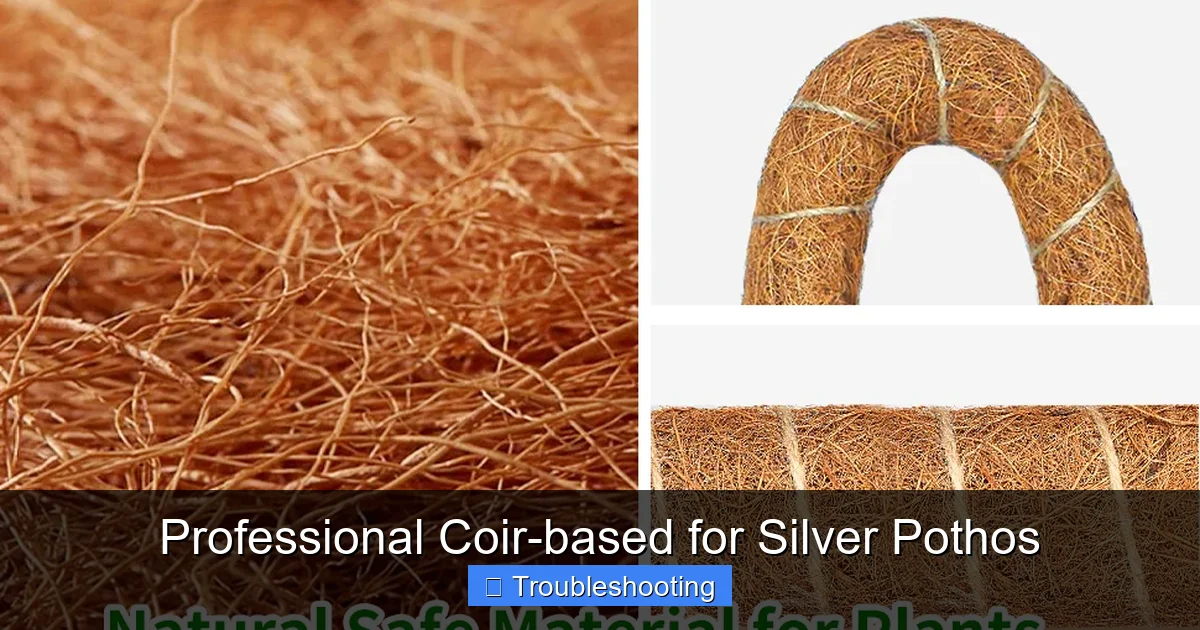
Visual guide about Professional Coir-based for Silver Pothos
Image source: m.media-amazon.com
Professional coir-based for silver pothos uses specifically graded coir fibers and pith (also called coco peat) in precise ratios. The fibers provide structure and aeration, while the pith holds water like a sponge. This combination creates what horticulturists call “ideal air-filled porosity” — typically 15-25% air space after drainage — which is the sweet spot for epiphytic aroids like silver pothos. The coir’s lignin content (a complex organic polymer) gives it structural stability, meaning it won’t break down into mush like peat moss does.
Buffered vs. Unbuffered Coir: Why It Matters
Here’s something many plant parents don’t realize: raw coconut coir naturally contains high levels of potassium and sodium, plus a cation exchange capacity that can lock up calcium and magnesium — nutrients your silver pothos desperately needs. Professional coir-based mixes undergo a buffering process where the coir is treated with calcium nitrate solution. This displaces the excess potassium and sodium while pre-loading the coir’s exchange sites with calcium.
The result? A growing medium that’s ready to use straight from the bag without the nutrient lockout issues that plague unbuffered coir. When you buy professional coir-based for silver pothos from reputable suppliers, you’re getting a product that’s been washed, buffered, and often enriched with beneficial microbes. This attention to processing detail is what separates professional-grade coir from the cheap bricks you might find at big-box stores — and your silver pothos will show the difference in vigorous, healthy growth.
Creating Your Perfect Silver Pothos Mix
The Base Recipe: Professional Coir as Foundation
Starting with professional coir-based for silver pothos as your foundation gives you a consistent, reliable base that you can customize based on your specific growing conditions. A typical professional mix contains 70-80% buffered coconut coir (a blend of fibers and pith) with the remainder being perlite for additional drainage. This ratio provides the moisture retention silver pothos needs while ensuring excess water drains freely.
The beauty of using professional coir as your base is its forgiveness. If you tend to overwater, the coir’s excellent drainage prevents disaster. If you occasionally forget to water, the coir’s water-holding capacity buys you time. This buffer zone is especially valuable for silver pothos, which can be dramatic when underwatered (curling leaves, limp stems) but unforgiving when overwatered (yellowing leaves, mushy stems, root rot). The coir smooths out these extremes, giving you a wider margin for error.
Customizing for Your Environment
Your home environment plays a huge role in how your growing medium performs, and professional coir-based mixes are incredibly adaptable. In humid climates or low-light conditions where soil stays wet longer, increase perlite to 30-40% of the total volume. Add orchid bark (about 20%) for even more aeration and to mimic the chunky, airy substrate silver pothos would encounter in nature. For very dry climates or bright, warm spots where pots dry out quickly, stick closer to the standard 80/20 coir/perlite ratio and consider adding a handful of worm castings for moisture retention and gentle nutrition.
Here’s a practical example: I grow silver pothos in three different rooms — a bright bathroom with high humidity, a medium-light living room with average humidity, and a sunny office that gets quite dry. In the bathroom, I use 60% professional coir, 30% perlite, 10% orchid bark. In the living room, 75% coir, 25% perlite. In the sunny office, 85% coir, 15% perlite, plus a top dressing of sphagnum moss to slow surface evaporation. All three plants thrive because the mix matches the environment.
Adding Nutritional Amendments
Professional coir-based for silver pothos is essentially an inert medium — it provides structure and water management but minimal nutrition. This is actually a feature, not a bug, because it gives you complete control over feeding. For silver pothos, I recommend incorporating slow-release amendments at potting time: a tablespoon of worm castings per gallon of mix provides gentle, microbe-rich nutrition. A sprinkle of dolomite lime (about 1 teaspoon per gallon) helps stabilize pH and provides calcium and magnesium.
For ongoing nutrition, silver pothos responds beautifully to dilute, balanced liquid fertilizer (like 3-1-2 or 9-3-6 ratio) applied at quarter-strength every watering during active growth. The coir’s cation exchange capacity holds onto these nutrients, making them available to roots over time rather than flushing them all out immediately. This “fertigation” approach — fertilizing every time you water at very low concentration — mimics the constant, dilute nutrient availability these plants would experience in their natural habitat.
Potting and Repotting Best Practices
Choosing the Right Pot
The pot you choose works in partnership with your professional coir-based mix. Silver pothos has a relatively shallow, spreading root system that prefers width over depth. Choose pots that are wider than they are deep — this encourages the lateral root growth that supports vigorous vine production. Always, always use pots with drainage holes. No amount of perfect coir mix can compensate for a pot that traps water at the bottom.
Terracotta pots are excellent partners for professional coir-based for silver pothos because their porous walls allow additional evaporation, further reducing rot risk. However, they dry out faster, so you’ll water more frequently. Glazed ceramic or plastic pots retain moisture longer — great for forgetful waterers or dry climates. Clear plastic pots (like orchid pots) let you monitor root health and moisture levels visually, which is incredibly helpful when you’re learning your plant’s rhythms.
The Repotting Process Step by Step
Repotting into professional coir-based mix is straightforward but benefits from a few pro tips. First, water your silver pothos lightly a day before repotting — moist roots are more flexible and less prone to breakage. Gently remove the plant from its old pot. If roots are circling the bottom, tease them apart with your fingers. Trim any black, mushy, or obviously dead roots with clean scissors.
Place a layer of your coir mix in the new pot — enough so the plant sits at the same soil level as before (don’t bury the stems). Center the plant and fill around the roots with more mix, tapping the pot gently to settle it without compacting. Leave about an inch of space at the top for watering. Water thoroughly until it runs out the bottom, then let it drain completely. This initial watering settles the mix around roots and eliminates large air pockets that can dry out root tips.
When to Repot Your Silver Pothos
Silver pothos typically needs repotting every 18-24 months when grown in professional coir-based mixes — longer than peat-based mixes which break down faster. Signs it’s time: roots emerging from drainage holes, water running straight through without absorbing, significantly slowed growth despite good care, or the plant becoming top-heavy and tipping over. Spring and early summer are ideal repotting times when the plant is entering active growth and can recover quickly.
Don’t size up dramatically — silver pothos prefers being slightly snug. Move up just one pot size (1-2 inches wider in diameter). Overpotting leaves excess coir mix without roots to absorb moisture, creating soggy conditions. If your plant is huge and you don’t want a bigger pot, you can root-prune: remove the plant, trim off the outer 1-2 inches of root ball all around, and repot in the same container with fresh professional coir-based mix. This rejuvenates the plant without encouraging excessive size.
Watering Strategies for Coir-Grown Silver Pothos
Reading the Moisture Signals
One of the biggest adjustments when switching to professional coir-based for silver pothos is learning to read moisture levels differently. Coir’s surface dries faster than peat-based mixes, which can trick you into thinking the pot is dry throughout when the root zone is still moist. The finger test remains your best tool: insert your finger 2-3 inches deep. If it feels cool and damp at your fingertip, wait. If it’s dry at that depth, water thoroughly.
Silver pothos gives clear visual cues too. Slightly curled leaf edges and a subtle limpness to the vines mean “I’m thirsty.” Yellowing lower leaves, especially with brown crispy edges, often mean “I’ve been too wet.” Mushy, translucent stems at the soil line scream “root rot emergency.” Professional coir-based mixes make these signals more reliable because the moisture gradient from top to bottom is more consistent — no more wet bottom/dry top surprises.
Bottom Watering vs. Top Watering
Both methods work well with professional coir-based mixes, but each has advantages. Top watering flushes accumulated salts from fertilizer and ensures even saturation. Water slowly in a spiral pattern until it runs freely from drainage holes. Bottom watering (setting the pot in a tray of water for 15-20 minutes) encourages deeper root growth as roots chase moisture downward, and it keeps the surface drier — discouraging fungus gnats.
I alternate: top water every 3-4 waterings to flush salts, bottom water the rest of the time. With professional coir-based for silver pothos, bottom watering is especially effective because coir’s capillary action pulls water up evenly throughout the pot. Just don’t leave the pot sitting in water longer than 30 minutes — coir is so good at wicking that it can become oversaturated.
Seasonal Watering Adjustments
Your watering frequency will change dramatically with seasons, and professional coir-based mixes respond predictably to these changes. In spring and summer (active growth), silver pothos might need water every 5-7 days in bright light, every 7-10 days in medium light. In fall and winter (dormancy), stretch to every 10-14 days or even longer in low light. Always check with your finger rather than following a rigid schedule.
Humidity affects coir drying speed too. In winter with indoor heating, air is dry but coir surface dries fast while deeper layers stay moist. In humid summers, the whole pot stays evenly moist longer. Professional coir-based for silver pothos handles these fluctuations beautifully because its structure doesn’t change — it doesn’t shrink away from pot sides when dry (like peat does) or become soupy when wet. It just works, season after season.
Troubleshooting Common Issues
Yellowing Leaves: Diagnosing the Cause
Yellow leaves on silver pothos grown in professional coir-based mixes usually point to one of three issues. If older, lower leaves yellow first while new growth looks healthy, it’s likely natural aging or slight nitrogen deficiency — easily fixed with a dose of balanced fertilizer. If yellowing appears on newer leaves or shows interveinal chlorosis (yellow between green veins), it’s often a micronutrient issue like iron or magnesium deficiency, which can happen if pH drifts too high.
If yellowing is accompanied by mushy stems or a sour smell from the pot, you’re dealing with overwatering/root rot despite the coir’s excellent drainage. This usually means the pot is too large, light is too low, or you’re watering on a schedule instead of checking moisture. Professional coir-based for silver pothos is forgiving, but not invincible — it still needs appropriate light and watering practices to prevent anaerobic conditions.
Crispy Brown Leaf Edges
Brown, crispy leaf margins on silver pothos typically indicate one of three things: underwatering, low humidity, or fertilizer burn. In professional coir-based mixes, underwatering shows up as uniformly dry mix all the way through — the finger test will confirm. Increase frequency, not volume. Low humidity (below 40%) causes rapid transpiration that roots can’t match even in moist coir. Group plants, use a humidifier, or place on a pebble tray.
Fertilizer burn happens when salts accumulate in the coir. Professional coir-based mixes have high cation exchange capacity, which is great for holding nutrients but means salts can build up over time. The fix: flush the pot thoroughly with 3-4 times the pot volume of plain water, let drain completely, then resume fertilizing at half your previous strength. Do this flush every 2-3 months as preventive maintenance.
Slow Growth and Small Leaves
If your silver pothos is putting out tiny leaves with long internodes (spaces between leaves), it’s usually a light issue, not a soil issue. Silver pothos needs bright, indirect light to maintain its variegation and produce those gorgeous, large, silver-splashed leaves. In low light, it reverts to greener, smaller leaves to maximize photosynthesis. Move it closer to a bright window (east or north-facing ideal, or a few feet back from south/west).
If light is good but growth is still slow, check your professional coir-based mix’s pH. Coir can sometimes drift slightly acidic over time (below 5.5), which locks out certain nutrients. A simple soil pH meter (the probe kind, not strips) can confirm. If pH is low, water once with a solution of 1/2 teaspoon dolomite lime per gallon of water. Retest in a week. Professional coir-based for silver pothos typically holds pH stable, but it’s worth checking if other factors are ruled out.
Fungus Gnats and Other Pests
One of the underrated benefits of professional coir-based for silver pothos is its resistance to fungus gnats. These annoying flies lay eggs in moist organic matter, and their larvae feed on fungi and root hairs. Coir’s quick-drying surface and excellent drainage make it far less hospitable than peat-based mixes. If you do get gnats, let the top 2 inches dry completely between waterings (coir handles this beautifully), add a layer of sand or diatomaceous earth on the surface, and use yellow sticky traps.
Mealybugs and spider mites are foliage pests unrelated to your growing medium, but healthy plants in professional coir-based mixes resist infestations better. Strong root systems support vigorous growth that can outpace minor pest damage. If you spot pests, isolate the plant, treat with insecticidal soap or neem oil, and check neighboring plants. The coir mix doesn’t harbor these pests — they come in on the plant or from other plants.
Long-Term Care and Maintenance
Refreshing vs. Replacing Your Coir Mix
Professional coir-based for silver pothos lasts 2-3 years before needing full replacement, thanks to coir’s high lignin content and slow decomposition rate. But “refreshing” annually keeps it performing at its best. Each spring, remove the top 1-2 inches of mix (where salts and fine particles accumulate) and replace with fresh professional coir mix. This simple top-dressing extends the life of your mix and gives roots a fresh, nutrient-rich zone to explore.
When it’s time for full replacement (mix looks broken down, holds water too long, or plant shows declining vigor despite good care), do a complete repot. Shake off as much old mix as possible without damaging roots — coir fibers cling to roots, and that’s fine. Those fibers will continue breaking down slowly, feeding beneficial microbes. Replace with fresh professional coir-based mix in a clean pot. Your silver pothos will reward you with a growth spurt within weeks.
Monitoring Salt Buildup
Because professional coir-based mixes hold nutrients so well, salt buildup from fertilizers and tap water can accumulate over time. Signs include white crust on the pot rim or soil surface, leaf tip burn despite proper watering, and declining growth. The solution is periodic leaching: once every 2-3 months during active growth, water heavily with plain water (3-4x pot volume) and let drain completely. This flushes excess salts while the coir’s structure retains its integrity.
If you have very hard tap water (high mineral content), consider using filtered or rainwater for your silver pothos. Professional coir-based for silver pothos doesn’t buffer against high mineral water the way some soils do — those minerals go straight into the mix. A simple countertop filter or collecting rainwater makes a noticeable difference in long-term plant health and prevents the need for more frequent leaching.
Seasonal Care Calendar
Spring (March-May): Repot if needed, begin quarter-strength fertilizing every watering, increase watering frequency as growth accelerates, top-dress with fresh coir mix. Summer (June-August): Peak growth period — maintain consistent moisture, fertilize every watering, monitor for pests, provide bright indirect light. Fall (September-November): Reduce fertilizing to half-strength every other watering, decrease watering frequency as growth slows, stop fertilizing by late fall. Winter (December-February): Water minimally (every 2-3 weeks typically), no fertilizer, maximize light exposure, keep away from cold drafts and heating vents.
This calendar assumes Northern Hemisphere temperate seasons — adjust for your local climate. The beauty of professional coir-based for silver pothos is how it simplifies this care routine. The mix’s consistency means you’re not constantly adjusting for soil that’s become hydrophobic, compacted, or broken down. You learn your plant’s rhythms once, and they stay reliable year after year.
Conclusion
Choosing professional coir-based for silver pothos isn’t just a trendy plant care choice — it’s a decision rooted in understanding what these remarkable plants actually need. From the moment you pot up in that airy, perfectly moist mix, you’re giving your silver pothos the foundation it needs to become the showstopping, trailing masterpiece you envision. The consistent moisture without sogginess, the perfect pH stability, the sustainable sourcing, and the long-lasting structure all add up to one thing: less worry for you, more thriving for your plant.
I’ve watched silver pothos transform from struggling, sparse vines into lush, silver-splashed cascades simply by switching to professional coir-based mixes. The difference is visible in larger leaves, more intense variegation, faster growth, and resilience against the occasional care mistake. Whether you’re nurturing a single cherished plant or managing a collection of rare Scindapsus varieties, professional coir-based for silver pothos provides the reliable, high-performance foundation that lets you focus on the joy of growing — not the stress of troubleshooting.
Your silver pothos deserves a growing medium that works as hard as you do. Professional coir-based mixes deliver exactly that — a sustainable, science-backed, plant-approved foundation for years of gorgeous growth. So next time you’re repotting, propagating, or bringing home a new silver beauty, reach for professional coir-based for silver pothos. Your plant will thank you with every unfurling leaf.
Frequently Asked Questions
What is the best professional coir-based mix ratio for silver pothos?
The ideal ratio is 70-80% buffered coconut coir combined with 20-30% perlite. For humid environments or low light, increase perlite to 30-40% and add 10-20% orchid bark for extra aeration. In dry climates, stick to 80/20 coir/perlite.
How do I know if my coir mix is properly buffered?
Professional coir-based mixes from reputable suppliers will state “buffered” or “pre-buffered” on packaging. Buffered coir has been treated with calcium nitrate to displace excess potassium and sodium, preventing nutrient lockout. Avoid cheap unbuffered bricks.
Can silver pothos grow in pure coir without perlite?
Not recommended. Pure coir retains too much moisture for silver pothos, which is prone to root rot. The perlite creates essential air pockets. Minimum 20% perlite is needed for healthy root aeration.
Why does my silver pothos have yellow leaves in coir mix?
Yellow leaves usually indicate overwatering, nutrient deficiency, or pH imbalance. Check that the pot isn’t too large, ensure you’re fertilizing at quarter-strength, and verify pH stays between 5.5-6.5. Professional coir mixes rarely have pH issues.
How long does professional coir-based mix last before breaking down?
Professional coir-based mixes maintain structure for 2-3 years due to high lignin content. Refresh annually by replacing the top 1-2 inches. Full replacement is needed when mix stays wet too long or plant vigor declines.
Is coir better than peat moss for silver pothos?
Yes. Coir resists compaction longer, rewets easily if dried out, maintains stable pH, and is sustainably sourced. Peat breaks down faster, becomes hydrophobic when dry, and is environmentally damaging to harvest.