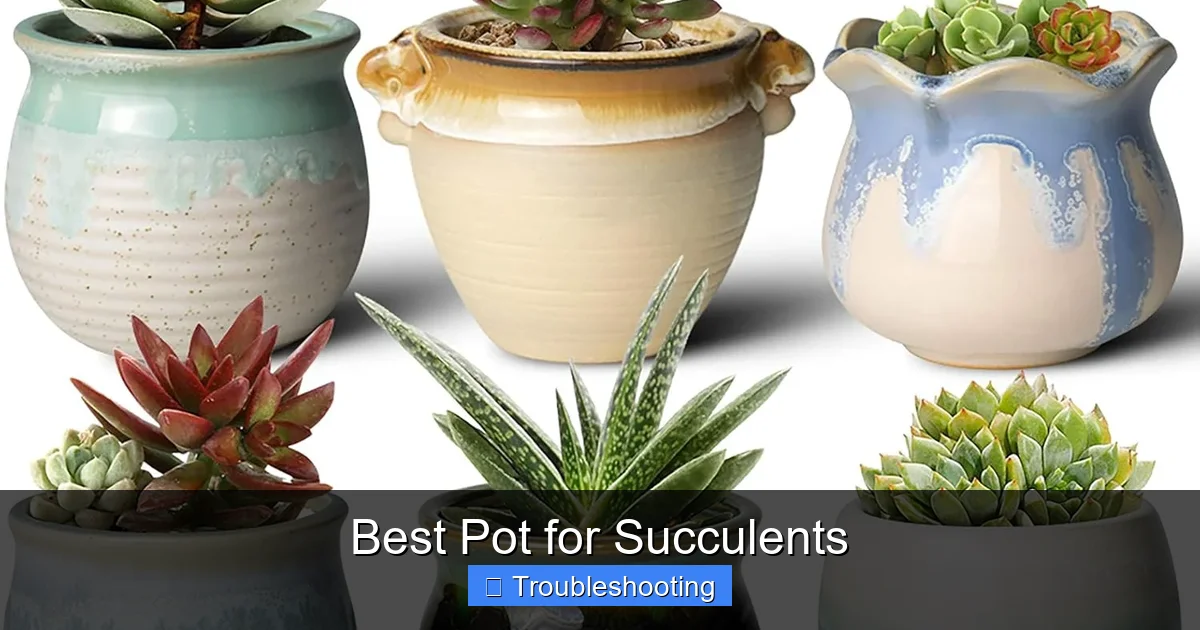
Best Pot for Succulents
Choosing the best pot for succulents comes down to drainage, material, and size. Terracotta and ceramic pots with drainage holes prevent root rot, while proper sizing gives roots room to grow without holding excess moisture.
You bring home a gorgeous succulent from the nursery. It sits in a flimsy plastic pot, and you know it deserves better. You browse the garden center aisles or scroll through online shops, and suddenly you are overwhelmed. Glazed ceramic. Unglazed terracotta. Concrete. Glass. Metal. Shallow bowls. Deep cylinders. Pots with holes. Pots without holes. Self-watering planters. Which one is actually the best pot for succulents?
Here is the short answer. The best pot has a drainage hole. It is made of a breathable material like terracotta. It is only slightly larger than the root ball of your plant. That is it. That is the whole secret. But the details matter. The material changes how often you water. The shape changes how the soil dries. The size changes whether your succulent thrives or rots. This guide walks through every factor so you can pick the perfect pot with confidence.
Key Takeaways
- Drainage is non-negotiable: Every succulent pot must have drainage holes to prevent water from pooling at the bottom and causing root rot.
- Terracotta wins for breathability: Unglazed clay pots allow moisture to evaporate through the walls, making them the safest choice for beginners.
- Size matters more than you think: Choose a pot only 1-2 inches wider than the root ball to avoid excess soil staying wet too long.
- Material affects watering frequency: Plastic and glazed ceramic retain moisture longer, so you must water less often than with terracotta.
- Double potting solves decorative pot problems: Keep your succulent in a plastic nursery pot, then slip it into a pretty cachepot without drainage.
- Elevate your pots for airflow: Use pot feet or a tray with pebbles to prevent the drainage hole from sitting flush against surfaces.
- Repot every 1-2 years: Fresh soil and a slightly larger pot refresh nutrients and prevent compacted roots from suffocating.
Quick Answers to Common Questions
What is the single most important feature of a succulent pot?
A drainage hole is absolutely essential. Without it, water pools at the bottom and causes root rot, which is the number one killer of succulents.
Can I use a pot without drainage holes if I add rocks at the bottom?
No. The rock layer creates a perched water table that keeps soil soggy longer. Either drill a hole or use the double potting method with a nursery pot inside.
Is terracotta better than ceramic for succulents?
Yes, for most growers. Unglazed terracotta breathes, allowing moisture to evaporate through the walls. This prevents overwatering and mimics the plant’s natural arid environment.
How much larger should the new pot be when repotting?
Only 1-2 inches wider in diameter than the current root ball. A pot that is too large holds excess wet soil and leads to root rot.
Do I need to water immediately after repotting a succulent?
No. Wait 3-7 days before watering. This allows any damaged roots to callus over, preventing rot. Keep the plant in bright indirect light during this rest period.
📑 Table of Contents
- Why Drainage Holes Are the Single Most Important Feature
- Comparing Pot Materials: Terracotta, Ceramic, Plastic, and More
- Choosing the Right Pot Size and Shape
- Soil and Pot: The Inseparable Partnership
- Special Situations: Arrangements, Propagation, and Outdoors
- Repotting Step-by-Step: Doing It Right
- Common Pot Problems and How to Fix Them
- Budget-Friendly Pot Hacks
- Conclusion: Your Perfect Pot Awaits
Why Drainage Holes Are the Single Most Important Feature
If you take nothing else from this article, remember this. Drainage holes save lives. Succulent lives, that is. These plants store water in their leaves and stems. They come from arid regions where rain is rare and soil drains instantly. Their roots cannot sit in water. When water pools at the bottom of a pot, the soil stays soggy. Oxygen cannot reach the roots. Fungi and bacteria multiply. Root rot sets in. Once rot starts, it spreads fast. You often cannot save the plant.
The Myth of the Drainage Layer
You may have heard advice to put gravel, pebbles, or broken pottery at the bottom of a pot without holes. This creates a “drainage layer.” The idea is that water drains into the rocks, away from the roots. Science says this does not work. Water does not move easily from fine soil particles into coarse rock particles. It creates a perched water table. The soil above the rocks stays saturated even longer. The roots still rot. Skip the rocks. Just get a pot with a hole.
What If You Love a Pot Without Holes?
You found a stunning ceramic bowl. No holes. You have to have it. You have two options. Drill a hole yourself. A diamond-tipped drill bit works on ceramic and glass. Go slow. Use water to cool the bit. Wear safety glasses. Or use the double potting method. Keep your succulent in its plastic nursery pot. That pot has holes. Slip the nursery pot into the decorative bowl. When you water, lift the inner pot out. Water it in the sink. Let it drain completely. Put it back in the bowl. No wet feet. No root rot. Pretty pot preserved.
Comparing Pot Materials: Terracotta, Ceramic, Plastic, and More
The material of your pot changes the microenvironment around the roots. It affects how fast soil dries. It affects temperature stability. It affects weight and durability. Here is how the most common materials stack up for succulent growing.
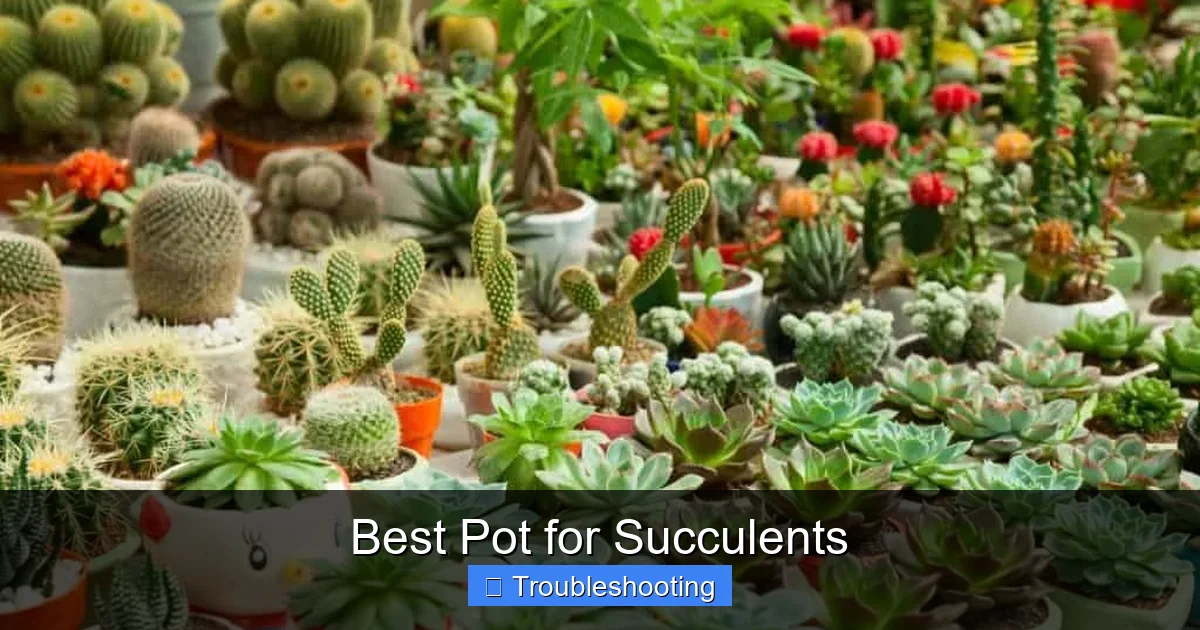
Visual guide about Best Pot for Succulents
Image source: succulentalley.com
Terracotta (Unglazed Clay) – The Gold Standard
Terracotta is porous. Water evaporates through the walls of the pot. The soil dries from the sides as well as the top. This mimics the natural environment of succulents. Roots get ample oxygen. Salt buildup from fertilizer wicks out through the walls, visible as a white crust. This is actually good. It means salts are leaving the root zone. Terracotta is heavy and stable. It will not tip over in a breeze. It is inexpensive and widely available. The downsides? It breaks if dropped. It can crack in freezing temperatures if left outdoors with wet soil. It dries out fast, so you water more often. For most growers, especially beginners, terracotta is the best pot for succulents.
Glazed Ceramic – Beautiful But Less Breathable
Glazed ceramic pots are fired at high temperatures with a glass-like coating. The glaze seals the pores. Water cannot evaporate through the walls. Soil dries only from the top. This means the soil stays wet longer. You must water less frequently. If you tend to overwater, glazed ceramic increases your risk of rot. If you tend to underwater or live in a very hot, dry climate, glazed ceramic can be helpful. These pots come in endless colors and designs. They are heavy and stable. They do not crack in cold weather as easily as terracotta. Just be honest about your watering habits before choosing them.
Plastic – Lightweight and Moisture-Retentive
Plastic pots are non-porous. They hold moisture the longest. They are very light, which is great for hanging planters or shelves with weight limits. They are cheap and unbreakable. They come in every size and shape. The downside for succulents is significant. Soil stays wet for days longer than in terracotta. Roots get less oxygen. If you use plastic, you must be very disciplined about checking soil moisture before watering. Add extra perlite or pumice to your soil mix to improve drainage. Plastic nursery pots are perfect for the double potting method mentioned earlier.
Concrete and Stone – Trendy and Heavy
Concrete planters are porous like terracotta but much heavier. They provide excellent stability for large succulents like agaves or large jade plants. They insulate roots from temperature swings. They are expensive and difficult to move. Some concrete leaches lime into the soil, raising pH over time. Most succulents prefer slightly acidic to neutral soil. If you use concrete, monitor soil pH occasionally or use a plastic liner inside.
Glass and Metal – Use With Extreme Caution
Glass terrariums and metal cachepots look modern and chic. They almost never have drainage holes. They are non-porous. They create a humid, stagnant environment. Succulents usually die in these within months. If you must use glass or metal, treat them as decorative outer containers only. Use the double potting method. Never plant directly into them. Even with a drainage layer, the lack of airflow and evaporation makes them high-risk.
Fabric Pots and Grow Bags – The Air-Pruning Option
Fabric pots are made of breathable geotextile. They offer maximum aeration. Roots hit the fabric and air-prune instead of circling. This creates a dense, healthy root system. Soil dries very fast. They are lightweight and fold flat for storage. They can look utilitarian. They work well for succulents if you can keep up with the watering frequency. They are excellent for propagation trays or growing succulent collections outdoors in summer.
Choosing the Right Pot Size and Shape
Size is the most misunderstood aspect of potting succulents. The instinct is to give the plant “room to grow” with a large pot. This is a mistake. Large pots hold large volumes of soil. That soil stays wet long after the roots have absorbed what they need. The roots sit in moisture. Rot follows. The rule is simple. Choose a pot 1 to 2 inches wider in diameter than the current root ball. No more.
Shallow vs. Deep Pots
Most succulents have shallow, spreading root systems. They do not need deep pots. Shallow bowls or pans work beautifully. They provide ample surface area for roots to spread. They hold less soil volume, so they dry faster. Deep pots are only necessary for succulents with taproots, like some cacti (e.g., Ariocarpus) or certain caudiciforms (plants with swollen stem bases). For echeverias, sedums, haworthias, and most common succulents, shallow is better.
When to Size Up
Repot when roots fill the current pot. You will see roots circling the bottom or poking out the drainage hole. The soil dries out very fast because roots have displaced most of it. The plant may become top-heavy and tip over. Go up only one pot size. For example, move from a 4-inch pot to a 5 or 6-inch pot. Not to an 8-inch pot. The extra soil in a too-large pot becomes a “wet blanket” around the roots.
Pot Shape and Stability
Wide, low pots are more stable than tall, narrow ones. Succulents can become top-heavy as they grow. A wide base prevents tipping. Tapered pots (wider at the top than bottom) make it easier to remove the plant at repotting time. Straight-sided pots can trap the root ball. If you use a straight-sided pot, run a knife around the inside edge before tipping the plant out.
Soil and Pot: The Inseparable Partnership
You cannot talk about the best pot for succulents without talking about soil. The pot and the soil work as a system. A terracotta pot with dense, peaty soil will still stay too wet. A plastic pot with gritty, fast-draining soil can work fine. The ideal soil for succulents is mostly inorganic material. Think 50% to 70% pumice, perlite, coarse sand, or decomposed granite. The remaining 30% to 50% is organic matter like coconut coir or composted pine bark. Avoid standard potting soil straight from the bag. It holds too much water. If you must use bagged cactus mix, amend it with extra perlite or pumice at a 1:1 ratio.
Matching Soil to Pot Material
If you use terracotta, you can get away with a slightly more organic soil mix because the pot breathes. If you use glazed ceramic or plastic, your soil must be grittier and faster-draining to compensate for the non-porous walls. Adjust your mix to your pot. This is why experienced growers often standardize on one pot type. It lets them use one soil mix for everything. Simplicity reduces errors.
The Top Dressing Factor
A layer of decorative gravel, crushed rock, or chicken grit on top of the soil looks nice. It also serves a function. It keeps the crown of the plant (where stem meets roots) dry. It prevents soil from splashing onto leaves during watering. It deters fungus gnats. It adds weight to stabilize lightweight pots. Use a material that does not break down. Avoid organic mulches like bark or moss. They hold moisture against the stem and cause rot.
Special Situations: Arrangements, Propagation, and Outdoors
Not every succulent lives alone in a standard pot. Let’s look at common scenarios that need different pot strategies.
Mixed Succulent Arrangements
Planting multiple succulents together in one wide, shallow bowl is popular. It looks like a miniature landscape. The challenge is that different succulents have different water needs. Echeverias need more water than lithops. Haworthias tolerate more shade than sedums. If you combine them, someone suffers. Best practice: choose succulents with similar light and water requirements. Use a wide, shallow terracotta bowl. Plant them close but not touching. Leave room for growth. Top dress heavily with gravel. Water carefully at the base of each plant, not overhead.
Propagation Trays and Pots
Leaf and stem cuttings need shallow containers with good drainage. Standard nursery flats work well. So do takeout containers with holes poked in the bottom. The key is high humidity for root initiation, then increasing airflow as roots form. Clear plastic domes or bags create humidity. Remove them daily for air exchange. Once roots appear, transition to a grittier mix and more airflow. Small terracotta pots (2-3 inches) are perfect for potting up rooted cuttings.
Outdoor Containers
Pots outdoors face rain, wind, sun, and temperature extremes. Terracotta can crack in freeze-thaw cycles if the soil is wet. High-fired glazed ceramic, concrete, stone, and fiberglass withstand winter better. Ensure outdoor pots have large drainage holes. Elevate them on pot feet so holes do not clog with debris or freeze to the ground. In rainy climates, move pots under cover or tip them sideways during prolonged downpours. In hot climates, light-colored pots reflect heat and keep roots cooler. Dark pots can cook roots in full sun.
Hanging Planters
Trailing succulents like string of pearls, string of hearts, and burro’s tail look stunning in hanging pots. Weight is the main concern. Plastic or fabric pots are lightest. Ensure the hanger can support the wet weight of the pot. Drainage is critical. Water will drip out. Use a saucer if hanging indoors, or hang where drips do not matter. Water hanging pots by taking them down and soaking in a basin, or use a long-spout watering can with a slow stream.
Repotting Step-by-Step: Doing It Right
You have the perfect pot. You have the right soil. Now you need to move your succulent without damaging it. Repotting is stressful for the plant. Minimize the stress with good technique.
When to Repot
Spring is the ideal time. The plant is entering active growth. It will recover fast. Avoid repotting in winter dormancy or during summer heat stress. Signs it is time: roots circling the pot, soil drying in hours, plant tipping over, mineral crust on soil surface, or it has been 2+ years since the last repot.
The Process
- Water the plant 2-3 days before repotting. Moist soil holds the root ball together. Dry soil crumbles and damages roots. Wet soil is heavy and messy.
- Prepare the new pot. Cover the drainage hole with a piece of mesh, a coffee filter, or a shard of broken terracotta (curved side up). This keeps soil in but lets water out. Do not use a thick layer of gravel.
- Add a base layer of soil. Put enough soil in the bottom so the plant sits at the same depth as before. The soil line should be about 1/2 to 1 inch below the rim.
- Remove the plant. Squeeze the sides of a plastic pot to loosen. For rigid pots, run a knife around the inside edge. Tip the pot upside down, supporting the plant stem between your fingers. Tap the pot rim on a table edge. The root ball should slide out.
- Inspect and loosen roots. Gently tease apart circling roots. Trim any black, mushy, or dead roots with clean scissors. If the root ball is very tight, make 3-4 vertical cuts 1/4 inch deep around the sides to encourage new outward growth.
- Position and fill. Set the plant in the new pot. Check the depth. Fill around the sides with your soil mix. Tap the pot gently to settle soil. Do not pack it down hard. Roots need air pockets.
- Top dress. Add a layer of gravel or grit.
- Wait to water. This is crucial. Do not water for 3-7 days. Any damaged roots need to callus over. Watering too soon invites rot. Place the plant in bright, indirect light during this rest period.
Aftercare
After the waiting period, water thoroughly. Let it drain completely. Return the plant to its normal light conditions. Do not fertilize for 4-6 weeks. Fresh soil has nutrients. The plant needs to re-establish its root system before pushing new growth.
Common Pot Problems and How to Fix Them
Even with the best pot for succulents, issues arise. Here is how to troubleshoot the most common pot-related problems.
Soil Drying Too Fast
You water in the morning. By afternoon, the soil is bone dry. The plant looks wrinkled. This happens with small terracotta pots in hot, dry, windy conditions. Solutions: Move to a less windy spot. Group pots together to create a humid microclimate. Use a slightly larger pot. Add more organic matter to your soil mix. Top dress with a thicker layer of gravel. Consider a glazed ceramic pot for that specific plant.
Soil Staying Wet Too Long
You watered a week ago. The soil is still damp. The lower leaves are turning yellow and mushy. This is an emergency. Remove the plant from the pot. Check roots. Trim rot. Repot into a smaller terracotta pot with grittier soil. Increase airflow with a fan. Move to brighter light. Do not water until soil is completely dry and the plant shows signs of thirst (slight wrinkling of leaves).
Mineral Crust on Terracotta
White, crusty deposits on the outside of your terracotta pot. This is salt buildup from fertilizer and tap water. It is unsightly but not harmful to the plant. It actually means the pot is doing its job wicking salts away from roots. To clean: soak the empty pot in a vinegar solution (1 part vinegar to 4 parts water) for 30 minutes. Scrub with a stiff brush. Rinse well. Or embrace the patina. It gives character.
Pot Tipping Over
Your tall succulent in a small pot keeps falling over. The root ball is not heavy enough to anchor the top growth. Solutions: Double pot into a heavier cachepot. Add decorative rocks to the bottom of the cachepot for ballast. Use a wider, lower pot at next repot. Stake the plant temporarily with a bamboo stake and soft ties.
Roots Growing Out of Drainage Holes
You see roots poking out the bottom. This means the plant is root-bound. It is time to repot into a slightly larger pot. If you cannot repot immediately, trim the protruding roots with clean scissors. This will not hurt the plant. It signals the plant to branch roots inside the pot.
Algae or Mold on Soil Surface
Green or white fuzzy growth on top of the soil. This indicates the surface stays too wet. Improve airflow. Reduce watering frequency. Increase light. Remove the top 1/4 inch of soil and replace with fresh gritty mix and clean top dressing. Sprinkle a little cinnamon on the surface; it is a natural fungicide.
Budget-Friendly Pot Hacks
You do not need expensive pots to grow healthy succulents. Some of the best pots are free or cheap.
Repurposed Containers
Tin cans. Drill holes in the bottom. Remove labels. Paint or leave rustic. Yogurt cups. Poke holes with a hot nail. Great for propagation. Teacups and mugs. Drill a hole with a diamond bit. Charming and free if you hit thrift stores. Wooden boxes. Line with landscape fabric. Drill holes in the bottom. Rustic and breathable. Concrete blocks. The hollow cores make instant planters. Stack them for a living wall.
Making Your Own Terracotta
You can buy plain terracotta pots in bulk at hardware stores for very little. Customize them. Paint the outside with acrylic paint (leave the inside and bottom unpainted for breathability). Seal the outside only with clear matte sealant. Use stencils for patterns. Write plant names with paint pen. Age them with a yogurt and moss slurry for instant antique look.
Upgrading Drainage on Cheap Pots
Some inexpensive pots have tiny, inadequate drainage holes. Enlarge them. Use a drill with a masonry bit for ceramic/terracotta. Use a hot soldering iron or heated metal rod for plastic. Add more holes. Four to six holes around the perimeter are better than one in the center. Elevate the pot on feet or pebbles so holes do not seal against the surface.
Conclusion: Your Perfect Pot Awaits
Choosing the best pot for succulents is not about finding a single magical container. It is about understanding the relationship between pot, soil, plant, and your own habits. If you tend to overwater, choose terracotta. If you travel often and cannot water weekly, choose glazed ceramic with grittier soil. If you move plants frequently, choose plastic. If you want a decorative cachepot, use the double potting method.
Start with the basics. Drainage hole. Breathable material. Right size. Gritty soil. Master those four things, and 90% of succulent problems disappear. Your plants will reward you with plump leaves, vibrant colors, and steady growth. They may even bloom.
Now go look at your succulents. Check their pots. Do they have holes? Is the soil gritty? Is the pot sized right? Make one change this week. Repot that struggling echeveria into a proper terracotta pot. Drill a hole in that cute mug. Elevate your pots on feet. Small steps. Big results. Happy growing.
Frequently Asked Questions
Can I plant succulents in glass terrariums?
Glass terrariums without drainage holes are very risky for succulents. They trap humidity and prevent evaporation. If you use glass, treat it as a decorative cachepot and keep the plant in a draining nursery pot inside.
What is the best soil mix for succulents in pots?
Use a gritty mix of 50-70% inorganic material (pumice, perlite, coarse sand) and 30-50% organic matter (coconut coir, pine bark). Avoid standard potting soil, which retains too much moisture.
How often should I repot my succulents?
Repot every 1-2 years in spring. Signs it’s time include roots circling the pot, soil drying extremely fast, the plant becoming top-heavy, or a white mineral crust on the soil surface.
Why are my succulent leaves turning mushy and translucent?
This is a classic sign of overwatering and root rot. The pot may lack drainage, the soil may be too dense, or you may be watering too frequently. Check roots immediately and repot in dry, gritty soil.
Can I use regular potting soil for succulents if I add perlite?
Yes, but amend it heavily. Mix regular potting soil with perlite or pumice at a 1:1 ratio minimum. Better yet, use a dedicated cactus/succulent mix and still add extra grit for optimal drainage.
What pot material is best for outdoor succulents in cold climates?
High-fired glazed ceramic, concrete, stone, or fiberglass withstand freeze-thaw cycles better than terracotta. Ensure excellent drainage and elevate pots on feet to prevent freezing to the ground.