How to Clean Jade Plant Leaves
Cleaning jade plant leaves is essential for photosynthesis and pest prevention. Use a soft cloth, lukewarm water, and gentle pressure to remove dust without damaging the waxy coating. Avoid harsh chemicals and leaf shine products that can clog pores and harm your plant.
If you own a jade plant, you already know how satisfying those thick, glossy leaves look when they catch the sunlight. But over time, dust settles on every surface in your home, and your jade plant is no exception. Learning how to clean jade plant leaves properly is one of the simplest yet most impactful things you can do for your plant’s long-term health. It is not just about aesthetics. Clean leaves breathe better, absorb more light, and resist pests more effectively.
Many plant parents skip this step because they worry about damaging the delicate waxy coating or knocking off leaves. Others reach for commercial leaf shine products that actually do more harm than good. The truth is, cleaning jade plant leaves is straightforward when you know the right technique. You likely have everything you need already sitting in your kitchen or bathroom. This guide walks you through every step, from why it matters to exactly how to do it without stressing your succulent.
Key Takeaways
- Dust blocks light: A layer of dust reduces photosynthesis by up to 30 percent, slowing growth and weakening your jade plant over time.
- Use gentle tools: Soft microfiber cloths, cotton balls, or a soft brush work best. Never use paper towels or rough sponges that scratch leaves.
- Lukewarm water only: Cold water shocks the plant. Hot water damages the protective waxy cuticle. Room temperature is perfect.
- Skip leaf shine products: Commercial shine sprays clog stomata (leaf pores) and attract more dust. Plain water cleans safely.
- Clean in the morning: This gives leaves time to dry before night, preventing fungal issues and water spots.
- Inspect while cleaning: Check for pests, yellowing, or damage. Early detection saves plants from serious problems.
- Monthly routine works: Most jade plants need cleaning once a month. Dusty homes or outdoor summer placement may need bi-weekly attention.
Quick Answers to Common Questions
How often should I clean my jade plant leaves?
Once a month is ideal for most indoor jade plants. Increase to every two weeks during winter heating season or if the plant spends summer outdoors.
Can I use leaf shine spray on my jade plant?
No. Leaf shine products clog the stomata (leaf pores) and attract more dust. Plain lukewarm water and a soft cloth are safest and most effective.
What is the best time of day to clean jade plant leaves?
Morning is best. This gives leaves time to dry completely before nightfall, preventing fungal issues and water spots.
Should I clean the undersides of jade plant leaves?
Yes. The undersides contain most of the stomata and are prime hiding spots for pests like spider mites and mealybugs. Use a cotton ball for tight spaces.
Can I use cold tap water to clean my jade plant?
No. Cold water shocks the plant and can cause leaf drop. Always use lukewarm water that feels neutral on your wrist.
📑 Table of Contents
Why Clean Jade Plant Leaves Matters
Photosynthesis Depends on Clean Surfaces
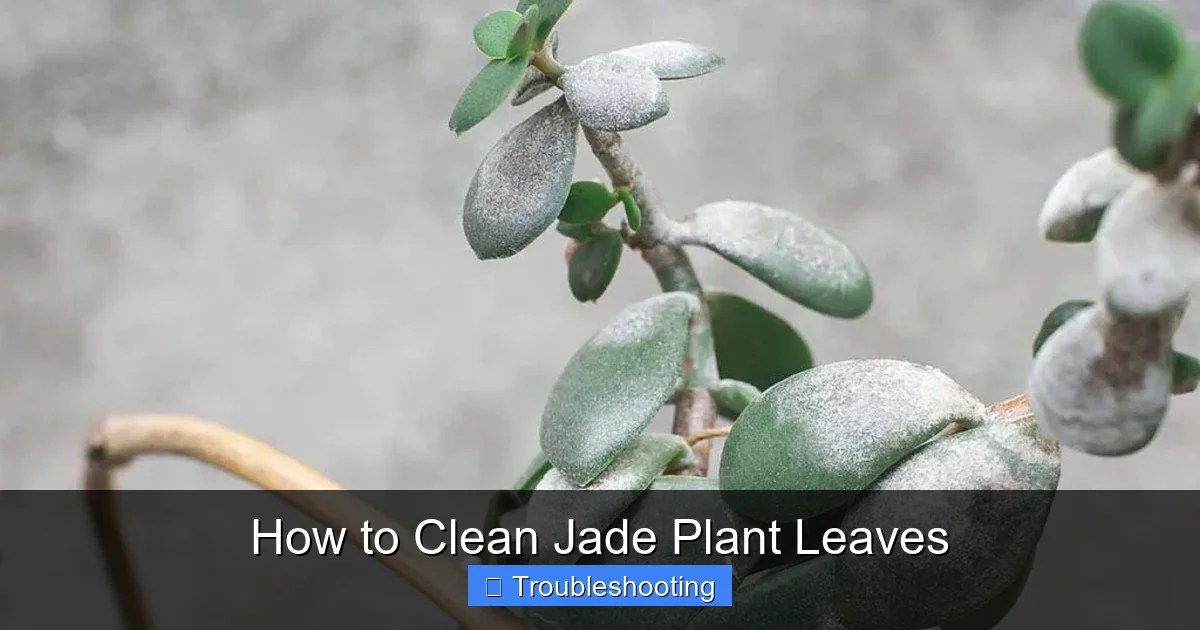
Jade plants are succulents native to South Africa. In their natural habitat, occasional rainfall washes dust off their leaves. Indoors, that job falls to you. The thick, fleshy leaves of a jade plant are covered in a waxy cuticle that helps retain water. This same coating makes them dust magnets. A layer of dust acts like a filter, blocking sunlight from reaching the chlorophyll inside the leaf cells.
Studies show that even a thin layer of dust can reduce photosynthetic efficiency by twenty to thirty percent. For a slow-growing plant like a jade, that lost energy adds up. You might notice smaller new leaves, leggy growth, or a general lack of vigor. Cleaning restores the leaf surface so your plant can make the most of every photon that hits it.
Pest Prevention Starts with Visibility
Dust does not just block light. It creates a perfect hiding spot for spider mites, mealybugs, and scale insects. These pests are tiny and often match the color of the leaf or stem. A dusty plant makes them nearly invisible until the infestation is severe. When you wipe each leaf, you are not just cleaning. You are inspecting. You will spot webbing, cottony masses, or sticky honeydew residue early enough to treat with a simple cotton swab and rubbing alcohol instead of systemic pesticides.
Stomata Need to Breathe
Plants breathe through tiny pores called stomata, mostly on the undersides of leaves. These pores open and close to regulate gas exchange and water loss. Dust particles can physically clog stomata. Commercial leaf shine products are even worse. They leave an oily or waxy film that seals the stomata shut. Your jade plant essentially suffocates. Plain water keeps pores clear and functional.
The Aesthetic Bonus
Let us not ignore the obvious. A clean jade plant looks stunning. The leaves glow with a natural, healthy sheen that no spray can replicate. If you grow your jade as a bonsai or a statement piece, clean leaves show off the branching structure and the beautiful jade green color that gives the plant its name.
When to Clean Your Jade Plant Leaves
Monthly Maintenance Schedule
For most indoor jade plants, a thorough cleaning once a month is ideal. Mark it on your calendar or pair it with another monthly task like fertilizing during the growing season. Consistency prevents heavy buildup that requires more aggressive cleaning, which stresses the plant.
Visual guide about How to Clean Jade Plant Leaves
Image source: gardenine.com
Seasonal Adjustments
Winter heating systems circulate dust and dry air. You might need to clean every three weeks during heating season. In summer, if you move your jade outdoors for better light, pollen, bird droppings, and outdoor dust accumulate faster. Check weekly and clean as needed. Spring and fall are usually the standard monthly rhythm.
Signs Your Plant Needs Cleaning Now
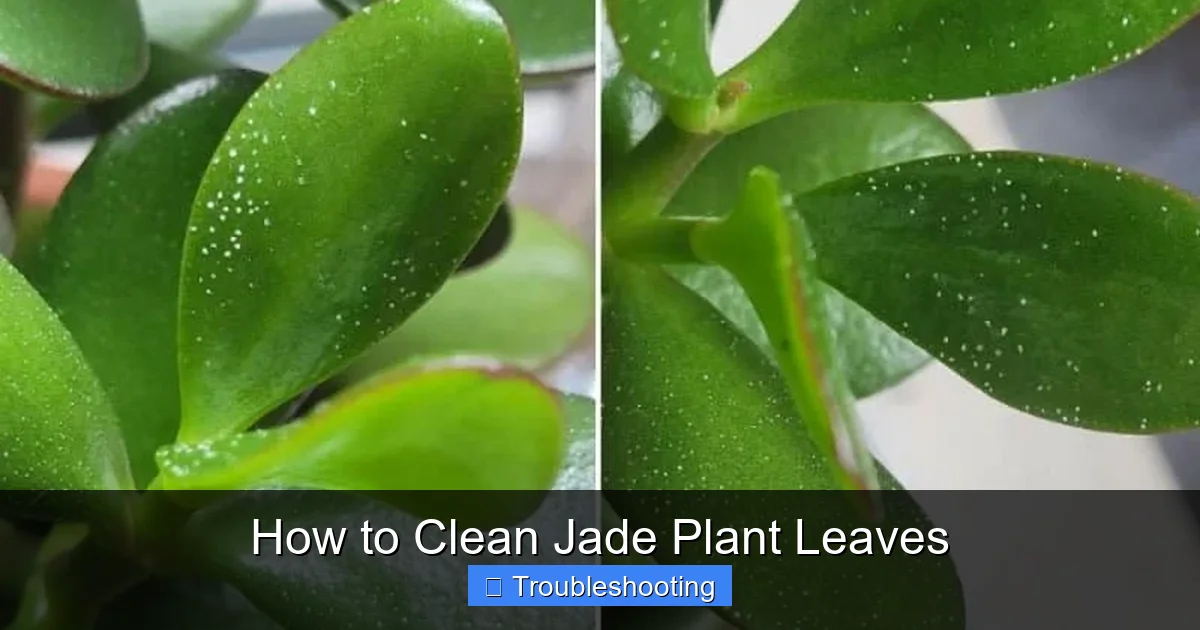
Do not wait for the calendar if you see these signs. A visible gray or tan film on leaves is the obvious one. Leaves that feel gritty when you gently rub them between thumb and forefinger need attention. New growth emerging smaller than usual suggests light blockage. White webbing in leaf axils means spider mites have moved in. Sticky residue indicates scale or mealybugs. Any of these warrant an immediate cleaning session.
Best Time of Day
Clean in the morning whenever possible. This gives the leaves several hours to dry completely before evening. Wet leaves at night invite fungal spores to germinate. Morning cleaning also means you are working with the plant during its active photosynthetic period, so it can immediately benefit from the cleared surface.
After Repotting or Moving
Repotting kicks up soil dust that settles on lower leaves. Moving a plant stirs up settled dust in the new location. Give your jade a quick wipe-down a day or two after either event. Wait a day so any disturbed roots settle, but do not let that dust sit for weeks.
Tools and Materials You Need
The Essentials
You do not need specialty equipment. Gather these items before you start so you are not hunting for a cloth mid-process.
- Two clean microfiber cloths or soft cotton t-shirts cut into squares. One for wet cleaning, one for drying.
- A bowl of lukewarm water. Test with your wrist like a baby bottle. It should feel neutral, not warm or cool.
- A small soft-bristled brush. A clean makeup brush, a soft artist brush, or a dedicated plant brush works perfectly.
- Cotton balls or cotton pads for tight spots and leaf undersides.
- A spray bottle filled with lukewarm water for misting if you prefer that method.
Optional but Helpful
- A drop of mild liquid castile soap or unscented dish soap for very grimy leaves. Use sparingly. One drop per liter of water.
- Rubbing alcohol (isopropyl alcohol, 70 percent) and cotton swabs for pest treatment if you find any.
- A small fan to speed drying in humid environments.
- Gloves if you have sensitive skin or are treating pests.
What to Avoid
Do not use paper towels. They shed fibers and can scratch the waxy cuticle. Avoid tissues, napkins, or toilet paper for the same reason. Never use commercial leaf shine, milk, mayonnaise, banana peels, or any home remedy that leaves a residue. Skip feather dusters. They just move dust around and can transfer pests between plants. Do not use cold water straight from the tap in winter. The temperature shock can cause leaf drop.
Step-by-Step Guide: How to Clean Jade Plant Leaves
Step One: Prepare Your Workspace
Move your jade plant to a comfortable working height. A kitchen counter, a table, or the floor with a towel underneath all work. Make sure you have good light so you can see dust and pests clearly. Lay out your two cloths, bowl of water, brush, and cotton balls within easy reach. If your pot has a saucer, empty it first so you do not accidentally overwater while cleaning.
Step Two: Remove Loose Dust Dry
Before introducing any moisture, use the soft brush to gently sweep loose dust off the top and bottom of each leaf. Work from the base of the leaf toward the tip. Hold the leaf steady with your free hand by cupping it from underneath. This prevents the leaf from bending or snapping. Pay special attention to the leaf axils where the leaf meets the stem. Dust and pests love to hide there. Do this over a sink or a sheet of newspaper to catch the debris.
Step Three: Dampen Your Cloth
Dip one microfiber cloth into the lukewarm water. Wring it out thoroughly. The cloth should be damp, not dripping. If you are using the tiny drop of soap, add it to the water before dipping the cloth. Swirl to distribute. Remember, less is more. You want to wipe dust away, not soak the plant.
Step Four: Wipe Each Leaf Individually
This is the core of how to clean jade plant leaves effectively. Take a single leaf between your fingers. Place your thumb on top, fingers underneath, supporting the whole leaf. With the damp cloth, wipe from the base toward the tip in one smooth motion. Flip the cloth to a clean section frequently. Do not scrub back and forth. One direction prevents pushing dust into stomata.
Clean the top surface first, then gently flip your hand position to wipe the underside. The underside is where most stomata are, so be thorough but gentle. Use a cotton ball dampened with water for the underside if the cloth is too bulky. Work your way around the plant systematically. Start at the bottom and move up, or work in a spiral. Just do not miss leaves.
Step Five: Clean Stems and Branches
Dust settles on woody stems too. Use the damp cloth or a cotton ball to wipe down the main trunk and branches. This removes dust and any pest eggs laid in bark crevices. Be gentle on older, brittle wood. If the plant is large, you may need to rotate the pot to reach all sides comfortably.
Step Six: Dry Each Leaf
Take your second, dry microfiber cloth. Go over each leaf the same way, base to tip, top and bottom. Removing excess water prevents water spots and mineral deposits, especially if you have hard water. It also eliminates the risk of fungal issues from lingering moisture. If you used any soap, this step is critical to remove all residue.
Step Seven: Final Inspection
Step back and look at the plant in good light. Rotate the pot. Check for any missed spots, water streaks, or signs of pests you might have disturbed. If you found pests, now is the time to treat them with a cotton swab dipped in rubbing alcohol. Touch each pest individually. Do not spray alcohol on the whole plant. It can damage the cuticle.
Step Eight: Return to Its Spot
Place your jade back in its usual location. Do not water it today. The leaves absorbed a small amount of moisture during cleaning. Wait for your normal watering schedule. Enjoy the glow. Your plant can now photosynthesize at full capacity.
Special Situations and Troubleshooting
Very Large or Heavy Jade Plants
If your jade is too big to move or turn easily, clean it in place. Use a step stool to reach upper branches. Work in sections. You can mist the leaves lightly with the spray bottle instead of wiping with a wet cloth, then follow immediately with the dry cloth. This reduces drips on your floor. Place towels around the base to catch runoff.
Jade Plants with Heavy Pest Infestations
If you discover a serious mealybug, scale, or spider mite problem while cleaning, cleaning alone will not fix it. Wipe off as many pests as you can manually. Then treat with insecticidal soap or neem oil according to label directions. Apply in the evening to avoid sunburn on wet leaves. Repeat treatment weekly for three weeks to catch hatchlings. Isolate the plant from others until clear.
Sunburned or Damaged Leaves
If your jade has brown, crispy patches from too much direct sun, or physical damage from being bumped, clean those leaves very gently or skip them entirely. The damaged tissue is fragile. Wiping can tear it. Focus on healthy leaves. Remove severely damaged leaves entirely with clean scissors at the base. This prevents rot and redirects energy.
White Mineral Deposits (Hard Water Spots)
If your tap water is hard, you may see white chalky spots on leaves after cleaning. These are calcium and magnesium deposits. They are harmless but unsightly. Use distilled water or rainwater for the final wipe. If deposits are already there, a cloth dampened with a fifty-fifty mix of distilled water and white vinegar dissolves them. Wipe gently, then rinse with a plain distilled water cloth and dry.
Sticky Residue from Honeydew
Scale insects and mealybugs excrete a sweet, sticky substance called honeydew. It attracts sooty mold, a black fungus. If leaves feel sticky, wash them with a cloth dampened in lukewarm water with one drop of castile soap per cup. Rinse thoroughly with a clean water cloth. Dry completely. Then treat the pests.
Outdoor Jade Plants
Jade plants summering outdoors get rain-washed naturally. But they also get bird droppings, pollen, and wind-blown grit. Check them weekly. Hose them off with a gentle shower setting if they are very dirty. Do this in the morning so they dry fast. Bring them inside before night temperatures drop below fifty degrees Fahrenheit.
Preventing Dust Buildup and Ongoing Care
Location Matters
Place your jade plant away from forced air vents, radiators, and high-traffic doorways. These spots accumulate dust fastest. A bright spot near a window but not in the direct path of an air current is ideal. South or west windows provide the light jade plants crave. Just watch for intense afternoon sun through glass, which can burn leaves.
Air Circulation Helps
Stagnant air lets dust settle. A gentle fan on low, running a few hours a day, keeps air moving and reduces dust accumulation. It also strengthens stems and discourages fungal issues. Point the fan near the plant, not directly at it. You want a breeze, not a wind tunnel.
Humidity Considerations
Jade plants prefer low humidity, around thirty to fifty percent. High humidity encourages dust to stick and promotes fungal growth. If your home is humid, a dehumidifier in the plant room helps. It also reduces watering frequency. Dry air means dust stays loose and brushes off easier during your monthly cleaning.
Regular Light Dusting
Between deep cleanings, a quick once-over with the soft brush every week or two keeps dust from cementing itself to the waxy cuticle. It takes two minutes. Make it part of your watering routine. Brush, then water. The plant gets a mini spa day, and you catch problems early.
Group Plants Strategically
Grouping plants creates a microclimate with slightly higher humidity, which jade plants tolerate but do not need. However, grouped plants share pests faster. If you group, space them so air flows between them. Clean all plants in the group at the same time to prevent cross-contamination.
Repot with Clean Soil
Old, broken-down potting mix creates dust every time you water. Repot your jade every two to three years in fresh, well-draining succulent mix. This reduces the dust source at the root level. Use a mix of fifty percent potting soil, twenty-five percent coarse sand or perlite, and twenty-five percent pumice or fine gravel.
Common Mistakes to Avoid
Using Leaf Shine Products
This is the number one mistake. The labels promise “natural shine” and “dust repellent.” What they deliver is clogged stomata, attracted dust, and a sticky residue that degrades the natural cuticle. Your jade plant has spent millions of years evolving a perfect leaf surface. Trust it. Water is all it needs.
Cleaning with Cold Water
Tap water in winter can be near freezing. Pouring that on tropical succulent leaves causes thermal shock. The cells collapse, leading to brown spots or leaf drop. Always use lukewarm water. Let the bowl sit for ten minutes if needed.
Scrubbing Too Hard
Jade leaves are thick but the attachment to the stem is not indestructible. Aggressive scrubbing snaps leaves off. Once a leaf is gone, it does not grow back from that spot. The plant will branch below the break, but you lose the mature leaf. Support each leaf. Wipe gently.
Cleaning at Night
Wet leaves at night are a fungal invitation. Powdery mildew, botrytis, and leaf spot fungi need moisture to germinate. Morning cleaning ensures dry leaves by sunset. If you must clean later, use a fan to dry leaves thoroughly.
Ignoring the Undersides
The underside of the leaf is where the action happens. Most stomata. Most pest hiding spots. Most dust accumulation because it is sheltered. If you only wipe the top, you did half the job. Flip the leaf. Use a cotton ball if needed. Be thorough.
Overcleaning
Yes, you can clean too often. Daily wiping wears down the waxy cuticle. The plant expends energy replacing it. Monthly is plenty for most homes. Weekly light brushing is fine. Daily wet wiping is overkill.
Conclusion
Learning how to clean jade plant leaves is a small skill that pays big dividends. Your jade plant will reward you with faster growth, richer color, and better pest resistance. The process takes fifteen minutes a month. You use items you already own. No special products, no stress, no risk if you follow the gentle technique outlined here.
Think of it as a monthly check-in with a quiet green friend. You wipe away the dust. You inspect for trouble. You admire the new growth. You notice the way the light catches the curves of each leaf. That connection is part of why we keep plants in the first place. A clean jade plant is a happy jade plant. And a happy jade plant can live for decades, becoming a living heirloom passed down through generations.
Start this month. Set a reminder. Gather your cloths and bowl. Your jade plant is waiting. The glow you see after cleaning is not just clean leaves. It is the visible sign of a plant that can finally breathe and eat the light it craves. That is the real shine. No spray required.
Frequently Asked Questions
How do I clean jade plant leaves that have sticky residue?
Sticky residue usually means scale insects or mealybugs. Wipe leaves with a cloth dampened in lukewarm water with one drop of mild castile soap per cup. Rinse thoroughly with a clean water cloth, then dry. Treat pests with rubbing alcohol on a cotton swab.
Can I put my jade plant in the shower to clean it?
You can, but use a gentle, lukewarm spray and keep the soil covered with plastic so it does not get soaked. Shower cleaning works well for large plants. Ensure excellent drainage and let the plant dry fully before returning it to its spot.
Why do my jade plant leaves have white spots after cleaning?
White spots are mineral deposits from hard water. Use distilled or rainwater for the final wipe. Existing deposits can be removed with a fifty-fifty mix of distilled water and white vinegar, followed by a distilled water rinse.
Is it okay to use a feather duster on my jade plant?
No. Feather dusters just redistribute dust and can transfer pests between plants. They also miss the undersides of leaves. Use a soft brush for dry dusting and a damp cloth for deep cleaning.
What should I do if a leaf falls off while cleaning?
Do not panic. Jade leaves detach easily. If the leaf is healthy, you can propagate it. Let the cut end callous for two to three days, then lay it on moist succulent soil. It will root in a few weeks. The parent plant will branch at the attachment point.
Can I use milk or mayonnaise to shine jade plant leaves?
Absolutely not. These home remedies leave a protein or oil film that clogs stomata, attracts dust, smells bad, and promotes bacterial and fungal growth. Stick to plain lukewarm water for safe, effective cleaning.