Sansevieria Humidity Requirements
Sansevieria plants thrive in average household humidity levels between 30% and 50%. These hardy succulents do not need extra moisture, misting, or humidifiers to grow well. Too much humidity causes root rot and fungal issues faster than dry air ever will.
You bought a beautiful sansevieria. You want it to thrive. You read somewhere that humidity matters for houseplants. Now you wonder if you need a humidifier, a pebble tray, or a daily misting routine. The short answer? You probably need none of those things. Sansevieria humidity requirements are surprisingly low. These plants evolved in arid regions of Africa. They store water in thick, upright leaves. They laugh in the face of dry air. What they hate is wet feet and wet leaves. This guide covers everything you need to know about humidity and your snake plant. You will learn the ideal range, why high humidity is dangerous, when low humidity might matter, and simple ways to keep your plant happy without buying gadgets you do not need.
Most houseplant advice comes from tropical jungle plants. Monstera, ferns, and calatheas crave moisture. Sansevieria is not one of them. Treating it like a tropical plant is the fastest way to kill it. Overwatering is the number one killer. High humidity acts like invisible overwatering. It keeps the soil damp. It keeps the leaves wet. It invites fungus and bacteria. This article will help you avoid those mistakes. You will see real-world examples. You will get practical tips you can use today. By the end, you will know exactly how to manage air moisture for a thriving, structural, air-purifying sansevieria.
Key Takeaways
- Ideal range is 30% to 50% humidity: This matches most indoor environments without any special equipment.
- No misting needed: Water sitting on leaves leads to rot and fungal spots on these succulent plants.
- High humidity causes root rot: Excess moisture in the air slows soil drying, keeping roots wet too long.
- Low humidity is rarely a problem: Sansevieria stores water in thick leaves and handles dry air better than tropical plants.
- Good airflow matters more than humidity: Stagnant, moist air invites pests and disease more than dry air does.
- Bathrooms can work with bright light: Only place snake plants in humid rooms if they get enough light and the soil dries fast.
- Seasonal adjustments help: Water less in winter when indoor heating drops humidity and growth slows down.
Quick Answers to Common Questions
Do sansevieria need a humidifier?
No, sansevieria do not need a humidifier. They thrive in average home humidity of 30% to 50% and prefer dry air over moist conditions.
Should I mist my snake plant?
Never mist a snake plant. Water trapped in leaf grooves causes crown rot and fungal diseases. Wipe leaves with a damp cloth instead if they need cleaning.
Can sansevieria live in a bathroom?
Only if the bathroom has bright light and excellent airflow. High humidity without light and air movement leads to root rot. A bright bedroom is usually better.
What happens if humidity is too high for snake plant?
High humidity slows soil drying, causing root rot, fungal leaf spots, and pest infestations. The plant may look fine for months then suddenly collapse.
Is low humidity bad for sansevieria?
Low humidity rarely harms sansevieria. Extreme dryness may cause brown leaf tips, but the plant survives by using stored water. It is cosmetic, not fatal.
📑 Table of Contents
- Understanding Sansevieria Natural Habitat
- The Ideal Humidity Range for Sansevieria
- Why High Humidity Is Dangerous for Snake Plants
- Low Humidity: When It Matters and When It Does Not
- Practical Humidity Management Tips
- Troubleshooting Common Humidity-Related Issues
- Special Considerations for Different Sansevieria Varieties
- Creating the Perfect Microclimate Without Gadgets
- Conclusion
Understanding Sansevieria Natural Habitat
To understand sansevieria humidity requirements, look at where they come from. These plants are native to West Africa. Think Nigeria, Congo, and surrounding regions. The climate there is tropical but seasonal. There is a distinct dry season. The air gets dry. The soil gets bone dry. The plants survive by storing water. Their leaves are thick, waxy, and vertical. This shape reduces surface area exposed to sun and wind. Less exposure means less water loss. The stomata, tiny pores on leaves, open at night. This is called CAM photosynthesis. It lets them grab carbon dioxide when evaporation is lowest. During the day, stomata stay closed. Water stays locked inside. This adaptation makes them incredibly drought tolerant. It also means they do not need humid air to function. In fact, humid air works against their design. Their whole system is built to conserve water, not absorb it from the atmosphere.
Why This Matters for Indoor Care
Your living room is not the African savanna. But the plant’s biology does not change. It still expects dry air. It still stores water in leaves. It still closes stomata by day. When you crank up humidity, you confuse the plant. The leaves stay damp. The soil stays damp. The roots suffocate. Fungal spores germinate. Rot sets in. This is why many well-meaning plant parents lose sansevieria. They treat it like a fern. They mist it. They put it in a steamy bathroom with low light. They group it with humidity-loving plants. The plant rots from the bottom up. Understanding the natural habitat prevents this. You stop fighting the plant’s nature. You start working with it. The result is a plant that lives for decades with minimal fuss.
Comparing to Other Common Houseplants
It helps to see where sansevieria sits on the humidity spectrum. Ferns want 60% to 80%. Calatheas want 50% to 70%. Monsteras like 60% plus. Pothos and philodendrons tolerate 40% to 60%. Succulents and cacti want 10% to 30%. Sansevieria sits near the succulent end. It handles 30% to 50% perfectly. That is the exact range of most heated and cooled homes. You do not need to adjust anything. This is why snake plants are called “unkillable.” They thrive on neglect. They thrive on average conditions. They fail when you pamper them with tropical treatment. Keep this comparison in mind when you see generic humidity advice. Your snake plant is not the rule. It is the exception.
The Ideal Humidity Range for Sansevieria
The sweet spot for sansevieria humidity requirements is 30% to 50% relative humidity. This is a wide, forgiving range. Most homes sit right in this zone year-round. In summer, humidity might creep to 50% or 60%. In winter, heating can drop it to 20% or 30%. Both are fine. The plant adapts. It does not need a specific number. It needs the air to be dry enough that water evaporates. Evaporation pulls water through the plant. It moves nutrients. It prevents stagnation. When humidity hits 60% or higher, evaporation slows. Soil stays wet. Leaves stay wet. Problems start. When humidity drops below 20%, the plant just uses stored water. It might grow slower. Leaf tips might crisp slightly. But it will not die. It will wait for better days. This resilience is why sansevieria is perfect for beginners, travelers, and busy people.
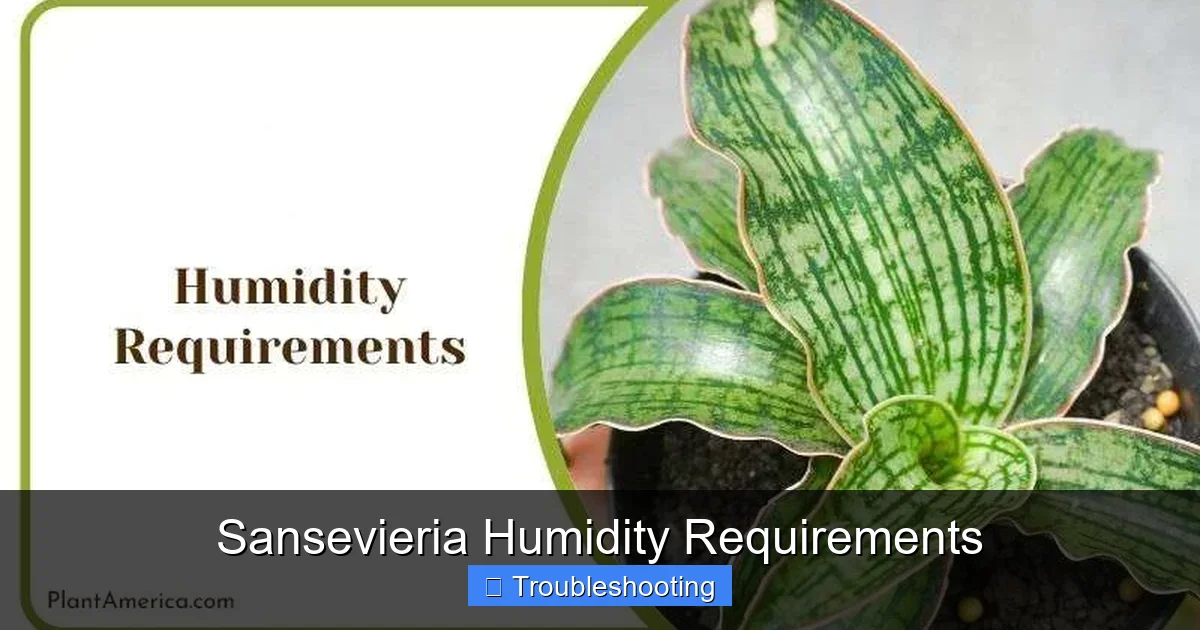
Visual guide about Sansevieria Humidity Requirements
Image source: plantamerica.com
How to Measure Your Home Humidity
You do not need to guess. A cheap hygrometer costs ten dollars. Digital ones show temperature and humidity. Place it near your plants. Check it morning and night. You will see patterns. Bathrooms spike after showers. Kitchens rise during cooking. Bedrooms drop at night with doors closed. Heating vents create dry zones. Knowing your microclimates helps you place plants smartly. Put sansevieria in the drier spots. Save the humid spots for ferns and calatheas. If you do not have a hygrometer, use the ice water test. Put ice cubes in a glass. Wait three minutes. If condensation forms fast, humidity is high. If the glass stays dry, humidity is low. This rough test works well enough for sansevieria care.
Seasonal Shifts and What They Mean
Seasons change indoor humidity more than you think. Winter heating strips moisture from air. A home at 70°F with 20% humidity is common. Your sansevieria will be fine. It will sip water from its leaves. Growth pauses. Water needs drop. You water less often. Spring brings rising humidity. Summer can push 60% in some climates. That is the danger zone. Not because the air is wet, but because the soil dries slower. You must adjust watering frequency, not humidity. Fall brings a gradual drop. The plant prepares for winter rest. The key is watching the soil, not the hygrometer. Stick your finger in the pot. If the top two inches are dry, water. If damp, wait. Humidity is background context. Soil moisture is the action signal.
Why High Humidity Is Dangerous for Snake Plants
High humidity is the silent killer of sansevieria. It does not look dangerous. No brown tips. No crispy edges. The plant looks fine until it collapses. The danger is underground and on the leaf surface. Roots need oxygen. Wet soil pushes oxygen out. Anaerobic bacteria take over. They rot the roots. The plant cannot take up water. Ironically, it looks thirsty. Leaves droop. You water more. The cycle accelerates. On the leaves, high humidity lets fungal spores germinate. You get leaf spot, anthracnose, or southern blight. These spread fast in still, moist air. Pests love it too. Fungus gnats breed in wet soil. Mealybugs and spider mites thrive on stressed plants. High humidity turns a tough plant into a sitting duck. This is why misting is a mistake. Why pebble trays backfire. Why bathrooms without airflow are risky.
Root Rot: The Hidden Consequence
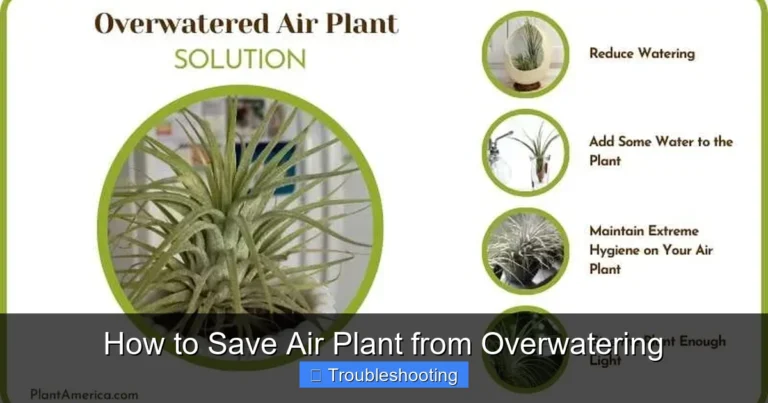
Root rot starts before you see symptoms. The roots turn brown, then black. They get mushy. They smell sour. By the time leaves yellow or droop, the root system is gone. Sansevieria has thick rhizomes. They store water and energy. The plant can survive months on reserves while roots rot. This masks the problem. You think it is fine. Then one day it keels over. The base feels soft. Leaves pull out with no resistance. High humidity caused this by keeping the potting mix wet. The fix is prevention. Use gritty, fast-draining soil. Use pots with drainage holes. Water only when dry. Keep air moving. If you suspect rot, unpot immediately. Cut away all mushy roots. Dust cuts with cinnamon or sulfur. Repot in dry, fresh mix. Wait a week before watering. High humidity makes recovery harder. Dry air helps the cuts callous and the new roots breathe.
Fungal and Bacterial Leaf Issues
Wet leaves invite pathogens. Sansevieria leaves are tough but not immune. Red leaf spot shows as reddish-brown lesions with yellow halos. Anthracnose causes sunken, water-soaked patches. Southern blight creates white fungal mats at the soil line. Bacterial soft rot turns leaves to mush. All need moisture to start. High humidity provides it. Misting provides it directly. Watering from above provides it. Good airflow dries leaves fast. Space plants apart. Run a fan on low. Avoid wetting foliage when watering. If you see spots, remove affected leaves. Sterilize scissors between cuts. Improve airflow. Drop humidity if you can. Most leaf diseases stop spreading when the air is dry. The plant walls off the damage. New growth stays clean.
Pest Pressure Increases
Stressed plants attract pests. High humidity stresses sansevieria. Fungus gnats are the first sign. They love wet soil. Their larvae eat root hairs. Mealybugs hide in leaf axils. They suck sap. They excrete honeydew. Sooty mold grows on honeydew. Spider mites prefer dry air, but they attack weakened plants too. Scale insects clamp on stems. All of these spread faster when plants are crowded and damp. Quarantine new plants. Inspect weekly. Wipe leaves with a dry cloth. Use neem oil preventatively if you had issues before. But the best pest control is proper culture. Dry air. Dry soil. Good light. Strong growth. A healthy sansevieria in its preferred humidity range resists pests naturally. Its thick cuticle and tough tissue are hard to penetrate.
Low Humidity: When It Matters and When It Does Not
Low humidity rarely hurts sansevieria. But extreme dryness can cause cosmetic issues. Think 10% to 15% humidity. This happens in deeply heated winter homes. Or near radiators and vents. The plant survives. But leaf tips may brown. Edges may crisp. Growth slows further. The plant uses stored water faster. If the soil is also bone dry for weeks, the plant shrinks. Leaves wrinkle. They lose rigidity. This is not death. It is dehydration. A good soak fixes it. The leaves plump up in days. So low humidity is a minor aesthetic issue, not a health crisis. Contrast this with calathea. Low humidity curls and crisps calathea leaves in hours. Sansevieria takes weeks. You have time to notice and act. This forgiveness is a hallmark of the genus.
Tip Burn and Cosmetic Damage
Brown tips are the most common low-humidity complaint. They happen when transpiration pulls water faster than roots replace it. The leaf tip sacrifices itself. It dries and dies. The rest of the leaf stays green. This is not a disease. It does not spread. You can trim the brown tip at an angle. Use clean scissors. The plant keeps growing. To prevent tip burn in very dry air, ensure consistent watering. Do not let the pot stay bone dry for weeks. Increase watering frequency slightly. Not volume. Frequency. Keep the same deep soak method. Just check soil more often. Also, move the plant away from direct heat vents. Radiators create micro-deserts. A few feet makes a big difference. Grouping plants raises local humidity slightly through transpiration. But do not crowd sansevieria. Airflow matters more.
Winter Care in Heated Homes
Winter is when humidity drops lowest. Forced air heat can push indoor humidity to 15%. Your sansevieria will slow down. It may not grow at all from November to March. This is normal. Do not fertilize. Water much less. Maybe once a month. Check soil with a chopstick. If it comes out clean, water. If damp, wait. Keep the plant in bright light. South or west windows are great in winter. The sun is weaker. The plant needs all the photons it can get. Light drives photosynthesis. Photosynthesis drives water uptake. Water uptake keeps leaves plump. A dark corner plus dry air plus overwatering equals rot. Bright light plus dry air plus sparse watering equals a happy, waiting plant. Come spring, it will explode with new growth.
Practical Humidity Management Tips
You do not need a humidifier for sansevieria. You do not need pebble trays. You do not need to mist. You need to manage water and air. Here are practical, no-cost tips that work. First, choose the right pot. Terracotta breathes. Plastic holds moisture. Terracotta wicks water out. This mimics the plant’s natural rocky soil. It creates a drier microclimate at the roots. Second, use the right soil. A cactus mix with extra perlite or pumice. Aim for 50% grit. Water should pour through in seconds. Third, water correctly. Deep soak. Let it drain completely. Empty the saucer. Do not water again until the soil is dry two inches down. Fourth, provide airflow. A small fan on low, a few hours a day. Or crack a window. Moving air prevents fungal spores from settling. It speeds evaporation. It strengthens plant tissue. Fifth, place smartly. Avoid bathrooms unless they have great light and airflow. Avoid kitchens near steam. Avoid grouping with thirsty plants. Put sansevieria in the bright, breezy spot.
When a Humidifier Might Help Other Plants
You may have a plant collection. Some need humidity. Run a humidifier for them. Just keep sansevieria out of the plume. Place it across the room. Or in a different room. The humidifier raises ambient humidity of humidifier output drops fast with distance. A few feet cuts the effect in half. If you must group plants, put sansevieria on the edge. Give it the most light and air. Use a pebble tray for the ferns. Keep the snake plant on a dry shelf. This zoning approach lets you grow diverse plants in one space. You meet each plant’s needs without compromise. Your sansevieria stays dry and happy. Your calathea stays moist and happy. You stay sane.
Bathroom Placement: Proceed with Caution
Bathrooms are trendy for plants. High humidity. Low light. Sansevieria tolerates low light better than most succulents. But low light plus high humidity is a rot recipe. The soil never dries. The leaves never dry. If you insist on a bathroom snake plant, you need three things. Bright light. A window, not just a skylight. Strong airflow. An exhaust fan that runs during and after showers. Fast drainage. Terracotta pot, gritty mix, no saucer. Even then, watch closely. Check soil weekly. Sniff for sour smells. Feel the base for softness. At the first sign of trouble, move it out. A bedroom or living room with a window is almost always better. The bathroom aesthetic is not worth a dead plant.
Misting: Just Say No
Misting is the most common well-meaning mistake. People think they are helping. They are hurting. Water sits in the leaf grooves. It sits in the crown. It does not evaporate fast indoors. Fungi love it. Bacteria love it. Rot starts in the crown. The center turns to mush. The plant collapses from the middle. Misting also does not raise humidity meaningfully. It spikes for minutes. Then drops. The plant gets wet leaves, not humid air. If you want to clean leaves, wipe with a damp cloth. Dry immediately. Or shower the plant occasionally. Lukewarm water. Rinse dust off. Let it drain fully. Put it in front of a fan. That is safe. Daily misting is not. Stop misting. Your sansevieria will thank you.
Troubleshooting Common Humidity-Related Issues
Even with good care, issues pop up. Here is how to diagnose and fix humidity-linked problems. Yellow leaves usually mean overwatering. High humidity slows drying. The fix: water less often. Move to brighter light. Increase airflow. Check roots if it keeps happening. Brown tips usually mean underwatering or extreme dry air. The fix: water slightly more often. Move away from heat vents. Trim brown tips. Mushy base means crown rot. High humidity plus wet crown. The fix: unpot. Cut rot. Dust with cinnamon. Repot dry. Do not water for a week. Fuzzy white soil mold means stagnant, damp conditions. The fix: scrape off mold. Top dress with perlite. Increase airflow. Water less. Fungus gnats mean wet soil. The fix: let soil dry completely. Use mosquito bits. Yellow sticky traps. Repot if severe. Droopy leaves can mean both over and under watering. Feel the soil. Bone dry? Water. Wet? Stop watering. Check roots.
Reviving a Humidity-Damaged Plant
If your sansevieria suffered from high humidity, act fast. Unpot it. Wash all soil off roots. Use lukewarm water. Inspect every root. Healthy roots are firm, white or orange. Rotten roots are brown, black, mushy, hollow. Cut all rot away. Cut into healthy tissue. Sterilize scissors between cuts. Let the plant sit bare-root overnight. This dries the cuts. Dust cuts with cinnamon powder. It is a natural fungicide. Repot in fresh, dry, gritty mix. Use a clean pot. Do not water. Place in bright, indirect light with good airflow. Wait one week. Then water lightly. Watch for new growth. It may take months. The rhizome has energy. Be patient. Do not fertilize until you see active growth. Most plants recover if caught before total root loss.
Preventing Recurrence
Once fixed, change the conditions. Same spot? Add a fan. Same watering schedule? Space it out. Same soil? Repot grittier. Same pot? Switch to terracotta. Learn the weight of the pot dry vs wet. Lift it. Feel it. This is better than any meter. Set a reminder to check, not to water. Check weekly. Water only when dry. Keep a log if you have many plants. Note date, plant, action. Patterns emerge. You learn your plants’ rhythms. You stop guessing. You start knowing. This is how you become a good plant parent. Not by buying gadgets. By observing. By adjusting. By respecting each plant’s nature. Sansevieria wants dry. Give it dry. It will reward you with decades of architectural beauty.
Special Considerations for Different Sansevieria Varieties
There are many sansevieria varieties. Dracaena trifasciata is the classic. But you might have cylindrical, hahnii, moonshine, laurentii, or others. Do they have different humidity needs? Not really. All are succulent. All store water. All prefer dry air. The differences are in size, growth rate, and light tolerance. Cylindrica has round leaves. Less surface area. Even more drought tolerant. Hahnii stays small. Less water storage. Might show tip burn faster in extreme dryness. Moonshine has silvery leaves. Shows damage more visibly. Laurentii has yellow edges. Variegation means less chlorophyll. Grows slower. Needs more light. But humidity preference stays the same. 30% to 50%. Treat them all the same way. The care is identical. The only variety-specific tip: smaller pots dry faster. Hahnii in a tiny pot needs checking more often. But the humidity requirement does not change.
Variegated Varieties and Light
Variegated sansevieria like laurentii, bantel’s sensation, or moonshine need more light. They have less green tissue. They photosynthesize less. In low light, they revert to solid green. Or they weaken. Weak plants handle humidity stress worse. So for variegated types, prioritize light. Bright indirect is minimum. A few hours of direct morning sun is ideal. This keeps them strong. Strong plants resist rot. Strong plants handle dry air. Strong plants handle everything better. If you have a variegated snake plant in a dim bathroom, it will decline. Move it to the brightest spot you have. The humidity there will be lower. That is good. The light will be higher. That is essential. Light trumps humidity for this genus every time.
Rare and Collector Varieties
Collectors hunt for sansevieria ehrenbergii, sansevieria kirkii, sansevieria masoniana (whale fin). These are stunning. They are also expensive. You want to protect your investment. The same rules apply. Maybe more strictly. Rare varieties often come in small pots. They have less root mass. They are less established. They are more vulnerable to rot. Use the grittiest mix you can make. 60% pumice or perlite. 40% organic. Water sparingly. Watch like a hawk. Do not experiment with humidity trays. Do not group with tropicals. Give them the best light and airflow in your home. Treat them like the succulents they are. Their rarity does not change their biology. It just raises the cost of mistakes.
Creating the Perfect Microclimate Without Gadgets
You can create ideal conditions using what you have. No humidifier. No hygrometer. No pebble tray. Just observation and adjustment. Start with placement. South or west window. Sheer curtain if sun is intense. Terracotta pot. Cactus soil plus extra perlite. Saucer that you empty. A small clip fan on the shelf. Timer set for four hours a day. Water when the pot feels light. When the chopstick comes out clean. When the leaves feel slightly flexible, not rock hard. That is it. That is the whole system. It costs nothing extra. It works year-round. It scales to any collection size. You become the sensor. Your finger is the meter. Your eye is the monitor. Your hand adjusts. This is gardening. Not gadget managing.
Using Plant Grouping Strategically
Grouping plants raises humidity locally. Each plant transpires. The air between them gets moister. This helps tropicals. It hurts sansevieria. So group your tropicals together. Put the humidifier there. Put the pebble trays there. Create a humidity zone. Keep sansevieria separate. Or put it on the windward edge of the group. Where the fan hits first. Where the air is driest. Where the light is brightest. This way, the tropicals get their microclimate. The sansevieria gets its microclimate. They share a shelf but not conditions. You can even use a small barrier. A piece of acrylic. A book. Anything to break the humid air pocket. Think in zones, not just rooms. A room can have three zones. Dry bright zone for succulents. Medium zone for pothos. Humid zone for ferns. Match plants to zones.
Seasonal Microclimate Adjustments
Seasons shift your zones. Winter heating dries everything. The humid zone shrinks. The dry zone expands. Move sansevieria closer to the window. Light is weaker. Air is drier. Both are good. Summer humidity rises. The dry zone shrinks. Run the fan more. Water less often. Check soil more often. Spring and fall are transition. Watch the weather. Adjust weekly. The plant tells you. Firm upright leaves? Happy. Slightly soft? Thirsty. Mushy? Rotting. Crispy tips? Too dry too long. Learn the language. It is subtle but consistent. You do not need perfect control. You need attentive response. That is the secret. The best growers watch. They do not control. They respond.
Conclusion
Sansevieria humidity requirements are simple. They want what your home already has. 30% to 50% relative humidity. No misting. No humidifier. No pebble tray. No bathroom steam. What they need is dry soil, bright light, and moving air. Give them that, and they grow for decades. They clean your air. They sculpt your space. They survive your neglect. They forgive your mistakes. The only real mistake is treating them like tropical plants. Wet leaves. Wet soil. Stagnant air. That kills them. Dry air never will. So put away the spray bottle. Unplug the humidifier for this plant. Put it in the sunniest, breeziest spot you have. Water when the soil is bone dry. Then step back. Watch it thrive. That is the sansevieria way. Low fuss. High reward. Perfect for real life.
Remember the core lesson: this plant stores its own water. It brings its own humidity. It does not need yours. Your job is to stay out of its way. Provide drainage. Provide light. Provide airflow. Then let it be. The most beautiful sansevieria specimens are often the most ignored. The one in the corner of the office. The one by the drafty window. The one you water when you remember. They do not need pampering. They need respect for their nature. Now you know their nature. Go grow something great.
Frequently Asked Questions
What is the ideal humidity level for sansevieria?
The ideal humidity for sansevieria is 30% to 50%, which matches typical indoor conditions. These plants prefer dry air and do not require additional humidity.
Can high humidity kill a snake plant?
Yes, high humidity can kill a snake plant by keeping soil wet too long, leading to root rot and fungal diseases. It is more dangerous than low humidity.
Do snake plants like to be misted?
No, snake plants hate being misted. Water sitting on leaves causes crown rot and fungal infections. Keep foliage dry at all times.
Why are my snake plant leaf tips turning brown?
Brown tips usually indicate underwatering or extremely dry air near heat vents. Trim the brown tips and water slightly more often, but do not mist.
Can I keep my sansevieria in the bathroom?
You can keep sansevieria in a bathroom only if it receives bright light and has good airflow from a fan or window. Otherwise, choose a drier, brighter location.
How do I fix a snake plant with root rot from high humidity?
Unpot the plant, wash all soil off roots, cut away mushy black roots, dust cuts with cinnamon, repot in dry gritty mix, and wait a week before watering lightly.