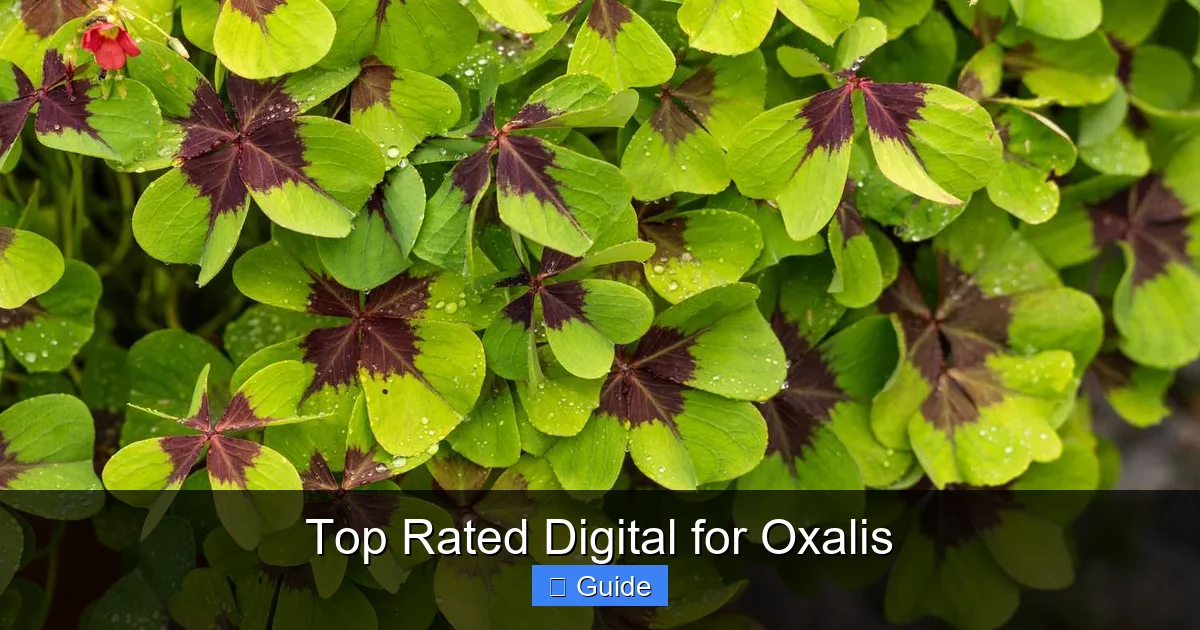
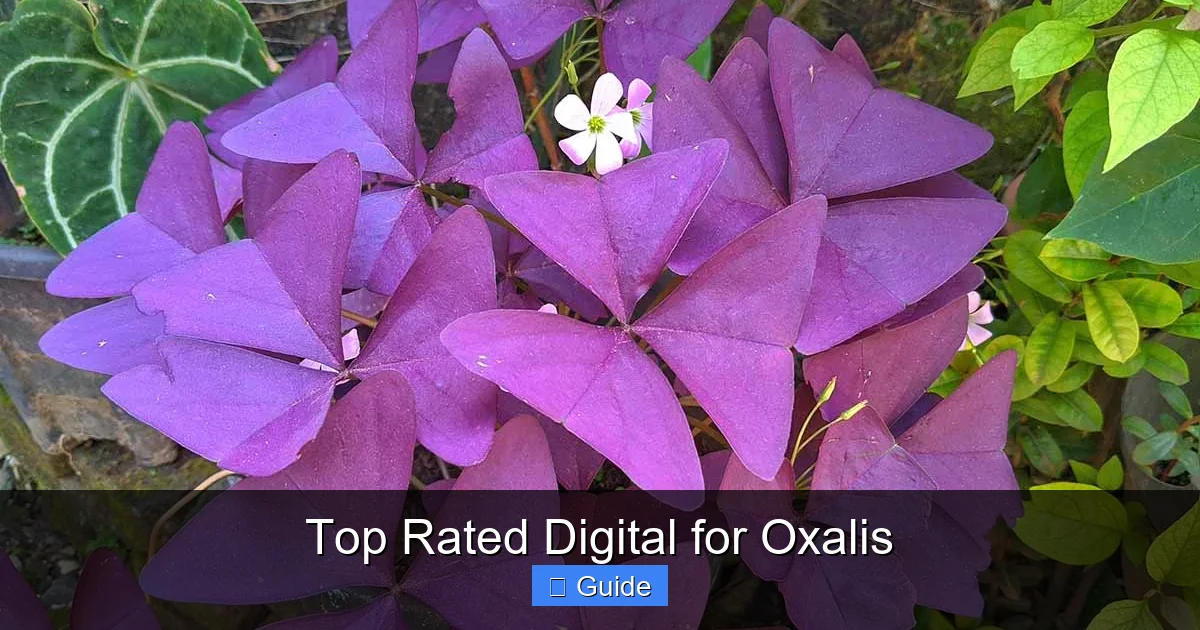
Top Rated Digital for Oxalis
Top rated digital for oxalis devices simplify watering, lighting, and soil monitoring. This guide reviews the best moisture meters, light sensors, pH testers, and smart timers so you can keep your oxalis thriving with confidence.
Hey there! If you grow oxalis you already know they like a little attention. They want the right amount of water, the right light, and a soil pH that stays slightly acidic. Guessing can lead to yellow leaves or root rot. That is where a top rated digital for oxalis toolkit comes in handy.
Digital gadgets take the guesswork out of care. A moisture meter tells you exactly when the soil is dry. A light meter shows you if the spot is bright enough. A pH tester confirms the soil stays in the sweet spot. A smart timer can water on a schedule you set. Together they give you a clear picture of what your plant needs.
In this guide we walk through the best devices in each category. We explain what to look for, share our favorite models, and give practical tips for using them. By the end you will have a complete digital care kit that keeps your oxalis happy all year round.
Key Takeaways
- Digital moisture meters give instant soil readings and prevent overwatering.
- Light meters help you place oxalis in the perfect spot for healthy growth.
- pH testers ensure the soil stays in the slightly acidic range oxalis loves.
- Smart timers automate watering schedules and reduce daily chores.
- All‑in‑one kits combine several sensors for a complete care solution.
- Regular calibration keeps every device accurate over time.
Quick Answers to Common Questions
What is the most essential digital tool for oxalis?
A moisture meter is the most essential because overwatering is the biggest risk for oxalis.
Can I use a regular light meter for plants?
Yes, a standard lux meter works well; just measure at leaf level for accurate results.
How often should I calibrate my pH pen?
Calibrate before each testing session or at least once a month for consistent accuracy.
Do smart timers work with indoor drip systems?
Many smart timers like the LinkTap G2S are designed for indoor drip irrigation and work perfectly.
Is a 3‑in‑1 soil meter worth buying?
It is a great budget option for beginners, but dedicated meters usually give more precise readings.
📑 Table of Contents
Why Digital Tools Matter for Oxalis
Understanding Oxalis Needs
Oxalis plants are charming but they have specific needs. They like evenly moist soil but hate soggy roots. They thrive in bright indirect light but can scorch in direct sun. The soil pH should sit between 5.5 and 6.5. When any of these factors drift the plant shows stress quickly.
Traditional methods like finger tests or visual checks are hit or miss. A finger can feel moisture only near the surface. Eyes can misjudge light intensity. That is why digital tools give you data you can trust.
Common Problems When Guessing
Overwatering is the number one killer of oxalis. Roots suffocate and rot sets in within days. Underwatering causes crispy leaf edges and stunted growth. Too much light bleaches the foliage while too little leads to leggy stems. An incorrect pH locks out essential nutrients like iron and magnesium. Each of these issues can be avoided with a simple reading.
Many growers learn the hard way after losing a prized cultivar. A single missed watering or a week in a dark corner can set the plant back months. Digital monitoring catches problems before they become visible.
How Digital Data Changes the Game
Digital meters provide instant readings. You see a number on a screen instead of guessing. This saves time and reduces mistakes. Many devices also log data so you can spot trends over weeks. Some even connect to your phone for alerts. All of this means healthier oxalis with less effort.
Imagine getting a notification that soil moisture dropped below 30 % while you are at work. You can trigger a smart timer to run a short cycle remotely. That level of control was impossible a few years ago.
Real Life Example: A Grower’s Story
Maria runs a small indoor garden in Chicago. She used to water on a fixed schedule and lost several oxalis to root rot. After adding a moisture meter and a smart timer she cut watering errors by 80 %. Her plants now flower continuously through winter. She says the investment paid for itself in the first season.
Stories like Maria’s are common once you start measuring. The data turns care into a repeatable process rather than a guessing game.
Choosing the Right Device for Your Scale
If you have only a few pots a basic moisture meter and a lux meter are enough. For a larger collection consider a multi‑parameter probe that reads moisture, light, and pH in one go. Matching the tool to your garden size saves money and reduces clutter.
Budget Considerations
Entry‑level meters start under $20 while professional kits can exceed $300. Decide how much data you really need before spending. A well‑chosen mid‑range device often outperforms a cheap one that drifts quickly.
Top Rated Digital Moisture Meters for Oxalis
Key Features to Compare
When shopping for a moisture meter focus on a few key features. Probe length matters because oxalis roots can go deep in larger pots. Aim for at least six inches of stainless steel probe. A clear LCD that shows both moisture percentage and temperature helps you read at a glance. Auto‑off saves battery life during long periods of inactivity. Calibration options let you fine‑tune the device for your specific soil mix.
Visual guide about Top Rated Digital for Oxalis
Image source: gardenerspath.com
Durability is another factor. Look for a waterproof housing if you plan to use the meter outdoors or in humid greenhouses. A sturdy clip or lanyard prevents accidental drops. Some models include a built‑in light sensor giving you a two‑in‑one tool.
In‑Depth Reviews of Three Models
XLUX Soil Moisture Meter – This analog dial meter needs no batteries. The 7‑inch probe reaches deep roots easily. The dial is marked from dry to wet in ten steps. It is simple, reliable, and inexpensive. Great for beginners who want a no‑fuss reading.
Dr.meter S10 – A digital model with a backlit screen. The 7‑inch probe measures moisture and temperature simultaneously. It also includes a light sensor that reads lux up to 200,000. The unit stores the last reading so you can compare day to day. Battery life exceeds six months with normal use.
Gouevn Soil Moisture Meter – Features a large color display with a moisture bar graph. The probe is 8 inches long and made of corrosion‑resistant alloy. It logs up to 30 readings internally and can export via USB. This model suits growers who like data tracking.
How to Use a Moisture Meter Correctly
Insert the probe at the same depth each time for consistent results. Push it straight down until the tip sits in the root zone. Wait a few seconds for the reading to stabilize. Record the value and compare it to the ideal range of 40‑60 % for oxalis. Clean the probe with a damp cloth after each use to avoid salt buildup.
Do not leave the probe in the soil permanently. Continuous contact can corrode the tip and skew future readings. Store the meter in a dry place when not in use.
Troubleshooting Common Reading Errors
If the meter shows a constant high reading the probe may be coated with fertilizer salts. Rinse it thoroughly and recalibrate. A reading that jumps wildly often means the battery is low. Replace the battery and test again. In very coarse soil the probe can hit air pockets; take three readings around the pot and average them.
Remember that no meter is perfect. Use the numbers as a guide and always observe the plant’s appearance for confirmation.
Comparing Analog vs Digital
Analog dials are cheap and never need batteries but they lack precision. Digital models give exact percentages and often include temperature. For oxalis the extra accuracy helps you stay in the narrow 40‑60 % window.
Long‑Term Reliability
Look for meters with replaceable probes and a warranty of at least one year. Corrosion‑resistant alloys and sealed electronics extend life in humid environments. Regular cleaning and calibration keep the device trustworthy for years.
Best Digital Light Meters for Oxalis
Light Requirements for Oxalis
Oxalis thrives in bright indirect light. A target of 10,000 to 20,000 lux at leaf level promotes compact growth and vivid color. Direct sun above 30,000 lux can scorch leaves within hours. In low light below 5,000 lux the plant stretches and loses its characteristic clover shape.
Seasonal changes shift natural light dramatically. A digital light meter lets you track these shifts and adjust placement or supplemental lighting accordingly.
Choosing Between Lux and PAR Meters
Lux meters measure visible light as perceived by the human eye. PAR meters measure photosynthetically active radiation which plants actually use. For oxalis a lux meter is usually sufficient because the spectrum of indoor LEDs and fluorescents is close to daylight. If you run high‑end grow lights a PAR meter gives more precise data.
Cost is a factor. Lux meters start under $30 while PAR meters can exceed $200. Decide based on your lighting setup and budget.
Detailed Look at Top Three Light Meters
Dr.meter LX1330B – Measures up to 200,000 lux with a 0.1 lux resolution. Compact, battery powered, and includes a hold function to freeze the reading. Ideal for hobbyists who need quick checks.
Apogee MQ‑500 – Professional PAR meter with a cosine‑corrected sensor. Accuracy within ±5 %. Data logging via USB and compatible with software for trend analysis. Best for serious growers and researchers.
Hydrofarm LGBQM – Simple lux meter with a large display and a built‑in sensor cover. Measures up to 40,000 lux. Affordable and rugged for daily use in a home garden.
Setting Up a Light Monitoring Routine
Take a reading at the same time each day, preferably mid‑morning when light is stable. Record the value in a notebook or app. If the reading falls below 10,000 lux move the plant closer to the window or add a grow light. If it exceeds 25,000 lux add a sheer curtain or increase distance.
For grow lights measure at canopy height after the lights have warmed up for 15 minutes. Adjust height or dimming until the target lux range is met. Re‑check weekly as bulbs age and output declines.
Using Light Meters for Seasonal Adjustments
In winter daylight drops dramatically. A daily log shows when supplemental lighting becomes necessary. In summer you may need to shade the plant to avoid excess lux. The meter turns seasonal guesswork into a clear schedule.
Calibrating Light Meters
Most lux meters are factory calibrated but can drift over time. Compare your meter against a known reference or a second meter once a year. If the difference exceeds 5 % consider professional recalibration.
Digital pH Testers and Soil Sensors
Why pH Is Critical for Oxalis
Oxalis absorbs nutrients best when the soil pH is slightly acidic. A pH above 7 can lock out iron and cause yellowing. A pH below 5 can lead to toxicity from aluminum and manganese. Regular testing keeps the soil in the 5.5‑6.5 window where the plant thrives.
Fertilizers, tap water, and organic matter all shift pH over time. Without a digital tester you are flying blind.
Types of Digital pH Testers
Pen style testers are the most common. They have a glass electrode that dips into a soil slurry. Handheld meters with a separate probe offer replaceable electrodes and often higher accuracy. Multi‑parameter devices combine pH, moisture, and light in one unit for convenience.
Choose a pen if you test a few pots a week. Choose a handheld with replaceable probe if you manage a larger collection.
Top Three pH Pens and Multi‑Sensors
Bluelab pH Pen – Waterproof, automatic temperature compensation, and a simple two‑point calibration. The electrode is replaceable and lasts about a year with regular use.
Hanna Instruments HI98128 – Pocket sized with a high‑precision glass electrode. Calibration buffers are included. Known for laboratory‑grade accuracy at a reasonable price.
Sonkir Soil pH Meter – 3‑in‑1 device that reads pH, moisture, and light. Great value for beginners who want a single tool for all basic checks.
Calibration and Maintenance Tips
Calibrate your pH pen with fresh buffer solutions (pH 4.0 and 7.0) before each testing session. Rinse the electrode with distilled water between readings to avoid cross‑contamination. Store the electrode in the provided storage solution to keep the glass hydrated.
Replace the electrode when readings drift more than 0.2 pH units after calibration. Clean the probe body with a soft brush if mineral deposits appear. Keep the device away from extreme temperatures.
Testing pH in Different Soil Mixes
Peat‑based mixes tend to be more acidic while coco coir runs neutral. Test each new batch before planting. Adjust with elemental sulfur or lime based on the meter’s reading to hit the 5.5‑6.5 target.
When to Replace Electrodes
Glass electrodes degrade after 12‑18 months of frequent use. Signs include slow response, erratic jumps, or failure to calibrate. Keeping a spare electrode on hand prevents downtime during the growing season.
Smart Timers and Automated Controllers
Benefits of Automated Watering
Smart timers connect to your Wi‑Fi and let you program watering cycles from your phone. You can set multiple zones, adjust run times, and receive alerts if a cycle fails. This is perfect for busy plant parents or for when you travel.
Automation also reduces human error. The timer runs exactly the duration you set, eliminating the risk of forgetting or over‑running a cycle.
Wi‑Fi vs Bluetooth vs Solar Powered
Wi‑Fi timers offer remote access from anywhere with internet. Bluetooth models work only within short range but use less power. Solar charged timers like the LinkTap G2S are ideal for outdoor or balcony setups where an outlet is not available.
Consider your garden layout. Indoor growers usually prefer Wi‑Fi for integration with smart home hubs. Outdoor growers may value solar independence.
Top Three Smart Timers Reviewed
Rachio 3 Smart Sprinkler Controller – Eight zones, weather intelligence skips watering when rain is forecast. Works with Alexa, Google Home, and Apple HomeKit. Easy app setup and detailed watering reports.
Orbit B‑hyve Smart Hose Faucet Timer – Battery powered, attaches to a standard hose bib. Controls a single zone with programmable start times and run durations. App provides flow‑rate monitoring.
LinkTap G2S Smart Water Timer – Solar panel charges internal battery. Dual connectivity via Bluetooth and Wi‑Fi. Designed for low‑pressure drip systems common in indoor gardens.
Building a Closed‑Loop System with Sensors
Pair a smart timer with a moisture meter for a closed‑loop system. The timer only runs when the sensor reports soil moisture below your set threshold. Many timers accept a generic sensor input or you can use a smart plug to power a pump based on the meter’s alert.
Start with a conservative schedule. Increase run time gradually while watching the moisture meter readings. This prevents overwatering during the learning phase.
Integrating with Voice Assistants
Most Wi‑Fi timers support Alexa and Google Assistant. You can say “water the oxalis” and the timer triggers a cycle instantly. Voice control adds convenience when your hands are dirty.
Power Backup Strategies
Battery‑only timers can fail during a power outage. Choose a model with a built‑in rechargeable battery or add a UPS for the controller. Solar timers naturally store energy for cloudy days.
Putting It All Together – A Complete Digital Care Kit
Step‑by‑Step Kit Building Plan
You do not need every gadget at once. Start with a moisture meter and a light meter. Add a pH tester once you notice nutrient issues. Finally, bring in a smart timer if you want automation. This step‑by‑step approach spreads cost and lets you learn each tool.
Budget roughly $30 for a basic moisture meter, $25 for a lux meter, $40 for a pH pen, and $80 for a Wi‑Fi timer. Total under $200 for a solid starter kit.
Integrating Data Across Devices
Many modern meters export CSV files or sync to cloud apps. Import moisture, light, and pH logs into a spreadsheet to spot correlations. For example, you may see that low light days coincide with slower soil drying. Adjust watering accordingly.
If you use a smart home hub, create automations that turn on a grow light when lux drops below 10,000 and trigger the timer when moisture falls under 40 %.
Long‑Term Maintenance Schedule
- Clean probes after each use to prevent salt buildup.
- Calibrate pH and moisture meters monthly.
- Replace batteries before they die; low power can give false readings.
- Store devices in a dry place when not in use.
- Firmware updates for smart timers keep features current.
Following this schedule extends the life of every device and keeps your data reliable.
Advanced Tips for Power Users
Use a data logger to record environmental conditions 24/7. Combine temperature, humidity, and VPD (vapor pressure deficit) with your existing metrics for a complete picture. Experiment with different soil mixes and track how each affects moisture retention and pH drift.
Join online communities to share datasets and learn from other oxalis enthusiasts. Collective knowledge accelerates your growth as a grower.
Scaling Up for Multiple Plants
When you expand to dozens of pots a single meter becomes a bottleneck. Invest in a wireless sensor network that reports each pot’s moisture and light to a central dashboard. This scales the top rated digital for oxalis approach without adding manual labor.
Data Visualization Tools
Free platforms like Google Data Studio or Grafana can turn CSV logs into live charts. Visual trends make it easy to spot seasonal patterns and adjust care proactively.
Digital tools turn oxalis care from a guessing game into a science you can trust. A top rated digital for oxalis setup gives you real‑time data on moisture, light, pH, and watering. Start small, learn each device, and build a kit that fits your lifestyle. Your oxalis will reward you with vibrant leaves and cheerful flowers all year long.
Frequently Asked Questions
What does “top rated digital for oxalis” mean?
It refers to the highest‑rated digital devices—moisture meters, light meters, pH testers, and smart timers—specifically chosen for caring for oxalis plants.
How do I know if my oxalis needs water?
Check the moisture meter reading; if it shows the soil is dry at the root zone, it is time to water.
Can digital light meters measure grow‑light output?
Yes, most digital light meters can measure both natural sunlight and artificial grow‑light intensity in lux or PAR.
What pH range is ideal for oxalis?
Oxalis thrives in a slightly acidic range of 5.5 to 6.5.
Are smart timers difficult to set up?
Most modern smart timers connect to Wi‑Fi and guide you through a simple app‑based setup in minutes.
How often should I replace the probe on a moisture meter?
Replace the probe if it shows corrosion or gives erratic readings; typically every 12‑18 months with regular use.