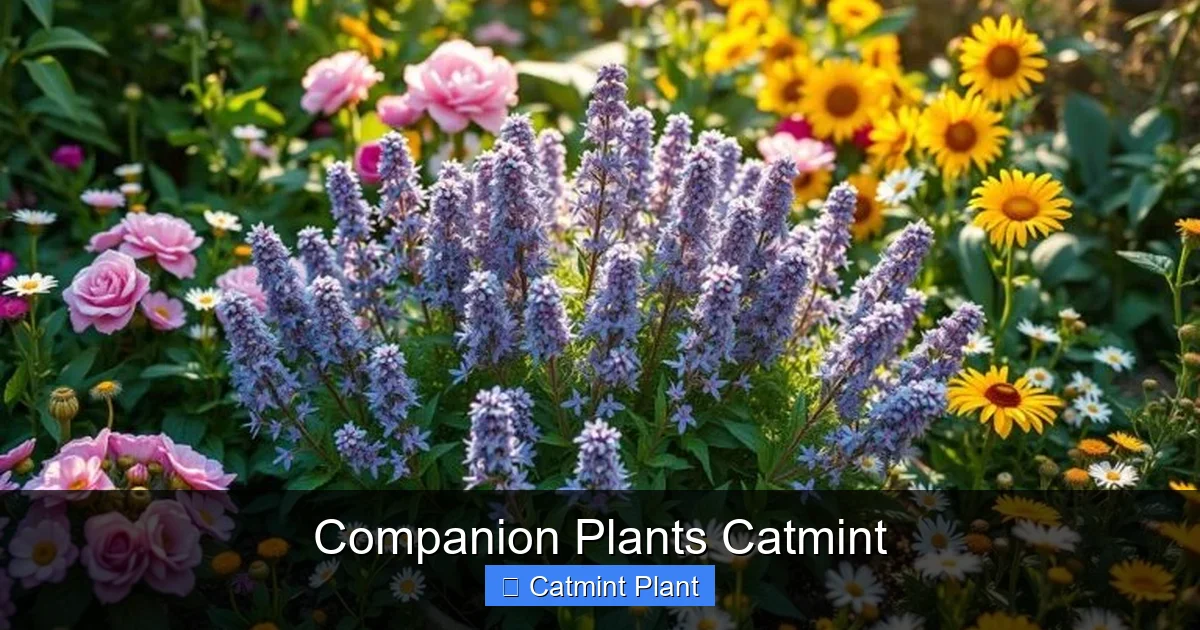
Companion Plants Catmint
Companion plants catmint create a thriving, low‑maintenance garden by pairing catmint with herbs and flowers that share similar needs. This guide shows you the top partners, design tips, and seasonal care for a beautiful, pest‑resistant bed.
Key Takeaways
- Catmint thrives with drought‑tolerant herbs: Lavender, rosemary, and sage share sun and water needs.
- Pollinator magnets boost yields: Salvia, echinacea, and yarrow attract bees and butterflies.
- Natural pest control: Strong scents from companion plants catmint repel aphids and flea beetles.
- Soil health improves: Deep‑rooted partners break up compacted soil and add organic matter.
- Design for continuous bloom: Stagger flowering times for color all season.
- Simple maintenance: Mulch, deadhead, and divide every few years for vigorous growth.
- Avoid common mistakes: Overcrowding, mismatched water needs, and ignoring soil pH reduce success.
Quick Answers to Common Questions
What are the best companion plants for catmint?
Lavender, salvia, yarrow, echinacea, and Russian sage are top choices because they share sun, soil, and water preferences.
How far apart should I space catmint and its companions?
Space catmint 18 to 24 inches apart; give taller partners like Russian sage 30 to 36 inches.
Do companion plants catmint need fertilizer?
Generally no. These plants thrive in lean soil; a light compost top‑dressing in spring is enough.
Can I grow catmint companions in containers?
Yes, use a large pot with good drainage and a gritty potting mix. Choose compact varieties.
When should I divide catmint clumps?
Divide every three to four years in early spring or fall for vigorous growth.
📑 Table of Contents
Why Catmint Deserves a Spot in Your Garden
Catmint is a hardy perennial that brings soft gray‑green foliage and spikes of lavender‑blue flowers. It blooms from late spring to early fall. The plant tolerates heat, drought, and poor soil. Bees and butterflies love the nectar. Deer and rabbits usually avoid it. Because of these traits, catmint works well in many garden styles.
When you add companion plants catmint, you create a mini ecosystem. The partners share sunlight, water, and soil preferences. They also help each other by confusing pests and attracting beneficial insects. This synergy means less work for you and more beauty for the garden.
In the next sections we will explore the basics of companion planting, the best partners for catmint, design ideas, benefits, and seasonal care. You will see how easy it is to build a thriving bed around this versatile herb.
Companion Planting Basics for Catmint
What Is Companion Planting
Companion planting means growing different species together for mutual benefit. The idea is simple. Some plants release chemicals that deter pests. Others attract predators that eat harmful insects. Some improve soil structure or add nutrients. When you choose the right neighbors, the whole bed performs better.
Why Catmint Is a Great Anchor
Catmint spreads slowly, forming a tidy mound. Its aromatic leaves release oils that repel many insects. The long bloom period provides a steady food source for pollinators. Because it tolerates a wide pH range, it fits into many soil types. These qualities make catmint an ideal anchor for a companion planting scheme.
Key Principles to Follow
- Match sun exposure. Catmint loves full sun. Choose partners that also thrive in six to eight hours of direct light.
- Match water needs. Catmint prefers dry to moderate moisture. Avoid water‑loving plants that need constant wet soil.
- Consider height and spread. Taller partners go to the back or center. Low‑growers fill the front.
- Stagger bloom times. This keeps color and pollinator activity continuous.
Best Companion Plants for Catmint
Lavender
Lavender shares the same Mediterranean heritage as catmint. Both love full sun, well‑drained soil, and low water. The strong fragrance of lavender adds another layer of pest deterrence. Together they create a silvery‑blue haze that looks stunning in a border.
Salvia
Salvia, especially the perennial varieties, produces spikes of blue, purple, or red flowers. It blooms at the same time as catmint. The tubular flowers attract hummingbirds and bees. Salvia’s upright habit contrasts nicely with catmint’s mounded form.
Yarrow
Yarrow offers flat clusters of white, yellow, or pink blooms. It tolerates heat and drought. Its deep roots break up compacted soil, improving drainage for catmint. Yarrow also attracts predatory wasps that hunt aphids.
Echinacea
Coneflower adds bold, daisy‑like flowers in pink, purple, or white. It blooms later in summer, extending the color show. Echinacea’s sturdy stems provide a vertical accent. The seed heads feed birds in fall.
Russian Sage
Russian sage produces airy clouds of lavender‑blue flowers on tall, silvery stems. It thrives in the same dry, sunny conditions. The fine texture contrasts with catmint’s broader leaves. Together they create a soft, romantic look.
Other Good Partners
- Thyme – low ground cover, aromatic, drought tolerant.
- Oregano – spreads gently, culinary use, same water needs.
- Catnip – close relative, similar care, extra pollinator draw.
Designing a Catmint Companion Bed
Layout Tips
Start with a sketch. Place catmint in the middle or slightly off‑center. Plant taller companions like Russian sage or salvia behind it. Use lavender and yarrow on the sides. Fill the front edge with thyme or oregano. This tiered arrangement gives each plant room to shine.
Soil and Sun Requirements
All chosen partners prefer a pH between 6.0 and 7.5. Amend heavy clay with coarse sand or grit to improve drainage. Add a thin layer of compost at planting time. Full sun is non‑negotiable. If your site gets only four hours of sun, consider shade‑tolerant alternatives instead.
Watering Strategies
Water deeply but infrequently. A soak once a week during the first season establishes roots. After that, most companions survive on rainfall alone. Mulch with shredded bark or straw to conserve moisture and suppress weeds. Avoid overhead watering; wet foliage invites fungal disease.
Spacing Guidelines
- Catmint – 18 to 24 inches apart.
- Lavender – 24 to 30 inches apart.
- Salvia – 18 to 24 inches apart.
- Yarrow – 12 to 18 inches apart.
- Echinacea – 18 to 24 inches apart.
- Russian sage – 30 to 36 inches apart.
Proper spacing prevents overcrowding, improves air flow, and reduces disease pressure.
Benefits of Companion Plants Catmint
Pest Management
The combined aromas of catmint, lavender, and rosemary confuse many garden pests. Aphids, flea beetles, and cabbage moths find it hard to locate host plants. Predatory insects like lady beetles and lacewings are drawn to the diverse flowers. This natural balance cuts the need for sprays.
Pollinator Attraction
Continuous bloom from spring to fall feeds bees, butterflies, and hummingbirds. Salvia and echinacea are especially rich in nectar. A healthy pollinator population improves fruit set on nearby vegetables and fruit trees.
Soil Health
Deep‑rooted yarrow and Russian sage pull nutrients from lower soil layers. When they die back, they return organic matter to the surface. Catmint’s shallow roots benefit from this slow‑release fertility. The mixed root zones also improve soil structure, allowing better water infiltration.
Aesthetic Appeal
The blend of silvery foliage, purple spikes, and bright daisies creates a tapestry of color and texture. The bed looks good even when not in bloom because the foliage contrasts stay interesting year‑round.
Low Maintenance
Once established, the bed needs only occasional deadheading, annual mulching, and division every three to four years. The plants are drought tolerant, so watering chores drop dramatically.
Seasonal Care and Common Pitfalls
Spring Prep
Cut back any dead stems to the ground. Apply a thin layer of compost around each plant. Divide crowded clumps of catmint and yarrow. Replant divisions at proper spacing. Water new divisions well for the first two weeks.
Summer Maintenance
Deadhead spent flowers to encourage a second flush. Monitor for any signs of powdery mildew; improve air flow if needed. Keep mulch topped up to retain moisture during heat waves. Harvest herbs like thyme and oregano regularly to keep them bushy.
Fall Clean‑up
Leave seed heads on echinacea and yarrow for birds. Cut back catmint to a few inches above ground after frost. Add a final mulch layer to protect roots over winter. Avoid heavy fertilization; these plants prefer lean soil.
Common Mistakes
- Overcrowding: Planting too close leads to competition, disease, and reduced flowering.
- Mismatched water needs: Adding moisture‑loving plants forces you to water more, stressing the drought‑tolerant companions.
- Ignoring bloom times: If all partners bloom together, you get a short show and a long gap.
- Wrong soil pH: Acidic soil can stunt lavender and catmint. Test and amend before planting.
- Neglecting division: Old clumps become woody and flower less. Divide every three to four years.
Quick Fixes
If you notice yellowing leaves, check drainage first. Add grit or raise the bed. If pests appear, spray a strong jet of water to dislodge them. For persistent issues, introduce beneficial insects like lady beetles. Keep a garden journal to track what works each year.
Conclusion
Building a garden around catmint with the right companion plants catmint is a rewarding project. You get a beautiful, fragrant bed that supports pollinators, resists pests, and asks little of your time. Start with a simple plan, choose partners that share sun and water needs, and follow the seasonal care tips. In a few seasons you will enjoy a lively, low‑maintenance oasis that showcases the best of what nature can do together.
Frequently Asked Questions
What is companion planting?
Companion planting is the practice of growing different plants together so they help each other by deterring pests, attracting beneficial insects, or improving soil conditions.
Why does catmint repel pests?
Catmint releases aromatic oils such as nepetalactone that many insects find unpleasant, reducing infestations on nearby plants.
Can I plant catmint with vegetables?
Yes, catmint works well near tomatoes, peppers, and beans because it attracts pollinators and repels common vegetable pests.
How much sun does a catmint companion bed need?
Full sun, at least six hours of direct light daily, is essential for all the recommended partners.
What soil amendments improve a catmint bed?
Adding coarse sand or grit to heavy clay improves drainage; a thin layer of compost at planting adds organic matter without making the soil too rich.
How do I prevent powdery mildew on catmint companions?
Space plants for good air flow, water at the base rather than overhead, and remove any infected leaves promptly.


