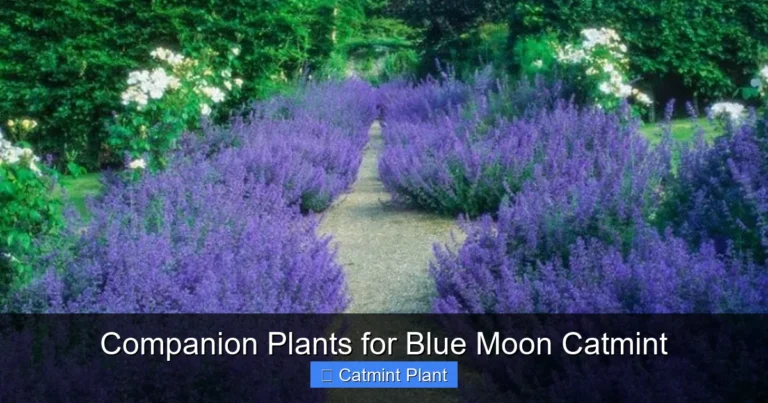
Catmint Plant Zone
Catmint thrives in USDA zones 3‑9, making it a versatile perennial for most gardens. Proper site selection, soil prep, and seasonal care ensure abundant blooms and aromatic foliage.
Catmint is a favorite perennial for many gardeners. It offers fragrant foliage and long lasting blooms. Knowing your catmint plant zone helps you pick the right spot.
This guide walks you through hardiness zones, variety selection, planting steps, and seasonal care. You will learn practical tips that work in real gardens.
Read on to master the catmint plant zone and enjoy a garden full of color and scent.
Key Takeaways
- Hardiness Range: Catmint grows well in zones 3 through 9.
- Sun Needs: Full sun gives the best flower display.
- Soil Preference: Well‑drained, slightly alkaline soil works best.
- Watering: Water deeply but infrequently once established.
- Pruning: Cut back after the first flush to encourage rebloom.
- Companion Plants: Pair with lavender, salvia, or ornamental grasses.
- Propagation: Divide clumps in early spring or take summer cuttings.
Quick Answers to Common Questions
What is the best catmint plant zone for beginners?
Zones 5 to 7 offer a forgiving climate with mild winters and long growing seasons.
Can catmint survive in zone 3?
Yes, hardy cultivars like ‘Blue Wonder’ tolerate zone 3 with proper mulch.
How often should I water established catmint?
Water deeply once a week during dry spells; reduce in rainy periods.
When should I deadhead catmint?
Remove spent spikes as soon as they fade to encourage a second bloom.
Is catmint deer resistant?
Catmint’s strong scent deters most deer and rabbits.
📑 Table of Contents
Understanding Your Catmint Plant Zone
What Are Hardiness Zones
Hardiness zones are geographic bands that show the average minimum winter temperature. The USDA map divides North America into 13 zones. Each zone differs by 10 degrees Fahrenheit. Gardeners use these zones to choose plants that survive local winters. The catmint plant zone falls mainly in zones 3 to 9. This wide range makes catmint a flexible choice for many climates.
Catmint Plant Zone Range
The catmint plant zone covers a broad temperature span. In zone 3 the winter low can reach minus 40 degrees Fahrenheit. In zone 9 the low rarely drops below 20 degrees Fahrenheit. Catmint tolerates both extremes because it has a deep root system. The plant goes dormant in cold months and returns vigorously in spring. Knowing your exact zone helps you time planting and mulching.
Why the Zone Matters
Zone determines when the ground freezes and thaws. It also influences the length of the growing season. In cooler zones catmint may bloom later. In warmer zones it can bloom earlier and longer. Matching the catmint plant zone to your garden ensures strong stems and abundant flowers. Ignoring zone data can lead to winter kill or poor performance.
Selecting the Right Variety
Popular Cultivars
There are many catmint cultivars on the market. ‘Walker’s Low’ is a compact form with lavender blue flowers. ‘Six Hills Giant’ grows taller and produces large spikes. ‘Blue Wonder’ offers intense blue color and a tidy habit. ‘Cat’s Pajamas’ is a dwarf variety perfect for containers. Each cultivar has a slightly different hardiness rating.
Matching Varieties to Zones
Check the label for the recommended catmint plant zone. ‘Walker’s Low’ is rated for zones 4 to 8. ‘Six Hills Giant’ performs best in zones 5 to 9. ‘Blue Wonder’ handles zones 3 to 8. ‘Cat’s Pajamas’ thrives in zones 5 to 9. Selecting a cultivar that matches your zone reduces risk of winter loss.
Example in Zone 5
In zone 5 the average low is minus 20 degrees Fahrenheit. ‘Walker’s Low’ survives this cold with a thick mulch layer. Plant it in early spring after the last frost. Space plants 18 inches apart for good air flow. The result is a neat mound of fragrant foliage and steady summer blooms.
Preparing the Site and Planting
Sunlight Needs
Catmint loves full sun. At least six hours of direct light produces the strongest stems. In hotter zones a little afternoon shade can prevent leaf scorch. Observe your garden throughout the day to find the sunniest spot. A sunny location also reduces fungal diseases.
Soil and Drainage
Well drained soil is essential for catmint. Heavy clay holds water and leads to root rot. Sandy loam with a pH near 7.0 is ideal. Test your soil with a simple kit. Amend heavy soils with coarse sand or compost to improve drainage. Good drainage keeps the catmint plant zone healthy year after year.
Planting Steps
Dig a hole twice as wide as the root ball. Place the plant so the crown sits at soil level. Backfill with amended soil and firm gently. Space plants 18 to 24 inches apart depending on the cultivar. Proper spacing prevents crowding and promotes air circulation. Water deeply after planting. Keep the soil evenly moist for the first four weeks. After establishment reduce watering to once a week unless rain provides enough.
Seasonal Care and Maintenance
Spring Feeding
Apply a light side dressing of compost in early spring. Mulch with shredded bark to conserve moisture and suppress weeds. Keep mulch a few inches away from the crown to avoid rot. Spring care sets the stage for a strong bloom cycle.
Summer Deadheading
Remove spent flower spikes as soon as they fade. Deadheading encourages a second flush of blooms. Use clean scissors to cut just above a leaf node. Regular deadheading keeps the plant tidy and extends the flowering season.
Fall Clean Up
Cut back foliage to about six inches after the first hard frost. Apply a thick layer of straw or leaves over the crown. In zones 3 and 4 add an extra burlap wrap for wind protection. Proper winter prep helps the catmint plant zone survive the coldest months.
Winter Protection
In very cold zones add a layer of evergreen boughs over the mulch. This extra insulation prevents freeze‑thaw cycles that damage roots. Remove the boughs in early spring before new growth appears. Consistent protection yields vigorous spring emergence.
Troubleshooting Common Problems
Pests and Diseases
Catmint is relatively pest free. Aphids may appear on new growth. Spray with a strong jet of water or use insecticidal soap. Powdery mildew can develop in humid, shaded spots. Improve air flow and avoid overhead watering to prevent it.
Leggy Growth
Insufficient light causes tall, weak stems. Move the plant to a sunnier location or thin nearby shrubs. Pinch back early growth to promote bushier habit. Staking may be needed for very tall cultivars in windy sites.
Overwatering Signs
Yellowing leaves and mushy roots indicate too much water. Reduce irrigation and improve drainage. Allow the top inch of soil to dry between waterings. Healthy roots are firm and white.
Conclusion
Understanding your catmint plant zone is the first step to a thriving garden. Choose a cultivar that matches your zone. Prepare a sunny, well drained site. Plant at the right time and water wisely. Maintain with seasonal feeding, deadheading, and winter protection. Propagate to share the beauty with friends. With these practices your catmint will reward you with fragrant foliage and colorful spikes year after year.
Frequently Asked Questions
What does catmint plant zone mean?
The catmint plant zone refers to the USDA hardiness zones where catmint grows reliably. It typically spans zones 3 through 9.
How do I find my USDA zone?
Enter your zip code on the USDA Plant Hardiness Zone Map website to see your exact zone.
Can I grow catmint in containers?
Yes, dwarf varieties like ‘Cat’s Pajamas’ thrive in pots with good drainage and full sun.
Does catmint attract pollinators?
Catmint flowers are a magnet for bees, butterflies, and hummingbirds.
What soil pH does catmint prefer?
Catmint prefers a slightly alkaline soil pH around 7.0 but tolerates a range from 6.5 to 7.5.
How do I prevent catmint from becoming invasive?
Deadhead regularly, divide clumps every few years, and remove any volunteer seedlings promptly.