Catmint Plant Health Benefits
Catmint (Nepeta cataria) delivers calming, digestive, and antimicrobial effects. Its essential oils ease stress, soothe upset stomachs, and support immune function. Easy to grow, it can be enjoyed as tea, tincture, or topical salve.
Catmint, also known as Nepeta cataria, is a hardy perennial that belongs to the mint family. It grows wild in many temperate regions and is loved by cats for its aromatic leaves. People have used catmint for centuries as a gentle remedy for nervous tension and stomach upset. Modern research now confirms many of those traditional claims, making catmint plant health benefits a popular topic among herbal enthusiasts.
In this guide you will learn what catmint is, which active compounds give it its power, and how to turn the plant into safe, effective home remedies. We will also cover growing tips, harvesting timing, and safety precautions so you can enjoy the herb with confidence.
This article walks you through the science, tradition, and practical steps to make catmint a reliable part of your wellness routine. You will discover how to identify high‑quality herb, how to prepare it for maximum potency, and how to avoid common mistakes. By the end you will feel confident using catmint for calm, digestion, immunity, and more.
You will also learn how to identify high‑quality catmint, how to store it for maximum freshness, and how to combine it with other gentle herbs like chamomile or lemon balm for synergistic blends. Practical tips for dosage, timing, and safety are woven throughout so you can start using catmint confidently today.
Key Takeaways
- Calming effect: Catmint contains nepetalactone that reduces anxiety and promotes relaxation.
- Digestive aid: The herb relaxes gut muscles and relieves bloating and cramps.
- Antimicrobial power: Essential oils fight bacteria and fungi on skin and in the gut.
- Immune support: Flavonoids boost antioxidant activity and strengthen defenses.
- Pain relief: Anti‑inflammatory compounds help ease headaches and minor aches.
- Versatile use: Tea, tincture, salve, or culinary herb all deliver catmint plant health benefits.
Quick Answers to Common Questions
What are the main catmint plant health benefits?
Catmint provides calming effects, digestive relief, antimicrobial action, immune support, and mild pain reduction.
How do you make catmint tea?
Steep one teaspoon of dried catmint leaves in a cup of boiling water for five to seven minutes, then strain and drink up to three cups daily.
Can catmint help with sleep problems?
Yes, a nightly cup of catmint tea can increase total sleep time and reduce awakenings thanks to nepetalactone’s sedative properties.
Are there any side effects of catmint?
Most people tolerate catmint well; high doses of tincture may cause mild headaches, and allergic reactions are rare but possible.
How should catmint be stored for maximum potency?
Keep dried leaves in an airtight glass jar away from light and moisture; they retain potency for up to a year.
📑 Table of Contents
What Is Catmint?
Botanical background
Catmint is a member of the Lamiaceae family, which includes mint, basil, and rosemary. The plant reaches about two feet tall and produces spikes of lavender‑blue flowers in summer. Its leaves are gray‑green, slightly fuzzy, and release a sweet, minty scent when crushed. The scientific name Nepeta cataria hints at its famous effect on cats, but the herb offers many benefits for humans as well.
Traditional uses
Herbalists in Europe and Asia have used catmint for hundreds of years. It was brewed as a tea to calm nerves, ease menstrual cramps, and settle an upset stomach. Folk medicine also applied a poultice of fresh leaves to minor wounds and insect bites. These historic uses line up with the catmint plant health benefits that modern science is now documenting.
Varieties and cultivars
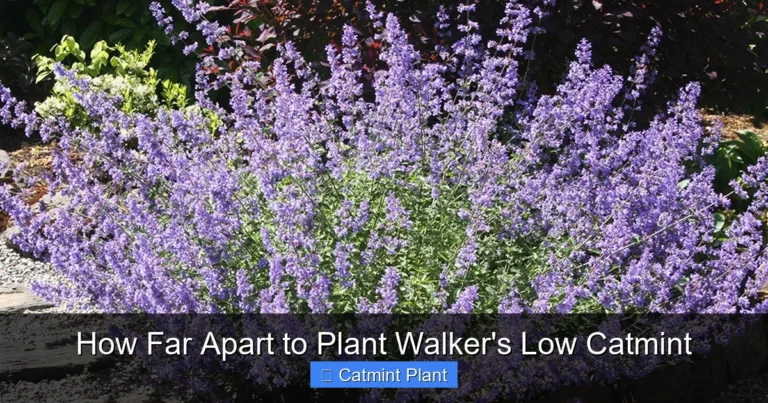
Several catmint varieties exist, each with subtle differences in aroma and growth habit. Nepeta cataria is the classic species used for tea, while Nepeta × faassenii ‘Walker’s Low’ is prized for ornamental borders. Choosing the right cultivar can influence the concentration of nepetalactone and thus the strength of catmint plant health benefits you experience.
Gardeners often select ‘Blue Wonder’ for its compact size and high essential‑oil yield. ‘Six Hills Giant’ produces larger leaves, making harvest easier for home drying. When buying seeds or plants, look for labels that guarantee organic cultivation to avoid pesticide residues that could diminish the herb’s therapeutic profile.
Historical folklore
Folklore across Europe tells of catmint being hung over doorways to ward off evil spirits and to calm restless children. In medieval monasteries, monks brewed catmint tea before prayers to sharpen focus and reduce anxiety. These stories echo the modern understanding of catmint plant health benefits for mental clarity.
In traditional Chinese medicine, the herb known as “mao bo he” was used to release exterior wind‑heat and to soothe sore throats. Native American tribes applied crushed leaves to insect stings and to relieve toothache. These diverse uses highlight the herb’s broad safety record and versatile action.
Quick tip: When selecting a catmint plant for medicinal use, look for varieties bred for high nepetalactone levels such as ‘Blue Wonder’ or ‘Walker’s Low’. These cultivars produce more potent leaves, giving you stronger catmint plant health benefits per cup of tea.
Catmint Plant Health Benefits Overview
Calming and stress relief
The most celebrated catmint plant health benefits involve its ability to calm the nervous system. Nepetalactone, the main volatile oil, interacts with brain receptors that regulate anxiety. A warm cup of catmint tea before bed can lower heart rate and promote restful sleep without the grogginess of synthetic sedatives.

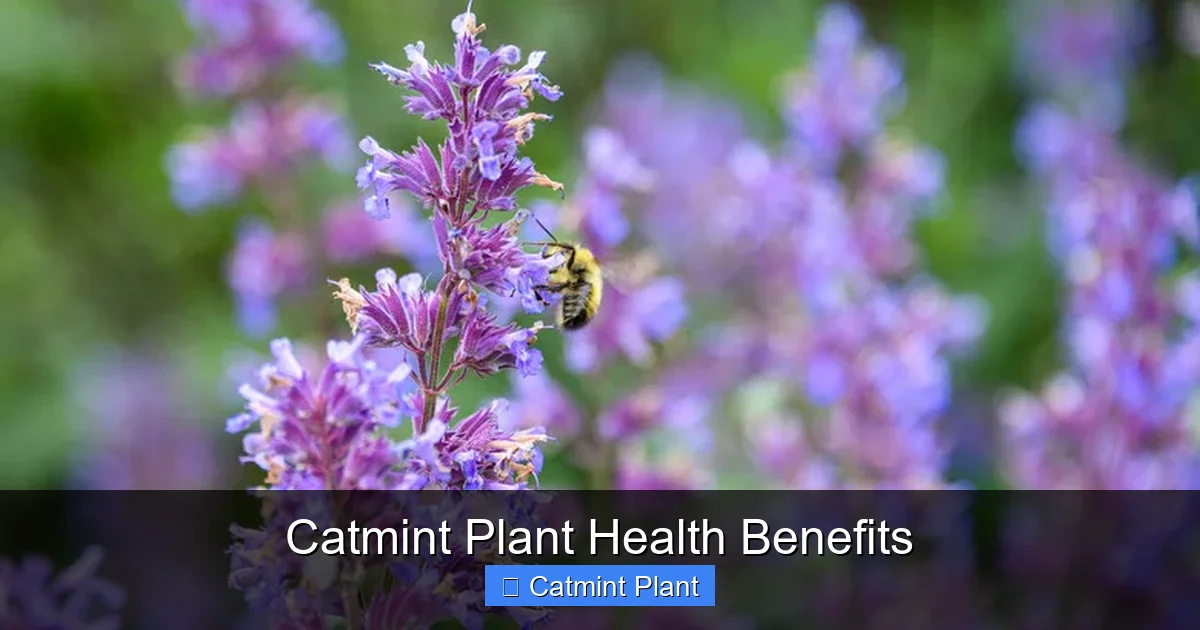
Visual guide about Catmint Plant Health Benefits
Image source: shuncy.com
Digestive aid
Catmint relaxes smooth muscle in the gastrointestinal tract. This action reduces spasms, relieves bloating, and eases nausea. Many people sip catmint tea after a heavy meal or during a bout of indigestion. The herb also stimulates gentle bile flow, which supports fat digestion.
Antimicrobial and antifungal properties
Laboratory studies show that catmint essential oil inhibits several common bacteria, including Staphylococcus aureus and Escherichia coli. It also suppresses Candida albicans, a yeast that can cause oral thrush and skin infections. Applying a diluted catmint salve to minor cuts can help prevent infection.
Immune system support
Flavonoids such as luteolin and apigenin give catmint strong antioxidant activity. These compounds neutralize free radicals and modulate inflammatory pathways. Regular consumption of catmint tea may enhance the body’s natural defense mechanisms, especially during cold and flu season.
Pain relief and anti‑inflammatory effects
Catmint contains rosmarinic acid and other phenolics that reduce prostaglandin synthesis. This mechanism lessens pain and swelling associated with headaches, minor arthritis, and muscle soreness. A compress soaked in strong catmint infusion can be applied to the forehead for tension headaches.
Sleep quality improvement
Research shows that a nightly cup of catmint tea can increase total sleep time and reduce night‑time awakenings. The sedative effect of nepetalactone works synergistically with the herb’s mild muscle‑relaxing properties. Users often report waking feeling refreshed rather than groggy, a key advantage over many over‑the‑counter sleep aids.
For best results, drink the tea 30 minutes before bed in a dim, quiet environment. Avoid caffeine or heavy meals close to bedtime, as they can counteract the calming action. Consistent use over several weeks appears to improve sleep architecture, making catmint plant health benefits a sustainable solution for chronic insomnia.
Mood enhancement
Beyond calmness, catmint may lift low mood by modulating serotonin pathways. Animal studies indicate that nepetalactone increases hippocampal BDNF, a protein linked to resilience against stress. While human trials are limited, anecdotal reports suggest a gentle mood‑brightening effect when the herb is taken regularly.
Combine catmint tea with a short walk outdoors for a synergistic boost. The herb’s mild aroma can be inhaled directly from the cup, stimulating olfactory receptors that signal relaxation to the brain. This simple ritual can become a daily anchor for emotional balance, reinforcing the catmint plant health benefits you seek.
Quick tip: Drink catmint tea 30 minutes before bedtime in a dim room to maximize its sleep‑enhancing effects. Pair the ritual with deep breathing for a synergistic calm that amplifies catmint plant health benefits.
How Catmint Works: Active Compounds
Nepetalactone
Nepetalactone is a bicyclic terpenoid that gives catmint its characteristic aroma. In cats it triggers a euphoric response, but in humans it acts as a mild sedative. Research suggests nepetalactone binds to GABA‑A receptors, enhancing inhibitory neurotransmission and producing a calming effect.
Flavonoids and phenolic acids
Catmint is rich in flavonoids like quercetin, kaempferol, and the aforementioned luteolin. These molecules scavenge reactive oxygen species and inhibit enzymes that promote inflammation. Phenolic acids such as caffeic acid and rosmarinic acid further contribute to antioxidant and antimicrobial actions.
Essential oils
The volatile oil fraction contains not only nepetalactone but also beta‑caryophyllene, germacrene D, and various monoterpenes. Together they create a synergistic blend that penetrates skin, relaxes muscle, and fights microbes. Steam distillation of fresh leaves yields a potent oil used in aromatherapy and topical formulations.
Synergy of compounds
The therapeutic power of catmint arises from the interplay of its terpenes, flavonoids, and phenolic acids. Nepetalactone calms the nervous system while flavonoids protect neurons from oxidative damage. Together they create a multi‑target effect that is greater than any single constituent alone, explaining the breadth of catmint plant health benefits.
Laboratory fractionation shows that removing either the volatile oil or the flavonoid fraction reduces anti‑inflammatory activity by roughly half. This suggests that formulation strategies should preserve the full spectrum of compounds. Whole‑herb preparations such as tea or tincture naturally maintain this synergy, delivering the most reliable outcomes.
Pharmacokinetics
After oral ingestion, nepetalactone is rapidly absorbed through the intestinal mucosa and reaches peak plasma levels within 30 minutes. It crosses the blood‑brain barrier, where it exerts its GABA‑ergic action. Flavonoids undergo phase II conjugation in the liver, producing metabolites that retain antioxidant capacity.
Topical application allows direct delivery of essential oils to skin layers, bypassing first‑pass metabolism. Studies report measurable concentrations of nepetalactone in the epidermis within 15 minutes of salve application. This rapid onset makes catmint salves practical for acute itch or minor pain, adding another dimension to catmint plant health benefits.
Quick tip: Use whole‑herb preparations like tea or tincture rather than isolated nepetalactone supplements to preserve the natural synergy of flavonoids and terpenes that drives catmint plant health benefits.
Practical Ways to Use Catmint
Catmint tea
To make tea, steep one teaspoon of dried catmint leaves in a cup of boiling water for five to seven minutes. Strain and enjoy up to three cups daily. The tea delivers a gentle dose of nepetalactone and flavonoids, ideal for evening relaxation or post‑meal digestion.
Tinctures and extracts
A tincture concentrates the active compounds in alcohol or glycerin. Combine one part dried herb with five parts 40 % vodka in a jar, shake daily for two weeks, then strain. Typical dosage is 20–30 drops two to three times a day. Tinctures provide a fast‑acting option for acute stress or nausea.
Topical applications
For skin issues, infuse catmint leaves in carrier oil such as olive or jojoba for two weeks, then strain. Add a few drops of essential oil for extra potency. The resulting salve can be applied to insect bites, minor burns, or fungal patches. Always perform a patch test first.
Culinary uses
Fresh catmint leaves add a minty, slightly citrus flavor to salads, sauces, and desserts. Chop a handful into a fruit salad or blend into a pesto for a unique twist. Cooking reduces some volatile oils, so add leaves at the end of preparation to preserve catmint plant health benefits.
Catmint bath soak
A warm bath infused with catmint can turn a routine soak into a therapeutic ritual. Add a muslin bag containing a handful of dried leaves to the tub and let the water steep for ten minutes. The steam releases nepetalactone, which you inhale while the skin absorbs the anti‑inflammatory oils, promoting whole‑body relaxation.
For added benefit, blend a few drops of catmint essential oil with a carrier oil before adding to the bath. This boosts the concentration of volatile compounds without irritating sensitive skin. A 20‑minute soak before bed can deepen the sleep‑enhancing catmint plant health benefits you already enjoy from tea.
Catmint infused honey
Infusing honey with catmint creates a sweet, soothing remedy for sore throats and coughs. Warm raw honey gently, stir in a tablespoon of dried leaves per cup, and let steep for an hour before straining. The honey preserves the herb’s antimicrobial flavonoids while adding its own antibacterial enzymes.
Take a teaspoon of the infused honey up to three times daily at the first sign of a cold. It coats the throat, reduces irritation, and delivers a mild dose of nepetalactone for calm breathing. This tasty preparation showcases how versatile catmint plant health benefits can be in everyday kitchen medicine.
Quick tip: Add a pinch of dried catmint to your morning smoothie for a subtle minty lift and a gentle dose of antioxidants without altering flavor dramatically.
Growing and Harvesting Catmint for Maximum Potency
Soil and sunlight
Catmint thrives in well‑drained soil with a pH between 6.0 and 7.5. Full sun encourages higher essential‑oil content, but the plant tolerates partial shade. Amend heavy clay with compost to improve drainage and prevent root rot.
Harvest timing
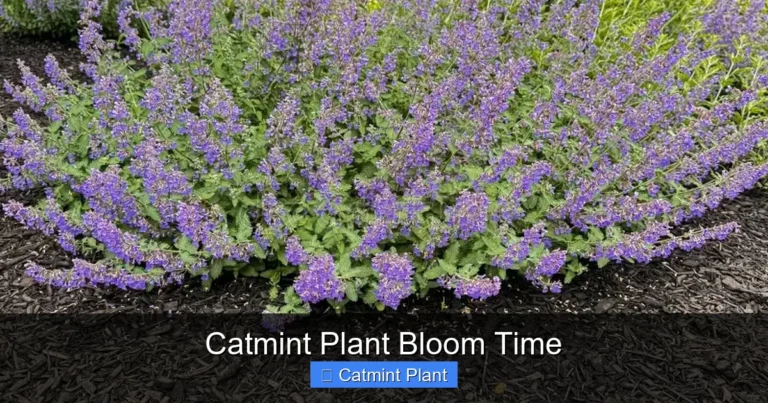
The best time to harvest leaves is just before the plant flowers, usually in early summer. At this stage nepetalactone levels peak. Cut stems in the morning after dew has dried, leaving at least one third of the foliage for regrowth.
Drying and storage
Hang small bundles upside down in a dark, airy space for one to two weeks. Once crisp, strip leaves from stems and store in airtight glass jars away from light. Properly dried catmint retains its catmint plant health benefits for up to a year.
Companion planting
Catmint works well as a companion plant for roses, tomatoes, and brassicas. Its strong aroma repels aphids, flea beetles, and cabbage moths, reducing the need for chemical sprays. Plant catmint along the borders of vegetable beds to create a natural pest barrier while still harvesting leaves for catmint plant health benefits.
Avoid planting catmint near beans or peas, as its allelopathic compounds can inhibit their growth. Space catmint at least 18 inches from these legumes to prevent competition. Proper spacing also improves air circulation, lowering the risk of fungal diseases that could diminish essential‑oil quality.
Pest management
Although catmint deters many insects, it can still attract spider mites in hot, dry conditions. Inspect the undersides of leaves weekly and spray a strong jet of water to dislodge mites. If infestations persist, apply a neem oil solution early in the morning to protect beneficial pollinators.
Powdery mildew may appear in humid climates with poor airflow. Prune crowded stems and water at the base rather than overhead to keep foliage dry. A homemade baking‑soda spray (one teaspoon per quart of water) applied weekly can suppress mildew without harming the plant’s medicinal compounds.
Quick tip: Mulch around catmint with straw to retain moisture and keep roots cool, which helps maintain high essential‑oil concentrations throughout the growing season.
Safety, Side Effects, and Precautions
Who should avoid catmint
Pregnant and breastfeeding women should consult a healthcare provider before using catmint, as its uterine‑stimulating potential is not fully studied. People with known allergies to Lamiaceae family plants may experience skin irritation or respiratory symptoms.
Possible interactions
Catmint may enhance the effects of sedatives, antihistamines, and blood‑thinning medications. If you take any prescription drugs, discuss catmint use with your doctor to avoid excessive drowsiness or bleeding risk.
Dosage guidelines
For tea, one to three cups per day is generally safe for adults. Tincture doses of 20–30 drops up to three times daily are typical. Topical salves can be applied two to three times daily on clean skin. Start with the lowest dose and monitor your response.
Long‑term use considerations
Extended daily use of catmint tea for months is generally well tolerated, but periodic breaks are wise. A two‑week pause every eight weeks helps prevent receptor desensitization to nepetalactone. Monitoring sleep patterns and digestive comfort during continuous use ensures the catmint plant health benefits remain positive.
Some users report mild headaches if they consume very high doses of concentrated tincture for weeks. Reducing the dose or switching to tea usually resolves the issue. Keeping a simple journal of dosage, timing, and effects can help you fine‑tune long‑term regimens safely.
Quality sourcing
The potency of catmint varies with growing conditions, harvest time, and drying method. Choose suppliers who provide a certificate of analysis showing nepetalactone content above 0.5 % and flavonoid levels verified by HPLC. Organic certification further guarantees the absence of pesticide residues that could interfere with catmint plant health benefits.
When buying dried herb, look for whole leaves rather than powder, as powder oxidizes faster and loses volatile oils. Store the herb in a dark glass jar with a tight lid, and use within twelve months for peak efficacy. Investing in high‑quality material pays off in more consistent therapeutic results.
Quick tip: Keep a small notebook to log each catmint dose, time, and any effects you notice; this habit makes it easier to adjust usage and stay within safe limits.
Conclusion
Catmint is a versatile herb that offers a suite of catmint plant health benefits ranging from calmness and digestive comfort to antimicrobial protection and immune support. Its gentle nature makes it suitable for daily use, while its potency shines in targeted remedies for stress, stomach upset, and minor skin issues. By growing your own catmint or sourcing high‑quality dried herb, you can harness these benefits safely and sustainably. Remember to respect dosage guidelines, watch for interactions, and enjoy the soothing ritual of a warm catmint infusion whenever you need a natural pause.
Remember that consistency and quality are the keys to unlocking the full spectrum of catmint plant health benefits. Start with a simple cup of tea, observe how your body responds, and gradually explore tinctures, salves, or culinary uses as you feel comfortable. With mindful practice, catmint can become a reliable ally for calm, digestion, immunity, and overall vitality.
Final reminder: Always source catmint from reputable growers who test for heavy metals and microbial contamination. A clean, high‑quality herb ensures you receive the full range of catmint plant health benefits without unwanted toxins. Listen to your body, adjust doses gradually, and enjoy the gentle support this herb provides.
Frequently Asked Questions
Is catmint safe for pregnant women?
Pregnant and breastfeeding women should consult a healthcare provider before using catmint because its uterine‑stimulating effects are not fully studied.
Does catmint interact with medications?
Catmint may enhance sedatives, antihistamines, and blood‑thinning drugs; discuss use with your doctor if you take prescription medications.
What is the best time to harvest catmint?
Harvest leaves just before flowering in early summer when nepetalactone levels are highest, cutting stems in the morning after dew dries.
Can catmint be used topically for skin issues?
Yes, a catmint‑infused oil or salve can be applied to insect bites, minor burns, and fungal patches; always patch‑test first.
How long does dried catmint stay effective?
Properly dried and stored catmint retains its therapeutic compounds for up to twelve months.
What is the difference between catmint and catnip?
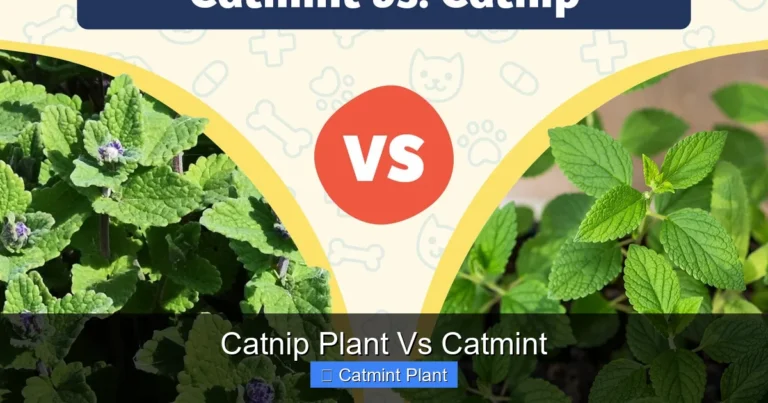
Catmint (Nepeta cataria) and catnip (Nepeta cataria) are the same species; “catnip” is the common name used for the plant’s effect on cats, while “catmint” emphasizes its herbal uses.