Catmint Plant Cut Back
Catmint plant cut back keeps the plant compact, encourages a second flush of blooms, and prevents woody stems. Do it in early spring or right after the first bloom for the best results.
A regular catmint plant cut back keeps the plant tidy and encourages fresh growth. Catmint is a hardy perennial that can become leggy if left alone. This guide walks you through every step.
When you schedule a catmint plant cut back you improve air flow and reduce disease pressure. The plant responds with a burst of new shoots and more flowers. You will see a noticeable difference in just a few weeks.
In the next sections you will learn why a catmint plant cut back matters, when to do it, which tools to use, a step‑by‑step method, and how to care for the plant afterwards.
Key Takeaways
- Timing: Cut in early spring or after the first bloom.
- Tools: Use sharp, clean pruners and wear gloves.
- Technique: Remove dead stems, then shape lightly.
- Height: Leave about one‑third of the growth.
- Aftercare: Water deeply, mulch, and apply a light feed.
- Frequency: An annual catmint plant cut back keeps the plant vigorous.
Quick Answers to Common Questions
When is the best time to catmint plant cut back?
Early spring before new growth or right after the first bloom are ideal.
What tools do I need for a catmint plant cut back?
Sharp bypass pruners, gloves, and a disinfectant spray are the basics.
How much of the plant should I remove during a catmint plant cut back?
Cut back about one‑third of the height and remove all dead stems.
Can I catmint plant cut back in the fall?
A light fall clean‑up is fine, but avoid heavy cuts before winter.
What aftercare helps a catmint plant cut back recover quickly?
Water deeply, mulch, and apply a light balanced fertilizer.
📑 Table of Contents
Why catmint plant cut back Matters
Health Benefits of a Regular catmint plant cut back
A catmint plant cut back removes crowded stems and opens the canopy for light and air. Better airflow lowers the chance of fungal problems like powdery mildew. The plant can then direct energy to strong, healthy shoots instead of fighting infection. You will notice greener leaves and sturdier stems after each trim.
Encouraging More Blooms with catmint plant cut back
A catmint plant cut back right after the first flush forces the plant to produce a second wave of flowers. The removal of spent blooms signals the plant to set new buds. This trick extends the flowering season well into late summer. Gardeners love the extra color without extra planting.
Preventing Woody Growth via catmint plant cut back
A catmint plant cut back prevents the base from turning woody and brittle. Woody stems do not produce leaves or flowers and can snap under wind. By cutting back each year you keep the plant herbaceous and flexible. This habit also makes future pruning easier because the stems stay thin.
When to catmint plant cut back
Early Spring Timing for catmint plant cut back
The best window for a catmint plant cut back is early spring before new growth emerges. At this time the plant is still dormant and the cuts heal quickly. You can see the old framework clearly and decide what to remove. A spring trim sets the stage for a vigorous season.

Visual guide about Catmint Plant Cut Back
Image source: housedigest.com
Post‑Bloom Window for catmint plant cut back
If you miss the spring window, a catmint plant cut back right after the first bloom works well. The plant has finished its initial flowering cycle and is ready to redirect energy. Cutting at this point encourages a fresh set of buds for a late‑summer show. Timing is flexible but avoid cutting during extreme heat.
Fall Clean‑Up and catmint plant cut back
A light catmint plant cut back in fall removes dead foliage and prepares the crown for winter. Do not cut too low; leave a few inches of stem to protect the crown. This tidy‑up reduces overwintering pests and diseases. The plant will emerge cleaner in spring.
Tools for a Clean catmint plant cut back
Choosing Sharp Pruners for catmint plant cut back
Sharp bypass pruners are the top choice for a catmint plant cut back because they make clean cuts that heal fast. Dull blades crush stems and invite disease. Clean the blades with alcohol before you start. A good pair lasts many seasons with minimal maintenance.
Gloves and Disinfectant for catmint plant cut back
Wear sturdy garden gloves during a catmint plant cut back to protect your hands from scratches and sap. Keep a small spray bottle of diluted bleach or horticultural disinfectant handy. Wipe the blades between plants to stop the spread of pathogens. This simple habit saves trouble later.
Optional Loppers for Large catmint plant cut back
If your catmint has thick, woody stems a pair of loppers helps with a catmint plant cut back on larger branches. Choose loppers with a ratchet mechanism for extra leverage. Use them only on stems thicker than a pencil. For most garden plants pruners are enough.
Step‑by‑Step catmint plant cut back Guide
Inspect the Plant Before catmint plant cut back
Walk around the clump and look for dead, damaged, or crossing stems before you begin a catmint plant cut back. Mark the stems you plan to remove with a piece of twine. This visual guide prevents accidental cuts of healthy growth. A quick inspection saves time and reduces mistakes.
Remove Dead Stems During catmint plant cut back
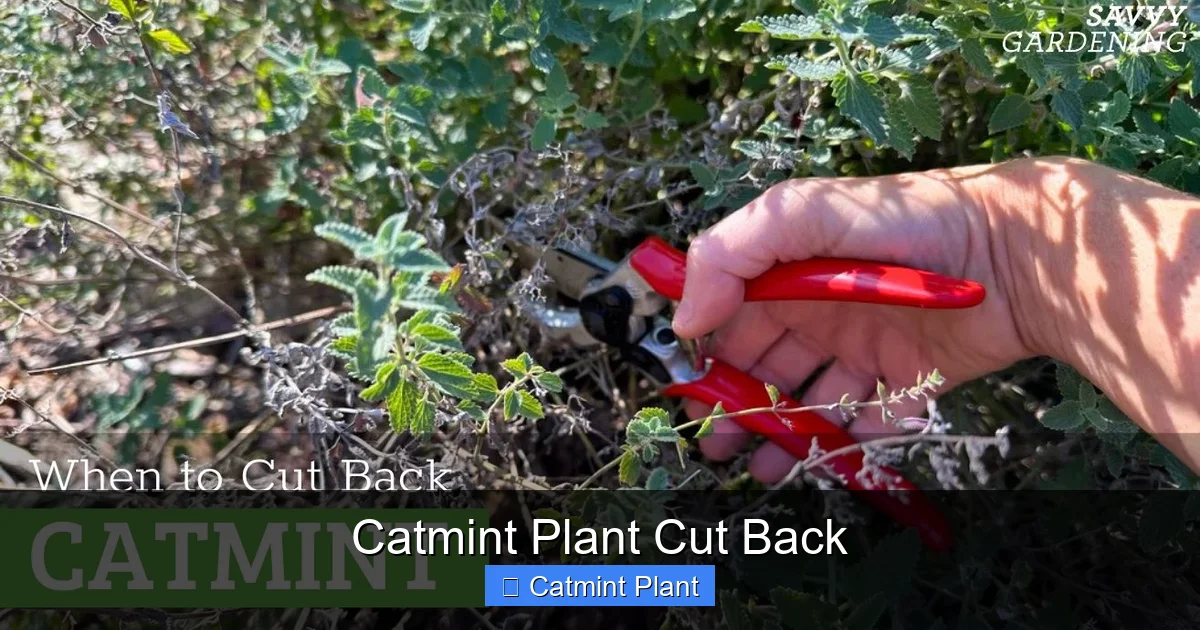
Cut each marked dead stem down to the base during a catmint plant cut back. Make the cut just above a healthy node or at ground level if the stem is completely dead. Clean cuts encourage rapid healing and new shoots. Remove all debris from the bed to keep pests away.
Shape and Thin with catmint plant cut back
After clearing dead wood, use a catmint plant cut back to shape the plant into a neat mound. Trim back about one‑third of the remaining height, focusing on the outer edges. Thin interior stems to improve light penetration. The result is a compact, attractive clump ready for fresh growth.
Aftercare After a catmint plant cut back
Watering After catmint plant cut back
Give the plant a deep soak right after a catmint plant cut back to settle the soil around the roots. Water early in the day so foliage dries before evening. Consistent moisture for the first two weeks helps the new shoots establish. Avoid waterlogging which can cause root rot.
Mulching to Protect catmint plant cut back
Spread a two‑inch layer of organic mulch around the base after a catmint plant cut back. Mulch conserves moisture, suppresses weeds, and insulates the crown during temperature swings. Keep mulch a few inches away from the stems to prevent rot. Reapply mulch each spring for best results.
Light Feeding Following catmint plant cut back
Apply a balanced, slow‑release fertilizer a week after a catmint plant cut back to give the new growth a gentle boost. A handful of compost worked into the topsoil works well too. Avoid high‑nitrogen feeds that promote leafy growth at the expense of flowers. Light feeding supports a strong bloom cycle.
Conclusion
A consistent catmint plant cut back routine keeps your catmint healthy, floriferous, and tidy year after year. Follow the timing, tools, and steps outlined above and you will enjoy a vibrant display with minimal effort. Happy gardening!
Frequently Asked Questions
How often should I perform a catmint plant cut back?
Once a year is enough for most garden catmint. An annual trim keeps the plant vigorous and prevents woody buildup.
Will a catmint plant cut back reduce the plant’s size permanently?
No, the plant regrows quickly. Regular cuts actually encourage a fuller, more compact habit.
Can I use hedge shears for a catmint plant cut back?
Hedge shears are not recommended because they tear stems. Bypass pruners give clean cuts that heal faster.
What if I cut too low during a catmint plant cut back?
Cutting into the crown can damage the plant. Leave at least a few inches of stem above the soil line.
Does a catmint plant cut back affect pollinators?
Pruning after the first bloom still leaves plenty of flowers for bees and butterflies later in the season.
Is a catmint plant cut back necessary for container‑grown catmint?
Yes, container plants benefit from the same annual trim to maintain shape and encourage blooming.