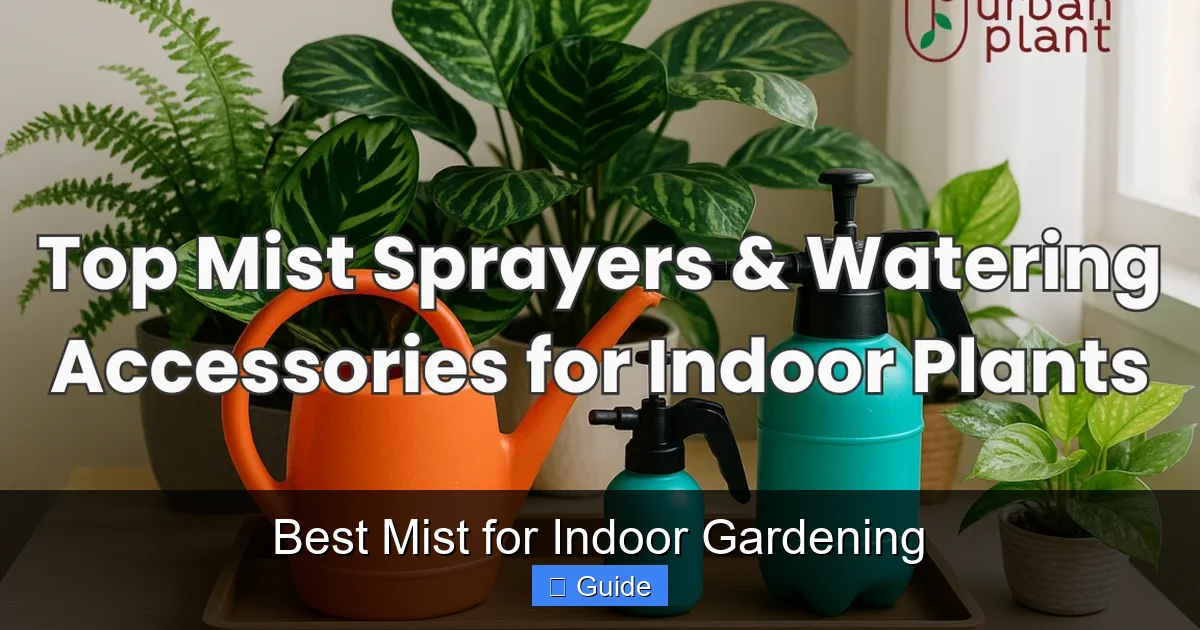
Best Mist for Indoor Gardening
Choosing the right mist can transform your indoor garden by delivering consistent humidity, preventing leaf curl, and supporting healthy growth. This guide covers system types, key features, and practical tips so you can pick the best mist for indoor gardening for your space.
Key Takeaways
- Humidity matters: Most houseplants thrive when relative humidity stays between 40% and 60%.
- System type matters: Ultrasonic, evaporative, and pressurized misters each have distinct pros and cons.
- Coverage area: Match the mist output to the size of your plant collection.
- Adjustable settings: Variable flow and timer functions give you precise control.
- Easy maintenance: Look for removable tanks and anti-mineral filters to reduce cleaning time.
- Budget friendly options: Quality misting does not have to cost a fortune; many affordable units perform well.
Quick Answers to Common Questions
What is the best mist for indoor gardening?
The best mist for indoor gardening depends on your space, plant types, and budget. Ultrasonic models are quiet and fine, while evaporative units cover larger areas.
How often should I mist my indoor plants?
Most tropical plants benefit from misting twice a day, morning and evening, for about 30 seconds each session.
Can I use tap water in my mister?
Tap water can leave mineral dust and clog nozzles. Distilled or filtered water is recommended for the best mist for indoor gardening.
Do I need a timer on my misting system?
A timer automates the schedule and ensures consistent humidity, especially when you are away. It is a valuable feature for the best mist for indoor gardening.
How do I clean a clogged mister nozzle?
Soak the nozzle in white vinegar for 15 minutes, then rinse thoroughly. Regular cleaning keeps the best mist for indoor gardening performing well.
📑 Table of Contents
Why Mist Matters for Indoor Plants
Indoor air is often dry. Heating and cooling strip moisture from the air. Dry air stresses plants. Leaves curl. Growth slows. A good mist adds humidity fast. It mimics a tropical breeze. The best mist for indoor gardening delivers fine droplets that settle on leaves. This raises local humidity without soaking the soil. Consistent humidity helps photosynthesis. It also reduces pest pressure. Spider mites hate moist air. A regular mist routine can keep your plants happy year round.
Many beginners think watering the soil is enough. But roots only take up water from the soil. Leaves also need moisture from the air. When the air is dry, leaves lose water through transpiration faster than roots can replace it. This creates a deficit. The best mist for indoor gardening closes that gap. A quick spray in the morning and evening can make a big difference. You will see shinier leaves and stronger stems.
Humidity also affects nutrient uptake. When the air is too dry, stomata close to conserve water. Closed stomata limit carbon dioxide intake. This slows growth. A fine mist keeps stomata open. The best mist for indoor gardening supports steady growth even in winter. You can run a small mister on a timer. Set it for two short bursts each day. Your plants will thank you.
Types of Misting Systems
Ultrasonic Misters
Ultrasonic misters use high-frequency vibrations to create a cool fog. They are quiet. They use little electricity. The mist is very fine. This makes them ideal for delicate foliage. The best mist for indoor gardening often comes from an ultrasonic unit. However, they can leave white mineral dust if you use tap water. Using distilled water solves this. Clean the transducer weekly for best performance.
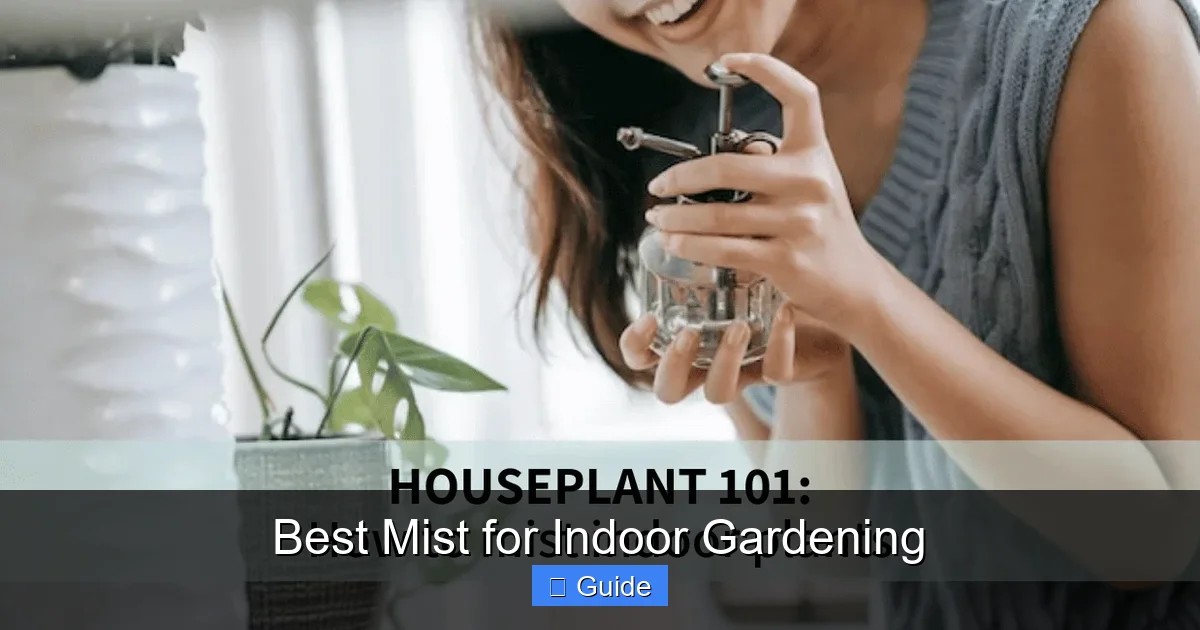
Visual guide about Best Mist for Indoor Gardening
Image source: houseplantsclub.com
Evaporative Misters
Evaporative misters blow air through a wet wick. The air picks up moisture as it passes. These units are simple and affordable. They add humidity gradually. The best mist for indoor gardening from an evaporative model is a steady stream rather than a fog. They work well in larger rooms. The wick needs replacement every few months. Keep the water tank clean to avoid mold.
Pressurized Spray Bottles
Pressurized spray bottles are manual. You pump the handle and press a trigger. They give you total control over where the mist goes. They are cheap and portable. The best mist for indoor gardening can be a handheld bottle for spot treatment. Use them for seedlings or for a quick boost before a photo. They require effort for large collections. Refill often to keep the spray consistent.
Choosing the Right Mist for Your Space
Room Size and Plant Count
Measure the square footage of your growing area. Count the number of plants. A small desktop garden needs a tiny mister. A room-scale jungle needs a high-output unit. The best mist for indoor gardening matches output to volume. Check the manufacturer’s coverage rating. Choose a model that covers at least 20% more than your space. This gives a safety margin.
Plant Sensitivity
Some plants love constant moisture. Ferns, orchids, and calatheas thrive with frequent mist. Succulents and cacti prefer dry air. The best mist for indoor gardening lets you adjust the frequency. Look for a timer or a humidity sensor. Set low for succulents. Set high for tropicals. This prevents over-mist which can cause rot.
Water Quality
Tap water contains minerals. Those minerals become white dust on leaves. They can also clog nozzles. The best mist for indoor gardening works best with distilled or filtered water. If you must use tap water, clean the unit more often. A simple vinegar soak removes buildup. This keeps the mist fine and the unit running smoothly.
Top Features to Look For
Adjustable Flow Rate
Flow rate controls how much mist leaves the nozzle. Low flow is good for delicate leaves. High flow covers large areas fast. The best mist for indoor gardening offers a dial or digital setting. You can fine-tune the output for each plant group. This saves water and electricity.
Built-In Timer
A timer automates the mist schedule. You set start time, duration, and interval. The unit runs without you. The best mist for indoor gardening includes a 24-hour programmable timer. Some models sync with a phone app. This is handy when you travel. Your plants stay humid even when you are away.
Humidity Sensor
An integrated sensor reads room humidity. The mister turns on only when humidity drops below a set point. This prevents over-humidification. The best mist for indoor gardening with a sensor saves energy. It also protects furniture from excess moisture. Look for a sensor that can be calibrated.
Easy Clean Design
Removable tanks, wide openings, and dishwasher-safe parts make cleaning simple. Mineral buildup is the main enemy of any mister. The best mist for indoor gardening features a quick-release tank. You can rinse it in seconds. A clean unit produces a finer mist and lasts longer.
How to Use Mist Effectively
Morning and Evening Routine
Mist early in the morning. This mimics dew. Mist again in the early evening. Avoid misting late at night. Wet leaves overnight can invite fungal disease. The best mist for indoor gardening follows a twice-daily schedule. Keep each burst short, about 30 seconds. This gives enough moisture without soaking.
Target the Leaf Underside
Stomata are mostly on the underside of leaves. Aim the mist there for maximum uptake. The best mist for indoor gardening directs a fine spray upward. Hold the nozzle 12 to 18 inches away. Move slowly across the canopy. This ensures even coverage.
Combine with Air Circulation
Stagnant air traps moisture and encourages mold. Run a small fan on low after misting. The best mist for indoor gardening works best with gentle airflow. The fan dries excess droplets while keeping humidity high. This balance keeps leaves healthy.
Monitor Plant Response
Watch for signs of too much or too little mist. Yellow edges can mean over-mist. Crispy tips can mean under-mist. Adjust the timer or flow accordingly. The best mist for indoor gardening is a tool you tune over time. Keep a simple log of settings and plant health. Small changes make big results.
Maintenance and Troubleshooting
Regular Cleaning Schedule
Empty the tank daily. Rinse with clean water. Once a week soak the nozzle in vinegar for 15 minutes. Rinse thoroughly. The best mist for indoor gardening stays efficient with a clean nozzle. A clogged nozzle sputters and wastes water.
Filter Replacement
Many units have a mineral filter. Replace it every two to three months. The best mist for indoor gardening includes a filter indicator light. Follow the manufacturer’s schedule. A fresh filter keeps mist pure and protects the motor.
Common Issues
If the mist is weak, check for mineral buildup. Clean the transducer or wick. If the unit leaks, tighten the tank seal. If the timer fails, reset the power. The best mist for indoor gardening comes with a troubleshooting guide. Keep the manual handy. Most problems are solved in minutes.
Seasonal Adjustments
Winter air is drier. Increase mist frequency or flow. Summer air may be humid enough. Reduce mist to avoid excess moisture. The best mist for indoor gardening adapts to the season. A humidity sensor automates this. Manual adjustments work fine too.
Choosing the best mist for indoor gardening is a game changer for any plant lover. You have learned why humidity matters, what types of misters exist, and how to pick the right features. You now know how to set a simple routine and keep your unit clean. Start with a small ultrasonic mister if you are new. Upgrade to a timer-controlled model as your collection grows. Remember to use distilled water and clean the nozzle weekly. Your plants will reward you with lush growth and vibrant color. Happy misting!
Frequently Asked Questions
What humidity level is ideal for most houseplants?
Most houseplants thrive at 40% to 60% relative humidity. A good mister helps maintain this range.
Are ultrasonic misters safe for all plants?
Yes, ultrasonic misters produce a cool, fine fog that is gentle on delicate foliage. Just use distilled water to avoid mineral residue.
Can a mister replace a humidifier?
A mister adds localized humidity around plants, while a humidifier raises room humidity. They can complement each other but serve different purposes.
How do I know if my plants are getting too much mist?
Signs of over-misting include yellowing leaf edges, fungal spots, and a constantly wet soil surface. Reduce frequency if you see these symptoms.
What size mister do I need for a 10-by-12 foot room?
Choose a unit rated for at least 150 square feet. This provides a safety margin for the best mist for indoor gardening in that space.
Is it okay to mist succulents and cacti?
Succulents and cacti prefer dry air. Mist them rarely or not at all. Use a mister with adjustable flow to keep the setting low for these plants.