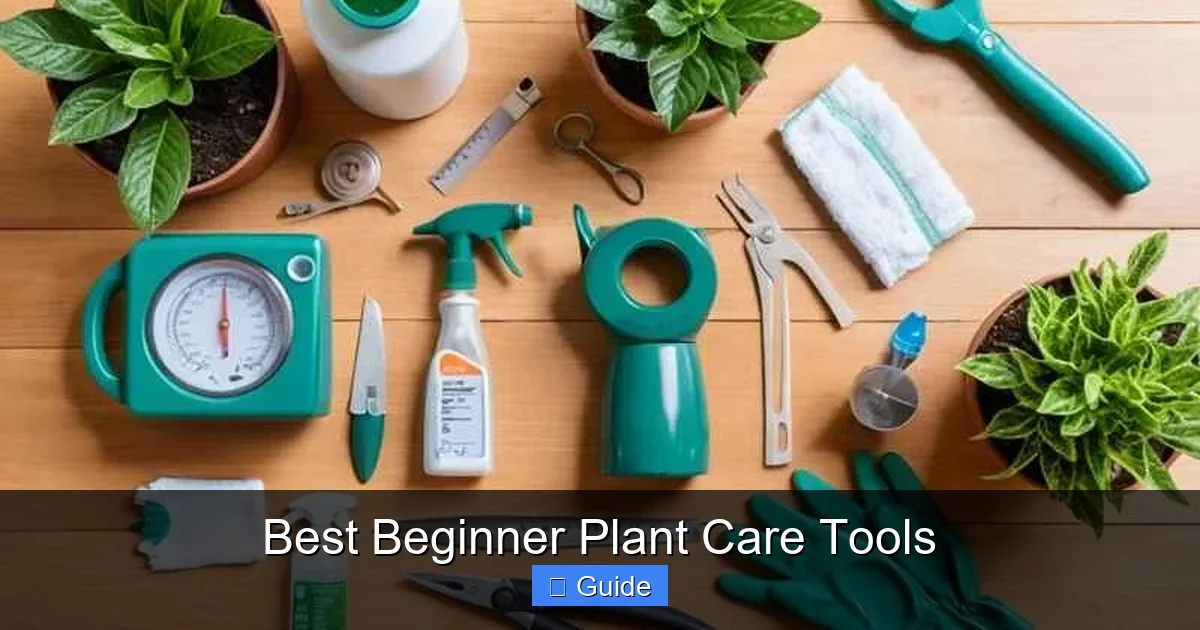
Best Beginner Plant Care Tools
Starting your plant journey? The right tools make all the difference. This guide covers the best beginner plant care tools you need for healthy, happy houseplants.
Key Takeaways
- Start simple: You only need a few basic tools to begin your plant care journey successfully
- Water wisely: A moisture meter and watering can with a narrow spout prevent overwatering disasters
- Light matters: A light meter helps you find the perfect spot for each plant’s needs
- Prune with purpose: Clean, sharp pruning shears keep plants healthy and encourage new growth
- Feed correctly: Basic fertilizer and measuring tools ensure proper nutrition without burning roots
- Monitor health: A magnifying glass and sticky traps catch pests early before they spread
- Stay organized: A plant care journal tracks watering, fertilizing, and growth patterns over time
Quick Answers to Common Questions
What is the single most important tool for a beginner plant parent?
A moisture meter is the single most important tool because it prevents overwatering, which is the number one killer of houseplants for beginners.
Do I really need a light meter or can I just use my phone?
A dedicated light meter is more accurate than phone apps because it measures PAR (photosynthetically active radiation) which is what plants actually use for photosynthesis.
How often should I clean my pruning shears?
Clean your pruning shears with rubbing alcohol between every plant to prevent spreading pests and diseases from one plant to another.
Can I use regular garden soil for my houseplants?
No, regular garden soil is too heavy and compacts in pots, suffocating roots. Always use a light, airy potting mix designed for containers.
When should I stop fertilizing my houseplants?
Stop fertilizing in fall and winter when most houseplants enter a rest period. Resume in spring when you see active new growth.
📑 Table of Contents
- Why the Right Tools Matter for New Plant Parents
- The Absolute Must-Haves for Every Beginner
- Tools That Make Feeding Easy and Safe
- Light and Environment Monitoring Tools
- Pest Prevention and Early Detection Gear
- Repotting and Root Care Essentials
- Organization and Record Keeping Tools
- Nice-to-Have Upgrades for Growing Collections
- Building Your Kit on a Budget
- Common Tool Mistakes Beginners Make
- Seasonal Tool Adjustments
- Creating Your Personal Plant Care Routine
- Final Thoughts on Your Plant Tool Journey
Why the Right Tools Matter for New Plant Parents
Welcome to the wonderful world of plant parenthood. You have picked out your first green babies. Maybe a pothos. Maybe a snake plant. Maybe a fiddle leaf fig that you swore you would not kill this time. Now you stand in the garden aisle. You stare at walls of gadgets. You wonder what you actually need. The truth is simple. You do not need everything. You need the best beginner plant care tools that actually work. Good tools save plants. They save money. They save frustration. They turn guesswork into confidence. This guide walks you through the essentials. No fluff. No fancy gadgets that gather dust. Just the gear that helps your plants thrive.
Think of tools as an extension of your hands. Your eyes. Your intuition. A moisture meter tells you what your finger cannot feel deep in the pot. A good watering can delivers water to the soil not the leaves. Sharp shears make clean cuts that heal fast. Dull shears crush stems and invite disease. The difference between a thriving jungle and a crispy graveyard often comes down to these basics. Let us dive in.
The Absolute Must-Haves for Every Beginner
Moisture Meter: Your Overwatering Insurance
Overwatering kills more houseplants than neglect. It is the number one beginner mistake. You water on a schedule. The plant does not need it. The roots rot. The leaves yellow. The plant dies. A moisture meter stops this cycle. It is a simple probe. You stick it into the soil. It gives you a reading. Dry. Moist. Wet. That is it. No batteries needed for most basic models. No apps. No confusion.
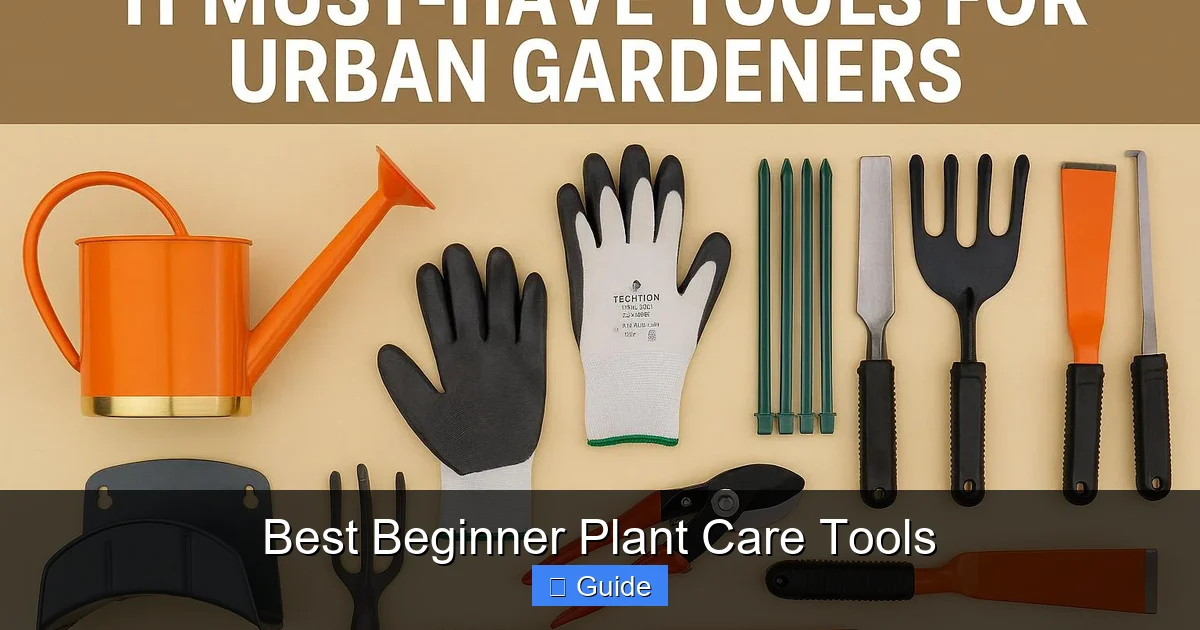
Visual guide about Best Beginner Plant Care Tools
Image source: urbanplant.in
Use it before every watering. Push the probe halfway down between the plant base and the pot edge. Check the reading. If it says moist wait a few days. If it says dry water thoroughly. This one tool pays for itself in saved plants within a month. Look for a model with a long probe. Ten inches or more. This reaches the root zone in larger pots. A two-pack is smart. Keep one by your big plants. Keep one by your small plants. Clean the probe after each use. Soil buildup skews readings.
Watering Can with Long Narrow Spout
That cute teapot watering can? It is terrible for houseplants. The spout is too wide. Water splashes everywhere. It hits leaves. It misses the soil. It makes a mess on your shelf. You need a can with a long narrow spout. Often called a “long spout” or “precision” watering can. The narrow spout slides under foliage. It delivers water directly to the soil surface. You control the flow. You avoid wet leaves. Wet leaves invite fungal spots. Wet crowns invite rot.
Capacity matters too. One liter is perfect for a small collection. Two liters if you have many plants or large pots. Plastic is lightweight and durable. Metal looks nice but can rust. Choose a comfortable handle. You will carry this often. A removable rose (the sprinkler head) is a bonus. Use it for seedlings. Remove it for precision watering. Rinse it out monthly. Algae grows in standing water.
Sharp Pruning Shears or Scissors
Household scissors crush plant stems. They leave jagged tears. Tears heal slow. Tears invite bacteria. You need bypass pruning shears. Two sharp blades pass by each other like scissors. They make a clean cut. The plant seals it fast. Energy goes to new growth not wound repair. Look for stainless steel blades. They stay sharp. They resist sap buildup. A safety lock keeps them closed when stored. This prevents accidents in your tool bag.
Clean your shears between plants. Wipe blades with rubbing alcohol. This stops disease spread. Spider mites on the pothos? Clean shears before touching the monstera. Sharpen them once a year. A small diamond file works. Dull shears do more harm than good. Keep a dedicated pair for plants. Never use them for wire or plastic tags. That ruins the edge instantly.
Quality Potting Mix and Amendments
Soil is not dirt. Dirt is what you sweep off the floor. Soil is a living ecosystem. Bagged garden soil is too heavy for pots. It compacts. It suffocates roots. You need a light airy potting mix. Look for peat moss or coco coir base. Perlite or pumice for drainage. Maybe some bark chips for structure. Avoid mixes with “moisture control” crystals. They hold too much water. They turn to mush.
Keep amendments on hand. Extra perlite. Orchid bark. Horticultural charcoal. Worm castings. These let you customize mixes. Succulents need more perlite. Aroids love bark and charcoal. Seedlings need fine texture. Store bags sealed in a dry tote. Wet mix grows mold. Label your mixes. “Cactus blend.” “Tropical blend.” “Seed starting.” Future you will thank present you.
Pots with Drainage Holes and Saucers
Pretty cachepots without holes are plant coffins. Water pools at the bottom. Roots drown. You cannot fix this with a layer of rocks. That is a myth. It raises the water table closer to roots. You need pots with holes. Always. Plastic nursery pots are fine. Slip them into decorative cachepots. Water in the sink. Let drain fully. Return to cachepot. Easy.
Saucers catch the runoff. They protect your furniture. Choose saucers slightly wider than the pot base. Deep enough to hold a full watering. Empty them after thirty minutes. Never let plants sit in standing water. That reabsorbs salts and pushes out oxygen. Terracotta pots breathe. They wick moisture. Great for overwaterers. They dry fast. Bad for thirsty plants. Glazed ceramic holds moisture longer. Match the pot to the plant and your habits.
Tools That Make Feeding Easy and Safe
Liquid Fertilizer and Measuring Tools
Plants need food. Potting mix nutrients last about six weeks. Then you fertilize. Liquid fertilizer is beginner friendly. You control the dose. You see what you pour. Choose a balanced formula. Something like 10-10-10 or 20-20-20. Or a dedicated houseplant blend. Organic options like fish emulsion work well. They smell strong. Use them on watering day. Dilute to half strength. Weak weekly feeding beats strong monthly feeding. It mimics nature. It prevents salt buildup.
You need measuring tools. A set of small measuring cups. One tablespoon. One teaspoon. Half teaspoon. Mark them “plant only.” Never use kitchen cups. Fertilizer residue is not food safe. A one-liter mixing jug with markings is perfect. Mix fertilizer. Water plants. Rinse jug. Done. Store fertilizer in a cool dark place. Heat degrades it. Write the open date on the bottle. Most last one to two years.
Slow-Release Fertilizer Pellets
Busy schedule? Forgetful? Slow-release pellets are your backup. Sprinkle them on the soil surface. Scratch them in lightly. Water activates them. They feed for three to six months. You cannot burn roots easily. They are foolproof. Use them as a base. Supplement with liquid during active growth. Spring and summer. Stop in fall and winter. Most houseplants rest then. They do not need food. They need light and less water.
Choose a coated pellet brand. Osmocote is the classic. Nutricote works well too. Avoid cheap uncoated granules. They dump all nutrients at once. That burns roots. Follow package rates for pot size. Less is better. You can always add more. You cannot take it out.
Light and Environment Monitoring Tools
Light Meter: Stop Guessing Your Light Levels
“Bright indirect light” is the most misunderstood phrase in plant care. Your eyes adjust. They lie to you. A room feels bright. The meter reads fifty foot-candles. That is low light. A light meter gives you numbers. You match plants to spots. High light plants need two hundred plus. Medium light plants need one hundred to two hundred. Low light plants survive at fifty to one hundred. But they thrive higher.
Phone apps exist. They use the camera sensor. They are okay for rough estimates. A dedicated meter is better. It measures PAR (photosynthetically active radiation). That is what plants use. Look for a meter that reads in foot-candles or lux and PPFD. Take readings at plant level. Morning. Noon. Afternoon. Seasons change light. A south window in summer is intense. In winter it is mild. Move plants accordingly. The meter pays for itself in prevented etiolation (stretching).
Hygrometer and Thermometer Combo
Tropical plants love humidity. Forty percent is okay. Sixty percent is happy. Eighty percent is jungle. Most homes sit at twenty to thirty percent in winter. That causes crispy leaf edges. Brown tips. Spider mite explosions. A digital hygrometer tells you the truth. Place it near your plants. Not on the wall across the room. Microclimates exist. The corner by the humidifier reads different than the shelf by the vent.
Get a combo unit. Temperature matters too. Most houseplants hate below fifty-five Fahrenheit. They hate drafts. They hate radiator heat. The combo unit shows both. Some have high low memory. You see the overnight drop. You see the midday spike. Adjust your care. Add a humidifier. Group plants. Use pebble trays. Move away from vents. Knowledge is power.
Pest Prevention and Early Detection Gear
Magnifying Glass or Jeweler’s Loupe
Spider mites are tiny. Thrips are tiny. Mealybugs hide in crevices. You miss them until the plant looks bad. A ten-x magnifying glass changes everything. Check leaves weekly. Undersides. Stems. Soil surface. Look for moving dots. Webbing. White fluff. Sticky residue. Early detection means easy treatment. Late detection means war.
A jeweler’s loupe is even better. Ten-x or twenty-x. It folds in your pocket. It has a built-in light. You see pest eggs. You see nymphs. You identify the enemy. Different pests need different treatments. Neem oil for mites. Insecticidal soap for soft bodies. Systemic granules for thrips. The loupe tells you which. Clean the lens after each use. Sap blurs the view.
Yellow Sticky Traps
Fungus gnats. Whiteflies. Winged aphids. They fly. They land on yellow. They stick. They die. Sticky traps are monitors not cures. They tell you “you have fungus gnats.” They do not eliminate the larvae in the soil. But they reduce adults. They break the cycle. Place one per plant group. Hang at canopy level. Replace when covered. They are cheap. Buy a pack of twenty. Keep them handy.
Blue traps attract thrips better. Yellow is general purpose. Use both if you suspect thrips. Sticky traps also catch beneficial insects. Outdoors avoid them. Indoors they are safe. Write the date on the trap. Track population trends. Decreasing catches means treatment works. Increasing catches means escalate.
Neem Oil and Insecticidal Soap
These are your first line of defense. Neem oil disrupts insect hormones. They stop eating. They stop molting. They stop laying eggs. It works on mites aphids mealybugs scale. It is also a mild fungicide. Powdery mildew hates it. Mix per label. Spray at dusk. Never in direct sun. Sun plus oil equals fried leaves. Cover all surfaces. Undersides especially. Repeat weekly for three weeks. This catches hatchlings.
Insecticidal soap kills on contact. It dissolves soft bodies. Aphids. Mealybugs. Whiteflies. Spider mites. It does not persist. It is safe for pets once dry. Spray thoroughly. Repeat every few days. Do not mix neem and soap. Use one or the other. Rotate them monthly. This prevents resistance. Store both in a cool dark cabinet. They degrade in heat and light.
Repotting and Root Care Essentials
Soil Scoop and Transplanting Trowel
Repotting with your hands works. Until you have ten plants. A soil scoop saves your manicure. It moves mix fast. It fills pots neat. A narrow transplanting trowel slides down root balls. It loosens edges. It lifts plants clean. Look for stainless steel. Plastic breaks. Wood rots. A depth gauge on the blade is a nice touch. You see how deep you plant. The crown should sit at the same level. Not buried. Not exposed.
Keep a dedicated bucket for dirty mix. A five-gallon bucket with a lid. Old soil goes in. New soil comes from the bag. This contains the mess. Line it with a trash bag for easy cleanup. A hand brush sweeps spilled mix. A small dustpan catches it. Clean tools last longer. Clean areas prevent pests.
Root Rake or Chopstick
Root bound plants need root work. Circling roots strangle the plant. You must tease them out. A root rake (like a tiny cultivator) combs through the root ball. It pulls loose soil. It separates circling roots. A bamboo chopstick works too. It is gentler. Poke around the edges. Work inward. Do not hack. Do not pull hard. Patience wins. If roots are a solid brick make four vertical slices with clean shears. One inch deep. This stimulates new outward growth.
Remove dead roots. They are brown mushy hollow. Healthy roots are white firm crisp. Smell tells you too. Rotten roots stink. Healthy roots smell earthy. Dust cuts with cinnamon. It is a natural fungicide. Repot into fresh mix. Water lightly. No fertilizer for four weeks. Let roots recover.
Mesh Tape or Coffee Filters for Drainage Holes
Soil washing out of holes makes a mess. It clogs saucers. It loses your precious mix. A square of mesh tape over each hole stops this. Water passes. Soil stays. Fiberglass screen works. Landscape fabric works. Coffee filters work for small pots. They biodegrade eventually. By then roots hold the soil. Cut squares larger than the hole. Press them flat. Add mix. Simple. Cheap. Effective.
Organization and Record Keeping Tools
Plant Care Journal or App
Memory fails. You think you watered the fern Tuesday. It was last Tuesday. The fern is crispy. A journal fixes this. Paper or digital. Both work. Paper is tactile. No screen glare. You sketch. You press leaves. You write observations. “New leaf unfurling.” “Mealybugs on stem.” “Moved to east window.” Digital apps remind you. They track photos. They sync across devices. Planta. Vera. Greg. PictureThis. Many are free for basic use.
Track these basics. Water date. Fertilize date. Repot date. Light location. Pest treatments. Growth milestones. Photos monthly. Patterns emerge. You learn your plants. You learn your habits. You become a better grower. The best beginner plant care tools include knowledge capture. Do not skip this.
Plant Labels and Waterproof Marker
You will forget names. You will forget varieties. You will forget which cutting is which. Labels solve this. Plastic T-labels. Metal copper labels. Wooden sticks. Write with a paint pen or industrial Sharpie. Regular Sharpie fades in sun. Paint pens last years. Write the name. Write the date acquired. Write the source. “Monstera deliciosa – 03/15/24 – Local nursery.” Stick it in the pot. Push it deep. It stays.
For props use tape on the jar. “Pothos N’Joy – water prop – 04/01/24.” Label seed trays. Label mystery plants. “NOID Hoya – cutting from Sarah.” Future trades need names. Future you needs names. A label maker is overkill but fun. Handwritten has charm.
Tool Storage Tote or Caddy
Tools scattered are tools lost. A dedicated tote keeps it together. A plastic caddy with a handle. A canvas bucket organizer. A repurposed tool box. Compartments help. Shears in one. Meter in one. Labels in one. Fertilizer in a zip bag inside. Tote lives by your plants. Grab it. Work. Return it. No hunting. No “where did I put the moisture meter?”
Clean the tote monthly. Dirt accumulates. Sap drips. Pests hitchhike. Wipe it out. Check tools for rust. Sharpen shears. Calibrate meters. Restock consumables. Neem oil low? Write it down. Sticky traps gone? Write it down. A maintained kit is a ready kit.
Nice-to-Have Upgrades for Growing Collections
Humidifier: The Game Changer for Tropicals
You grouped plants. You use pebble trays. You mist (which does almost nothing). The hygrometer still reads thirty percent. A humidifier fixes this. Ultrasonic cool mist is best. Quiet. No hot steam hazard. Large tank runs all night. Aim for forty to sixty percent. Place it near plants not on them. Wet leaves invite fungus. Clean it weekly. Vinegar soak removes mineral buildup. Use distilled water if your tap is hard. White dust on leaves means minerals. That clogs stomata.
Size the humidifier to your room. Small bedroom needs one gallon. Large living room needs three gallons or two units. Auto shutoff when empty is mandatory. Humidistat built-in is luxury. It maintains your target. You set it. Forget it. Your calatheas will worship you. Your ferns will unfurl. Your skin will thank you too.
Grow Lights for Dark Corners
That north window shelf. The bathroom corner. The basement shelf. Plants survive but stretch. Pale leaves. Weak stems. No flowers. A grow light changes everything. LED technology has dropped in price. Full spectrum white light looks natural. Not purple. Not pink. Your decor survives. Clip-on gooseneck lights work for shelves. Panel lights work for racks. Bar lights work under cabinets.
Look for PPFD ratings. Photosynthetic photon flux density. At twelve inches you want fifty to one hundred for low light. Two hundred plus for high light. Run lights twelve to sixteen hours. Use a timer. Plants need dark too. Distance matters. Follow manufacturer guidelines. Too close bleaches leaves. Too far does nothing. Adjust as plants grow.
Soil pH Meter
Most houseplants like slightly acidic soil. Six to six point five. Tap water is often alkaline. Fertilizer shifts pH. Over time soil drifts. Nutrients lock out. Yellow leaves appear. You fertilize more. It gets worse. A pH meter catches drift early. Probe models work in soil. Slurry models need a soil water mix. Probe is faster. Calibrate monthly with buffer solution. Adjust with sulfur (lower) or lime (raise). Go slow. Retest. This is advanced but valuable for precious plants.
Propagation Station Setup
You will want more plants. It happens to everyone. A propagation station makes it easy. Test tubes in a rack. Jars on a shelf. Clear containers let you see roots. Change water weekly. Add a drop of hydrogen peroxide. Prevents rot. Warmth speeds rooting. A seedling heat mat under the station helps. Bright indirect light. No direct sun. Label every cutting. Date. Parent plant. Node count. Patience. Roots appear in weeks. Pot when roots are two inches long.
Building Your Kit on a Budget
You do not buy everything at once. Start with the must-haves. Moisture meter. Watering can. Shears. Potting mix. Pots. That is fifty dollars maybe. Add fertilizer. Labels. Journal. Another twenty. You are functional. You are successful. The rest comes as needs arise. Pests appear? Buy neem and traps. Air is dry? Save for a humidifier. Dark corner? Clip light. Propagation bug bites? Test tubes.
Shop smart. Garden centers have sales. Dollar stores have labels chopsticks scoops. Thrift stores have watering cans totes. Online marketplaces have used meters lights. Ask plant friends for cuttings. They often have extra tools. Community is the best resource. Share knowledge. Share tools. Share plants. The best beginner plant care tools include a network of fellow growers.
Common Tool Mistakes Beginners Make
Buying Gadgets Not Tools
Self-watering spikes. Fancy misters. Leaf shine sprays. Moisture apps with subscriptions. These are gadgets. They solve problems that do not exist. Or they create new problems. Spikes clog. Misters breed bacteria. Leaf shine clogs stomata. Apps distract. Stick to simple mechanical tools. They work. They last. They teach you the plant.
Neglecting Tool Maintenance
Dirty shears spread disease. Clogged watering cans splash soil. Corroded meters lie. Old fertilizer burns. Clean tools after every session. Wipe shears. Rinse cans. Dry probes. Store dry. Sharp tools are safe tools. Dull tools slip. Slipping cuts you or the plant. A five-minute cleanup saves hours of trouble.
Using Outdoor Tools Indoors
Big shovels. Heavy rakes. Hose-end sprayers. These are for yards. They damage indoor plants. They bring outdoor pests in. They make a mess. Keep indoor tools separate. Size them for pots. Size them for your space. A hand trowel not a shovel. A spray bottle not a hose sprayer. Precision over power.
Seasonal Tool Adjustments
Spring: The Busy Season
Repotting time. Your trowel and scoop get a workout. Root rake earns its keep. Fresh potting mix disappears fast. Fertilizer starts back up. Measuring cups daily. Pruning shears shape winter growth. Light meter checks new sun angles. Move plants gradually. Harden off any going outside. Sticky traps catch spring pest explosions.
Summer: Maintenance Mode
Watering can works overtime. Moisture meter checks daily in heat. Humidifier runs if AC dries air. Hygrometer watches the drop. Neem oil weekly prevents spider mites. They love hot dry. Grow lights may dim or turn off. Natural light is plenty. Journal tracks explosive growth. Labels new props.
Fall: Wind Down
Fertilizer stops. Measuring cups rest. Watering slows. Moisture meter reads wet longer. Light meter checks shortening days. Move plants to brightest spots. Humidifier preps for heating season. Clean all tools before storage. Sharpen shears. Calibrate meters. Restock supplies on sale.
Winter: Survival Mode
Humidifier is king. Hygrometer is queen. Grow lights shine. Moisture meter prevents overwatering. Cold water shocks roots. Use room temp water. Watering can sits ready. Sticky traps catch fungus gnats from wet soil. No fertilizer. No repotting unless emergency. Prune only dead. Journal notes rest periods. Plan next year’s wishlist.
Creating Your Personal Plant Care Routine
Tools enable routine. Routine creates success. Pick a day. Sunday morning. Coffee in hand. Tote by side. Walk the collection. Moisture meter each pot. Water the dry ones. Check leaves top and bottom. Loupe in pocket. Sticky traps check. Remove dead leaves. Shears ready. Rotate pots for even light. Light meter checks seasonal shifts. Journal entry. “All watered. New leaf on monstera. Mealybug on hoya – treated.” Done. Thirty minutes. Peaceful. Effective.
Adjust frequency to your life. Twice a week if many plants. Daily if obsessed. The routine fits you. The tools make it easy. Without tools it is guesswork. With tools it is care. You see changes early. You act fast. You grow confidence. You grow plants. The best beginner plant care tools become invisible. They are just how you care.
Final Thoughts on Your Plant Tool Journey
You started with curiosity. You bought a plant. You bought a tool. You learned. You grew. Now you have a kit. You have knowledge. You have a routine. You have living proof on your shelves. The best beginner plant care tools were never the goal. They were the bridge. The bridge from “I kill everything” to “look at this new leaf.” Every expert was once a beginner with a moisture meter they didn’t trust. A watering can they spilled. Shears they dulled. They kept going. You will too.
Remember the core principle. Tools serve the plant. The plant teaches you. You serve the plant. It is a circle. A simple beautiful circle. Start small. Buy quality. Maintain well. Record honestly. Observe daily. Adjust constantly. Enjoy deeply. Your jungle awaits. Happy growing.
Frequently Asked Questions
What are the absolute minimum tools I need to start with houseplants?
The absolute minimum tools are a moisture meter, a watering can with a narrow spout, sharp pruning shears, quality potting mix, and pots with drainage holes. These five items will handle 90% of your basic plant care needs.
How do I know if my moisture meter is working correctly?
Test your moisture meter in completely dry soil (should read dry/1) and in a cup of water (should read wet/10). Clean the probe after each use and avoid leaving it in soil between readings to prevent corrosion and false readings.
Is tap water okay for houseplants or do I need filtered water?
Most houseplants tolerate tap water fine. Let it sit overnight to dissipate chlorine, or use a filter if your water is very hard or softened. Sensitive plants like calatheas and carnivorous plants prefer distilled or rain water.
What is the best way to increase humidity for tropical plants?
A humidifier is the most effective method. Grouping plants together, using pebble trays with water, and placing plants in naturally humid rooms (bathrooms, kitchens) also help. Misting provides only temporary humidity and can promote fungal issues.
How do I choose the right size pot when repotting?
Choose a pot only 1-2 inches larger in diameter than the current pot. Too large a pot holds excess moisture and leads to root rot. Ensure the new pot has drainage holes and use fresh potting mix.
Can I reuse potting soil from a dead plant?
Only reuse soil if the previous plant died of non-disease causes (like underwatering). Sterilize it by baking at 180°F for 30 minutes or solarizing in a black bag for 4-6 weeks. Always amend with fresh perlite, compost, or new potting mix to restore structure and nutrients.