Best Copper for Tropical Plants
Copper is essential for tropical plant health, supporting enzyme function and disease resistance. This guide covers the best copper for tropical plants, including chelated forms, fungicides, and soil amendments, with practical tips for safe, effective application.
Tropical plants bring bold color and lush texture to any garden. But they also have unique nutrient needs. One nutrient often overlooked is copper. It plays a quiet but critical role. Without it, new growth stalls. Leaves twist. Flowers fail. Finding the best copper for tropical plants can feel confusing. There are many forms. Some work fast. Some last longer. Some are safer for sensitive roots. This guide breaks it all down. You will learn what to buy. You will learn how to use it. And you will learn how to avoid costly mistakes.
I have grown tropicals for over a decade. I have seen copper deficiency turn vibrant heliconias pale. I have seen copper fungicide save prized orchids from rot. I have also seen well-meaning gardeners burn roots with too much copper sulfate. The difference comes down to knowledge. The right product. The right rate. The right timing. Let us walk through everything you need to know. By the end, you will choose with confidence.
Key Takeaways
- Chelated copper works best: It stays available to plants longer and reduces toxicity risk in tropical soils.
- Test soil first: Always check copper levels before applying any product to avoid buildup.
- Foliar sprays act fast: Liquid copper corrects visible deficiency symptoms within days.
- Follow label rates exactly: Copper toxicity is real and hard to reverse in sensitive tropical species.
- Rotate with other micronutrients: Balance copper with zinc, iron, and manganese for complete nutrition.
- Organic options exist: Copper sulfate and copper hydroxide are allowed in many organic programs.
- Timing matters: Apply during active growth, not dormancy, for maximum uptake.
Quick Answers to Common Questions
What is the best form of copper for tropical plants?
Chelated copper (EDTA or DTPA) is the best form for tropical plants because it remains available across soil pH ranges, is gentle on roots, and works well as a foliar spray for fast correction.
How often should I apply copper to tropical plants?
Apply copper based on soil test results, typically once per year for soil applications or every 2-4 weeks as a foliar spray during active growth, but never exceed label rates.
Can copper hurt my tropical plants?
Yes, copper toxicity is real and causes root damage, iron deficiency, and stunted growth. Always test soil first and follow label rates precisely to avoid buildup.
Is copper sulfate safe for organic tropical gardening?
Copper sulfate is allowed in organic production with restrictions — you must document deficiency via soil test and monitor levels to prevent accumulation.
When is the best time to spray copper on tropical plants?
Spray early morning when stomata are open, humidity is high, and pollinators are inactive. Avoid spraying during bloom, in full sun, or before rain.
📑 Table of Contents
- Why Copper Matters for Tropical Plants
- Understanding Copper Deficiency in Tropical Gardens
- Types of Copper Products for Tropical Plants
- How to Choose the Best Copper for Tropical Plants
- Application Methods and Timing
- Common Mistakes to Avoid
- Top Product Recommendations by Category
- Monitoring and Maintenance
- Special Considerations for Popular Tropical Crops
- Environmental and Safety Notes
- Building a Complete Tropical Nutrition Program
- Conclusion
Why Copper Matters for Tropical Plants
Copper is a micronutrient. Plants need it in tiny amounts. But tiny does not mean optional. It drives several key processes. It helps form lignin. Lignin strengthens cell walls. Strong walls mean upright stems. They also mean better disease resistance. Copper activates enzymes. These enzymes power photosynthesis. They power respiration. They power protein synthesis. Without copper, energy production slows. Growth slows.
Tropical plants often grow fast. They push large leaves. They produce heavy blooms. This rapid growth demands steady copper. Many tropical soils are highly weathered. They are naturally low in copper. High rainfall leaches nutrients. Acidic pH locks copper away. Organic matter can bind it too. So even rich-looking soil may come up short. That is why supplemental copper often makes a visible difference.
The Role of Copper in Enzyme Systems
Think of enzymes as the workers in a factory. Copper is a tool they need. One key enzyme is polyphenol oxidase. It helps plants heal wounds. It helps them fight infection. Another is superoxide dismutase. It neutralizes harmful oxygen radicals. These radicals form during stress. Heat stress. Light stress. Drought stress. Tropical plants face all three. Adequate copper keeps the defense system running.
Copper and Reproductive Growth
Flowering takes energy. Fruit set takes even more. Copper supports pollen viability. It supports stigma receptivity. Low copper means poor pollination. It means dropped buds. It means misshapen fruit. If your tropical fruiting plants — like papaya, guava, or passionfruit — underperform, check copper. It is often the missing link.
Understanding Copper Deficiency in Tropical Gardens
Spotting deficiency early saves plants. The signs are distinct. But they mimic other issues. You need to know what to look for. Young leaves show symptoms first. Copper does not move well in the plant. It stays in old tissue. New growth suffers.
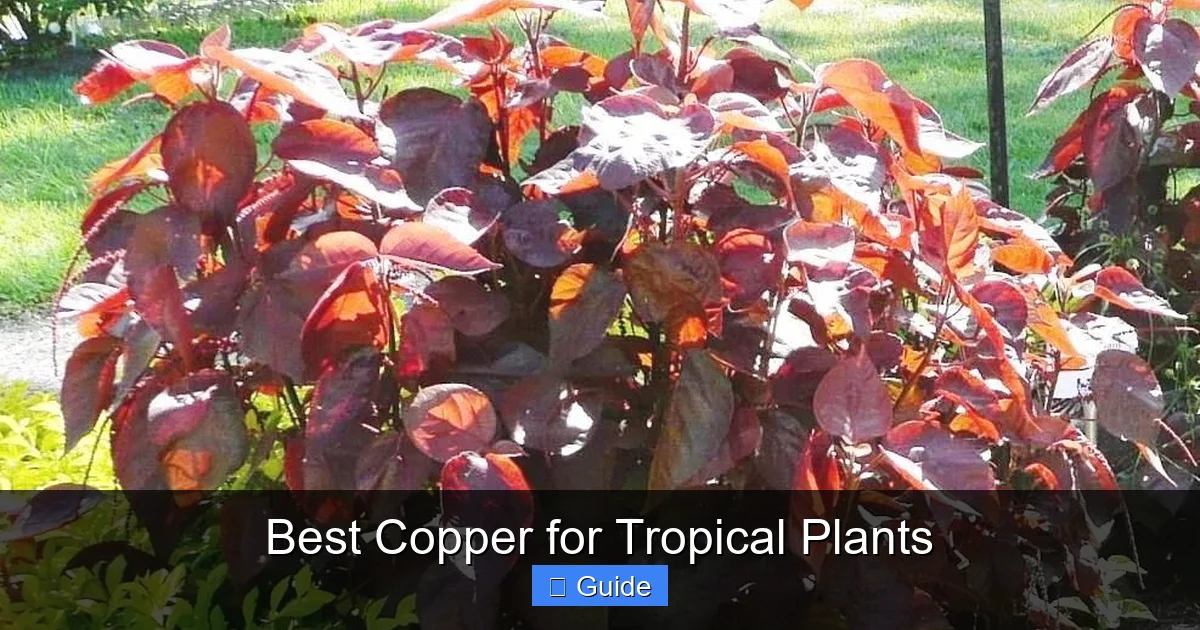
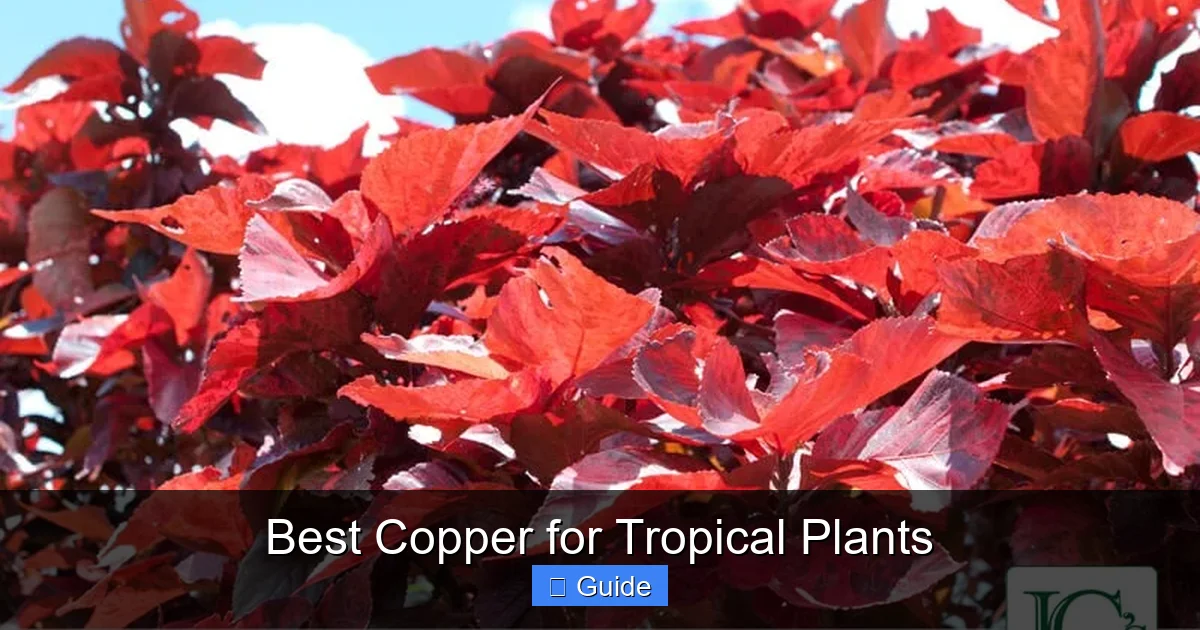
Visual guide about Best Copper for Tropical Plants
Image source: lsuagcenter.com
Visual Symptoms to Watch For
New leaves emerge small. They may be distorted. Edges curl inward. Tips die back. This is called “reclamation” or “dieback.” In severe cases, the growing point dies. The plant looks stunted. Leaves may turn a bluish-green. Or they show interveinal chlorosis. That is yellowing between veins. Stems can become brittle. They snap easily. Flower buds abort. Fruit drops prematurely.
Crops Most at Risk
Some tropicals are copper-hungry. Citrus tops the list. Mango and avocado follow. Banana and plantain need steady supply. Ornamentals like anthurium, heliconia, and bird-of-paradise show deficiency fast. Even tough plants like ti leaf and croton suffer in low-copper soil. If you grow any of these, monitor closely.
Soil Conditions That Trigger Deficiency
High pH reduces copper availability. So does excessive phosphorus. Heavy manure applications can tie up copper. Sandy soils leach it fast. Peat-based potting mixes often lack it entirely. New gardens on fill dirt are prone. Raised beds with fresh compost may test low. Knowing your soil context helps you prevent problems before they start.
Types of Copper Products for Tropical Plants
Not all copper is created equal. The form determines solubility. It determines safety. It determines cost. Here are the main types you will encounter. Each has a place. The best copper for tropical plants depends on your situation.
Chelated Copper (EDTA, DTPA, HEDTA)
Chelated copper binds copper to an organic molecule. This keeps it soluble. It prevents lockup in soil. It stays available across a wider pH range. EDTA works well up to pH 6.5. DTPA works up to pH 7.5. HEDTA sits in between. Chelates are gentle. They are ideal for foliar sprays. They are ideal for hydroponics. They cost more per pound of copper. But you use less. Efficiency makes up for price.
Copper Sulfate (Bluestone)
This is the classic form. Blue crystals. Cheap. Widely available. High copper content — 25% metallic copper. It dissolves fast. It corrects deficiency quickly. But it has drawbacks. It is acidic. It can burn roots. It leaches fast in sandy soil. It builds up in clay. It is toxic to beneficial fungi. Use with caution. Best for soil drench in confirmed deficiency. Not for routine maintenance.
Copper Hydroxide
This is a fixed copper. It is a fungicide first. Nutrient second. It releases copper slowly. It sticks to leaf surfaces. It resists rain wash-off. Good for disease prevention. Less effective for correcting soil deficiency. Use as a protectant spray. Follow label intervals. Do not overapply. Buildup on leaves can block light.
Copper Oxychloride
Another fixed copper fungicide. Similar to hydroxide. Slightly different particle size. Often used in tropical fruit crops. Good for anthracnose. Good for bacterial spot. Provides some nutritional copper over time. But not a primary fertilizer. Treat it as a disease tool with a side benefit.
Copper Oxide (CuO) and Copper Oxide Nanoparticles
These are slow-release. Very low solubility. Used in granular fertilizers. They feed over months. Good for container media. Good for field soil amendment. Not for quick fixes. Nanoparticles are newer. Research is ongoing. Some show promise. Others raise toxicity concerns. Stick to proven forms for now.
Organic-Compliant Copper Products
Many copper products carry OMRI listing. Copper sulfate. Copper hydroxide. Copper octanoate (copper soap). These are allowed in certified organic production. But with restrictions. You must document need. You must monitor soil levels. You cannot use as routine insurance. Check your certifier rules.
How to Choose the Best Copper for Tropical Plants
Selection comes down to goal. Are you fixing a deficiency? Preventing disease? Maintaining levels? The answer points to different products. Let us match product to purpose.
For Rapid Deficiency Correction
Choose chelated copper liquid. Apply as foliar spray. Use 0.5 to 1 teaspoon per gallon. Spray until runoff. Repeat in 10 to 14 days if needed. Chelate enters leaves fast. Bypasses soil issues. Works in days. Safe for most tropicals. Test on a few leaves first. Some sensitive species — like certain ferns — may react.
For Long-Term Soil Building
Choose granular copper sulfate or copper oxide. Apply at soil test rates. Typical rate: 2 to 5 pounds per acre. For small beds, that is grams per square foot. Mix into top 6 inches. Water in well. Do not repeat annually without retesting. Copper accumulates. Toxicity is harder to fix than deficiency.
For Disease Prevention
Choose copper hydroxide or copper octanoate. Spray on a schedule. Every 7 to 14 days during wet weather. Cover all surfaces. Top and bottom of leaves. Stems. Fruit. Rotate with other modes of action. Prevent resistance. Protect pollinators — spray early morning or late evening.
For Container Tropicals
Potting mixes lack copper. Use a complete micronutrient blend. Look for chelated copper in the mix. Or add a pinch of copper sulfate per gallon of mix. Better yet, use a controlled-release fertilizer with micros. One application feeds for months. Simple. Safe. Consistent.
For Hydroponic and Aeroponic Systems
Only chelated copper. EDTA or DTPA. Add to nutrient solution at 0.05 to 0.1 ppm. Monitor with lab tests. Copper builds fast in recirculating systems. Flush monthly. Replace solution if levels exceed 0.2 ppm. Root damage occurs quickly.
Application Methods and Timing
How you apply matters as much as what you apply. Wrong method wastes money. Wrong timing harms plants. Here are best practices.
Foliar Spray Technique
Spray early morning. Stomata are open. Humidity is high. Evaporation is low. Use a fine mist. Cover undersides. Add a surfactant. It spreads droplets. It improves absorption. Do not spray in full sun. Do not spray before rain. Do not mix with phosphorus fertilizers — they form insoluble copper phosphate.
Soil Drench Technique
Dissolve product in water. Apply to moist soil. Not dry. Not soggy. Water in with extra irrigation. This moves copper into root zone. Avoid contact with stems. Avoid splashing leaves. Drench is best for chelates and sulfates. Not for fixed coppers — they stay on surface.
Granular Incorporation
Spread evenly. Rake in. Water deeply. Do this before planting. Or during dormancy. Not during active flush. Roots need time to intercept. Granular copper oxide works well here. So does copper sulfate at low rates. Always base rate on soil test.
Timing by Growth Stage
Early spring: Apply before new growth. Support the flush. Pre-bloom: Spray chelate 2 weeks before flowers open. Improve set. Fruit development: Monthly foliar if soil is low. Post-harvest: Soil application to recharge reserves. Avoid late fall. New growth may freeze.
Timing by Climate
In true tropics, growth is year-round. Apply every 6 to 8 weeks. Light rates. In subtropics, follow seasonal flushes. Spring and summer are key. In containers indoors, feed weakly weekly. Use 1/4 strength chelate. Flush pots monthly.
Common Mistakes to Avoid
Mistakes with copper are common. They are also preventable. Learn from others’ errors.
Overapplication
This is number one. Copper does not leach like nitrogen. It binds to clay. It binds to organic matter. It stays. Levels creep up. Roots thicken. Turn brown. Stop absorbing water. Leaves show iron chlorosis — copper blocks iron uptake. Then manganese. Then zinc. The plant starves in rich soil. Fix: Test soil every year. Apply only what test recommends.
Ignoring pH
High pH locks copper. Low pH releases too much. Target 5.5 to 6.5 for most tropicals. Blueberries want lower. Test pH before copper. Adjust pH first. Then copper works better. You use less. You save money. You reduce risk.
Mixing Incompatibles
Copper + phosphorus = precipitate. Copper + oils = leaf burn. Copper + alkaline sprays = hydroxide sludge. Read labels. Do jar test. Mix small batch. Wait 15 minutes. No clumps = safe. Clumps = do not spray.
Spraying During Bloom
Copper can damage open flowers. It can repel pollinators. It can reduce fruit set. Spray before bloom. Or after petal fall. Never during. If disease pressure is high, use copper soap — it is gentler. But still avoid peak pollination hours.
Using Fungicide Rates for Nutrition
Fungicide labels list high rates. Nutritional needs are far lower. Do not confuse them. A nutritional foliar spray uses 1/10 the copper of a fungicide spray. Using fungicide rate as fertilizer will cause toxicity. Always distinguish purpose.
Neglecting Soil Biology
Copper kills fungi. Beneficial mycorrhizae are fungi. High copper reduces colonization. Plants lose nutrient access. They lose drought tolerance. Use lowest effective rate. Use chelates — they are less toxic to microbes. Inoculate with mycorrhizae after copper application if soil test allows.
Top Product Recommendations by Category
Here are specific products that perform well. They are widely available. They have good reputations. Always verify current labels.
Best Chelated Copper Liquid
Southern Ag Chelated Liquid Copper. 5% copper as EDTA. Easy to measure. Mixes clean. Works foliar and drench. Good for orchids. Good for citrus. Good for foliage plants. Quart treats large area.
Best Copper Sulfate for Soil
Bonide Copper Sulfate. 99% pure. Fine crystals. Dissolves fast. Use with soil test. Wear gloves. Dust irritates. Store dry. Keeps indefinitely.
Best Fixed Copper Fungicide
Nu-Cop 50 DF. Copper hydroxide. 50% metallic copper. Dry flowable. Low dust. Mixes well. Rainfast. OMRI listed. Good for mango anthracnose. Good for citrus canker suppression.
Best Copper Soap for Organic Gardens
Bonide Captain Jack’s Copper Fungicide. Copper octanoate. Ready to spray. Gentle on blooms. Safe for beneficials when dry. Good for indoor tropicals. No mixing needed.
Best Micronutrient Blend with Copper
Jack’s Classic 20-20-20 with Micros. Contains chelated copper. Balanced feed. Use weekly at 1 tsp per gallon. Great for containers. Great for hydroponics. Consistent results.
Monitoring and Maintenance
Application is not the end. It is the middle. You must track results. Adjust as needed.
Soil Testing Frequency
Test annually. Same lab. Same method. Track copper trend. Target 1 to 3 ppm DTPA-extractable. Above 5 ppm risks toxicity. Below 0.5 ppm risks deficiency. Sandy soils need lower targets. Clay soils tolerate higher.
Tissue Testing for Precision
Leaf analysis shows what plant actually took up. Sample newest mature leaves. Mid-season. Compare to crop standards. Citrus: 5 to 16 ppm. Mango: 10 to 20 ppm. Banana: 8 to 15 ppm. Tissue test catches hidden shortage before visual symptoms.
Visual Monitoring Routine
Walk your garden weekly. Check new growth. Check color. Check turgor. Photograph suspect plants. Compare over time. Early action prevents yield loss. A phone camera is a powerful diagnostic tool.
Record Keeping
Log every application. Date. Product. Rate. Method. Weather. Crop stage. Notes on response. Build your own database. Your conditions are unique. Your records become your best guide.
Special Considerations for Popular Tropical Crops
Each crop has quirks. Here are tips for common favorites.
Citrus (Orange, Lemon, Lime, Grapefruit)
High copper demand. Especially for fruit quality. Apply chelate foliar at spring flush. Again at summer flush. Soil apply copper sulfate every 2 to 3 years per test. Avoid copper on young trees — sensitive roots. Use trunk wrap if spraying near base.
Mango and Avocado
Anthracnose is the enemy. Copper hydroxide on schedule. Start at flower panicle emergence. Continue through fruit set. Nutritional copper via soil in early spring. Do not spray during full bloom. Use bee-safe timing.
Banana and Plantain
Fast growth. Heavy feeder. Monthly chelate drench in sandy soil. Granular copper oxide at planting. Watch for “choke throat” — copper deficiency in emerging bunch. Correct fast or lose hand.
Orchids and Epiphytes
Very sensitive. Use only chelate. 1/4 label rate. Foliar only. Never soil drench — no soil. Flush with pure water between feeds. Copper helps prevent bacterial rot. But excess kills roots fast.
Heliconia, Ginger, Bird-of-Paradise
Rhizomatous. Store copper in rhizomes. Annual soil application sufficient. Spring best. Use copper sulfate at 1 tbsp per clump. Water in. Mulch after. Foliar only if deficiency shows.
Tropical Foliage (Croton, Ti, Dracaena)
Color depends on copper. Low copper = dull leaves. Monthly chelate foliar keeps color bright. Avoid copper sulfate — salt burn risk. Use distilled water for mixing. Hard water ties up chelate.
Environmental and Safety Notes
Copper is a heavy metal. It persists. It accumulates. Responsible use protects your garden and beyond.
Waterway Protection
Do not apply before heavy rain. Do not apply near ponds. Do not apply near storm drains. Copper is toxic to fish. Toxic to invertebrates. Even low levels harm aquatic life. Buffer zones matter. 25 feet minimum from water.
Personal Protective Equipment
Wear gloves. Wear long sleeves. Wear eye protection. Wear mask when mixing powders. Wash after. Launder clothes separately. Copper sulfate irritates skin. Copper dust irritates lungs. Fixed coppers less so — but still protect.
Pet and Wildlife Safety
Keep pets off treated areas until dry. Birds may eat granules. Store securely. Dispose of containers per label. Do not reuse. Do not pour rinse water down drain. Use on labeled crops only.
Resistance Management
Bacteria and fungi can resist copper. Rotate modes of action. Use biologicals. Use cultural controls. Sanitation. Pruning. Airflow. Resistant varieties. Copper is a tool. Not a crutch.
Building a Complete Tropical Nutrition Program
Copper does not work alone. It interacts. Balance is everything.
The Micronutrient Team
Zinc, iron, manganese, boron, molybdenum, nickel. All needed. All interact. High copper induces zinc deficiency. High zinc induces copper deficiency. High phosphorus induces both. Apply as a balanced blend. Or rotate singles with care. A complete micronutrient fertilizer simplifies this.
Macronutrient Foundation
Nitrogen, phosphorus, potassium. Calcium, magnesium, sulfur. Get these right first. Micros cannot fix macro mistakes. Soil test guides macros. Tissue test guides micros. Together they give full picture.
Organic Matter and Biology
Compost feeds microbes. Microbes cycle nutrients. They make copper available. They buffer toxicity. Add compost annually. Mulch constantly. Inoculate with mycorrhizae. Healthy soil reduces input needs. It is the ultimate insurance.
Water Quality Matters
High bicarbonate water raises pH. Locks copper. High calcium water same. Test irrigation water. Acidify if needed. Use rainwater for sensitive crops. Reverse osmosis for orchids. Water is a nutrient input too.
Conclusion
Finding the best copper for tropical plants is not about one magic product. It is about understanding your soil. Your plants. Your goals. Chelated copper for speed and safety. Copper sulfate for soil building. Fixed coppers for disease. Each has a role. The key is testing. The key is moderation. The key is observation.
Start with a soil test. Choose the form that fits. Apply at the right time. Watch the response. Record the results. Adjust next season. Your tropical garden will reward you. Lush leaves. Vibrant blooms. Abundant fruit. Strong stems that stand up to wind and disease. Copper is a small input with a big impact. Use it wisely. Grow boldly.
Remember: every garden teaches. Every season reveals. Stay curious. Stay patient. And enjoy the journey. Your tropical paradise is growing — one nutrient at a time.
Frequently Asked Questions
What are the signs of copper deficiency in tropical plants?
New leaves appear small, distorted, or curled with dead tips. Growing points may die back. Stems become brittle. Flowers abort and fruit drops. A bluish-green cast or interveinal yellowing on young leaves is common.
Can I use copper fungicide as a fertilizer for tropical plants?
No, fungicide rates are much higher than nutritional needs. Using copper hydroxide or oxychloride at disease-control rates will cause toxicity. Use chelated copper at fertilizer rates for nutrition.
How do I fix copper toxicity in tropical plant soil?
Stop all copper applications. Add organic matter to bind excess. Apply lime to raise pH above 6.5, reducing availability. Foliar feed iron, zinc, and manganese to counter induced deficiencies. Retest in 6 months.
Is copper necessary for all tropical plants?
All plants need copper, but demand varies. Citrus, mango, avocado, banana, and many tropical ornamentals have high requirements. Others tolerate low levels. Soil testing determines actual need.
Can I mix copper with other fertilizers?
Do not mix copper with phosphorus fertilizers — they form insoluble compounds. Avoid mixing with oils or alkaline products. Always jar-test combinations first. Chelated copper mixes more safely than sulfates.
How much copper do tropical plants need in ppm?
Soil test targets: 1-3 ppm DTPA-extractable copper. Leaf tissue targets vary: citrus 5-16 ppm, mango 10-20 ppm, banana 8-15 ppm. Above 5 ppm soil risks toxicity; below 0.5 ppm risks deficiency.