Best Industrial Soil for Blueberry
Choosing the best industrial soil for blueberry production means balancing acidity, drainage, and organic matter to match the crop’s exacting needs. This guide walks you through the top commercial mixes, key amendment strategies, and practical management practices that drive higher yields and healthier plants.
When you run a commercial blueberry operation, the foundation of every successful harvest is the growing medium. The best industrial soil for blueberry farms is not a one‑size‑fits‑all product; it is a carefully balanced blend that mimics the natural forest floor where wild blueberries thrive. Getting this mix right from day one saves you money on amendments, reduces disease pressure, and pushes yields higher.
In this guide we break down what makes a soil mix work for large‑scale blueberry production. We compare ready‑made commercial blends, show you how to tweak a base mix on site, and share practical management tips that keep the root zone in the sweet spot all season long. Whether you are planting a new field or renovating an existing block, the information here will help you choose and maintain the best industrial soil for blueberry success.
Let’s start with the core requirements that every blueberry grower must meet.
Key Takeaways
- Acidic pH is non‑negotiable: Blueberries thrive at 4.5‑5.5; test and adjust before planting.
- High organic matter improves water holding: Peat, pine bark, or composted sawdust raise CEC and buffer pH.
- Drainage prevents root rot: Coarse sand or perlite blended at 20‑30 % keeps the profile aerated.
- Commercial mixes save time: Pre‑formulated blends labeled for blueberries deliver consistent results.
- Regular monitoring is essential: Soil tests every 6‑12 months catch drift early.
- Mulch protects the root zone: Pine needles or wood chips maintain moisture and acidity.
- Avoid lime and high‑pH fertilizers: They raise pH quickly and damage the crop.
Quick Answers to Common Questions
What is the ideal pH range for blueberry soil?
The ideal pH range for blueberry soil is 4.5 to 5.5.
Which commercial mixes are best for large farms?
Pre‑formulated acidic blends labeled for blueberries, peat‑based mixes, and bark‑based mixes are top choices.
How often should I test soil pH?
Test soil pH at least twice a year, early spring and late summer.
Can I use regular compost in blueberry fields?
Only use compost tested for low pH and low salts; regular municipal compost is usually too alkaline.
What mulch preserves soil acidity?
Pine needles, aged wood chips, or shredded bark maintain acidity.
📑 Table of Contents
Understanding Blueberry Soil Requirements
pH Range and Why It Matters
Blueberries demand a soil pH between 4.5 and 5.5. Outside this window, essential nutrients such as iron and manganese become unavailable, leading to chlorosis and stunted growth. Test each field before planting and again after any amendment. A simple handheld meter or laboratory analysis will give you the baseline you need.
If the pH is too high, elemental sulfur or ammonium sulfate can lower it gradually. Apply sulfur in the fall so it has time to react before spring planting. Avoid quick‑lime products; they raise pH instantly and are difficult to reverse.
Organic Matter and Cation Exchange Capacity
High organic matter improves water retention and supplies a slow‑release nutrient reservoir. Peat moss, composted pine bark, and aged sawdust are common choices. They also increase cation exchange capacity (CEC), which helps hold onto the acidic ions blueberries need.
Aim for 5‑10 % organic matter by volume in the final blend. Too much fresh sawdust can tie up nitrogen, so always use well‑composted material. Incorporate the organic fraction evenly throughout the profile to avoid hot spots.
Drainage and Aeration
Blueberry roots are shallow and sensitive to waterlogging. Coarse sand, perlite, or fine gravel added at 20‑30 % of the total volume creates macro‑pores that let excess water escape while retaining enough moisture for uptake.
Check drainage by digging a test hole 30 cm deep, filling it with water, and timing how long it takes to drain. Ideal drainage is 1‑2 hours. If water stands longer, increase the coarse fraction or install subsurface tile drains.
Nutrient Profile Basics
Blueberries need modest nitrogen, moderate phosphorus, and higher potassium relative to many crops. Use fertilizers formulated for acid‑loving plants, such as ammonium sulfate or urea‑based products with added micronutrients. Avoid nitrate‑based nitrogen, which can raise pH.
Apply nitrogen in split applications: early spring, after fruit set, and post‑harvest. This reduces leaching and keeps the root zone stable. Monitor leaf tissue annually to fine‑tune rates.
Top Commercial Soil Mixes for Large-Scale Blueberry Operations
Pre‑Formulated Acidic Blends
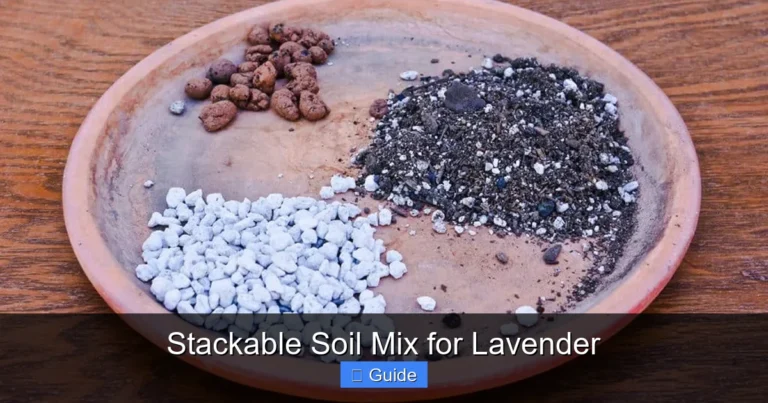
Several manufacturers sell ready‑to‑use mixes labeled specifically for blueberries. These blends typically combine peat, pine bark, perlite, and a starter fertilizer calibrated to a pH of 4.8‑5.2. They save labor because you can spread them directly into planting rows.

Visual guide about Best Industrial Soil for Blueberry
Image source: shuncy.com
When evaluating a product, request a full analysis sheet. Verify that the pH, EC, and nutrient levels match your field targets. The best industrial soil for blueberry operations will list a guaranteed pH range and a low soluble salt content.
Peat‑Based Mixes
Peat‑heavy mixes excel at moisture retention and natural acidity. They are lightweight, which reduces shipping costs for large volumes. However, peat can become hydrophobic if it dries out completely, so maintain consistent irrigation.
Look for mixes that incorporate a wetting agent or a small percentage of composted bark to improve rewetting. A typical ratio is 70 % peat, 20 % bark, 10 % perlite.
Bark‑Based Mixes
Composted pine or fir bark provides structure, aeration, and a slow‑release source of organic acids. Bark mixes are more durable than peat and resist compaction over multiple seasons.
A common commercial recipe uses 60 % bark, 30 % peat, and 10 % coarse sand. This blend delivers a stable pH around 5.0 and good drainage for heavy soils.
Custom‑Order Options
Many suppliers will blend a custom batch to your specifications. Provide them with your target pH, organic matter percentage, and drainage requirements. Custom orders are ideal when you have unique local materials, such as rice hulls or coconut coir, that you want to incorporate.
Request a pilot batch first. Test it in a small plot before committing to a full‑field order. This step prevents costly mismatches.
Customizing Industrial Soil Blends on Site
Base Ingredients You Can Source Locally
If you have access to a sawmill, you can obtain fresh pine bark at low cost. Compost it for at least six months to reduce nitrogen drawdown. Local peat bogs or horticultural suppliers often sell bulk peat at a discount.
Coarse sand from a nearby quarry is inexpensive and improves drainage dramatically. Verify that the sand is free of carbonates, which would raise pH.
Mixing Ratios for Consistent Results
A reliable on‑site recipe for the best industrial soil for blueberry fields is 50 % peat, 30 % composted bark, 15 % coarse sand, and 5 % perlite. Adjust the sand up or down based on your native soil texture.
Mix in a large rotary tumbler or a front‑loader bucket to achieve a uniform blend. Take samples from several points in the pile and test pH before field application.
Testing and Adjusting Before Planting
After blending, run a full soil test: pH, EC, macro‑ and micronutrients. If pH sits above 5.5, incorporate elemental sulfur at 1‑2 t/ha and re‑test in two weeks. If EC is high, leach with clean water before planting.
Document the final recipe and test results. This record becomes your baseline for future amendments and helps troubleshoot any mid‑season issues.
Managing pH and Nutrient Levels Over the Season
Routine Soil Testing Schedule
Test each block at least twice per year: early spring before bud break and late summer after harvest. Use the same laboratory each time for consistency. Track trends in pH, organic matter, and nutrient levels on a simple spreadsheet.
Rapid pH shifts often signal over‑application of lime‑containing fertilizers or irrigation water with high bicarbonate. Catch these early to avoid yield loss.
Acidifying Amendments That Work
Elemental sulfur remains the gold standard for lowering pH in established fields. Apply 250‑500 kg/ha per 0.5 pH unit drop, depending on soil texture. Incorporate lightly with a shallow cultivator to avoid root damage.
Ammonium sulfate provides both nitrogen and acidity. Use it as a fertilizer source during the growing season; it lowers pH gradually while feeding the crop.
Fertilizer Choices for Acid‑Loving Crops
Select fertilizers with an N‑P‑K ratio around 12‑4‑8 or 10‑5‑10, formulated for ericaceous plants. Avoid urea‑only products unless you pair them with an acidifying agent.
Foliar feeds of chelated iron and manganese can correct deficiencies quickly without affecting soil pH. Apply early morning or late afternoon to reduce leaf burn.
Irrigation, Drainage, and Mulching Strategies
Drip Irrigation Design for Uniform Moisture
Drip lines placed 30 cm from the plant row deliver water directly to the root zone. Use pressure‑compensating emitters rated at 2 L/h to ensure each plant receives the same volume.
Schedule irrigation to keep the top 20 cm of soil at 60‑70 % field capacity. Over‑watering pushes oxygen out of the macro‑pores you created with sand and perlite.
Subsurface Drainage to Prevent Waterlogging
In heavy clay regions, install perforated drain tiles 60‑90 cm deep, spaced 10‑12 m apart. Connect tiles to a surface outlet or a pump station. This system removes excess water after heavy rains and protects the shallow blueberry root system.
Inspect tile outlets annually for blockages. Clean with a high‑pressure jet if flow drops.
Mulch Types That Preserve Acidity
Pine needle mulch, aged wood chips, or shredded bark maintain a low pH surface layer. Apply a 5‑7 cm layer after planting and replenish each spring.
Avoid hardwood mulches or straw, which decompose to a neutral pH and can introduce weed seeds. Mulch also suppresses weeds, reduces evaporation, and moderates soil temperature.
Common Pitfalls and How to Avoid Them
Over‑Liming and pH Drift
Applying agricultural lime to adjacent crops can drift into blueberry rows via wind or equipment. Establish buffer zones of at least 5 m and use lime‑free fertilizers in those buffers.
If pH climbs above 5.5, act fast with sulfur. Delaying correction allows nutrient lock‑up that reduces berry size and flavor.
Using Incompatible Compost
Municipal green waste compost often has a pH near 7.5 and high salt levels. Incorporating it directly raises the root‑zone pH and can cause salt injury.
Only use compost that has been tested and certified for acid‑loving crops. If you must use a higher‑pH compost, blend it at no more than 5 % of the total volume and compensate with extra sulfur.
Neglecting Root Zone Aeration
Compaction from heavy machinery destroys the macro‑pores you built with sand and perlite. Limit traffic to designated lanes and use low‑ground‑pressure tires.
Periodically aerate with a shallow subsoiler (10‑15 cm depth) after harvest to restore pore space without damaging roots.
Conclusion
Choosing the best industrial soil for blueberry production is a blend of science, experience, and ongoing management. Start with a proven commercial mix or a well‑tested on‑site recipe that meets the strict pH, organic matter, and drainage targets blueberries demand. Monitor the field regularly, adjust amendments promptly, and protect the root zone with proper irrigation and acidic mulch.
By following the steps outlined in this guide, you give your plants the stable, nutrient‑rich environment they need to produce high‑quality fruit year after year. Invest in the right soil foundation today, and the returns will show up in every harvest.
Frequently Asked Questions
How do I lower soil pH quickly for blueberries?
Apply elemental sulfur at recommended rates and incorporate lightly; it reacts over weeks to months. Ammonium sulfate fertilizer also acidifies while supplying nitrogen.
Is peat moss sustainable for industrial use?
Peat moss is effective but consider certified sustainable sources or blend with renewable materials like coconut coir to reduce environmental impact.
What drainage system works best for heavy clay?
Subsurface perforated tile drains installed 60‑90 cm deep, spaced 10‑12 m apart, efficiently remove excess water.
Can I reuse the same soil blend for multiple seasons?
Yes, but monitor pH and organic matter each year; amend with sulfur or fresh organic matter as needed to maintain targets.
Which fertilizers should I avoid?
Avoid lime, calcium nitrate, and any high‑pH fertilizers; they raise pH and cause nutrient lock‑up.
How thick should mulch be applied?
Apply a 5‑7 cm layer of acidic mulch after planting and replenish each spring to maintain moisture and pH.