Best Fertilizer for Kale
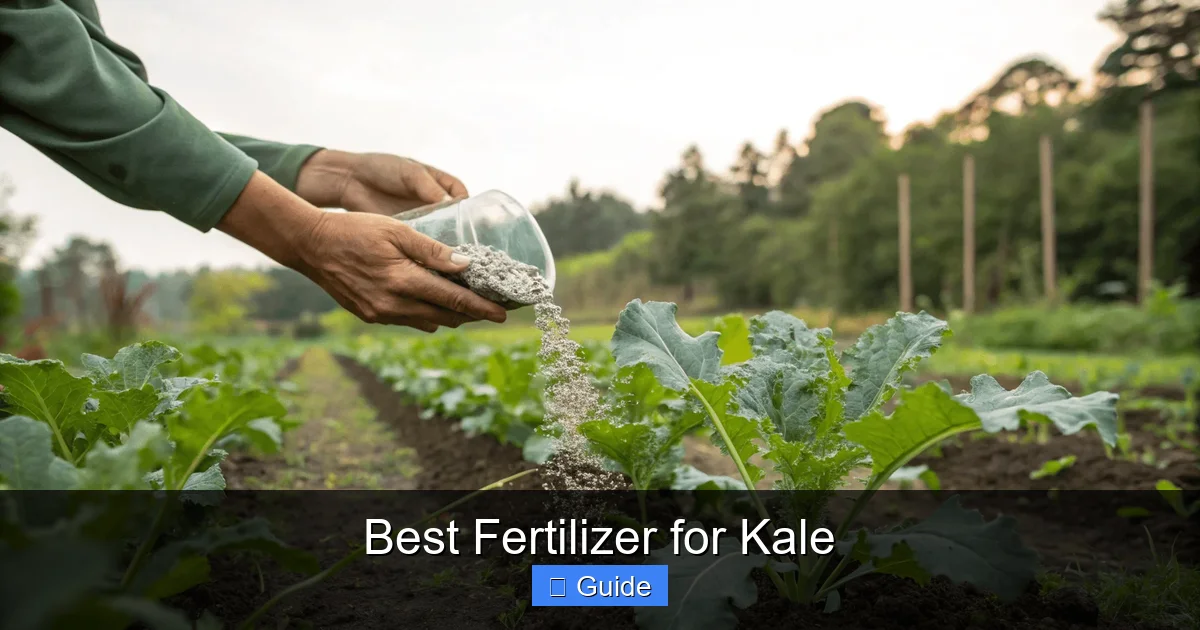
Kale thrives with nitrogen-rich fertilizers that support vigorous leaf growth. Choose organic options like composted manure, fish emulsion, or blood meal for steady feeding. Apply fertilizer at planting and side-dress every 3-4 weeks for continuous harvests of tender, flavorful greens.
Growing kale feels like winning the garden lottery. This leafy green delivers massive nutrition, handles cold like a champ, and keeps producing for months. But here is the thing. Kale is a hungry plant. It pulls nutrients from the soil fast. If you want those big, tender, dark green leaves, you need to feed it right. The best fertilizer for kale makes all the difference between a struggling patch and a bumper crop.
I learned this the hard way. My first kale bed looked sad. The leaves stayed small. They turned pale yellow at the bottom. The plants just sat there. Then I started paying attention to soil fertility. The change was dramatic. Within weeks, my kale exploded with growth. The leaves got huge. The color deepened to that rich blue-green that signals peak nutrition. Now I want to share everything I know about feeding kale so you can skip the trial and error.
Key Takeaways
- Nitrogen is king: Kale needs high nitrogen for leaf production, so choose fertilizers with a higher first number in the NPK ratio.
- Organic wins long-term: Compost, aged manure, and slow-release organic blends build soil health while feeding plants steadily.
- Timing matters: Fertilize at planting, then side-dress every 3-4 weeks during the growing season for best results.
- Soil test first: A simple soil test reveals exactly what your garden needs, preventing over-fertilization and nutrient imbalances.
- Watch for signs: Yellowing lower leaves signal nitrogen deficiency. Dark green leaves with burnt tips indicate too much fertilizer.
- Container kale needs more: Potted plants lose nutrients faster. Feed container kale every 2 weeks with liquid fertilizer at half strength.
- Fall crops need less: Reduce feeding as days shorten. Late-season kale stores nutrients for winter survival and spring regrowth.
Quick Answers to Common Questions
What is the best NPK ratio for kale?
Kale thrives with nitrogen-heavy ratios like 10-5-5, 12-4-8, or even 12-0-0 for leaf production. The higher first number supports continuous leaf growth throughout the season.
How often should I fertilize kale?
Side-dress kale every 3-4 weeks during active growth. Container kale needs feeding every 2 weeks with liquid fertilizer at half strength since nutrients leach faster in pots.
Can I use coffee grounds as fertilizer for kale?
Yes, composted coffee grounds add nitrogen and organic matter. Apply a thin layer around plants or mix into compost. Fresh grounds can temporarily tie up nitrogen, so compost them first.
Why are my kale leaves turning yellow?
Yellowing lower leaves usually indicate nitrogen deficiency. Apply a fast-acting nitrogen source like fish emulsion or blood meal. Yellowing between veins on older leaves suggests magnesium deficiency instead.
Should I fertilize kale in the fall?
Stop nitrogen fertilizing 6 weeks before hard freeze. Continue monthly kelp sprays for frost tolerance. Apply light potassium if soil tests low. This helps kale survive winter and regrow in spring.
📑 Table of Contents
- Understanding What Kale Actually Needs
- Organic Fertilizer Options for Kale
- Synthetic Fertilizer Options
- When and How to Fertilize Kale
- Reading Your Plants: Deficiency and Toxicity Signs
- Special Situations and Pro Tips
- Making Your Own Kale Fertilizer Blend
- Common Fertilizer Mistakes to Avoid
- Fertilizer Storage and Safety
- Conclusion
Understanding What Kale Actually Needs
Kale belongs to the brassica family. Think cabbage, broccoli, Brussels sprouts. These plants share a common trait. They are heavy feeders. They demand rich soil and consistent nutrition. But kale has its own personality. Unlike heading cabbage that puts energy into one tight head, kale keeps making leaves. Cut one, and two more appear. This nonstop production requires steady fuel.
The Big Three Nutrients
Every fertilizer label shows three numbers. N-P-K. Nitrogen. Phosphorus. Potassium. For kale, nitrogen takes center stage. This nutrient drives leaf growth. It builds chlorophyll. It creates that lush green color. Phosphorus supports root development and energy transfer. Potassium regulates water movement and disease resistance. All three matter. But the ratio shifts for leafy greens.
Look for fertilizers with a higher first number. Something like 10-5-5 or 12-4-8 works well. Blood meal runs 12-0-0. Feather meal sits around 12-0-0 too. Fish emulsion typically shows 5-1-1. These nitrogen-forward options match what kale craves. But do not ignore the other two. Balanced nutrition prevents problems down the road.
Micronutrients Matter Too
Kale also needs calcium, magnesium, sulfur, and trace minerals. Calcium prevents tip burn on young leaves. Magnesium keeps older leaves green. Sulfur contributes to flavor compounds. Boron helps cell wall formation. A good compost or complete organic fertilizer covers these bases. Synthetic fertilizers often miss them unless specifically formulated with micros.
Soil pH Sets the Stage
Here is a secret. Fertilizer cannot work if your soil pH is off. Kale prefers slightly acidic to neutral soil. Aim for 6.0 to 7.0. Outside this range, nutrients lock up. The plants starve even in rich soil. Test your soil before planting. Lime raises pH. Sulfur lowers it. Adjust in fall for spring planting. This step alone can double your harvest.
Organic Fertilizer Options for Kale
Organic fertilizers feed the soil, not just the plant. They build microbial life. They improve structure. They release nutrients slowly. This matches kale’s long growing season perfectly. Let me walk you through the top organic choices.
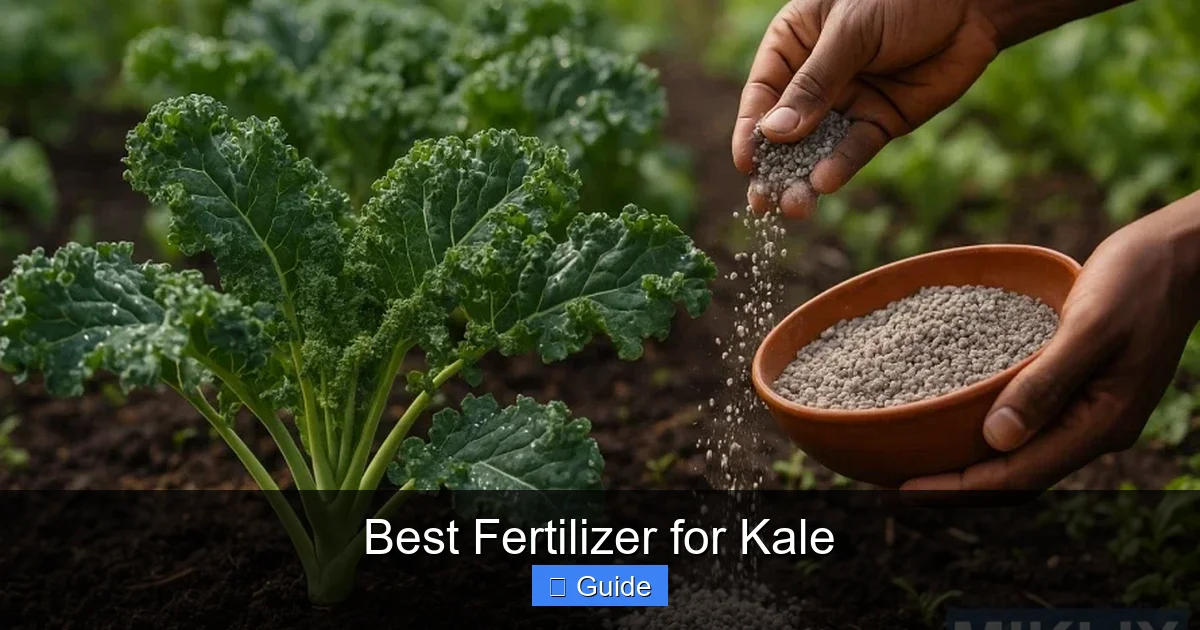
Visual guide about Best Fertilizer for Kale
Image source: miklix.com
Compost and Aged Manure
Good compost is the foundation. It provides a full spectrum of nutrients. It holds moisture. It feeds beneficial fungi and bacteria. Work two to three inches into the top six inches of soil before planting. Aged manure works similarly. Cow, horse, chicken, rabbit. All add organic matter and nutrients. Chicken manure runs hotter in nitrogen. Use it sparingly and always aged. Fresh manure burns roots and carries pathogens.
Blood Meal
Blood meal is a nitrogen powerhouse. At 12-0-0, it delivers fast green-up. Sprinkle it around plants and water in. Use about one cup per ten feet of row. It works within days. The downside? It can attract dogs and wildlife. It also acidifies soil over time. Monitor pH if you use it heavily. For a quick nitrogen boost, nothing beats blood meal.
Feather Meal
Feather meal releases slower than blood meal. It runs 12-0-0 but breaks down over months. This makes it ideal for mixing into soil at planting. It feeds steadily all season. No spikes. No crashes. Apply two to three pounds per hundred square feet. It costs more but lasts longer.
Fish Emulsion and Hydrolysate
Liquid fish fertilizer feeds through leaves and roots. The emulsion smells strong but works fast. Dilute one tablespoon per gallon. Apply every two weeks as a soil drench or foliar spray. Fish hydrolysate retains more oils and proteins. It smells less. Both provide micronutrients along with NPK. Great for container kale too.
Seaweed and Kelp Products
Kelp meal and liquid seaweed bring growth hormones and trace minerals. They boost stress tolerance. They improve frost hardiness. Use kelp meal at one pound per hundred square feet at planting. Spray liquid kelp monthly. It does not replace nitrogen fertilizer. Think of it as a supplement. A multivitamin for your plants.
Alfalfa Meal
Alfalfa meal offers 3-1-2 plus triacontanol, a natural growth stimulant. It breaks down slowly. It encourages earthworms. Apply five pounds per hundred square feet. It works especially well in combination with other organics. Many gardeners mix alfalfa, kelp, and feather meal for a complete DIY blend.
Worm Castings
Vermicompost is black gold. It contains beneficial microbes, enzymes, and plant-ready nutrients. Mix into planting holes. Top dress around established plants. Brew worm tea for foliar feeding. A little goes a long way. Ten percent castings in potting mix transforms container growing.
Synthetic Fertilizer Options
Sometimes you need fast, precise nutrition. Synthetic fertilizers deliver exact NPK ratios. They work immediately. They cost less per pound of nutrient. But they do not build soil. They can burn if overapplied. They leach quickly in rain. Use them strategically, not exclusively.
Water-Soluble Balanced Fertilizers
Products like 20-20-20 or 10-10-10 dissolve instantly. Mix at half strength for kale. Apply every two weeks. These work well for quick correction of deficiencies. They also work for hydroponic systems. But they require frequent application. Nutrients wash through soil in days.
Slow-Release Granular Fertilizers
Coated pellets release over three to six months. Look for formulas like 14-14-14 or 12-6-6 with polymer coating. Apply at planting. One application feeds all season. Temperature and moisture control release rate. These reduce labor but cost more upfront. They work well for busy gardeners.
Calcium Nitrate
Calcium nitrate provides 15.5-0-0 plus 19% calcium. It prevents tip burn. It does not acidify soil. Use it as a side-dressing when heads form on other brassicas. For kale, apply lightly every month. It keeps leaves crisp and cell walls strong. Great for acidic soils that need calcium without lime.
Ammonium Sulfate
At 21-0-0, this delivers serious nitrogen. It also lowers pH. Use on alkaline soils. Apply carefully. It burns easily. Water thoroughly after application. One tablespoon per plant monthly suffices. Not for routine use. Think of it as a targeted tool.
When and How to Fertilize Kale
Timing transforms good fertilizer into great results. Kale has distinct growth phases. Each phase has different needs. Match your feeding to the plant’s calendar.
Before Planting: Build the Foundation
Two weeks before transplanting or direct seeding, work in your base fertilizer. This means compost, aged manure, and slow-release organics. Mix thoroughly into the top eight inches. If using synthetic, choose a balanced slow-release. Water the bed well. Let it settle. This creates a nutrient reservoir for young roots.
At Planting: Give a Gentle Start
Add a handful of compost to each planting hole. Mix with native soil. For seeds, sprinkle worm castings in the furrow. Avoid strong nitrogen at this stage. You want roots first, leaves second. A starter solution of fish emulsion at quarter strength helps transplants settle.
Early Growth: Nitrogen Push
Three weeks after transplanting, or when direct-seeded plants have four true leaves, start the nitrogen program. Side-dress with blood meal, feather meal, or high-nitrogen organic blend. Apply in a band four inches from stems. Scratch in lightly. Water well. Repeat every three to four weeks.
Mid-Season: Maintain Momentum
Keep the rhythm going. Watch lower leaves. Yellowing means feed now. Dark green with curled tips means back off. Adjust based on weather. Heavy rain leaches nitrogen. Hot spells slow growth. Cool cloudy weather reduces nutrient uptake. Flex your schedule to conditions.
Late Season: Taper Off
Six weeks before your first hard freeze, stop nitrogen. Let plants harden off. Excess nitrogen creates tender growth that winter kills. Continue kelp sprays for frost tolerance. Apply a light potassium boost if soil tests low. Wood ash works. So does langbeinite. This prepares kale for winter harvest and spring regrowth.
Container Feeding Schedule
Pots change everything. Nutrients leach with every watering. Feed container kale weekly with liquid fertilizer at half strength. Alternate fish emulsion and kelp. Top dress monthly with worm castings. Refresh potting mix annually. Container kale depends entirely on you for nutrition.
Reading Your Plants: Deficiency and Toxicity Signs
Your kale talks to you. Learn its language. Visual symptoms guide your fertilizer decisions better than any calendar.
Nitrogen Deficiency
Classic sign. Older leaves turn pale yellow. Starting at tips. Moving inward. Growth slows. New leaves stay small. The plant cannibalizes old leaves to feed new ones. Fix with fast-acting nitrogen. Blood meal. Fish emulsion. Urea if organic not required. Response shows in days.
Phosphorus Deficiency
Less common in kale. Shows as purplish tint on older leaves. Especially undersides. Growth stunts. Roots suffer. Cold soil often triggers temporary phosphorus lockup. Warm the soil with black plastic. Add bone meal or rock phosphate for long-term fix.
Potassium Deficiency
Leaf edges brown and curl. Like scorch marks. Stems weaken. Disease resistance drops. Add kelp meal, wood ash, or langbeinite. Greensand works slowly. Potassium sulfate acts faster. Balance matters. Too much potassium blocks magnesium.
Calcium Deficiency
Tip burn on young leaves. Growing point dies. New leaves emerge deformed. Acid soils cause this. Add lime long-term. Calcium nitrate short-term. Foliar calcium sprays help immediately. Consistent watering prevents most calcium issues. The nutrient moves with water.
Magnesium Deficiency
Interveinal chlorosis on older leaves. Veins stay green. Tissue between yellows. Epsom salts fix this fast. One tablespoon per gallon as foliar spray. Dolomitic lime prevents recurrence. High potassium fertilizers often induce magnesium deficiency.
Fertilizer Burn
Leaf edges brown and crispy. White crust on soil surface. Wilting despite wet soil. Roots look brown and shriveled. Flush with water. Heavy watering. Multiple times. Stop fertilizing. Let plant recover. Prevention beats cure. Always err on the side of less.
Special Situations and Pro Tips
Every garden differs. These scenarios need tailored approaches.
Growing Kale in Raised Beds
Raised beds drain fast. Nutrients leach faster. Increase feeding frequency by twenty-five percent. Use more slow-release organics. Mulch heavily to retain moisture and nutrients. Straw, leaves, grass clippings. The mulch breaks down into more fertilizer. Win-win.
Overwintering Kale
In zones 7 and warmer, kale survives winter. Stop nitrogen by October. Apply kelp monthly. Mulch deeply after ground freezes. In spring, remove mulch. Side-dress with compost. Watch for explosive growth. Overwintered kale produces the sweetest leaves after frost.
Cut-and-Come-Again Harvesting
Frequent cutting stimulates regrowth. Each harvest removes nutrients. Replace them. Light feeding after every third cutting. A cup of compost tea per plant. Or sprinkle alfalfa meal around base. Keep the factory running.
Seed Saving Considerations
If saving seed, nutrition shifts. Reduce nitrogen after flowering starts. Increase phosphorus and potassium. Support seed development. Boron becomes critical. Kelp sprays help. Stop all fertilizer two weeks before seed harvest. Clean seed needs no residual nutrients.
Hydroponic Kale
Hydroponics demands complete nutrient solution. Use a vegetative formula. EC around 1.8-2.2. pH 5.8-6.3. Change reservoir weekly. Monitor daily. Kale grows fast in hydro. Harvest in thirty days. But you manage everything. No soil buffer.
Interplanting and Companions
Kale plays well with others. Plant with nitrogen-fixing beans or peas. They share nitrogen. Avoid other heavy feeders like corn. Herbs like dill and chamomile improve flavor. Onions deter pests. Think of your bed as a community. Fertilize for the whole system.
Making Your Own Kale Fertilizer Blend
Custom blends save money. They match your exact soil needs. Here are two proven recipes.
All-Season Organic Blend
Mix four parts alfalfa meal. Two parts feather meal. One part kelp meal. One part rock phosphate. Half part azomite or glacial rock dust. Apply five pounds per hundred square feet at planting. Side-dress two pounds monthly. This covers macros, micros, and biology.
Quick-Release Liquid Concentrate
Steep one cup worm castings. Half cup alfalfa meal. Quarter cup kelp meal. In five gallons water. Twenty-four hours. Stir occasionally. Strain. Dilute one to ten. Use weekly. Add fish emulsion for extra nitrogen. This tea feeds leaves and soil life simultaneously.
Budget-Friendly Options
Grass clippings make free mulch-fertilizer. Layer thinly. They break down fast. Coffee grounds add nitrogen. Collect from cafes. Compost them first. Wood ash from clean fires supplies potassium. Spread lightly. Five pounds per hundred square feet max. Eggshells crushed fine add calcium. Slow but free.
Common Fertilizer Mistakes to Avoid
Smart gardeners learn from others’ errors. Here are the big ones.
Over-Fertilizing
More is not better. Excess nitrogen creates lush, weak growth. Aphids love it. Disease loves it. Flavor suffers. Storage quality drops. Follow rates. Cut them in half if unsure. You can always add. You cannot subtract.
Wrong Timing
Feeding late in fall wastes money. Feeding dormant plants wastes money. Feeding before rain wastes fertilizer. Feed when plants actively grow. Feed before rain only if light. Heavy rain washes it away. Check forecast. Plan accordingly.
Ignoring Soil Tests
Guessing costs more than testing. A twenty-dollar test saves hundreds in wasted fertilizer. It prevents toxic buildups. It catches pH problems. Test every three years. Annually if intensively gardening. The data pays for itself.
Using Lawn Fertilizer on Vegetables
Weed-and-feed products contain herbicides. They kill broadleaf plants. Kale is a broadleaf plant. Even straight lawn fertilizer runs too high in nitrogen. Wrong ratio. Wrong release rate. Wrong micronutrients. Keep lawn products on lawns.
Neglecting Micronutrients
NPK gets attention. Micros get ignored. Until problems appear. Boron deficiency causes hollow stems. Manganese deficiency mimics iron deficiency. Zinc deficiency stunts new growth. A complete organic fertilizer or annual rock dust application prevents these silent yield robbers.
Fertilizer Storage and Safety
Proper storage preserves potency. Safety protects you and yours.
Keep It Dry
Moisture ruins granular fertilizer. It clumps. It molds. It loses nitrogen to air. Store in sealed buckets. Gamma seal lids work great. Add desiccant packs. Elevate off concrete floors. Label everything with contents and date.
Separate Products
Never mix ammonia and bleach. Never mix acids and bases. Some fertilizer combinations create dangerous gases. Store herbicides far from fertilizers. Cross-contamination ruins gardens. Use dedicated scoops for each product.
Protect People and Pets
Blood meal and bone meal attract dogs. They eat until sick. Store securely. Wear gloves handling dusty products. Wash hands after. Keep children away from mixing areas. Organic does not mean harmless. Bat guano carries histoplasmosis spores. Respect all inputs.
Conclusion
Finding the best fertilizer for kale comes down to understanding this remarkable plant. Kale wants nitrogen. It wants steady supply. It wants healthy soil biology. Organic fertilizers deliver all three. They build the soil food web that sustains kale through months of harvest. Synthetic options work for quick fixes. But they miss the long game.
Start with a soil test. Build your beds with compost. Choose nitrogen-forward organics like feather meal or blood meal. Feed on schedule. Watch your plants. Adjust based on what they tell you. The results speak for themselves. Dark green leaves. Sweet flavor after frost. Armloads of harvest from a few square feet.
Your kale patch can become the envy of the neighborhood. The smoothie ingredient that makes you feel virtuous. The sautéed side that steals the dinner show. All it takes is the right nutrition at the right time. Grab your fertilizer. Head to the garden. Your kale is waiting.
Frequently Asked Questions
What is the best organic fertilizer for kale?
The best organic fertilizers for kale are nitrogen-rich options like feather meal, blood meal, fish emulsion, and well-aged composted manure. These provide steady nutrition while building long-term soil health.
Can I use Miracle-Gro on kale?
Yes, Miracle-Gro works for kale but use it at half strength. Choose the all-purpose or tomato formula. Apply every two weeks as a soil drench. Organic options build better soil long-term.
How much fertilizer does kale need per plant?
For granular fertilizer, apply about 1 tablespoon per plant every 3-4 weeks in a ring 4 inches from the stem. For liquids, use 1 cup of diluted solution per plant. Always follow package rates.
Is chicken manure good for kale?
Yes, aged chicken manure is excellent for kale due to its high nitrogen content. Use only fully composted manure to avoid burning plants and pathogen risks. Apply 1-2 inches worked into soil before planting.
What causes bitter kale leaves?
Bitterness comes from heat stress, water stress, or over-maturity, not fertilizer. However, excessive nitrogen can reduce flavor quality. Harvest young leaves, maintain consistent moisture, and provide afternoon shade in hot weather.
Can I grow kale without fertilizer?
Kale will grow in rich soil without added fertilizer, but yields will be lower and plants may show nutrient deficiencies. At minimum, work 2-3 inches of compost into beds before planting for baseline nutrition.