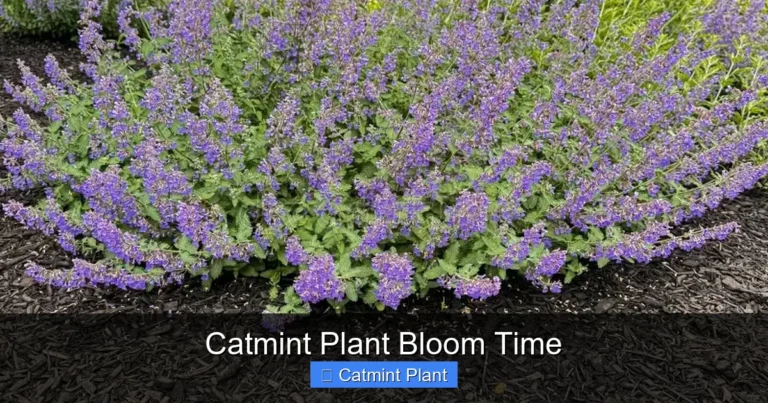
Purrsian Blue Catmint Plant Reviews
Purrsian Blue Catmint is a compact, drought-tolerant perennial that blooms from late spring through fall with vibrant blue-purple flowers. Gardeners consistently praise its tidy mounding habit, deer resistance, and ability to attract pollinators while requiring minimal maintenance.
If you have been searching for a perennial that delivers months of color without demanding hours of your time, you have likely come across Purrsian Blue Catmint plant reviews online. This charming little plant has been making waves in gardening circles for good reason. It checks almost every box a home gardener could want. It stays neat and tidy. It blooms for months. It handles heat and drought like a champion. And it brings life to the garden in the form of buzzing bees and fluttering butterflies.
But marketing claims only tell half the story. Real gardeners want to know how a plant actually performs in the ground, season after season. That is why we have dug deep into hundreds of Purrsian Blue Catmint plant reviews from verified buyers, university trials, and landscape professionals. In this comprehensive guide, we will break down everything you need to know. We will cover the good, the bad, and the practical tips that will help you decide if this catmint deserves a spot in your garden.
Key Takeaways
- Compact Growth Habit: Reaches only 14-18 inches tall and wide, making it perfect for small gardens, borders, and containers.
- Extended Bloom Season: Flowers from late spring through first frost with minimal deadheading required.
- Exceptional Drought Tolerance: Once established, thrives on rainfall alone in most climates.
- Pollinator Magnet: Attracts bees, butterflies, and hummingbirds throughout the growing season.
- Deer and Rabbit Resistant: Aromatic foliage naturally deters browsing animals.
- Low Maintenance: Requires little fertilizer, minimal pruning, and rarely needs division.
- Versatile Landscape Use: Works beautifully in rock gardens, cottage gardens, mass plantings, and as edging.
Quick Answers to Common Questions
How tall does Purrsian Blue Catmint grow?
Purrsian Blue Catmint grows 14 to 18 inches tall and 18 to 20 inches wide, forming a neat, compact mound.
Does Purrsian Blue Catmint come back every year?
Yes, it is a hardy perennial in Zones 3 to 8, returning reliably each spring with proper drainage.
When does Purrsian Blue Catmint bloom?
It blooms from late spring through fall, often June to October, with a heavy flush in early summer and rebloom after shearing.
Is Purrsian Blue Catmint deer resistant?
Yes, the aromatic, minty foliage is highly resistant to deer and rabbit browsing.
Can Purrsian Blue Catmint grow in pots?
Absolutely. It thrives in containers with well-draining potting mix and makes an excellent filler plant for sunny patios.
📑 Table of Contents
- What Is Purrsian Blue Catmint
- Real Gardener Experiences And Performance
- Growing Requirements For Success
- Planting And First Year Care
- Maintenance Through The Seasons
- Design Ideas And Companion Plants
- Troubleshooting Common Problems
- Buying Guide: What To Look For
- Comparison With Similar Plants
- Environmental Benefits And Ecological Value
- Frequently Asked Questions From Gardeners
- Final Thoughts On Purrsian Blue Catmint
What Is Purrsian Blue Catmint
Botanical Background
Purrsian Blue Catmint carries the botanical name Nepeta faassenii ‘Purrsian Blue’. It is a cultivar developed by Walters Gardens, Inc. as part of their Proven Winners lineup. This plant is a hybrid catmint, bred specifically for improved garden performance. It comes from a long line of catmints known for their aromatic foliage and long bloom times. But this particular variety was selected for its uniquely compact habit and intense flower color.
Key Physical Characteristics
Understanding what this plant looks like at maturity helps you plan your garden design. Purrsian Blue forms a dense, rounded mound. It typically reaches 14 to 18 inches in height. The spread matches the height at 18 to 20 inches wide. This uniform shape is one of its biggest selling points. Unlike older catmint varieties that can flop open in the center or sprawl aggressively, this one holds its form beautifully.
The foliage is a lovely gray-green color. The leaves are small, aromatic, and slightly fuzzy to the touch. When brushed or crushed, they release a pleasant minty fragrance. This scent is what deters deer and rabbits. The flowers are where this plant truly shines. They appear in dense, terminal spikes that rise just above the foliage. The color is a deep periwinkle blue with a hint of purple. The calyxes are dark purple, which adds depth and richness to the floral display even after the petals drop.
How It Differs From Other Catmints
If you are familiar with catmint, you might know ‘Walker’s Low’ or ‘Six Hills Giant’. Those are wonderful plants, but they are big. They can reach 30 inches tall and spread 36 inches or more. They often need staking or a hard shear back in midsummer to look tidy. Purrsian Blue was bred to solve those problems. It is roughly half the size. It does not flop. It does not take over the garden. It fits into modern, smaller landscapes with ease.
Another common variety is ‘Cat’s Meow’, also from Walters Gardens. ‘Cat’s Meow’ is slightly larger at 17 to 20 inches tall. Purrsian Blue is the most compact of the blue-flowered nepeta introductions in recent years. It also tends to have a tighter, more uniform mound. The flower color is often described as slightly deeper and more saturated than its siblings.
Real Gardener Experiences And Performance
What The Reviews Consistently Praise
Reading through hundreds of Purrsian Blue Catmint plant reviews reveals clear patterns. The number one compliment is the bloom time. Gardeners from Zone 4 to Zone 9 report flowers starting in late May or early June. The show continues straight through September and often into October. A light shear after the first flush encourages an even heavier second bloom. But even without that extra step, the plant keeps flowering.
The second most praised trait is the habit. Words like “tidy,” “neat,” “perfect mound,” and “never flops” appear again and again. This is a huge deal for gardeners who have fought with floppy perennials. You plant it, it grows into a perfect dome, and it stays that way all season. No staking. No cages. No tying up.
Pollinator activity is the third highlight. Reviewers love posting photos of their plants covered in bees. Honeybees, bumblebees, native solitary bees, and butterflies all flock to the nectar-rich flowers. Hummingbirds visit frequently too. If you want a wildlife garden, this plant delivers.
Drought tolerance gets high marks once the plant is established. Many reviewers in hot, dry climates like Texas, Colorado, and California note that their plants sail through summer heat waves with only occasional deep watering. The silvery foliage reflects heat and reduces water loss.
Common Criticisms And Limitations
No plant is perfect, and honest Purrsian Blue Catmint plant reviews do mention a few drawbacks. The most common complaint involves the first year. Like many perennials, this catmint sleeps, creeps, then leaps. The first season, it may look a bit small or sparse. It is focusing energy on root development. Impatient gardeners sometimes give up too soon.
A few reviewers in very humid climates, such as the Deep South or Gulf Coast, report issues with fungal diseases. Powdery mildew or crown rot can occur if air circulation is poor or soil stays soggy. This plant wants sharp drainage. Heavy clay soil without amendment can be a death sentence.
Some gardeners note that the flower color can look a bit washed out in intense, full-sun heat. The deepest, richest blue-purple shows best with a little afternoon shade in the hottest zones. In cooler northern gardens, full sun all day produces the most vibrant color.
A minor annoyance for a few people is the attraction of cats. It is catmint, after all. Neighborhood cats may roll on young plants. This usually does not kill the plant, but it can flatten the mound temporarily. Mature, woody-based plants are less appealing to cats than soft new growth.
Regional Performance Variations
Performance varies by region, and Purrsian Blue Catmint plant reviews reflect this. In the Northeast and Midwest, this plant is a superstar. Cold winters satisfy its dormancy requirement. Moderate summers keep it blooming nonstop. It often overwinters as a semi-evergreen mound, providing winter interest.
In the Pacific Northwest, it thrives in well-drained soils. Wet winter soils are the enemy there. Raised beds or gravelly soil ensure success. Gardeners in this region report some of the longest bloom seasons, sometimes April to November.
In the South, afternoon shade is almost mandatory in Zones 8 and 9. Morning sun with dappled afternoon light keeps the foliage fresh and the flowers colorful. Excellent drainage is non-negotiable. Many southern gardeners treat it as a short-lived perennial or even an annual, replacing it every few years when the crown eventually rots out.
In the arid West and Southwest, it excels with minimal water once established. It handles alkaline soils well. The intense sun can bleach flowers slightly, but the sheer volume of blooms makes up for it. It is a staple in xeriscape designs.
Growing Requirements For Success
Sun Exposure Needs
Full sun is the gold standard for Purrsian Blue Catmint. That means at least six hours of direct, unfiltered sunlight daily. In Zones 7 and north, eight to ten hours is even better. More sun equals more flowers, stronger stems, and better fragrance. In Zones 8 and 9, some afternoon shade is beneficial. It prevents the foliage from scorching and keeps the flower color deeper. Too much shade leads to leggy growth, fewer flowers, and increased disease risk.
Soil Preferences And Preparation
This plant is not fussy about soil fertility. In fact, rich, heavily amended soil can cause weak, floppy growth. It prefers lean, well-drained soil. Sandy loam is ideal. Gravelly soil works great. Heavy clay is the main problem. If you have clay, you must amend it. Mix in coarse sand, fine gravel, or expanded shale. Create a raised berm or plant on a slope. The crown of the plant must never sit in water.
Soil pH is flexible. Slightly acidic to slightly alkaline (6.0 to 8.0) is perfectly fine. It tolerates alkaline soils better than many perennials. This makes it a good choice for areas near concrete foundations or limestone beds.
Watering Guidelines
Water regularly during the first growing season. This means deep watering once or twice a week, depending on rain and heat. The goal is to encourage deep roots. After the first year, cut back dramatically. In most regions, established plants need supplemental water only during extended droughts. Overwatering is far more dangerous than underwatering. Wet feet kill this plant faster than anything else.
A good rule of thumb: if your lawn is green without watering, your catmint is fine. If the lawn is dormant and brown, give the catmint a deep soak every two to three weeks.
Fertilizing Needs
Skip the fertilizer. Seriously. Purrsian Blue Catmint performs best in lean conditions. Excess nitrogen produces lush, soft foliage at the expense of flowers. It also weakens stems, leading to flopping. If your soil is extremely poor, a light application of compost in early spring is plenty. A single shovelful worked into the soil around the base is enough. Do not use manure. Do not use high-nitrogen lawn fertilizer nearby.
Hardiness Zone Reality Check
The label says Zones 3 to 8. Some sources stretch it to Zone 9. Reality check: In Zone 3, it needs reliable snow cover or mulch for winter protection. In Zone 8 and 9, it struggles with heat and humidity. It often acts as a biennial or short-lived perennial in the deep South. Gardeners in Zone 9 should treat it as a cool-season annual or provide significant afternoon shade and perfect drainage. In Zone 3, plant in a protected spot and mulch heavily after the ground freezes.
Planting And First Year Care
When To Plant
Spring planting is ideal in Zones 3 through 6. The plant has a full season to establish roots before winter. Plant after the last frost date when soil has warmed to at least 50 degrees Fahrenheit. In Zones 7 through 9, fall planting works beautifully. Plant in early fall, at least six weeks before the first hard freeze. The cool, moist conditions encourage root growth without top growth stress. Summer planting is possible anywhere if you are diligent with watering, but it is stressful for the plant.
Spacing For Optimal Growth
Space plants 18 to 20 inches apart on center. This allows each plant to form its signature round mound without crowding. If you are creating a solid border or mass planting, you can space them 16 inches apart for quicker fill-in. Do not plant closer than 16 inches. Crowding reduces air circulation and invites disease. For container planting, use one plant per 12-inch pot or three plants in a 24-inch container.
Planting Technique
Dig a hole twice as wide as the root ball but no deeper. The top of the root ball should sit level with the surrounding soil or slightly above. Do not plant deep. The crown is sensitive to burial. Backfill with native soil mixed with a little compost if your soil is poor. Do not amend the backfill heavily. You want roots to venture out into native soil, not stay in a perfect pocket. Water thoroughly after planting to settle soil and eliminate air pockets. Apply a thin layer of gravel mulch or shredded bark. Keep mulch away from the crown.
First Season Expectations
Year one is the establishment year. The plant may bloom lightly. It may not reach full size. The mound might look a little loose. This is normal. Focus on root development. Water consistently. Deadhead spent flowers to encourage more buds. Do not cut back foliage in fall. Leave it standing for winter protection. In spring, cut back to about 3 inches above ground when you see new growth emerging at the base.
Maintenance Through The Seasons
Spring Cleanup And Care
Early spring is the main maintenance event. Once you see new green shoots at the base, cut the old stems back to 3 to 4 inches. Use clean, sharp pruners. Do not pull or tear the old stems. You risk damaging the crown. Remove any winter mulch from around the base. Apply a thin layer of fresh compost if desired. This is also the time to divide if the plant is over three years old and the center is dying out.
Summer Deadheading And Shearing
Deadheading is optional but recommended for the heaviest rebloom. After the first big flush fades in midsummer, shear the entire plant back by about one-third to one-half. Use hedge shears or large scissors. This removes spent flowers and stimulates fresh growth and a massive second bloom. It also freshens the foliage. The plant will look a bit bald for a week, then explode with new growth. If you skip shearing, you will still get flowers, but they will be sparser and the plant may look a bit tired.
Fall And Winter Preparation
Stop deadheading in early fall. Let the last flowers go to seed. The seed heads add winter interest and feed birds. Do not fertilize after July onward. Do not water heavily going into winter. In Zones 3 to 5, apply a loose mulch of straw, pine needles, or shredded leaves after the ground freezes. This prevents freeze-thaw cycles from heaving the plant. In warmer zones, no winter mulch is needed. The foliage often stays semi-evergreen.
Division Timeline
Purrsian Blue Catmint rarely needs division. It does not die out in the center like some perennials. However, after four to five years, the woody base can become less productive. Spring is the best time to divide. Dig the whole clump. Use a sharp spade or knife to cut into sections, each with roots and shoots. Replant immediately at the same depth. Water well. Divisions may sulk for a few weeks but recover quickly.
Design Ideas And Companion Plants
Front Of Border Superstar
This is the classic use. Plant Purrsian Blue along the front edge of a sunny border. Its low, mounding habit creates a soft, flowering edge. It hides the bare legs of taller perennials behind it. The blue flowers pair beautifully with almost anything. Try it in front of pink coneflowers, yellow coreopsis, white shasta daisies, or red salvia. The gray-green foliage provides a neutral backdrop that makes neighboring colors pop.
Rock Garden And Gravel Garden Star
The drainage in rock gardens is perfect for this catmint. The compact size fits between stones without overwhelming them. The foliage softens hard edges. The flowers echo the blue of the sky. Pair it with sedums, hens and chicks, creeping thyme, and dwarf ornamental grasses like blue fescue. The textural contrast is stunning.
Container Combinations
Purrsian Blue thrives in containers. Use a gritty, well-draining potting mix. Add extra perlite or pumice. Ensure the pot has drainage holes. It makes a great “filler” in the thriller-filler-spiller formula. Pair it with a tall grass or spike dracaena as the thriller. Add a trailing calibrachoa or verbena as the spiller. The catmint fills the middle with months of color. Water when the top inch of soil is dry. Fertilize lightly once a month with half-strength balanced fertilizer.
Pollinator Garden Essential
If you are planting for bees and butterflies, this plant is non-negotiable. Plant it in drifts of three, five, or seven for maximum impact. Mass plantings are easier for pollinators to find and work efficiently. Combine it with other long-blooming pollinator favorites: bee balm, butterfly weed, anise hyssop, and Russian sage. You will have a buzzing garden from June to frost.
Edging And Pathway Planting
Plant it along a garden path or driveway edge. The aromatic foliage releases scent when brushed by passersby. The neat habit means it will not flop onto the path. It softens hard lines beautifully. It handles reflected heat from pavement well, as long as drainage is good.
Troubleshooting Common Problems
Floppy Or Leggy Growth
If your plant is flopping open or stretching tall with weak stems, the cause is usually too much shade, too much water, too much fertilizer, or overcrowding. Fix the cultural issue. Shear it back hard in early summer. It will regrow tighter. Moving it to a sunnier spot next spring is the permanent solution.
Yellowing Leaves
Yellow leaves usually mean wet feet. Check drainage. Is the soil soggy? Is there a low spot collecting water? Improve drainage or move the plant. Yellowing can also indicate root rot from overwatering. Let the soil dry out completely between waterings. In containers, ensure the pot is not sitting in a saucer of water.
Powdery Mildew
This appears as a white, powdery coating on leaves. It happens in humid conditions with poor air circulation. Space plants properly. Avoid overhead watering. Water at the base. If it appears, remove affected leaves. Spray with a homemade baking soda solution (1 teaspoon baking soda, 1 quart water, few drops dish soap) or use a commercial fungicide labeled for ornamentals. The plant usually outgrows it when weather dries.
Crown Rot
This is the killer. The plant wilts, turns brown at the base, and collapses. It is caused by soil-borne fungi in wet conditions. There is no cure. Remove the plant and surrounding soil. Do not replant catmint in that spot for several years. Improve drainage before trying again. Prevention is everything: sharp drainage, no mulch against crown, no overwatering.
Cat Damage
If neighborhood cats are flattening your plant, try a few deterrents. Lay chicken wire flat on the ground around the plant. Cats dislike walking on it. Use pine cone mulch or prickly sweet gum balls. Commercial cat repellent sprays work temporarily. A motion-activated sprinkler is the nuclear option. Most cats lose interest once the plant gets woody.
Buying Guide: What To Look For
Choosing Healthy Plants At The Nursery
When shopping, look for plants with vibrant gray-green foliage. Avoid plants with yellowing leaves, especially at the base. Check the roots. Gently tip the pot. Roots should be white and firm, not brown and mushy. The root ball should hold together but not be a solid mat circling the pot. A few roots showing at the bottom holes is fine. Avoid plants already in full bloom in a tiny pot. They are often root-bound and stressed. A bushy plant in bud is better than a blooming plant that is root-bound.
Online Ordering Tips
Many gardeners buy perennials online. Read Purrsian Blue Catmint plant reviews for the specific nursery. Look for companies that ship in pots, not bare root, for this variety. It establishes faster from a pot. Check the pot size. A 1-quart or 1-gallon pot gives you a substantial plant. Plugs or 3-inch pots take an extra year to fill out. Verify the ship date matches your planting window. Open the box immediately on arrival. Water if dry. Harden off for a few days before planting.
Price Expectations
Expect to pay $12 to $18 for a 1-quart pot at a local nursery. Online, a 1-gallon plant often runs $15 to $25 plus shipping. Sales in late summer can drop prices 30 to 50 percent. Buying in fall for spring planting is a smart budget move. The plant establishes roots over winter and explodes in spring.
Comparison With Similar Plants
Purrsian Blue Vs. Walker’s Low
Walker’s Low is the classic catmint. It is bigger, looser, and more sprawling. It reaches 2 to 2.5 feet tall and wide. It flops without shearing. The flowers are a lighter lavender-blue. It is tougher in extreme cold (Zone 3) and extreme heat (Zone 9). Purrsian Blue is the refined, compact, modern version. Choose Walker’s Low for large, naturalistic areas. Choose Purrsian Blue for tidy gardens, small spaces, and containers.
Purrsian Blue Vs. Cat’s Meow
Cat’s Meow is the sibling from the same breeder. It is slightly larger at 17 to 20 inches. The habit is a bit looser, more billowy. The flower color is a touch lighter. Purrsian Blue is tighter, more compact, and deeper blue. If you want the absolute neatest mound, pick Purrsian Blue. If you want a slightly softer, fuller look, pick Cat’s Meow. Both are excellent.
Purrsian Blue Vs. Russian Sage
Russian Sage (Perovskia) is often confused with catmint. It is much larger (3 to 4 feet). It has silvery foliage and airy lavender-blue spikes. It blooms later (mid-summer to fall). It is woody-based and shrub-like. Catmint is herbaceous, softer, and blooms earlier. They are wonderful together. Russian Sage in back, Purrsian Blue in front.
Purrsian Blue Vs. Lavender
Lavender looks similar but has different needs. Lavender demands perfect drainage, alkaline soil, and low humidity. It is harder to grow in many climates. Catmint is far more adaptable. Lavender is a sub-shrub; do not cut into old wood. Catmint is an herbaceous perennial; cut to the ground. If you have failed with lavender, try Purrsian Blue. You get a similar look with much less fuss.
Environmental Benefits And Ecological Value
Pollinator Support
The ecological value of this plant is immense. The nectar-rich flowers feed a huge diversity of native bees. Bumblebees, mason bees, leafcutter bees, and sweat bees all visit. Honeybees love it. Butterflies including skippers, sulfurs, and swallowtails feed regularly. Hummingbirds sip nectar. The long bloom season provides a reliable food source when other flowers are scarce. Planting it is a tangible way to support biodiversity.
Water Conservation
In an era of increasing drought and water restrictions, plants like Purrsian Blue are invaluable. Once established, it thrives on natural rainfall in many regions. It reduces the need for irrigation. Its deep taproot accesses moisture far below the surface. Using it in place of thirsty annuals saves thousands of gallons of water over time.
Reduced Chemical Inputs
Because it is naturally pest-resistant and disease-resistant (in proper conditions), it rarely needs pesticides or fungicides. Deer and rabbit resistance means no repellent sprays. Low fertilizer needs mean no nutrient runoff. It is a perfect plant for organic and sustainable gardens.
Soil Health
The deep, fibrous root system improves soil structure. It creates channels for water infiltration. It feeds soil microbes through root exudates. When the top growth dies back in winter (or is cut), it adds organic matter. It is a soil-building plant disguised as a pretty flower.
Frequently Asked Questions From Gardeners
Does Purrsian Blue Catmint Spread Aggressively
No. It is a clump-forming perennial. It does not run by rhizomes or stolons. It slowly increases in width each year but stays a distinct mound. It may self-seed lightly in ideal conditions, but seedlings are easy to pull or transplant. It is not invasive.
Is It The Same As Catnip
No. Catnip is Nepeta cataria. It is a weedy, less ornamental plant that drives cats wild. Catmint (Nepeta faassenii and hybrids) is ornamental, tidy, and much less attractive to cats. Cats may roll on it, but they do not destroy it like catnip.
Can It Grow In Shade
It tolerates light shade (4 to 6 hours sun) but flowers less and gets leggy. Deep shade will kill it. If you have shade, look for alternatives like Japanese forest grass, hostas, or ferns.
How Long Does It Live
In ideal conditions (Zones 4 to 7, well-drained soil), it can live 5 to 10 years or more. In hot, humid climates or heavy clay, it may decline after 2 to 3 years. Regular division every 4 to 5 years rejuvenates it.
Can I Grow It Indoors
Not recommended. It needs full sun, seasonal dormancy, and excellent air circulation. Indoors, it gets leggy, attracts spider mites, and rarely flowers well. Grow it outside.
When Should I Cut It Back
Cut back in early spring when new growth appears at the base. Do not cut back in fall. The old foliage protects the crown. Optional summer shear after first bloom for rebloom.
Final Thoughts On Purrsian Blue Catmint
After diving deep into Purrsian Blue Catmint plant reviews and growing this plant ourselves, the verdict is clear. This is one of the most reliable, rewarding perennials you can plant. It solves so many garden problems. Need color in a hot, dry spot? This works. Need a neat edging plant that will not flop onto the path? This works. Want to feed bees for five months straight? This works. Have a small garden where every plant must earn its keep? This works.
It is not magic. It demands drainage. It needs sun. It dislikes wet winters in the South. But give it what it wants, and it gives back tenfold. The breeding breakthrough here is real. The compact habit, the extended bloom, the clean foliage, and the intense color combine to create a plant that feels like it was designed for the modern gardener. Busy people, new gardeners, pollinator enthusiasts, and design-focused landscapers all find value in it.
If you have been on the fence, take the plunge. Buy three. Plant them in a sunny, well-drained spot. Water them well the first year. Then step back and watch. You will understand why the reviews are so glowing. Purrsian Blue Catmint is a garden workhorse that looks like a show horse. It earns its place in the border, the rock garden, the container, and the pollinator patch. Happy planting.
Frequently Asked Questions
What is the difference between Purrsian Blue and Cat’s Meow catmint?
Purrsian Blue is slightly more compact at 14-18 inches with a tighter mound and deeper blue-purple flowers. Cat’s Meow reaches 17-20 inches with a slightly billowier habit and lighter lavender-blue blooms. Both are excellent Proven Winners varieties.
How do I prevent my catmint from flopping open?
Flopping is usually caused by too much shade, overwatering, or excess fertilizer. Plant in full sun, water sparingly once established, avoid fertilizer, and shear back by half after the first bloom flush to maintain a tight habit.
Will Purrsian Blue Catmint survive winter in Zone 3?
Yes, it is hardy to Zone 3 with reliable snow cover or a protective winter mulch applied after the ground freezes. Plant in a sheltered location for best results in the coldest zones.
Why is my catmint turning yellow and dying?
Yellowing and collapse usually indicate crown rot from poor drainage or overwatering. Ensure soil drains sharply, keep mulch away from the crown, and water deeply but infrequently. Heavy clay soil must be amended with grit.
Do I need to deadhead Purrsian Blue Catmint?
Deadheading is not required but highly recommended. Shearing the plant back by one-third after the first bloom flush stimulates a heavier second bloom and freshens the foliage for a tidier appearance.
Can I divide Purrsian Blue Catmint in the fall?
Spring division is strongly preferred. Divide in early spring when new growth emerges. Fall division risks winter loss because divisions may not establish sufficient roots before freezing temperatures arrive.