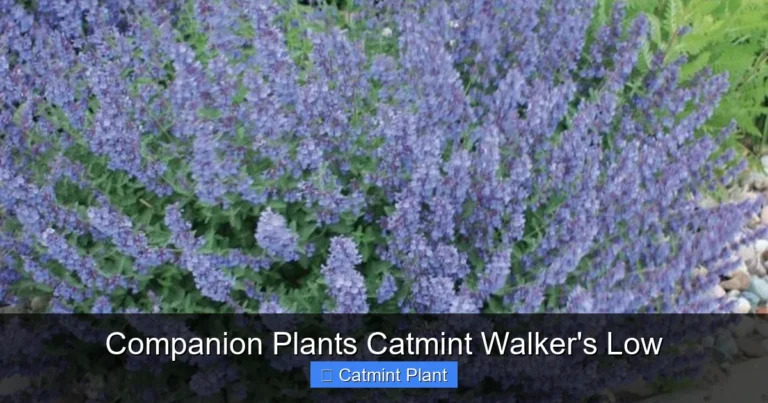
Catmint Plants Care
Catmint is a low‑maintenance perennial that rewards you with fragrant foliage and lavender‑blue flowers when given proper catmint plants care. Give it full sun, well‑drained soil, and occasional pruning, and it will bloom from late spring through fall.
If you love a garden that smells like a gentle summer breeze, catmint is a perfect choice. This hardy perennial offers aromatic gray‑green leaves and spikes of soft purple flowers that attract bees, butterflies, and even curious cats. With a little knowledge about catmint plants care, you can enjoy months of color and fragrance without spending hours on maintenance.
In this guide we walk through every step, from picking the right spot to seasonal chores that keep the plant looking fresh. Whether you are a beginner or a seasoned gardener, the tips below will help you grow a healthy, blooming catmint patch year after year.
Grab a cup of tea, pull up a chair, and let’s dive into the world of catmint plants care together.
Key Takeaways
- Sunlight: Catmint thrives in at least six hours of direct sun each day.
- Soil: Well‑drained, slightly alkaline soil prevents root rot and encourages strong growth.
- Watering: Water deeply but infrequently; let the top inch of soil dry between waterings.
- Pruning: Cut back after the first flush to promote a second bloom and keep plants tidy.
- Pest control: Watch for aphids and spider mites; use insecticidal soap or neem oil early.
- Division: Divide clumps every three to four years in early spring to rejuvenate vigor.
Quick Answers to Common Questions
How much sun does catmint need?
Catmint thrives with at least six hours of direct sunlight each day.
When should I prune catmint?
Prune after the first bloom in early summer and again in early spring before new growth starts.
What type of soil is best for catmint?
Well‑drained, slightly alkaline soil with a pH between 6.5 and 7.5 works best.
How often should I water established catmint?
Water deeply every 10 to 14 days during dry periods, allowing the top inch of soil to dry out.
Can catmint be grown in containers?
Yes, use a pot with drainage holes, a gritty potting mix, and follow the same watering and pruning guidelines.
📑 Table of Contents
Catmint Plants Care: Choosing the Right Spot
Sunlight Requirements
Catmint loves sunshine. Aim for at least six hours of direct light each day. In hotter climates a little afternoon shade can prevent leaf scorch, but too much shade reduces flowering. A sunny border, a rock garden, or a south‑facing slope all work well.
Soil Preferences
Well‑drained soil is non‑negotiable for catmint plants care. Heavy clay holds water and leads to root rot. Amend clay with coarse sand, perlite, or compost to improve drainage. A slightly alkaline pH between 6.5 and 7.5 is ideal, but the plant tolerates a range from 6.0 to 8.0.
Spacing and Airflow
Give each plant about 18 to 24 inches of space. Good airflow reduces fungal diseases like powdery mildew. If you plant in rows, stagger them so air can move freely between the stems.
Catmint Plants Care: Planting Successfully
When to Plant
Spring is the classic planting window, after the last frost when the soil has warmed to at least 50°F. In mild zones you can also plant in early fall, giving roots time to establish before winter.
How to Plant
Dig a hole twice as wide as the root ball and just as deep. Loosen the roots gently, place the plant so the crown sits level with the soil surface, and backfill with the amended mix. Firm the soil lightly and water thoroughly to settle any air pockets.
Watering After Planting
Keep the soil evenly moist for the first two weeks. After that, transition to the deep‑and‑infrequent schedule described later. Mulching with straw or shredded bark helps retain moisture and suppress weeds.
Catmint Plants Care: Ongoing Maintenance
Watering Schedule
Established catmint is drought tolerant. Water deeply once every 10 to 14 days during dry spells, allowing the top inch of soil to dry out between sessions. Overwatering is the most common mistake in catmint plants care and leads to weak, floppy stems.
Fertilizing Tips
Catmint does not need heavy feeding. A light application of balanced 10‑10‑10 fertilizer in early spring is enough. Alternatively, work a handful of compost into the soil around the base each year. Too much nitrogen encourages leafy growth at the expense of flowers.
Pruning and Deadheading
After the first bloom fades, shear the plant back by about one‑third. This encourages a second flush of flowers in late summer. In early spring, cut the previous year’s growth down to 4–6 inches above ground to promote fresh, vigorous shoots.
Catmint Plants Care: Managing Pests and Diseases
Common Pests
Aphids, spider mites, and whiteflies occasionally visit catmint. Inspect the undersides of leaves weekly. A strong spray of water dislodges many insects. For persistent infestations, apply insecticidal soap or neem oil early in the morning.
Fungal Issues
Powdery mildew appears as a white dusting on leaves, especially in humid, crowded conditions. Improve airflow, avoid overhead watering, and remove affected foliage promptly. A sulfur‑based fungicide can be used as a last resort.
Preventive Measures
Rotate planting locations every few years if you grow catmint in the same bed. Clean up fallen leaves in autumn to reduce overwintering spores. Healthy, well‑spaced plants are naturally more resistant.
Catmint Plants Care: Propagation and Division
Seed Propagation
Collect seeds from dried flower heads in late summer. Sow them indoors 6–8 weeks before the last frost, barely covering with soil. Keep the medium moist and provide bright light. Transplant seedlings outdoors after hardening off.
Division in Spring
Every three to four years, lift the clump in early spring. Use a sharp spade to split the root mass into sections, each with several shoots and a healthy root system. Replant divisions immediately at the same depth.
Root Cuttings
In late winter, take 2‑inch root sections from a dormant plant. Lay them horizontally in a tray of moist sand, cover lightly, and keep in a cool, bright spot. New shoots emerge in 4–6 weeks, ready for potting.
Catmint Plants Care: Seasonal Tips for Year‑Round Beauty
Spring Care
Remove winter mulch, apply a thin layer of compost, and prune back old stems. Check for any frost‑damaged tissue and cut it away. This sets the stage for a strong first bloom.
Summer Maintenance
Deadhead spent flowers weekly to prolong blooming. Water deeply during heat waves, but let the soil dry between waterings. Watch for pests and treat early.
Fall Clean‑up
After the final bloom, cut the plant back to 6 inches. Rake away debris to prevent disease carryover. Apply a light mulch layer to protect roots in colder zones.
Winter Protection
In zones 4–5, add a thicker mulch of straw or shredded leaves after the ground freezes. In milder zones, catmint often stays evergreen and needs no extra cover.
Conclusion
Catmint plants care is surprisingly simple once you understand the basics: sun, drainage, moderate water, and timely pruning. Follow the steps outlined above and you’ll be rewarded with a fragrant, pollinator‑friendly display that lasts from spring through fall. Whether you line a pathway, fill a rock garden, or create a low‑maintenance border, catmint delivers beauty with minimal effort. Happy gardening!
Frequently Asked Questions
Does catmint attract cats?
Yes, the aromatic oils in catmint can attract cats, but the plant is safe and non‑toxic for them.
Is catmint deer resistant?
Catmint is generally deer resistant because its strong scent deters browsing animals.
Can I grow catmint from cuttings?
Root cuttings taken in late winter root readily in moist sand and produce new plants within weeks.
What fertilizer should I use for catmint?
A light application of balanced 10‑10‑10 fertilizer in early spring or a yearly compost top‑dressing is sufficient.
How do I prevent powdery mildew on catmint?
Provide good airflow, avoid overhead watering, and remove any infected leaves promptly.
When is the best time to divide catmint?
Early spring, just as new growth emerges, is the ideal time to divide established clumps.