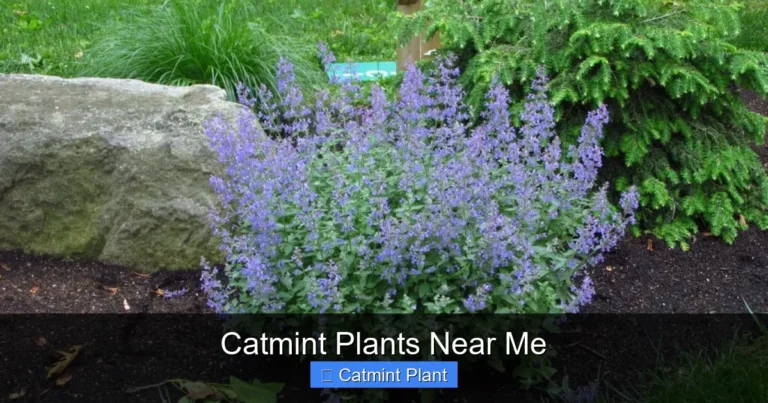
Catmint Plant Ideas
Catmint plant ideas give you easy ways to add color, scent, and wildlife appeal to any garden. This hardy perennial thrives in sun, tolerates drought, and blooms from early summer to frost.
Catmint is a hardy perennial that brings color and scent to any yard. Many gardeners search for catmint plant ideas to make their beds look fresh. This plant grows well in full sun and needs little water once established. Its lavender flowers appear early and stay late into fall. Cats love the fragrant leaves and often roll in them. Deer usually avoid the strong aroma. You can use catmint in borders, containers, or rock gardens. The following sections share simple catmint plant ideas for every space.
Catmint plant ideas are popular because the plant is low maintenance. It tolerates drought and poor soil without complaint. The long bloom period gives you color for months. Bees and butterflies visit the tiny flowers all summer. Hummingbirds also stop for a quick sip. The foliage releases a minty scent when brushed. This scent repels many pests naturally. You can cut the stems back after the first flush to encourage a second bloom. These traits make catmint a smart choice for busy gardeners.
In this guide you will find six catmint plant ideas grouped by use. First we look at sunny border designs. Next we explore container options for patios. Then we cover pollinator friendly layouts. After that we discuss companion planting tricks. Finally we share easy care tips to keep plants healthy. Each section includes practical steps you can try today.
Key Takeaways
- Low maintenance: Catmint needs little water once established.
- Long bloom season: Flowers appear from June to October.
- Pollinator magnet: Bees, butterflies, and hummingbirds love the nectar.
- Cat appeal: The aromatic foliage attracts cats without harming them.
- Versatile design: Works in borders, containers, rock gardens, and herb beds.
- Deer resistant: Most deer avoid the strong scent.
Quick Answers to Common Questions
What are the best catmint plant ideas for a sunny border?
Plant a single row along the edge, space clumps twelve inches apart, and pair with late‑summer bloomers like sedum for continuous color.
Can catmint be grown in containers?
Yes, choose a pot at least twelve inches wide, use well‑draining mix, and water when the top inch of soil feels dry.
How do I attract pollinators with catmint?
Plant catmint in drifts along a sunny path, add a shallow water dish, and interplant with salvia or lavender for a nectar corridor.
Is catmint safe for cats?
Catmint is non‑toxic and its scent delights most cats, encouraging playful rolling without harm.
When should I divide catmint?
Divide every three years in early spring before new growth begins to keep the clump vigorous.
📑 Table of Contents
Why Choose Catmint for Your Garden
Easy Care and Long Bloom
Catmint plant ideas often start with the promise of easy care. The plant thrives in average soil and does not need fertilizer. Once rooted it survives weeks without water. The flower spikes keep opening from June to October. You can enjoy color for five months with little work. A light shear after the first flush brings a fresh wave of blooms. This cycle repeats until frost ends the season. Gardeners love the low effort and high reward.
Choosing catmint plant ideas for a busy schedule makes sense. The plant resists most common diseases without sprays. Pests such as aphids rarely settle on the aromatic leaves. You can plant it once and forget it for years. The clump expands slowly, filling gaps naturally. Divide the clump every three years to keep vigor. The division also gives you free plants for other spots. This makes catmint a cost effective garden staple.
Deer Resistant and Cat Friendly
Catmint plant ideas shine in areas with deer pressure. The strong mint scent confuses deer and they move on. Rabbits also tend to avoid the foliage. This natural barrier protects nearby roses and vegetables. You can plant a row of catmint along the garden edge. The barrier works without fences or sprays. Your beds stay intact and look tidy all season. Deer resistance adds peace of mind for rural gardeners.
Cats love catmint plant ideas because the leaves release a happy aroma. When a cat rubs the plant it rolls and purrs. The effect is harmless and provides enrichment. You can place a pot near a sunny window for indoor cats. Outdoor cats will visit the border repeatedly. The plant stays healthy despite the attention. This dual appeal makes catmint a favorite for pet owners. It serves both wildlife and household pets.
Seasonal Interest Beyond Bloom
Catmint plant ideas also provide seasonal interest beyond the bloom period. In autumn the foliage turns a soft gold that glows in low light. The spent flower spikes remain upright and catch frost for a sparkling effect. Birds often perch on the dry stems during winter. This structure adds texture to a dormant garden. You can leave the plant standing until early spring for natural mulch. The year round presence makes catmint a valuable backbone plant.
Top Catmint Plant Ideas for Sunny Borders
Design a Colorful Edge
Catmint plant ideas for sunny borders start with a clean edge. Plant a single row along the front of a bed. Space each clump about twelve inches apart. The lavender spikes create a soft line that guides the eye. The color contrasts nicely with green foliage behind. This simple layout works in formal and cottage styles. You can add a low stone border for extra definition. The result is a tidy, fragrant frame for the garden.
Use catmint plant ideas to fill gaps between larger perennials. The low mound hides bare soil after early bloomers fade. It also suppresses weeds by shading the ground. The continuous bloom bridges the gap between spring and fall. You can pair it with coneflower or black eyed Susan for height contrast. The combination keeps the border lively all season. Maintenance stays low because both plants share similar needs. This strategy saves time and looks professional.
Mix with Late Summer Bloomers
Catmint plant ideas shine when mixed with late summer bloomers. Choose partners like sedum, aster, or goldenrod. The catmint blooms early and keeps going while others peak later. This stagger creates a wave of color that never stops. The foliage textures also add depth to the planting. You can plant catmint in the front and taller plants behind. The layering looks natural and fills vertical space. This mix attracts a steady stream of pollinators.
Plan catmint plant ideas with a simple sketch before planting. Mark the border length and decide spacing on paper. This helps you buy the right number of plants. It also prevents overcrowding later. A well spaced border stays airy and reduces disease risk. You can adjust the plan as you shop for varieties. The sketch becomes a handy reference during installation. Good planning makes the border look intentional and polished.
Edge Planting for Small Spaces
Catmint plant ideas work well for edge planting in small spaces. A narrow strip along a driveway or path can host a single row of catmint. The low mound stays tidy and does not flop over the edge. It softens hard lines and adds a splash of color. Maintenance stays minimal because the plant self‑cleans spent blooms. This trick turns a forgotten border into a fragrant highlight. Even a tiny yard gains big impact with this approach.
Creative Container Catmint Plant Ideas
Pick the Right Pot
Catmint plant ideas for containers start with the right pot. Choose a pot at least twelve inches wide and deep. Good drainage holes prevent root rot in wet weather. Fill the pot with a light potting mix that holds moisture but drains well. Add a slow release fertilizer at planting time. The plant will stay compact and bloom all summer. You can move the pot to follow the sun across the patio. This flexibility makes container catmint a versatile choice.
Use catmint plant ideas to create a mini herb garden on a balcony. Pair catmint with thyme, oregano, and chives in the same pot. The herbs share similar sun and water needs. Their combined scent repels mosquitoes naturally. Harvest leaves for cooking while the catmint flowers attract bees. The pot becomes a functional and beautiful focal point. Rotate the pot weekly for even growth on all sides. This small space garden delivers big flavor and color.
Combine with Trailing Herbs
Catmint plant ideas look great when paired with trailing herbs. Plant a low growing catmint in the center of a large container. Surround it with creeping thyme or prostrate rosemary. The trailing stems spill over the rim and soften the edge. This creates a living waterfall of green and purple. The contrast of upright spikes and cascading foliage adds drama. You can also add a small ornamental grass for height. The mixed container becomes a conversation piece.
Maintain catmint plant ideas in containers with simple care. Water when the top inch of soil feels dry. Feed with a liquid fertilizer every four weeks during bloom. Deadhead spent flowers to encourage new buds. In winter move the pot to a sheltered spot or bring it indoors. The plant will survive light frost if protected. Repot every two years to refresh the soil. Consistent care keeps the container looking fresh all year.
Winter Care for Container Catmint
Catmint plant ideas in containers need extra winter care in cold zones. Move pots to an unheated garage or shed before hard freeze. Wrap the container with burlap or bubble wrap for insulation. Water sparingly during dormancy to avoid root rot. In early spring bring the pot back to a sunny spot and resume feeding. This simple routine protects the roots and ensures a strong comeback. Container catmint can survive zone five with these steps.
Catmint Plant Ideas for Pollinator Gardens
Create a Nectar Corridor
Catmint plant ideas help build a nectar corridor for bees and butterflies. Plant catmint in drifts along a sunny path. The continuous bloom feeds pollinators from early summer to frost. Space drifts about three feet apart for easy flight. The lavender spikes are a favorite landing pad. You can interplant with salvia and lavender for variety. This corridor guides insects through your yard safely. A steady food source supports healthy pollinator populations.
Design catmint plant ideas with a mix of heights for layered feeding. Place low catmint in front, medium coneflower in middle, tall joe pye weed at back. Each level offers nectar at a different flight height. Butterflies prefer the upper blooms while bees work the lower ones. The layered design also adds visual depth to the garden. You can add a few native wildflowers for extra diversity. This approach mimics natural meadow structure. Pollinators thrive in such rich, layered habitats.
Add a Water Source
Catmint plant ideas work best when a water source is nearby. Place a shallow dish with pebbles and water near the catmint bed. Bees land on the stones and drink safely. Butterflies also sip from the moist edges. Refresh the water daily to keep it clean. A small birdbath can serve the same purpose. The added moisture helps the plants during hot spells. Hydrated pollinators stay longer and pollinate more flowers.
Include catmint plant ideas in a pollinator garden plan for year round support. Add early blooming bulbs like crocus for spring food. Follow with catmint for summer nectar. Finish with asters and goldenrod for fall forage. This succession ensures a continuous food chain. You can also leave seed heads standing for winter birds. The garden becomes a sanctuary for many species. Planning for all seasons maximizes ecological benefit.
Nighttime Pollinator Support
Catmint plant ideas also support nighttime pollinators like moths. The pale lavender flowers reflect moonlight and stay open after dusk. Moths are attracted to the sweet scent released in the evening. Adding a low light near the bed can increase visits. Night pollination helps fruit set on nearby vegetables. You can plant catmint near tomatoes for this benefit. The dual day and night service makes the plant a garden workhorse.
Combining Catmint with Companion Plants
Herb Partners for Flavor
Catmint plant ideas pair well with culinary herbs in a kitchen garden. Plant catmint beside basil, mint, and parsley for a fragrant mix. The herbs share similar sun and water preferences. Catmint’s scent can deter pests that bother basil. You can harvest herbs and catmint leaves together for tea. The combined aroma fills the garden with a fresh scent. This partnership makes the herb bed both useful and beautiful. It also reduces the need for chemical sprays.
Use catmint plant ideas to create a living mulch around vegetables. The low catmint canopy shades the soil and keeps it moist. It also suppresses weeds that compete with tomatoes and peppers. The aromatic foliage confuses many insect pests. You can plant catmint in the rows between crops. At season end cut the catmint back and compost it. The organic matter enriches the soil for next year. This cycle builds a healthier vegetable garden naturally.
Flower Companions for Color
Catmint plant ideas shine when combined with bright flower companions. Pair catmint with rudbeckia, echinacea, or coreopsis for a bold palette. The purple spikes contrast with yellow and orange petals. This color clash draws the eye across the bed. Both plant groups bloom at overlapping times. The result is a nonstop show from June to September. You can arrange them in repeating blocks for rhythm. The garden looks designed yet feels natural.
Plan catmint plant ideas with a simple color wheel guide. Choose companions that sit opposite catmint’s hue for contrast. Or pick analogous shades for a softer blend. Test the combination in a small trial patch first. Observe how the colors interact in morning and evening light. Adjust spacing to avoid crowding as plants mature. The trial saves time and prevents costly redesigns. A thoughtful color plan makes the border look professional.
Using Catmint as Ground Cover
Catmint plant ideas can serve as a low ground cover in sunny beds. Plant plugs close together to form a dense mat within two seasons. The mat suppresses weeds and conserves soil moisture. It also creates a soft walking surface for garden paths. The fragrant foliage releases scent when brushed by feet. This ground cover works well under roses or shrubs. It adds a living mulch that improves soil health over time.
Care Tips to Keep Your Catmint Thriving
Watering and Feeding Basics
Catmint plant ideas thrive with minimal watering once established. Water deeply at planting and then weekly for the first month. After roots settle, rain usually supplies enough moisture. In extreme heat give a supplemental soak every two weeks. Avoid overhead watering to keep foliage dry and disease free. A light mulch of straw conserves soil moisture. Fertilize once in early spring with a balanced granular feed. Too much nitrogen reduces flower production.
Monitor catmint plant ideas for signs of nutrient deficiency. Yellow leaves may indicate low nitrogen or iron. Apply a chelated iron spray if leaves turn pale between veins. A soil test every three years guides precise amendments. Keep the pH between six and seven for optimal uptake. Avoid heavy clay soils that stay soggy. Amend heavy soil with compost and coarse sand. Good drainage is the key to long term health.
Pruning and Division Schedule
Catmint plant ideas benefit from regular pruning to stay tidy. Cut back the plant to six inches after the first flush fades. This encourages a second bloom and prevents woody stems. In late fall trim the foliage to ground level. Removing dead material reduces overwintering pests. A clean cut also improves air flow around the crown. You can use sharp shears for a quick job. Pruning takes only a few minutes each season.
Divide catmint plant ideas every three years to maintain vigor. Dig up the clump in early spring before new growth starts. Separate the root mass into smaller sections with a spade. Replant each division at the same depth in prepared soil. Water the new plants well and mulch lightly. Divisions establish quickly and bloom the same year. Sharing divisions with friends expands your garden network. Regular division keeps the plant youthful and floriferous.
Troubleshooting Common Issues
Catmint plant ideas sometimes face powdery mildew in humid summers. Improve air flow by spacing plants and pruning dense growth. Avoid overhead watering to keep leaves dry. If mildew appears, spray a homemade baking soda solution weekly. Root rot can occur in poorly drained soil; amend with grit. Aphids rarely attack but can be washed off with a strong jet. Regular inspection catches problems early and keeps the plant thriving.
Catmint plant ideas offer a simple way to add beauty, scent, and wildlife value to any yard. The plant asks for little but gives a long season of color. You can fit it into borders, pots, pollinator paths, or herb beds. Its deer resistance and cat appeal make it a unique double duty plant. With basic care it returns year after year without fuss. Try one of the ideas above and watch your garden transform.
Remember to start with a healthy plant and a sunny spot. Follow the watering, feeding, and pruning tips for best results. Share your favorite catmint plant ideas with neighbors and online communities. Your experience can inspire others to grow this versatile perennial. Happy planting and enjoy the buzz of bees and the purr of cats.
Frequently Asked Questions
How much sun does catmint need?
Catmint thrives in full sun, requiring at least six hours of direct light each day for best flowering.
What soil type is best for catmint?
Well‑drained, average garden soil works well; catmint tolerates poor or sandy soils but dislikes heavy, soggy clay.
How often should I water catmint?
Water regularly during the first month, then only during prolonged dry spells; established plants are drought tolerant.
Does catmint spread aggressively?
Catmint forms a modest clump and spreads slowly; it is not considered invasive in most regions.
Can I use catmint as a ground cover?
Yes, planting plugs close together creates a dense, fragrant mat that suppresses weeds and conserves moisture.
What pests affect catmint?
Catmint is largely pest‑free; occasional aphids or powdery mildew may appear in humid conditions but are easily managed.