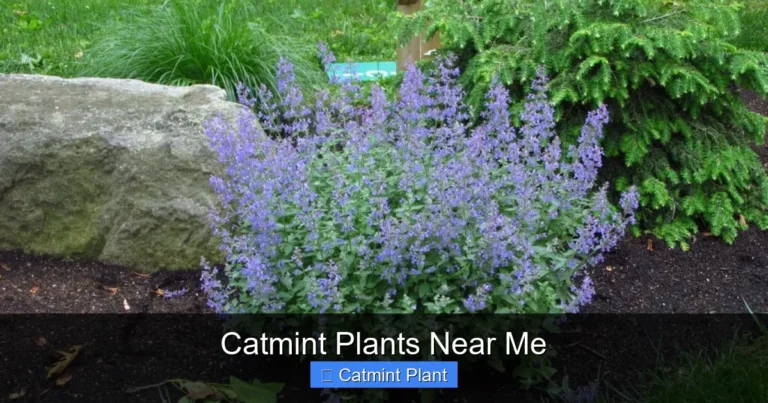
Catmint Plant Anual
Catmint plant anual is a hardy, aromatic herb that blooms all summer and attracts pollinators. It thrives in full sun, needs little water once established, and works well in borders, containers, and herb gardens.
If you have ever walked past a garden and smelled a sweet, minty fragrance, you have probably met catmint plant anual. This plant is a favorite among gardeners because it looks pretty and asks for very little care. I love how it fills a space with color and brings bees and butterflies right to my yard.
In this guide I will share everything I know about catmint plant anual. You will learn what it is, how to plant it, how to keep it happy, and how to use the leaves. Whether you have a big backyard or a small balcony, catmint plant anual can fit right in.
Key Takeaways
- Easy to grow: Catmint plant anual tolerates drought and poor soil.
- Long bloom season: Flowers appear from early summer to frost.
- Pollinator magnet: Bees and butterflies love the nectar.
- Low maintenance: Minimal pruning and fertilizing required.
- Versatile uses: Leaves can be used for tea, sachets, and cat toys.
- Great companion: Repels certain pests when planted near vegetables.
- Deer resistant: Animals usually avoid the strong scent.
Quick Answers to Common Questions
What is catmint plant anual?
Catmint plant anual is a hardy herb in the mint family known for its aromatic foliage and long‑lasting flowers.
How much sun does catmint plant anual need?
It prefers full sun, at least six hours of direct light each day.
Is catmint plant anual drought tolerant?
Yes, once established it handles dry periods very well.
Can I grow catmint plant anual in a container?
Absolutely, a 12‑inch pot with good drainage works perfectly.
When should I prune catmint plant anual?
Deadhead after the first bloom and cut back by one‑third in midsummer for a tidy shape.
📑 Table of Contents
What Is Catmint Plant Anual?
Botanical Background
Catmint plant anual belongs to the genus Nepeta. It is a member of the mint family, Lamiaceae. The plant is native to Europe and Asia but now grows in many parts of the world. It is a perennial in warm zones but often grown as an annual in cooler climates. The name “catmint” comes from the fact that cats are attracted to its scent.
Common Varieties
There are several popular varieties of catmint plant anual. ‘Walker’s Low’ is a compact form that stays about 12 inches tall. ‘Six Hills Giant’ can reach 30 inches and has larger flower spikes. ‘Blue Wonder’ offers a soft blue‑lavender hue. All of them share the same easy‑care nature and long bloom period.
Growing Catmint Plant Anual in Your Garden
Choosing the Right Spot
Catmint plant anual loves full sun. Pick a spot that gets at least six hours of direct light each day. It can tolerate light shade, but flowering will be reduced. Good air circulation helps prevent fungal problems.
Soil Preparation
This herb is not picky about soil. It grows well in average, well‑drained soil. If your soil is heavy clay, mix in some compost or coarse sand to improve drainage. A slightly alkaline pH around 7.0 is ideal, but catmint plant anual will survive in a range from 6.0 to 8.0.
Planting Steps
Start by loosening the soil to a depth of 12 inches. Dig a hole twice as wide as the root ball. Place the plant so the crown sits level with the soil surface. Backfill, firm gently, and water thoroughly. Space plants 12 to 18 inches apart to allow for mature spread.
Care and Maintenance
Watering
Water newly planted catmint plant anual regularly until the roots establish. After that, the plant is drought tolerant. Water deeply once every two weeks during dry spells. Avoid overhead watering to keep foliage dry.
Fertilizing
Catmint plant anual does not need heavy feeding. A light application of balanced fertilizer in early spring is enough. Too much nitrogen can cause floppy growth and fewer flowers.
Pruning and Deadheading
Deadhead spent blooms to encourage a second flush of flowers. In midsummer, cut the plant back by one‑third to keep it tidy. In late fall, trim the stems to a few inches above ground. This helps the plant survive winter in colder zones.
Pests, Diseases, and Troubleshooting
Common Pests
Aphids and spider mites may appear on new growth. A strong spray of water or insecticidal soap usually clears them. Catmint plant anual’s strong scent repels many other insects.
Fungal Issues
Powdery mildew can develop in humid, crowded conditions. Ensure good spacing and air flow. If mildew appears, remove affected leaves and apply a fungicide labeled for ornamental herbs.
Preventive Tips
Rotate planting locations every few years. Mulch with straw or shredded leaves to keep soil moisture even. Clean up debris in fall to reduce overwintering spores.
Harvesting and Using Catmint Plant Anual
When to Harvest
Harvest leaves just before the plant flowers for the strongest flavor. Snip stems in the morning after dew has dried. You can cut the whole plant back to a few inches and it will regrow quickly.
Ways to Use
Fresh leaves make a calming tea. Dry leaves for sachets that repel moths. Cats love the dried herb in toys. You can also add chopped leaves to salads for a minty twist.
Design Ideas and Companion Planting
Border Plantings
Plant catmint plant anual along garden edges for a soft, flowing look. Its gray‑green foliage contrasts nicely with dark green shrubs. The long bloom season keeps the border colorful for months.
Container Gardens
Choose a pot at least 12 inches wide. Use a light potting mix with perlite. Place the container in a sunny spot and water when the top inch of soil feels dry. Catmint plant anual thrives in pots and can be moved to follow the sun.
Companion Plants
Catmint plant anual pairs well with roses, lavender, and salvia. It helps deter aphids from nearby vegetables like tomatoes and peppers. Plant it near beans to improve growth and flavor.
Conclusion
Catmint plant anual is a garden workhorse that gives beauty, fragrance, and utility with very little effort. By following the simple steps above you can enjoy a steady stream of blooms, happy pollinators, and a handy herb for tea or cat toys. Give catmint plant anual a try this season and watch your garden come alive.
Frequently Asked Questions
Does catmint plant anual attract bees?
Yes, the nectar‑rich flowers are a favorite of bees and butterflies throughout the summer.
Is catmint plant anual safe for pets?
It is non‑toxic to dogs and cats; in fact, cats often enjoy the scent.
How do I prevent powdery mildew on catmint plant anual?
Provide good air circulation, avoid overhead watering, and space plants properly.
Can catmint plant anual be used in cooking?
The leaves can be used fresh or dried in teas, salads, and as a mild seasoning.
What soil pH is best for catmint plant anual?
A slightly alkaline pH around 7.0 is ideal, but it tolerates a range from 6.0 to 8.0.
How often should I fertilize catmint plant anual?
A single light feeding in early spring is sufficient; over‑fertilizing reduces flowering.