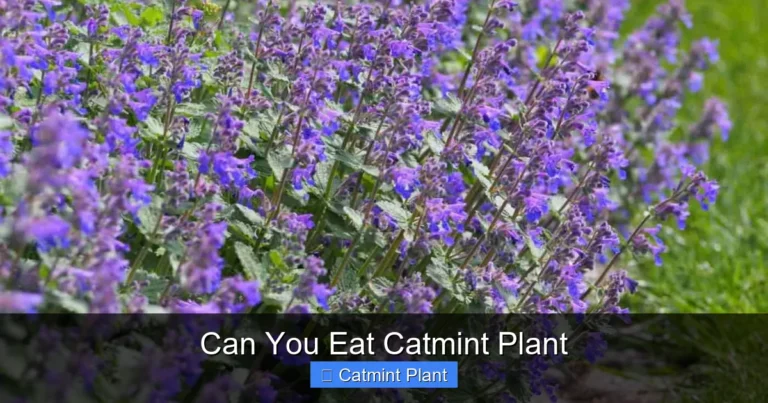
Buy Catmint Plant Online
Buying catmint online gives you access to rare varieties and healthy plants shipped right to your door. This guide covers everything from choosing reputable nurseries to planting and care tips for success.
Key Takeaways
- Online selection beats local nurseries: You can find 20+ catmint varieties online compared to 3-4 at typical garden centers.
- Spring and fall are ideal shipping seasons: Plants establish better when temperatures are mild and stress is lower.
- Read reviews and guarantees carefully: Reputable sellers offer live arrival guarantees and replacement policies for damaged plants.
- Choose the right variety for your zone: Most catmint thrives in zones 3-8, but some cultivars handle heat or cold better than others.
- Bare-root vs. potted changes planting timing: Bare-root plants need immediate planting while potted plants offer more flexibility.
- Catmint attracts pollinators and repels pests: This dual-purpose perennial supports bees while deterring deer, rabbits, and mosquitoes.
- Proper spacing prevents disease: Plant 18-24 inches apart for good air circulation and reduced fungal issues.
Quick Answers to Common Questions
When is the best time to buy catmint plant online?
Spring (March-May) and fall (September-October) are ideal. Nurseries ship at proper planting times for your zone. Order early for best selection.
How many catmint plants do I need for a 10-foot border?
Space plants 18-30 inches apart depending on variety. For Walker’s Low at 30-inch spacing, you need 4 plants. For Junior Walker at 18-inch spacing, you need 7 plants.
Will catmint plants survive shipping in summer heat?
Reputable nurseries avoid shipping during extreme heat. They hold orders until safe temperatures return. Choose sellers with temperature-aware shipping policies.
Can I grow catmint in containers permanently?
Yes, dwarf varieties like Cat’s Pajamas and Blue Prelude thrive in containers. Use well-draining potting mix. Water more frequently. Protect roots in winter.
Does catmint attract cats like catnip does?
Ornamental catmint hybrids contain minimal nepetalactone. Most cats ignore them. True catnip (Nepeta cataria) is different from garden catmint varieties.
📑 Table of Contents
- Why Gardeners Choose to Buy Catmint Plant Online
- Understanding Catmint Varieties Before You Order
- Finding Reputable Online Nurseries
- The Ordering Process Step by Step
- What to Do When Your Plants Arrive
- First Season Care Guide
- Overwintering and Long-Term Maintenance
- Troubleshooting Common Catmint Issues
- Budget-Friendly Tips for Buying Catmint Online
- Environmental Benefits of Growing Catmint
- Conclusion: Your Catmint Journey Starts Now
Why Gardeners Choose to Buy Catmint Plant Online
Walking into a local garden center in spring feels exciting. You see rows of colorful pots and smell fresh soil. But when you hunt for catmint, the selection often disappoints. Most stores carry maybe two varieties. Usually it is just the common Nepeta x faassenii ‘Walker’s Low’ or ‘Six Hills Giant’.
That is where the internet changes everything. When you decide to buy catmint plant online, a whole world opens up. Specialty nurseries grow dozens of cultivars. You can find dwarf types for containers. You can find tall varieties for the back of borders. You can even find rare colors like pink and white. The selection online simply cannot be matched by any single local store.
Online shopping also lets you research before you buy. You can read detailed descriptions. You can check mature sizes. You can verify hardiness zones. You can compare prices across multiple sellers. All of this happens from your couch with a cup of coffee. No driving from nursery to nursery hoping they have what you want.
Understanding Catmint Varieties Before You Order
The Most Popular Catmint Cultivars
Not all catmint is created equal. The genus Nepeta contains over 250 species. But only a handful are commonly sold for gardens. Knowing the differences helps you pick the right plant for your space.
Walker’s Low remains the gold standard. Despite the name, it grows 24-30 inches tall. It spreads 30-36 inches wide. The lavender-blue flowers bloom from late spring through fall if you shear it back. It won the Perennial Plant of the Year award in 2007. This variety handles heat and humidity better than most.
Six Hills Giant lives up to its name. It reaches 36-48 inches tall and wide. The flower spikes are longer. The foliage is more aromatic. It makes a bold statement in large borders. But it can flop in rich soil or too much shade.
Junior Walker is a compact sport of Walker’s Low. It stays 15-18 inches tall and wide. Perfect for small gardens or the front of borders. It keeps the same long bloom season. The habit is naturally neat without pruning.
Cat’s Pajamas is a newer introduction from Proven Winners. It forms a tight mound just 12-14 inches tall. The flowers are a deeper indigo blue. It blooms earlier than most varieties. The foliage stays clean all season.
Specialty Colors and Forms
If you want something beyond blue, look for these varieties. Pink Cat produces soft pink flowers. It grows 18-24 inches tall. The color pairs beautifully with roses and peonies. White Wonder offers pure white blooms on 24-inch plants. It glows in evening gardens.
Blue Prelude is a dwarf variety at just 10-12 inches. It works in rock gardens and trough containers. Select Blue has exceptionally vivid blue flowers. It was selected for color intensity and compact growth.
Some gardeners confuse catmint with catnip. Nepeta cataria is true catnip. It has white flowers with purple spots. The leaves are more fuzzy. Cats go crazy for it. But it spreads aggressively and looks weedy. Most ornamental catmint hybrids contain little of the compound that attracts cats. They are grown for flowers, not feline entertainment.
Matching Varieties to Your Garden Conditions
Before you buy catmint plant online, assess your planting site. Full sun means at least six hours of direct light. Catmint tolerates light shade but flowers less. In hot southern zones, afternoon shade prevents scorching.
Soil drainage matters more than fertility. Catmint hates wet feet. Heavy clay soil needs amendment with compost and grit. Sandy soil works great. Rocky soil works great. The plant thrives in lean conditions. Rich soil makes it floppy and reduces essential oils.
Consider your hardiness zone. Most catmint is hardy in zones 3-8. In zone 9, look for heat-tolerant selections like ‘Walker’s Low’. In zone 2, mulch heavily for winter protection. Some varieties like Nepeta sibirica handle extreme cold better.
Finding Reputable Online Nurseries
What Makes a Nursery Trustworthy
Not all online plant sellers are equal. Some are huge corporations drop-shipping from multiple growers. Others are small family farms growing everything themselves. Both can be good. But you need to know what to look for.
Start with the website itself. Professional nurseries provide detailed plant descriptions. They list mature dimensions. They specify hardiness zones. They explain sun and soil requirements. They show multiple photos including the plant habit, not just close-up flowers.
Look for a live arrival guarantee. Reputable sellers stand behind their plants. The guarantee should cover at least 14 days after delivery. Some offer full growing season guarantees. Read the fine print. Some require photos within 24 hours. Others ask you to pot the plant and wait.
Check shipping policies carefully. Good nurseries ship at the right planting time for your zone. They do not ship in July heat or January freeze. They use proper packaging with ventilation. They avoid shipping on Fridays so plants do not sit in warehouses over weekends.
Top Online Sources for Catmint
Several nurseries consistently earn high marks from gardeners. Bluestone Perennials has been shipping since 1972. They offer 15+ catmint varieties. Their plants arrive in biodegradable pots. They guarantee plants for one full year.
High Country Gardens specializes in waterwise plants. Their catmint selection focuses on xeric varieties. They provide excellent planting guides. Their packaging is designed for western climate extremes.
Plant Delights Nursery offers rare and unusual perennials. They carry catmint species you will not find elsewhere. Their plants are larger and more expensive. But the quality is exceptional.
White Flower Farm provides premium plants with beautiful packaging. Their catmint selection is curated. They include detailed cultural instructions. The unboxing experience feels special.
Nature Hills Nursery ships large container-grown plants. They have a massive inventory. Their search tools let you filter by zone, size, and color. They offer a one-year warranty.
Reading Reviews Like a Pro
Customer reviews reveal the real story. But you need to read them critically. Look for reviews from your region. A plant that thrives in Oregon may struggle in Texas. Check the review dates. Recent reviews matter more than old ones.
Watch for patterns. One complaint about slow shipping is an outlier. Ten complaints about small plants is a trend. Photos in reviews are gold. They show actual plant size on arrival. They show packaging quality. They show how plants look after a few weeks.
Third-party review sites like Garden Watchdog aggregate feedback across nurseries. They rate companies on quality, service, and value. Check these before placing large orders. Also search gardening forums. Real gardeners share unfiltered experiences.
The Ordering Process Step by Step
Timing Your Purchase Perfectly
When you buy catmint plant online, timing affects success more than almost anything else. Spring shipping usually starts in March for southern zones. It progresses northward through May. Fall shipping runs September through October.
Order early for the best selection. Popular varieties sell out by April. But do not order too early for your zone. Nurseries will hold your order until proper planting time. Just make sure you select the correct shipping week.
Fall planting gives roots a head start. The soil is warm. The air is cool. Rain is usually reliable. Plants establish before winter. They explode with growth next spring. But fall selection is often more limited.
Bare Root vs. Container Plants
You will encounter two main plant forms online. Bare root plants are dug from fields while dormant. Soil is washed off roots. They are wrapped in damp moss or paper. They are lighter and cheaper to ship. You get more root mass for your money.
Bare root catmint must be planted immediately upon arrival. Soak roots for an hour first. Plant at the same depth it grew in the field. Look for the soil line on the stem. Water well. Mulch. Keep moist until established.
Container grown plants arrive in pots with soil. They can wait a few days if needed. Keep them watered and in partial shade. Plant anytime the ground is not frozen. They cost more to ship but offer flexibility.
Container sizes vary. Quart pots (4-inch) are common for mail order. They establish quickly. Gallon pots give instant impact but cost 2-3 times more. Plugs are tiny starter plants. They are cheapest but need a full season to fill in.
Decoding Plant Descriptions and Specs
Online listings use shorthand. Learn to read it. Zones 4-9 means the plant survives winter in those USDA zones. Your zone must fall within the range. Full sun means 6+ hours direct sun. Part sun means 4-6 hours.
Mature size lists height x width. Plan spacing accordingly. Bloom time tells you when flowers appear. Deer resistant means deer usually avoid it. Drought tolerant means it survives dry spells once established.
Watch for trademark symbols. PP means Plant Patent. PPAF means Patent Applied For. These varieties cannot be propagated for sale. But you can divide them for your own garden. ® indicates a registered trademark name.
What to Do When Your Plants Arrive
Unboxing and Inspection
The delivery day arrives. You see the box on your porch. Excitement builds. But pause. Take photos before opening. Document the box condition. This helps if you need to file a claim.
Open carefully. Remove plants gently. Check each one against your packing slip. Verify variety names. Count quantities. Inspect for damage. Broken stems happen. Yellow leaves happen. But the crown should be firm. Roots should be white or light tan, not black and mushy.
Smell the plants. Healthy catmint has a distinct minty aroma. If they smell rotten or sour, that is bad. Take photos of any issues immediately. Contact the nursery within their claim window. Most want to make it right.
Acclimating Your New Plants
Plants travel in dark boxes for days. They need transition time. This is called hardening off. Even sun-loving catmint can burn if plunged into full sun immediately.
Day one: Place in full shade. Protected from wind. Water if dry. Day two: One hour morning sun. Day three: Two hours morning sun. Increase by an hour daily. After a week, they handle full sun. If nights are near freezing, bring them in at night.
Container plants may be rootbound. Gently loosen circling roots before planting. Bare root plants need planting the same day. If you cannot plant immediately, heel them in. Dig a trench. Lay plants at an angle. Cover roots with soil. Water well. This buys you a week or two.
Planting for Long-Term Success
Choose a cloudy day if possible. Morning is best. Dig holes twice as wide as the root ball. Same depth. Amend heavy clay with compost and coarse sand. Do not add fertilizer to the planting hole. It burns roots and encourages weak growth.
Place the plant. The crown sits at soil level. Not deeper. Not shallower. Backfill with native soil. Firm gently with hands. Do not stomp. Water thoroughly. This settles soil and eliminates air pockets. Apply 2 inches of mulch. Keep mulch away from stems.
Space plants properly. Walker’s Low needs 30 inches between centers. Junior Walker needs 18 inches. Cat’s Pajamas needs 14 inches. Crowding causes powdery mildew. Good air flow prevents it.
First Season Care Guide
Watering Wisdom
New plants need consistent moisture. Not soggy. Not bone dry. Check soil daily for two weeks. Stick your finger in 2 inches. If dry, water. If moist, wait. Deep watering encourages deep roots. Frequent shallow watering creates dependent plants.
After the first month, taper off. Catmint is drought tolerant once established. In average soil with mulch, weekly watering suffices. In sandy soil, twice weekly. In clay, every 10 days. Always water at the base. Wet foliage invites disease.
Signs of overwatering: yellow lower leaves, mushy stems, fungus gnats. Signs of underwatering: wilted leaves that do not recover by morning, crispy edges, stunted growth. Adjust accordingly.
To Fertilize or Not to Fertilize
Here is a secret. Catmint prefers poor soil. Fertilizer makes it floppy. It reduces essential oils. It decreases flower production. If your soil is decent, skip fertilizer entirely.
If you must feed, use compost. A half-inch layer in spring is plenty. Or a light application of balanced organic fertilizer. 5-5-5 at half rate. Never use high nitrogen. That grows leaves at the expense of flowers.
Container plants need more nutrition. Nutrients leach out. Use slow-release fertilizer at planting. Supplement with liquid feed monthly at quarter strength. Stop fertilizing by August. Let plants harden off for winter.
The Chelsea Chop and Deadheading
Catmint blooms in waves. The first flush is biggest. By midsummer, plants look tired. Flowering slows. Foliage gets ratty. This is when you do the Chelsea Chop.
Cut the entire plant back by half. Late May to early June in most zones. Use hedge shears. It looks brutal. But within two weeks, fresh growth appears. Within four weeks, a second massive bloom cycle begins.
If you miss the Chelsea Chop window, deadhead instead. Shear off spent flower spikes. Cut back to fresh foliage. This encourages rebloom but less dramatically. Regular deadheading keeps plants tidy all season.
Managing Pests and Problems
Catmint is remarkably trouble-free. But issues arise. Powdery mildew appears as white dust on leaves. It happens in humid weather with poor air flow. Prevent it with proper spacing. Treat with neem oil or potassium bicarbonate spray.
Spider mites show up in hot dry weather. Leaves look stippled. Fine webbing appears. Blast with water daily. Apply insecticidal soap if severe. Aphids cluster on new growth. Wash off with strong spray. Ladybugs usually handle them.
Root rot kills more catmint than anything else. It comes from wet soil. Ensure drainage. Plant on slopes or raised beds if your soil stays soggy. Once rot starts, the plant rarely recovers.
Overwintering and Long-Term Maintenance
Preparing for Winter
Catmint is herbaceous perennial. It dies to the ground in winter. In zones 5 and colder, leave the dead foliage. It protects the crown. It catches insulating snow. It provides winter interest with frosted seed heads.
In warmer zones, you can cut back in late fall. But wait until after several hard freezes. Cut to 3-4 inches above ground. Mulch with straw or shredded leaves. 3-4 inches deep. Remove mulch gradually in spring.
Container plants need extra protection. Roots freeze faster above ground. Move pots to unheated garage. Or sink pots in ground. Or wrap with bubble wrap and burlap. Water monthly if soil is not frozen.
Spring Cleanup and Division
Early spring, cut back dead stems to the ground. New growth emerges from the base. This is the perfect time to divide. Catmint benefits from division every 3-4 years. Centers die out. Vigor declines. Flowers decrease.
Dig the whole clump. Use a sharp spade or knife. Cut into sections. Each piece needs roots and shoots. Replant immediately. Water well. Divisions establish fast. You get free plants. Share with friends.
Spring is also when you might see self-sown seedlings. Catmint reseeds moderately. Seedlings appear near mother plants. Transplant or pot them up. They may not come true from hybrid varieties. But they make tough groundcovers.
Companion Planting Ideas
Catmint plays well with others. Its loose habit softens rigid plants. Its blue flowers complement almost everything. Roses love catmint at their feet. It hides bare legs. It repels aphids. The blue-pink combo is classic.
Salvia echoes the flower shape. Different bloom times extend the show. Yarrow adds flat flower heads for contrast. Ornamental grasses provide winter structure. Coneflowers and black-eyed susans continue the color into fall.
In herb gardens, catmint borders beds beautifully. It deters pests from vegetables. Plant near tomatoes, peppers, eggplant. The aromatic foliage confuses insect pests. But keep it contained. It spreads.
Troubleshooting Common Catmint Issues
Why Is My Catmint Flopping?
Flopping is the number one complaint. Causes include: too much shade, too rich soil, too much water, too much fertilizer, or overcrowding. The fix: move to full sun. Stop fertilizing. Water less. Divide crowded clumps. Stake early if needed.
Some varieties naturally flop less. ‘Cat’s Pajamas’, ‘Junior Walker’, and ‘Blue Prelude’ stay upright. If flopping drives you crazy, switch varieties. The Chelsea Chop in late spring also prevents flopping by creating sturdier growth.
Why Is My Catmint Not Blooming?
No flowers usually means not enough sun. Catmint needs 6+ hours. It also might be too young. First-year plants sometimes focus on roots. Or it might be over-fertilized. Nitrogen grows leaves, not flowers. Stop feeding. Be patient.
Improper pruning can remove flower buds. Only prune in early spring or right after first bloom. Never prune in late summer or fall. You cut off next year’s buds. Winter kill in cold zones can also reduce flowering.
Why Is My Catmint Dying in the Middle?
Dead centers signal age. The plant has exhausted the soil. Roots become woody. Division rejuvenates it. Dig in spring. Discard the dead center. Replant vigorous outer sections. Amend soil with compost. Water well.
Crown rot also kills centers. Check drainage. If soil stays wet, move the plant. Raise the bed. Add grit. Once crown rot starts, that section is gone. But healthy pieces can be saved.
Budget-Friendly Tips for Buying Catmint Online
Smart Shopping Strategies
Catmint prices vary wildly. Quart pots range from $8 to $18. Gallon pots from $15 to $35. Shipping adds $10-25 per order. But you can save money with strategy.
Buy in fall for clearance prices. Nurseries discount to reduce winter inventory. Plants establish before spring. Order with friends to split shipping. Many nurseries offer free shipping over $100-150. Join mailing lists for coupon codes. 10-15% off is common for new subscribers.
Buy smaller pots. Quarts catch up to gallons in one season. Buy plugs in trays of 32 or 50. Cost per plant drops to $2-3. Great for mass plantings. They need a full year to fill in.
Watch for sales. Memorial Day, Fourth of July, Labor Day. End of season clearances. Black Friday plant sales. Sign up for alerts from your favorite nurseries.
Propagation: The Ultimate Money Saver
One catmint plant becomes dozens. Division in spring yields 3-5 plants from one mature clump. Stem cuttings in early summer root in 2-3 weeks. Take 4-inch cuttings. Strip lower leaves. Dip in rooting hormone. Stick in moist perlite. Cover with plastic. Keep bright but not sunny.
Layering works naturally. Low stems touch soil. Roots form at nodes. Pin them down with a stone. Cut free in fall. Seeds from species types come true. Hybrid seeds vary. But seedlings make tough plants.
Share divisions with gardening friends. Host a plant swap. Join local gardening groups. The best plants often come from other gardeners’ gardens. They are already adapted to your conditions.
Environmental Benefits of Growing Catmint
Pollinator Paradise
Catmint flowers feed bees, butterflies, and beneficial insects. The long bloom season provides nectar when little else flowers. Early summer through frost. Honeybees love it. Native bees love it. Hoverflies love it. They eat aphids.
Plant in drifts for maximum impact. Pollinators prefer large patches. They expend less energy moving between flowers. A 3×3 foot block of catmint buzzes with life. It becomes a pollinator highway through your garden.
Natural Pest Deterrent
The essential oils in catmint repel many pests. Deer avoid it. Rabbits avoid it. Mosquitoes dislike the scent. Squash bugs stay away. Colorado potato beetles are confused by it.
Plant borders around vegetable gardens. Use as edging for rose beds. Interplant with susceptible crops. The protection is not 100%. But it reduces pressure significantly. And it looks beautiful doing it.
Waterwise and Climate Resilient
Once established, catmint thrives on rainfall alone in many regions. Its deep taproot accesses moisture deep underground. It handles heat waves. It handles drought. It bounces back from stress.
In a changing climate, resilient plants matter. Catmint adapts. It grows from Canada to Texas. From coast to mountains. It asks for little. It gives much. Flowers. Fragrance. Wildlife. Beauty.
Conclusion: Your Catmint Journey Starts Now
You have learned why gardeners buy catmint plant online. The selection is unbeatable. The information is at your fingertips. The plants arrive at your door ready to grow. You know how to choose varieties. You know how to vet nurseries. You know how to plant and care for them.
Catmint rewards you with months of blue flowers. It asks for sun and drainage. It gives you pollinators and pest resistance. It handles drought and deer. It comes back bigger each year. Few perennials offer so much for so little effort.
Start small if you are unsure. Order three quarts of ‘Walker’s Low’. Plant them in a sunny spot. Watch them grow. Shear them back in June. Enjoy the second bloom. Divide them in three years. Share with a neighbor.
Or go big. Design a pollinator border. Mix five varieties for continuous color. Add companions. Create a garden that hums with life. The internet makes it possible. Your perfect catmint garden is just a few clicks away.
Happy planting. Your catmint adventure begins today.
Frequently Asked Questions
What is the difference between catmint and catnip?
Catnip (Nepeta cataria) is a specific species that contains high levels of nepetalactone, which attracts cats. Catmint refers to ornamental Nepeta hybrids like Walker’s Low bred for flowers, not feline appeal. They look similar but serve different garden purposes.
How long does catmint take to establish after planting?
Catmint establishes quickly. Container plants show new growth within 2-3 weeks. Bare root plants may take 4-6 weeks. Full mature size is reached by the second growing season. First-year plants often bloom but are smaller.
Can I buy catmint plant online and have it shipped to any state?
Most nurseries ship nationwide but some restrict certain states due to agricultural regulations. California, Arizona, and Hawaii often have restrictions. Check the nursery’s shipping policy before ordering.
Why did my catmint arrive with yellow leaves?
Yellow leaves after shipping are common from darkness and stress. As long as the crown is firm and roots are healthy, the plant will recover. Place in shade, water, and acclimate gradually. New green growth appears within 1-2 weeks.
Should I cut back catmint in fall or spring?
In cold zones (3-5), leave foliage standing through winter for crown protection. Cut back in early spring. In warm zones (6-9), you can cut back in late fall after dormancy. Either timing works if done correctly.
How do I know if an online nursery is reputable?
Look for: detailed plant descriptions with mature sizes and zones, live arrival guarantees (14+ days), clear shipping schedules by zone, customer photos in reviews, third-party ratings on Garden Watchdog, and responsive customer service. Avoid sites with only stock photos and vague descriptions.