Expert Guide How to Choose Best Hemp for Sansevieria
Choosing the right hemp for sansevieria ensures healthy growth and vibrant leaves. This guide walks you through assessing plant needs, evaluating hemp types, verifying certifications, and testing small batches before you buy.
Quick Answers to Common Questions
What texture of hemp works best for sansevieria?
Coarse, uniform fibers provide the ideal balance of drainage and moisture retention for sansevieria.
How can I verify that hemp is organic?
Look for a USDA Organic seal or request the supplier’s certification documents before purchase.
Should I mix hemp with other amendments?
Yes, adding perlite or coarse sand improves aeration and prevents compaction in the hemp medium.
How often should I water sansevieria in hemp?
Water only when the top inch of the hemp mix feels dry; typically every two to three weeks.
Can I reuse hemp after a plant dies?
It is best to discard used hemp because pathogens may remain; start fresh for a new sansevieria.
Introduction
Welcome to the expert guide on how to choose the best hemp for sansevieria. If you love the striking look of snake plants you know that the growing medium matters. The right hemp for sansevieria can improve drainage, hold just enough moisture, and keep roots healthy. In this guide you will learn each step from understanding your plant’s needs to testing a small batch before you buy. By the end you will feel confident picking a hemp product that works for your sansevieria. We will cover light requirements, soil drainage, hemp varieties, certifications, physical properties, trial testing, cost factors, and troubleshooting. Each section includes practical tips you can apply today. The keyword hemp for sansevieria appears throughout to help you remember the focus. Let’s get started with the first step.
Step 1: Understand Your Sansevieria’s Needs
Assess Light Requirements
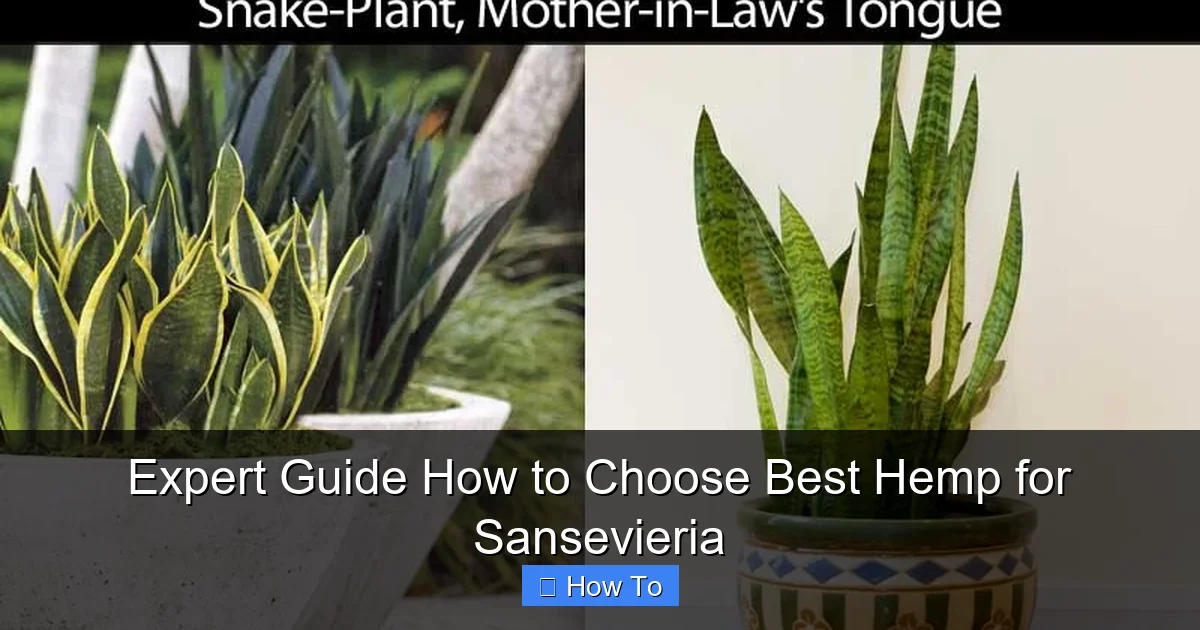
Sansevieria thrives in bright indirect light but tolerates low light. When you choose hemp for sansevieria you must match the medium to the light level. In bright spots the soil dries faster so a hemp mix with higher moisture retention helps. In low light a lighter hemp blend prevents soggy roots. Observe your plant’s location and note how quickly the top inch of soil dries. Write down the drying time for a week. Use that data to decide if you need a more absorbent hemp for sansevieria or a faster draining version. Simple notes make the later selection easier. Remember that light changes with seasons so re‑evaluate every few months. Consistent observation leads to better medium choices.
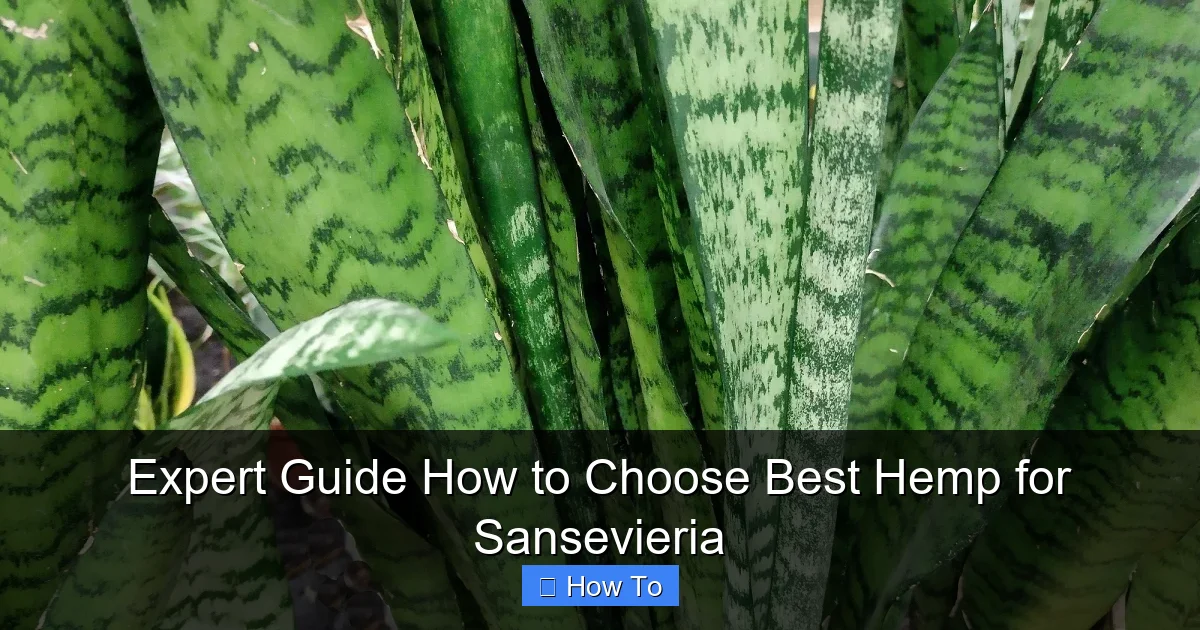
Visual guide about Expert Guide How to Choose Best Hemp for Sansevieria
Image source: plantcaretoday.com
Check Soil Drainage
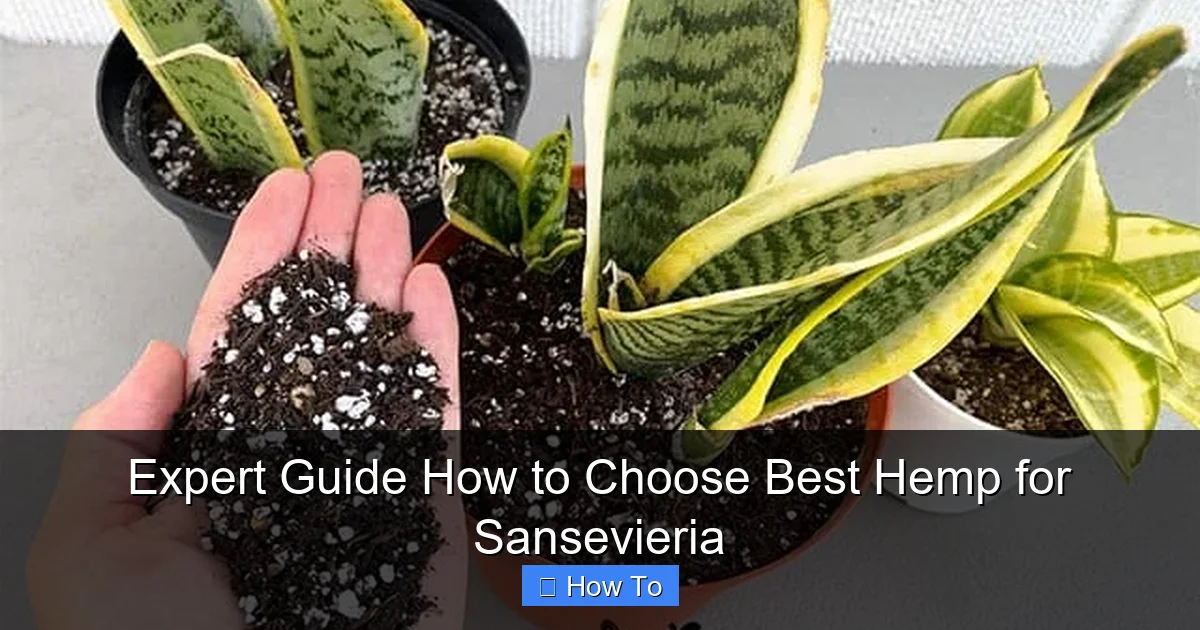
Good drainage is the top priority for sansevieria. Hemp for sansevieria should create air pockets that let excess water escape. Feel the texture of the hemp fibers; coarse fibers give better drainage than fine dust. A simple test is to pour water through a handful of hemp and watch how fast it runs out. Fast flow means better drainage for your snake plant. If water pools, the hemp may be too fine. You can mix in perlite or coarse sand to improve flow. Test the amended blend again before planting. Proper drainage prevents root rot and keeps leaves firm. Keep a small notebook of each test result for future reference.
Step 2: Research Hemp Varieties Suitable for Sansevieria
Industrial Hemp vs. CBD Hemp
Industrial hemp is grown for fiber and seed. It usually has long, strong fibers that make a sturdy growing medium. CBD hemp is bred for cannabinoid content and often has softer fibers. For sansevieria you want the structural strength of industrial hemp. Look for labels that say “fiber hemp” or “industrial hemp” when you shop for hemp for sansevieria. Avoid products marketed as “CBD flower” because they lack the fiber quality you need. Read the product description carefully. If the seller does not specify the hemp type, ask for clarification. Knowing the variety saves you from buying a medium that compacts quickly.
Visual guide about Expert Guide How to Choose Best Hemp for Sansevieria
Image source: getbusygardening.com
Fiber Quality and Texture
High quality hemp fibers are clean, uniform, and free of dust. Run your fingers through a sample; it should feel slightly coarse but not abrasive. Consistent texture means even moisture distribution. Avoid hemp that feels powdery because it can compact and reduce airflow around sansevieria roots. A good test is to squeeze a handful; it should spring back, not stay compressed. If the fibers break easily, the hemp may be low grade. Choose a supplier that provides a fiber grade sheet. That sheet shows length, tensile strength, and cleanliness. High grade hemp for sansevieria lasts longer and supports healthy root growth.
Step 3: Evaluate Hemp Source and Certification
Organic Certification
Organic hemp for sansevieria guarantees no synthetic pesticides or herbicides were used. This protects the delicate roots of your snake plant. Check for a USDA Organic seal or an equivalent national certification. If the seller cannot provide proof, consider another source. Organic certification also means the hemp was grown in soil that meets strict standards. That reduces the risk of heavy metals entering your medium. Ask for the certification number and verify it on the certifier’s website. A verified organic label gives you confidence that the hemp for sansevieria is clean and safe.
Third‑Party Lab Testing
Reputable suppliers send hemp samples to independent labs. The lab report should show heavy metal levels, microbial counts, and residual solvents. Ask for the Certificate of Analysis before you buy hemp for sansevieria. A clean report gives you peace of mind that the medium will not introduce toxins. Look for results that meet or exceed EPA guidelines for horticultural media. If the report is missing or outdated, request a new test. Some sellers post the COA on their product page. Download and keep a copy for your records. Regular lab testing is a hallmark of a trustworthy hemp supplier.
Step 4: Compare Physical Properties of Hemp for Sansevieria
Moisture Retention
Hemp fibers hold water but also release it slowly. Measure how much water a cup of hemp absorbs. A good hemp for sansevieria retains about 30 to 40 percent of its weight in water. Too much retention leads to root rot; too little causes dehydration. Adjust the blend with perlite or sand if needed. To test, weigh a dry cup, soak it for ten minutes, drain, then weigh again. Calculate the percentage gain. Record the number and compare across brands. Consistent moisture retention helps you water on a predictable schedule. This step is crucial for maintaining healthy sansevieria leaves.
pH Level Compatibility
Sansevieria prefers a slightly acidic to neutral pH around 6.0 to 7.0. Test the pH of the hemp medium with a simple meter. Most quality hemp for sansevieria falls in this range naturally. If the pH is off you can amend with lime or sulfur before planting. To test, mix a small amount of hemp with distilled water, let it settle, then dip the meter. Record the reading. If the pH is below 6.0, add a pinch of garden lime. If above 7.0, add a pinch of elemental sulfur. Re‑test after amendment. Proper pH ensures nutrient availability for your snake plant.
Step 5: Test Small Batches Before Full Commitment
Set Up a Trial Pot
Buy a small bag of the hemp you are considering. Fill a 4‑inch pot with the hemp mix and plant a single sansevieria leaf cutting. Water lightly and place the pot in the same light conditions as your main plants. This trial lets you see how the hemp for sansevieria behaves in real life. Label the pot with the brand and date. Keep a care log noting watering dates and observations. A trial pot costs little but saves you from a bad bulk purchase. If you have several candidates, run parallel trials. Compare results after four weeks.
Monitor Growth Over Weeks
Check the cutting every three days. Look for new root tips, leaf firmness, and any yellowing. Write down observations in a notebook. If the plant shows healthy white roots and steady growth the hemp is a good match. If you see mushy roots or stalled growth try a different hemp product. Take photos weekly to track visual changes. Consistent monitoring reveals subtle issues early. After four weeks decide whether to scale up or switch. This evidence‑based approach reduces waste and improves success rates.
Step 6: Consider Cost and Availability
Bulk Pricing vs. Retail
Buying hemp for sansevieria in bulk often lowers the per‑pound price. Calculate the cost per pot based on the amount you need. If you have many snake plants bulk may save money. For a few plants retail bags are more convenient and reduce waste. Request a price sheet from the supplier for different volumes. Factor in shipping if ordering online. Sometimes a mid‑size bag offers the best balance. Keep a spreadsheet of cost per pot for each option. This helps you make an informed financial decision.
Local Suppliers vs. Online
Local garden centers let you feel the hemp before buying. Online shops offer more variety and detailed lab reports. Compare shipping fees and return policies. Choose the source that gives you the best combination of quality proof and price for hemp for sansevieria. Visit a local store first to get a tactile sense. Then search online for the same brand to see if the price is lower. Read customer reviews for both channels. A reliable supplier will have consistent positive feedback. Trustworthy sourcing protects your plants and your wallet.
Troubleshooting Common Issues
Yellowing Leaves
Yellow leaves often mean the medium stays too wet. Check if the hemp for sansevieria is compacted. Loosen the top layer and add coarse perlite. Reduce watering frequency until the soil dries to the touch. Test moisture with a finger probe. If the problem persists, consider switching to a faster draining hemp blend. Yellowing can also signal nutrient deficiency; a balanced fertilizer may help. Always address drainage first before adding nutrients. Consistent monitoring prevents recurring yellowing.
Root Rot
Root rot appears as black, mushy roots. Remove the plant, rinse roots, and trim damaged parts. Repot in fresh hemp for sansevieria with extra drainage material. Ensure the pot has drainage holes and avoid standing water. Use a fungicide labeled for houseplants if infection is severe. After repotting, water sparingly for the first week. Observe new growth for signs of recovery. Prevent future rot by maintaining proper moisture levels and using well‑tested hemp. Early action saves the plant.
Conclusion
Choosing the best hemp for sansevieria is a step by step process that starts with knowing your plant’s light and drainage needs. Research the hemp type, verify organic and lab certifications, and test physical properties like moisture retention and pH. Run a small trial before you invest in a large bag. Balance cost with quality by comparing bulk and retail options. Follow these steps and your sansevieria will reward you with strong, upright leaves for years to come. Keep this guide handy for future purchases. Happy growing!