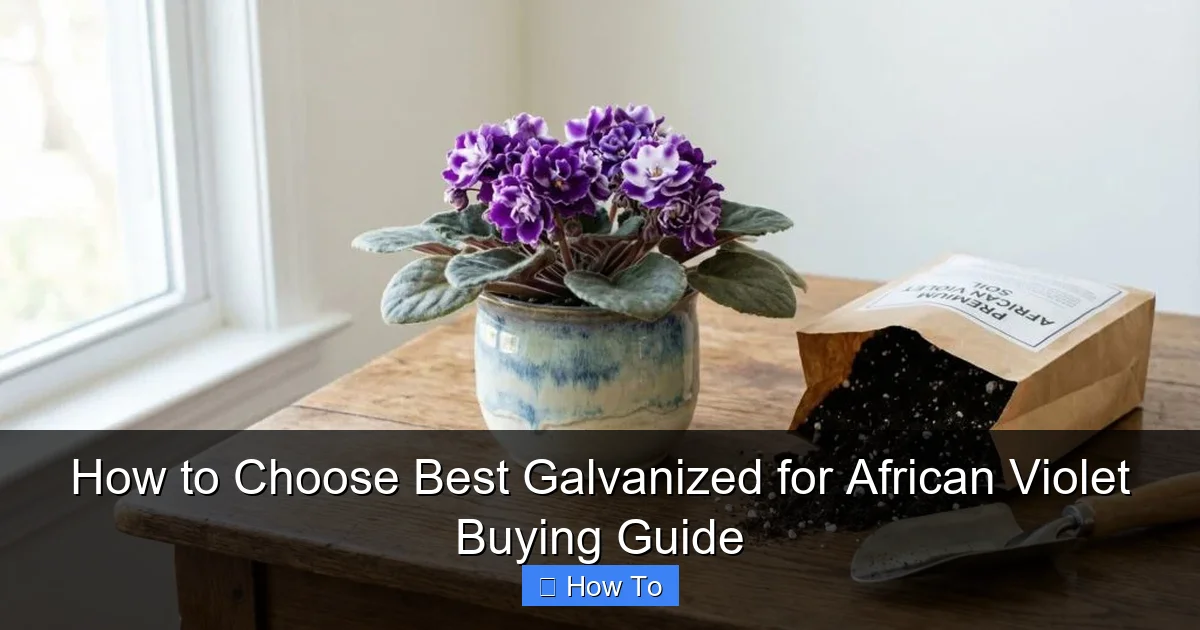
How to Choose Best Galvanized for African Violet Buying Guide
Choosing the right galvanized container ensures your African violet gets proper drainage, stable temperature, and room to grow. Follow our six‑step process to match size, coating, and budget to your plant’s needs.
Quick Answers to Common Questions
What size galvanized pot do I need for a mature African violet?
A four to six inch wide pot gives enough room for roots without holding excess water.
Can I drill drainage holes in a galvanized pot myself?
Yes, use a metal drill bit and go slowly to avoid cracking the coating.
How do I prevent rust on a galvanized container?
Choose a pot with a thick zinc coat, touch up scratches quickly, and keep the pot dry when not in use.
Should I use a liner inside my galvanized pot?
A plastic or fabric liner protects the zinc from constant moisture and makes repotting easier.
What is the best way to water African violets in a galvanized pot?
Bottom watering in a tray for 20 minutes keeps leaves dry and ensures even moisture.
Introduction
Welcome to the complete guide on how to choose the best galvanized container for your African violet. In this article you will learn why galvanized pots are popular, what features to check, and how to match a pot to your plant’s needs. We break the process into six clear steps so you can shop with confidence.
African violet lovers know that the right pot makes a big difference. A good galvanized pot provides strength, light weight, and a clean look. This guide will walk you through every detail you need to consider before you buy.
Why Choose Galvanized Containers for African Violets
Galvanized steel offers a strong, lightweight frame that resists rust when the zinc coating stays intact. African violets like steady moisture and good air flow around the roots. A galvanized pot can provide both if it has proper drainage. The metal also reflects heat, keeping the root zone cooler in bright light.
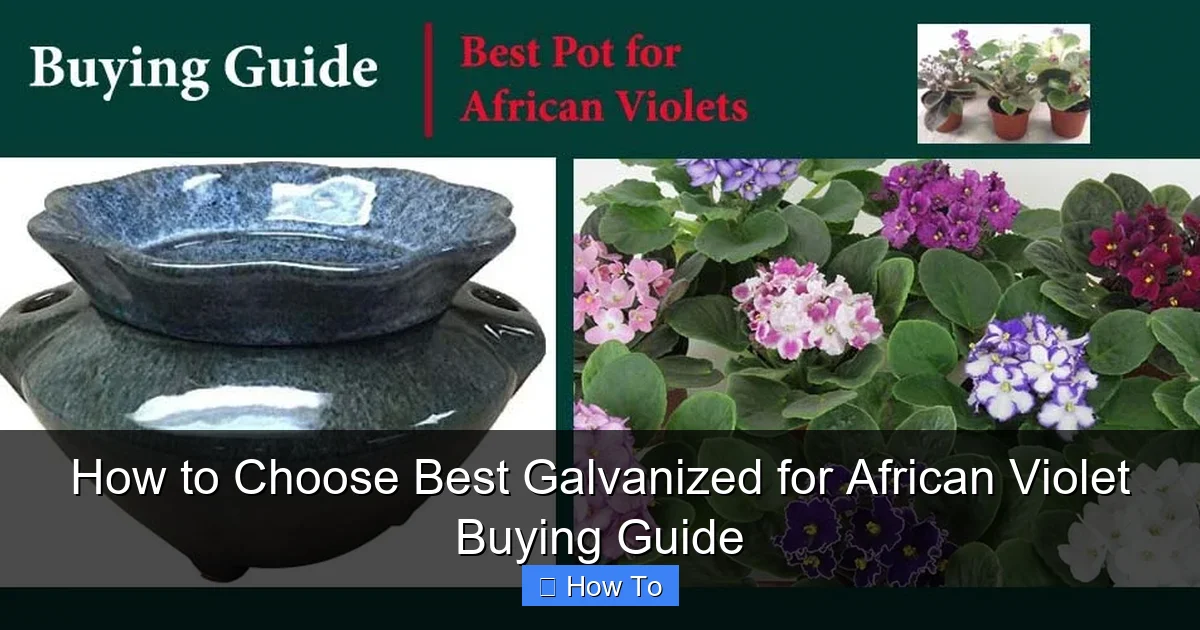
Visual guide about How to Choose Best Galvanized for African Violet Buying Guide
Image source: trinjal.com
Many growers prefer galvanized containers because they do not crack in cold weather. They are also easy to clean and can be reused for many seasons. When you pick a galvanized pot, you invest in a durable home for your African violet.
Understanding Galvanized Materials
What Is Galvanized Steel?
Galvanized steel is regular steel that has been dipped in molten zinc. The zinc forms a protective layer that stops oxygen and water from reaching the iron. This process is called hot‑dip galvanizing. The result is a durable pot that can last many seasons.
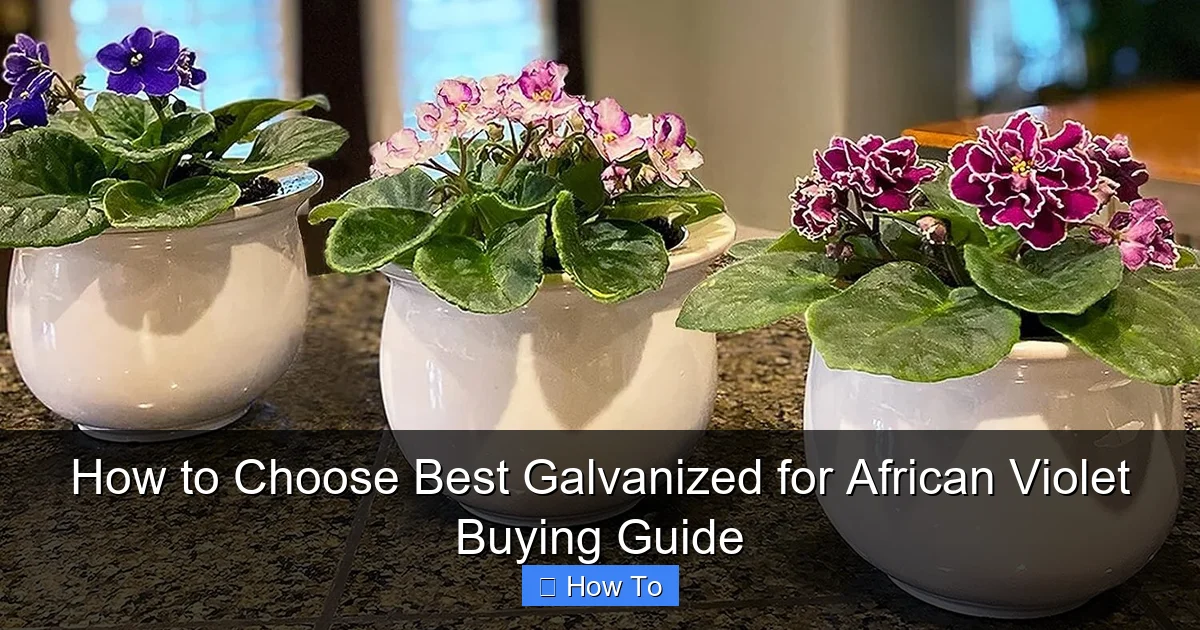
Visual guide about How to Choose Best Galvanized for African Violet Buying Guide
Image source: gardening-abc.com
The zinc coating thickness is measured in mils. A thicker coating gives better protection. Knowing this helps you compare different galvanized products.
Benefits of Galvanized Pots
Galvanized pots are strong, lightweight, and often cheaper than ceramic or stone options. They do not crack in cold weather. The shiny surface can brighten a growing area. Many gardeners find them easy to clean.
Because they are metal, galvanized containers conduct heat. This can be good in cool rooms but may need monitoring in hot spots. The weight is low enough to move easily.
Potential Drawbacks
If the zinc coating is thin, rust can appear at scratches. Metal can heat up fast in direct sun, which may stress delicate roots. Some galvanized pots lack drainage holes, so you must add them yourself.
Sharp edges on cheap galvanized pots can cut hands. Always check the finish before you buy. A smooth, even coating is a sign of quality.
Step 1: Determine the Right Size
Measure Your Plant
Start by measuring the diameter of the African violet’s current root ball. Add about two inches to that number. This gives the minimum pot width. A pot that is too large holds extra water and can cause root rot.
Use a ruler or tape measure for accuracy. Write down the measurement so you can compare it to product specs.
Consider Root Growth
African violets grow slowly but they do expand over time. Choose a pot that will accommodate at least one year of growth. A pot that is four to six inches wide works well for most mature plants.
If you plan to keep the plant for several years, select a slightly larger galvanized container. This reduces the need for frequent repotting.
Step 2: Check Drainage Features
Look for Pre‑Drilled Holes
Good drainage is the single most important factor for African violet health. Many galvanized pots come with holes in the bottom. If the pot you like has no holes, you can drill them with a metal bit.
Count the holes. More holes mean better water flow. Aim for at least three holes in a four‑inch pot.
Add a Drainage Layer
Place a layer of coarse gravel or broken pottery at the bottom of the pot. This keeps soil from washing out and improves water flow. A thin layer of activated charcoal can also help keep the soil fresh.
The drainage layer should be about one inch deep. Do not use sand, as it can compact and block holes.
Step 3: Evaluate Coating Quality
Zinc Coating Thickness
The thickness of the zinc layer is measured in mils. A coating of 2.0 mils or more is considered heavy duty. Thicker coating means the galvanized pot will resist rust longer, especially in humid indoor environments.
Ask the seller for the coating spec. If it is not listed, assume it is a standard thin coat.
Rust Resistance
Check the manufacturer’s specifications for salt‑spray test results. Pots that pass a 500‑hour salt spray test are a safe bet. Avoid pots with visible scratches or dull spots, as these are early rust sites.
Run your finger over the surface. A smooth, even feel indicates a good galvanized finish.
Step 4: Assess Weight and Portability
Light vs Heavy Options
Lightweight galvanized pots are easy to move when you rotate plants for even light. Heavier pots stay put in windy outdoor settings. Decide based on where you will keep your African violet.
If you move plants often, choose a thinner gauge galvanized container. For a permanent display, a heavier gauge adds stability.
Handles and Wheels
Some larger galvanized containers come with built‑in handles or optional wheel kits. These features make it simple to reposition a heavy pot without straining your back.
Handles should be welded, not just riveted, for maximum strength. Wheels with locks prevent unwanted movement.
Step 5: Compare Price and Warranty
Budget‑Friendly Picks
Basic galvanized pots can cost as little as ten dollars for a four‑inch size. They often have a thinner zinc coat and no warranty. They work fine for short‑term use or for growers who replace pots each season.
Look for sales at garden centers. Bulk packs can lower the per‑pot cost.
Premium Options
Higher‑end galvanized containers may cost thirty to fifty dollars. They usually feature a heavy zinc coating, reinforced rims, and a one‑year or longer warranty. The extra cost can pay off if you keep plants for many years.
Premium pots often include a matching saucer. This adds convenience and protects surfaces.
Step 6: Read Reviews and Testimonials
Online Reviews
Search for the exact model name on retailer sites and gardening forums. Look for comments about rust, drainage, and durability. A pattern of positive feedback is a strong indicator of quality.
Pay attention to reviews from African violet growers. Their experience matches your needs.
Community Forums
African violet clubs and social media groups often share real‑world experiences. Ask members which galvanized pots they trust. Personal recommendations can uncover hidden gems.
Join a forum, post a question, and note the most mentioned brands.
Practical Tips for Using Galvanized Containers
Cleaning Before Use
Wash a new galvanized pot with mild soap and water. Rinse well and let it dry. This removes any factory oils that could affect soil chemistry.
Dry the pot completely before adding soil. Moisture trapped under the rim can start rust.
Adding a Liner
Place a plastic or fabric liner inside the pot. The liner protects the zinc from constant moisture contact and makes it easier to remove the plant for repotting.
Choose a liner with drainage holes that line up with the pot holes.
Monitoring Soil Moisture
Use a moisture meter or your finger to check the top inch of soil. African violets prefer evenly moist but not soggy conditions. Adjust watering frequency based on the pot’s drainage performance.
Water from the bottom by placing the pot in a tray of water for 20 minutes. This reduces water on the leaves.
Troubleshooting Common Issues
Rust Spots
If you see small rust spots, sand the area lightly and apply a zinc‑rich touch‑up paint. This stops the rust from spreading and extends the pot’s life.
Inspect the pot monthly. Early treatment keeps the galvanized surface intact.
Overheating Roots
In hot weather, move the galvanized pot to a shadier spot or add a reflective mulch on top of the soil. This reduces heat transfer to the roots.
A light colored saucer under the pot can also reflect heat away.
Poor Drainage
Water pooling at the bottom means the holes are blocked. Clear the holes with a thin wire and add more drainage material. Repot if the soil has become compacted.
Check the drainage layer each time you water. Replace gravel if it breaks down.
Long‑Term Care for Galvanized Pots
Seasonal Inspection
At the start of each growing season, examine the galvanized container for scratches, dents, or coating wear. Touch up any damaged spots immediately.
Store pots indoors during freezing weather if they are not frost‑rated.
Re‑Coating Options
After several years, the zinc layer may thin. You can apply a clear acrylic sealant designed for metal. This adds an extra barrier without changing the look.
Follow the sealant manufacturer’s instructions for best results.
Environmental Considerations
Galvanized steel is recyclable. When a pot reaches the end of its life, take it to a metal recycling center. This reduces waste and supports a circular economy.
Choosing a durable galvanized pot means fewer replacements, which lowers your overall environmental footprint.
Conclusion
Choosing the best galvanized container for your African violet does not have to be complicated. Follow the six steps: size, drainage, coating, weight, price, and reviews. Apply the practical tips and watch for common issues. With the right pot, your African violet will thrive and bloom beautifully for years to come.