How to Choose Best Flood for Monstera Deliciosa Now
Choosing the right flood light ensures your Monstera Deliciosa gets the light intensity and spectrum it needs for lush foliage. This guide walks you through the key factors, step‑by‑step selection process, and common mistakes to avoid.
Quick Answers to Common Questions
What wattage should I start with for a small Monstera?
Begin with 100‑150 watts of full‑spectrum LED for a 2‑foot canopy; adjust as the plant grows.
Can I use a regular household LED bulb as a flood?
Household bulbs lack the required PAR output and spectrum; they will not support healthy Monstera growth.
How far should the flood be from the leaves?
Start at 18 inches; raise if you feel heat on your hand after 30 seconds.
Do I need a timer for the flood light?
Yes, a timer ensures a consistent 12‑hour photoperiod, which is critical for Monstera health.
What color temperature is best for Monstera?
Aim for 5000‑6500 K (cool white) to mimic daylight and drive strong photosynthesis.
Introduction
Welcome to the complete guide on how to choose the best flood for monstera deliciosa. In this article you will learn the key factors that affect light quality, the different types of flood lights available, and a step‑by‑step process to pick the right model for your plant. By the end you will feel confident selecting a flood that supports healthy growth and vibrant foliage.
We cover everything from understanding Monstera light needs to troubleshooting common issues. Each step is written in plain language so you can apply the advice right away. Let’s get started on finding the best flood for monstera deliciosa for your home.
Step 1: Understand Monstera Light Needs
Monstera Deliciosa originates from tropical rainforests where it receives bright, filtered sunlight. Knowing this helps you select a flood that mimics those conditions. The best flood for monstera deliciosa should provide enough intensity without scorching the leaves.
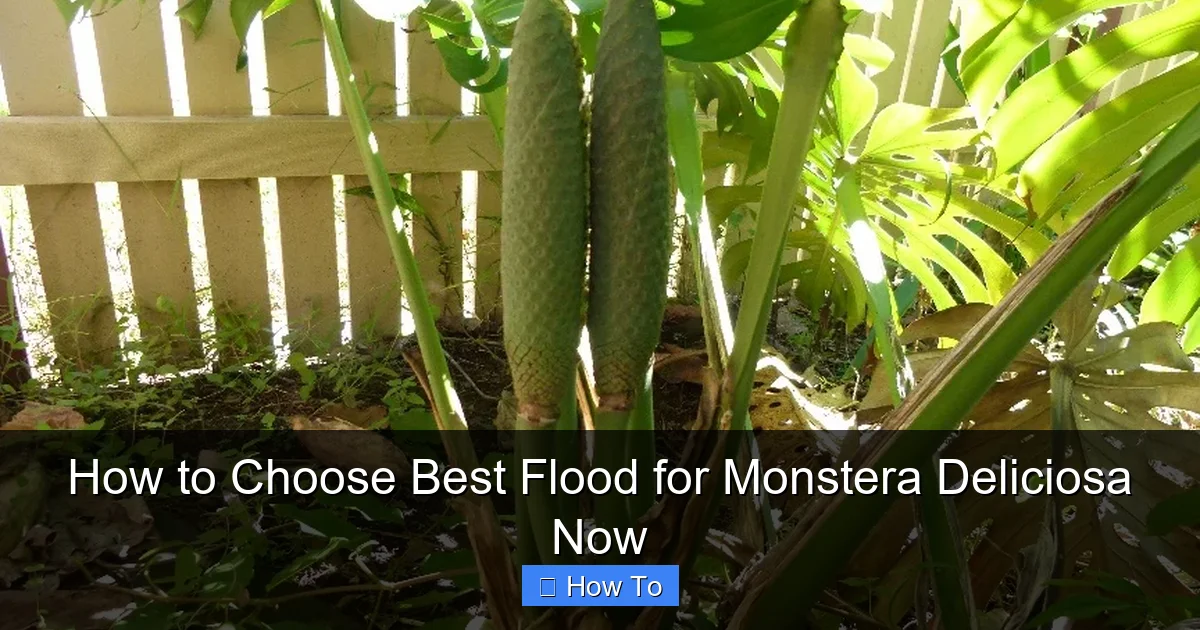
Visual guide about How to Choose Best Flood for Monstera Deliciosa Now
Image source: plant.daleysfruit.com.au
Light Intensity
Monstera prefers light levels between 200 and 400 micromoles per square meter per second. A flood that delivers this range will keep the plant compact and encourage fenestration. Measure intensity with a light meter or use manufacturer specs to compare models.
If the flood is too weak, the plant stretches and loses its signature splits. If it is too strong, leaf edges turn brown. Aim for a balanced output that matches the natural understory light. This balance is the core of choosing the best flood for monstera deliciosa.
Light Spectrum
Plants use blue light for vegetative growth and red light for flowering. Monstera benefits from a full spectrum that includes both ranges. A flood with a high color rendering index (CRI) shows true leaf colors and supports photosynthesis.
Look for LEDs that list a spectrum chart covering 400‑700 nanometers. Avoid lights that are heavily weighted to only one color. A balanced spectrum ensures the best flood for monstera deliciosa promotes healthy foliage and strong stems.
Photoperiod
Monstera thrives on a 12‑hour light, 12‑hour dark cycle. Consistent timing regulates growth hormones and prevents stress. Use a timer to automate the schedule so you never forget to turn the flood on or off.
During winter you can extend light to 14 hours if natural daylight is low. Keep the dark period uninterrupted for proper respiration. A reliable photoperiod is a simple but powerful part of the best flood for monstera deliciosa setup.
Step 2: Learn About Flood Light Types
There are three main flood technologies: LED, fluorescent, and HID. Each has pros and cons for indoor Monstera care. Understanding them helps you narrow down the best flood for monstera deliciosa for your budget and space.
LED Flood Lights
LEDs are energy efficient, run cool, and last 50,000 hours or more. They offer adjustable spectra and dimming options. Most modern growers consider LED the top choice for the best flood for monstera deliciosa because they match plant needs precisely.
Choose a model with a high PAR output and a full‑spectrum chipset. Check the warranty and heat sink quality. A well‑built LED flood reduces electricity cost and heat stress on your Monstera.
Fluorescent Flood Lights
T5 and T8 fluorescents are affordable and provide decent blue light. They run warmer than LEDs and need replacement every 10,000 hours. Fluorescents can work for small Monstera setups but may lack the red spectrum needed for mature leaves.
If you pick fluorescent, add a supplemental red LED strip. This combo can approximate a full spectrum. However, for long‑term ease, LED remains the stronger candidate for the best flood for monstera deliciosa.
HID Flood Lights
Metal halide and high‑pressure sodium lamps deliver intense light but generate significant heat. They require ballasts and robust ventilation. HID is usually overkill for a single Monstera and raises electricity bills.
Only consider HID if you have a large grow area with multiple plants. For a single Monstera, the heat and cost make HID a poor match for the best flood for monstera deliciosa.
Step 3: Determine the Right Wattage and Coverage
Wattage alone does not guarantee performance; you need to match power to canopy area. Calculating the correct wattage ensures the best flood for monstera deliciosa covers every leaf evenly.
Calculate Wattage per Square Foot
A common rule is 20‑30 watts of LED per square foot of canopy. Measure the width and depth of your Monstera’s spread. Multiply to get square footage, then multiply by the target wattage range.
For example, a 3‑foot by 3‑foot canopy equals 9 square feet. At 25 watts per square foot you need roughly 225 watts of LED power. This calculation guides you to the best flood for monstera deliciosa size.
Match Coverage to Plant Size
Check the flood’s beam angle and coverage specs. A wide beam (120°) covers more area but reduces intensity at the edges. A narrow beam (60°) concentrates light but may leave gaps.
Position the flood so the light footprint matches the canopy diameter. Adjust height to fine‑tune coverage. Proper matching prevents hot spots and shadows, key for the best flood for monstera deliciosa performance.
Step 4: Check Spectrum and Color Temperature
Spectrum and color temperature dictate how well the flood drives photosynthesis. The best flood for monstera deliciosa offers a balanced mix of blue, green, and red wavelengths.
Full Spectrum vs Targeted
Full‑spectrum lights mimic sunlight and support all growth stages. Targeted lights emphasize blue or red for specific phases. Monstera benefits from full spectrum because it continuously produces new leaves.
Read the spectral distribution chart before buying. Ensure the output peaks in both 440‑460 nm (blue) and 640‑660 nm (red). A true full spectrum simplifies care and makes the best flood for monstera deliciosa more versatile.
Ideal Kelvin Range
Color temperature measured in Kelvin (K) indicates visual warmth. For plant growth, 5000‑6500 K (cool white) is ideal. Lower Kelvin (3000 K) adds more red but can look yellow to the eye.
Choose a flood rated around 6000 K for a crisp, daylight feel. This range supports strong chlorophyll production. The right Kelvin is a subtle but important factor in the best flood for monstera deliciosa selection.
Step 5: Evaluate Heat Output and Cooling
Even efficient LEDs emit some heat. Excess heat can dry out Monstera leaves and cause brown tips. Managing heat is essential for the best flood for monstera deliciosa longevity.
Heat Management
Look for floods with aluminum heat sinks and built‑in fans. Passive cooling works for low‑wattage units; active fans handle higher output. Verify the operating temperature stays below 40 °C at the fixture surface.
Good thermal design extends LED lifespan and keeps the canopy comfortable. A cool-running flood reduces the need for extra ventilation. This makes the best flood for monstera deliciosa easier to maintain.
Distance from Canopy
Start with the manufacturer’s recommended hanging height, usually 12‑24 inches. Use a hand test: if the back of your hand feels warm after 30 seconds, raise the light. Adjust until the canopy receives target intensity without heat stress.
Monitor leaf temperature with an infrared thermometer. Ideal leaf temp is 22‑26 °C. Proper distance prevents burn and ensures the best flood for monstera deliciosa delivers light, not heat.
Step 6: Consider Energy Efficiency and Cost
Electricity cost adds up over months. An efficient flood saves money and reduces environmental impact. The best flood for monstera deliciosa balances upfront price with long‑term savings.
LED Efficiency
LED efficacy is measured in micromoles per joule (µmol/J). Higher numbers mean more light per watt. Aim for fixtures above 2.5 µmol/J. This metric directly translates to lower power bills.
Compare models using the same metric. A slightly pricier LED with better efficacy pays for itself in a year. Efficiency is a hallmark of the best flood for monstera deliciosa for budget‑conscious growers.
Long Term Savings
Calculate annual electricity cost: watts × hours per day × days per year ÷ 1000 × local rate. LEDs often cut this cost by 50‑70 % versus fluorescent or HID. Factor in replacement bulb savings for fluorescents.
Over five years, a quality LED flood can save hundreds of dollars. Investing in efficiency upfront makes the best flood for monstera deliciosa a smart financial choice.
Step 7: Look for Adjustable Features
Flexibility lets you adapt light as your Monstera grows. Dimmable output and timer compatibility are key features of the best flood for monstera deliciosa.
Dimmable Options
Dimming allows you to lower intensity for young plants and raise it for mature ones. Look for 0‑10 V or PWM dimming support. Some models include a remote or app control for convenience.
Gradual intensity changes reduce shock. Dimmable floods also let you simulate sunrise and sunset. This feature enhances the best flood for monstera deliciosa experience.
Timer Integration
Built‑in timers or smart‑plug compatibility automate the photoperiod. Set 12‑hour cycles without manual switching. Consistency improves growth rhythm and frees you from daily chores.
Choose a flood that works with your preferred timer system. Reliable timing is a simple upgrade that makes the best flood for monstera deliciosa more user‑friendly.
Step 8: Read Reviews and Compare Brands
Real user feedback reveals performance quirks that specs miss. Researching brands helps you avoid lemons and find the best flood for monstera deliciosa with confidence.
Trusted Brands
Brands like Spider Farmer, Mars Hydro, and Viparspectra have strong reputations in the indoor gardening community. They offer warranties, responsive support, and consistent quality control.
Stick to brands with at least a 3‑year warranty. Lesser‑known brands may cut corners on drivers or LEDs. A reputable name is a shortcut to the best flood for monstera deliciosa reliability.
User Feedback
Read reviews on retailer sites, forums, and YouTube. Look for comments on heat, spectrum accuracy, and longevity. Pay attention to growers with similar Monstera setups.
Negative patterns (e.g., fan noise, early diode failure) are red flags. Positive trends (steady growth, low heat) confirm a good pick. Community insight sharpens your search for the best flood for monstera deliciosa.
Step 9: Test and Adjust After Installation
Even the best flood for monstera deliciosa needs fine‑tuning once it’s hanging. Observation and small adjustments ensure optimal results.
Monitor Leaf Response
Watch new leaves for size, color, and fenestration. Large, deep‑green leaves with splits indicate good light. Pale, small, or elongated leaves signal insufficient intensity or wrong spectrum.
Take photos weekly to track changes. Compare against reference images of healthy Monstera. Visual tracking helps you confirm the best flood for monstera deliciosa is working.
Fine Tune Distance and Duration
If leaves show tip burn, raise the flood 2‑3 inches. If growth is leggy, lower it or increase daily hours by 30 minutes. Make one change at a time and wait a week before reassessing.
Keep a log of height, timer settings, and plant response. Systematic tweaking turns a good setup into the best flood for monstera deliciosa for your exact environment.
Troubleshooting Common Issues
Even with the right flood, problems can arise. Quick diagnosis keeps your Monstera on track. Here are the most frequent issues and fixes.
Leaf Burn
Brown, crispy edges mean the light is too close or too intense. Raise the fixture immediately and reduce daily hours by one hour. Increase humidity to aid recovery.
Trim severely damaged leaves to prevent infection. New growth should appear healthy within two weeks. Adjusting distance solves most burn cases for the best flood for monstera deliciosa.
Leggy Growth
Long internodes and small leaves indicate low light. Lower the flood or add a second unit to boost intensity. Extend the photoperiod by 30 minutes if distance cannot change.
Rotate the plant weekly for even exposure. Consistent improvement confirms the best flood for monstera deliciosa is now meeting needs.
Yellowing Leaves
Yellowing can stem from overwatering, nutrient deficiency, or light stress. Check soil moisture first; let the top inch dry before watering. If moisture is fine, review light intensity and spectrum.
Adjust the flood to a slightly cooler Kelvin or reduce intensity. Supplement with a balanced fertilizer if needed. Balanced care restores green foliage under the best flood for monstera deliciosa.
Conclusion
Choosing the best flood for monstera deliciosa is a blend of science and observation. Start by understanding the plant’s natural light preferences, then match technology, wattage, spectrum, and heat management to those needs. Use adjustable features and reliable timers to keep conditions steady.
Test, monitor, and tweak until your Monstera shows vigorous, fenestrated growth. With the right flood, your Monstera Deliciosa will thrive indoors year‑round. Happy growing!