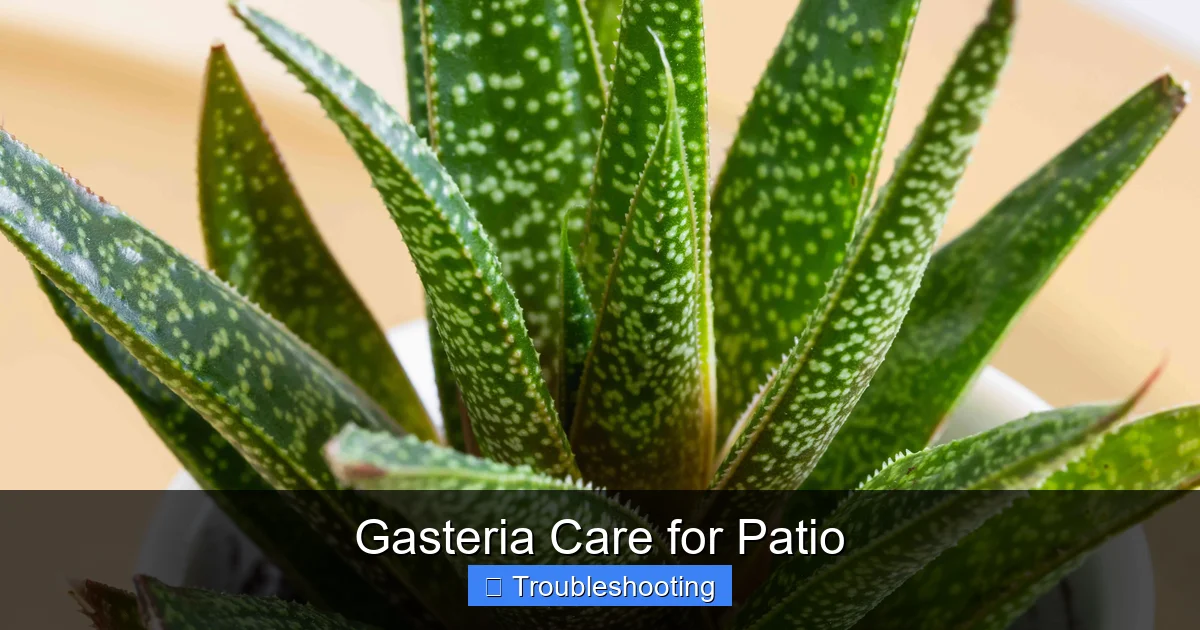
Gasteria Care for Patio
Gasteria care for patio is simple when you match the plant’s love for bright, indirect light with well‑draining soil and a careful watering schedule. Follow these practical steps to keep your patio succulents healthy all year.
Key Takeaways
- Light: Provide bright, filtered sunlight; avoid harsh midday rays.
- Water: Water deeply but infrequently; let soil dry completely between drinks.
- Soil: Use a gritty, fast‑draining mix designed for succulents.
- Temperature: Protect from frost; ideal range is 60‑85 °F (15‑29 °C).
- Pests: Watch for mealybugs and aphids; treat early with neem oil.
- Seasonal care: Reduce watering in winter; increase airflow in summer.
- Propagation: Offsets and leaf cuttings root easily in the same patio conditions.
Quick Answers to Common Questions
How much sunlight does a patio gasteria need?
Bright, indirect light with morning sun and afternoon shade is ideal.
What is the best watering schedule for gasteria on a patio?
Water deeply, then let the soil dry completely; typically every 10‑14 days in summer, monthly in winter.
Which soil mix works best for patio gasteria?
Two parts coarse sand or perlite, one part potting soil, one part pumice or lava rock.
How do I protect gasteria from frost on the patio?
Move pots indoors or into a greenhouse when temperatures drop below 50 °F (10 °C).
Can I propagate gasteria using leaf cuttings on the patio?
Yes, let a healthy leaf callous for two days, then place on moist gritty soil until roots form.
📑 Table of Contents
Introduction
Gasteria plants are charming succulents that thrive on a sunny patio when you give them the right attention. Their thick, tongue‑shaped leaves store water, making them forgiving of occasional neglect. However, a patio environment brings unique challenges like fluctuating temperatures, wind, and intense sun. Understanding the basics of gasteria care for patio settings will help you enjoy healthy, vibrant plants for years.
In this guide we walk through every aspect of gasteria care for patio success. You will learn how to choose the perfect spot, prepare the right soil mix, water wisely, protect against pests, and adjust care through the seasons. Each section includes practical tips you can apply today.
Choosing the Ideal Patio Location
Light Requirements
Gasteria prefers bright, indirect light. A spot that receives morning sun and afternoon shade works best. Direct midday sun can scorch the leaves, causing brown tips. If your patio gets full sun all day, consider a sheer curtain or a shade cloth to filter the light.
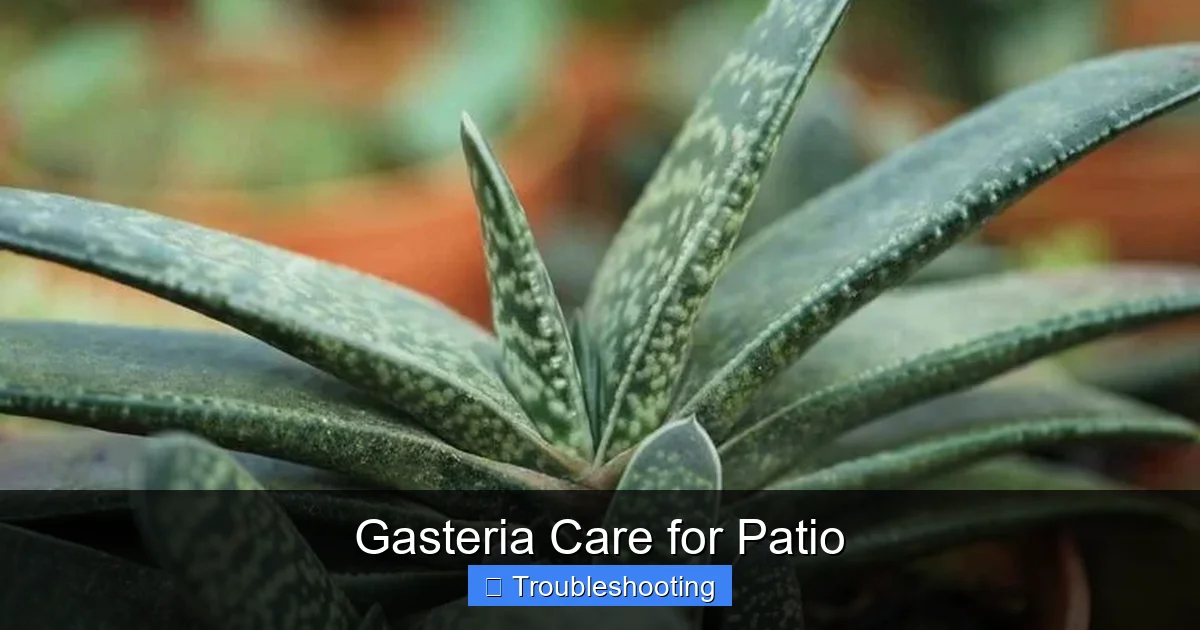
Visual guide about Gasteria Care for Patio
Image source: gardenerspath.com
Wind Protection
Strong winds dry out the soil quickly and can physically damage the fleshy leaves. Place the containers near a wall, railing, or a larger plant that acts as a windbreak. This simple step reduces water loss and keeps the plant stable.
Temperature Considerations
These succulents thrive between 60 °F and 85 °F (15 °C‑29 °C). In regions with cold winters, move the pots indoors or into a protected greenhouse when temperatures dip below 50 °F (10 °C). A sudden frost can kill the plant overnight.
Soil Mix and Container Selection
Fast‑Draining Soil Recipe
Good drainage is the cornerstone of gasteria care for patio success. Mix two parts coarse sand or perlite, one part potting soil, and one part pumice or crushed lava rock. This blend mimics the gritty terrain of their native South African habitats.
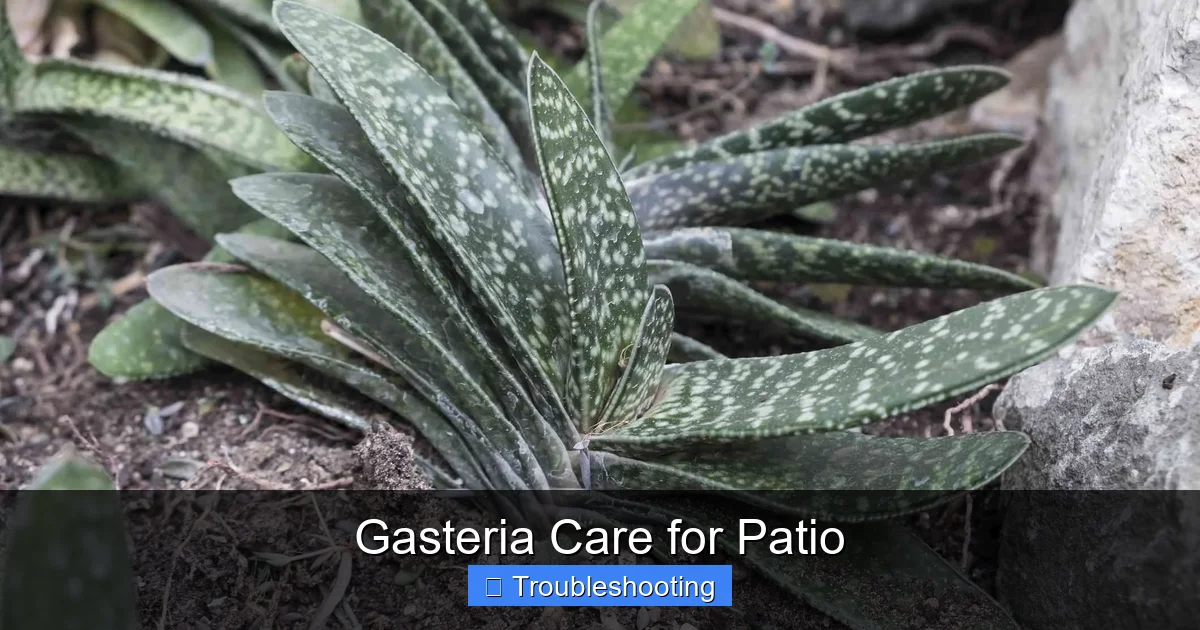
Visual guide about Gasteria Care for Patio
Image source: thespruce.com
Pot Choice
Select a container with multiple drainage holes. Terracotta pots are ideal because they wick moisture away from the roots. Avoid glazed ceramic pots without holes; they trap water and lead to root rot.
Repotting Frequency
Repot every two to three years or when the plant outgrows its container. Spring is the best time. Gently remove old soil, trim any dead roots, and place the plant in fresh mix. This refreshes nutrients and prevents compaction.
Watering Strategy for Patio Gasteria
The Soak‑and‑Dry Method
Water deeply until water runs out of the drainage holes, then allow the soil to dry completely before the next watering. On a hot patio this may mean watering once every 10‑14 days in summer and once a month in winter.
Checking Moisture
Insert a wooden skewer or your finger two inches into the soil. If it feels dry, it’s time to water. If it’s still moist, wait a few more days. Overwatering is the most common cause of failure in gasteria care for patio setups.
Rain and Humidity
If your patio receives frequent rain, move the pots under an overhang or bring them indoors during prolonged wet periods. Excess humidity encourages fungal diseases. A simple rain shelter made from a clear plastic sheet works well.
Feeding and Fertilization
When to Fertilize
Feed during the active growing season, typically spring through early fall. Use a balanced, water‑soluble fertilizer diluted to half strength. Apply once a month.
Choosing the Right Fertilizer
Look for a formula low in nitrogen and higher in phosphorus and potassium, such as a 2‑7‑7 ratio. High nitrogen promotes soft, leggy growth that is more prone to rot.
Signs of Over‑Fertilization
Leaf tip burn, white crust on the soil surface, and stunted growth indicate too much fertilizer. Flush the pot with plain water to leach excess salts and pause feeding for a month.
Pest and Disease Management
Common Pests
Mealybugs, aphids, and spider mites love the sheltered environment of a patio. Inspect the undersides of leaves weekly. Early detection makes treatment easy.
Natural Treatments
Spray a mixture of one teaspoon neem oil, a few drops of mild liquid soap, and one quart of water. Apply in the early morning or late evening to avoid leaf burn. Repeat every seven days until pests disappear.
Fungal Issues
Root rot and leaf spot appear when soil stays wet too long. Ensure excellent drainage, avoid overhead watering, and provide good air circulation. Remove any affected leaves promptly.
Seasonal Adjustments
Spring Awakening
As days lengthen, increase watering frequency gradually. Begin fertilizing once new growth appears. Check for any winter damage and prune dead tissue.
Summer Heat
During peak heat, provide extra shade during the hottest hours. Water early in the morning so the soil can absorb moisture before evaporation. Mulch the soil surface with fine gravel to keep roots cool.
Autumn Transition
Reduce watering as temperatures drop. Stop fertilizing by early October. Prepare containers for potential frost by moving them to a sheltered spot.
Winter Dormancy
Gasteria enters a rest period. Water sparingly, only when the soil is bone dry. Keep the plant in a bright, cool location above freezing. No fertilizer is needed until spring.
Propagation on the Patio
Offsets
Mature plants produce small offsets at the base. Gently separate them with a clean knife, let the cut callous for a day, then plant in the same gritty mix. Water lightly until roots establish.
Leaf Cuttings
Choose a healthy leaf, twist it off cleanly, and allow the wound to dry for two days. Lay the leaf on top of moist soil, mist occasionally, and wait for tiny roots and a new rosette to form.
Timing
Spring and early summer give the highest success rates because the plant is actively growing. Avoid propagation in winter when growth slows.
Design Tips for a Beautiful Patio Display
Grouping with Companions
Pair gasteria with other low‑water succulents like haworthia, echeveria, or sedum. Similar care needs make maintenance simple and the visual contrast of leaf shapes adds interest.
Container Arrangements
Use varying pot heights and colors to create depth. Terracotta, concrete, and matte black pots all complement the green‑gray tones of gasteria leaves.
Lighting Accents
Solar‑powered LED spotlights highlight the architectural form of the plants at night. Position lights low to avoid glare and to showcase the leaf texture.
Troubleshooting Common Problems
Leaf Shriveling
If leaves become wrinkled, the plant is thirsty. Give a thorough soak and monitor the soil moisture more closely.
Yellowing Leaves
Yellow leaves often signal overwatering or poor drainage. Check the pot holes, repot if necessary, and adjust the watering schedule.
Brown Tips
Brown tips usually result from too much direct sun or fluoride in tap water. Move the plant to a shadier spot and use filtered or rain water.
Stunted Growth
Lack of nutrients or root bound conditions cause slow growth. Fertilize lightly and consider repotting into a larger container.
Conclusion
Mastering gasteria care for patio environments is a rewarding journey. By providing bright filtered light, a gritty well‑draining soil, and a disciplined soak‑and‑dry watering routine, you set the stage for robust growth. Seasonal tweaks, vigilant pest scouting, and occasional propagation keep your collection fresh and expanding. With these practical steps, your patio will become a showcase of thriving gasteria specimens that bring texture and calm to any outdoor space.
Frequently Asked Questions
What are the signs of overwatering in patio gasteria?
Yellowing leaves, mushy stems, and a foul smell from the soil indicate overwatering. Reduce watering and improve drainage immediately.
Can gasteria tolerate full sun on a patio?
Full midday sun can scorch the leaves. Provide filtered light or shade during the hottest hours for best results.
How often should I fertilize gasteria on the patio?
Apply a half‑strength balanced fertilizer once a month during the growing season (spring to early fall). Stop in winter.
What pests commonly affect patio gasteria?
Mealybugs, aphids, and spider mites are the most frequent pests. Inspect weekly and treat with neem oil spray as needed.
Is it necessary to repot gasteria every year?
Repotting every two to three years is sufficient unless the plant becomes root‑bound or the soil breaks down.
How do I encourage offsets on my patio gasteria?
Provide optimal light, proper watering, and a light feeding schedule. Healthy mature plants naturally produce offsets at the base.