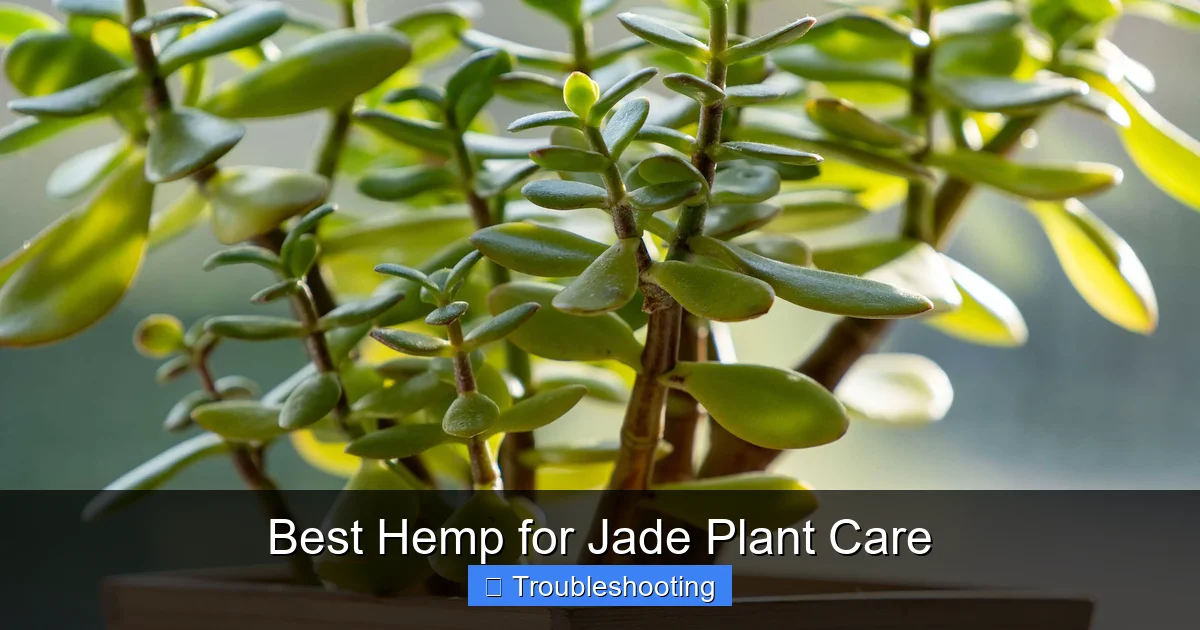
Best Hemp for Jade Plant Care
Using hemp products for jade plant care can transform your succulent’s health. Hemp mulch improves drainage while hemp fiber pots prevent root rot naturally. This guide covers the top hemp options and exactly how to use them for thriving jade plants.
If you grow jade plants, you know the struggle. These beautiful succulents look tough but they have one fatal weakness: wet feet. Root rot claims more jade plants than any pest or disease. That’s where hemp comes in. The best hemp for jade plant care offers a natural solution to the moisture problem that plagues so many succulent owners.
I discovered hemp products for my jade plants a few years ago. A friend who runs a nursery suggested hemp mulch as a top dressing. Skeptical but desperate after losing two plants to rot, I tried it. The difference was remarkable. My jade plants stopped showing those telltale mushy stems. Their leaves plumped up. They started growing faster than ever. Now I recommend hemp to every jade plant owner I meet.
Key Takeaways
- Hemp mulch excels at moisture control: It wicks excess water away from jade plant roots while retaining just enough humidity for healthy growth.
- Hemp fiber pots prevent root rot: These breathable containers allow air pruning and superior drainage compared to plastic or ceramic pots.
- Hemp rope supports heavy branches: Mature jade plants develop thick stems that benefit from gentle hemp ties that won’t cut into bark.
- Hemp oil works as natural pest control: Diluted hemp seed oil sprays deter mealybugs and spider mites without harsh chemicals.
- Quality matters with hemp products: Choose organic, untreated hemp materials to avoid introducing contaminants to your succulent soil.
- Combine hemp with proper soil mix: Hemp products work best alongside gritty, well-draining succulent soil for optimal jade plant health.
- Monitor moisture levels regularly: Even with hemp’s benefits, jade plants still need their soil to dry completely between waterings.
Quick Answers to Common Questions
What is the best hemp product for preventing jade plant root rot?
Hemp fiber pots are the single best hemp product for preventing root rot because their porous walls allow continuous air exchange and water evaporation from all surfaces, not just the bottom.
Can I use hemp mulch on newly planted jade cuttings?
Wait until cuttings have rooted and show new growth before applying hemp mulch. Fresh cuttings need maximum air flow at the soil surface to prevent stem rot.
How often should I replace hemp mulch on my jade plants?
Refresh hemp mulch annually in spring, or sooner if it breaks down into fine particles that impede drainage. Remove old mulch before adding new.
Is hemp seed oil the same as CBD oil for pest control?
No. Hemp seed oil comes from pressed seeds and contains no cannabinoids. CBD oil is extracted from flowers and leaves. Only hemp seed oil is appropriate for plant pest control.
Can hemp products completely replace perlite in jade plant soil?
Hemp improves moisture management but doesn’t provide the same permanent aeration as mineral amendments. Use hemp alongside perlite or pumice, not as a complete replacement.
📑 Table of Contents
- Why Hemp Works So Well for Jade Plants
- Top Hemp Mulch Options for Jade Plant Top Dressing
- Hemp Fiber Pots: The Breathable Container Revolution
- Hemp Rope and Twine for Jade Plant Support
- Hemp Seed Oil as Natural Pest Prevention
- Creating the Ultimate Hemp-Enhanced Jade Plant Soil Mix
- Common Mistakes When Using Hemp for Jade Plants
- Seasonal Hemp Care Calendar for Jade Plants
- Where to Source Quality Hemp Products
- Troubleshooting Hemp-Related Issues
- Advanced Hemp Techniques for Jade Plant Enthusiasts
- Environmental Impact of Choosing Hemp
- Frequently Asked Questions About Hemp and Jade Plants
- Conclusion: Embracing Hemp for Healthier Jade Plants
Why Hemp Works So Well for Jade Plants
Jade plants (Crassula ovata) evolved in South Africa’s dry, rocky slopes. Their roots need air as much as they need water. Traditional potting mixes often hold too much moisture. Peat-based soils compact over time. Even “cactus mix” from big box stores can stay wet too long in humid climates.
Hemp solves this differently. Hemp fibers are naturally hollow. This structure creates air pockets in soil. The fibers wick moisture vertically, pulling excess water away from roots while maintaining even humidity. Unlike peat, hemp doesn’t become hydrophobic when dry. It re-wets easily. Unlike coconut coir, hemp breaks down slowly, maintaining soil structure for years.
The Science Behind Hemp’s Moisture Management
Hemp fibers contain lignin and cellulose in a unique ratio. Lignin provides structural rigidity. Cellulose attracts water molecules. Together they create a capillary action that moves water through the fiber network. This means water distributes evenly rather than pooling at the bottom of the pot.
Research from agricultural universities shows hemp mulch reduces soil temperature fluctuations by up to 10 degrees Fahrenheit. For jade plants, this means less stress during summer heat waves. The mulch also suppresses fungal spores that cause damping off and root rot.
Hemp vs. Traditional Succulent Amendments
Let’s compare hemp to common alternatives. Perlite improves drainage but floats to the surface over time. Pumice works well but is heavy and expensive. Coarse sand compacts eventually. Coconut coir holds too much water for jade plants. Hemp fiber stays in place, maintains aeration, and decomposes slowly into beneficial organic matter.
Top Hemp Mulch Options for Jade Plant Top Dressing
Not all hemp mulch is created equal. The best hemp for jade plant care starts with clean, properly processed fiber. Look for products labeled specifically for horticultural use. Avoid construction-grade hemp or animal bedding that may contain dust, chemicals, or inconsistent particle sizes.
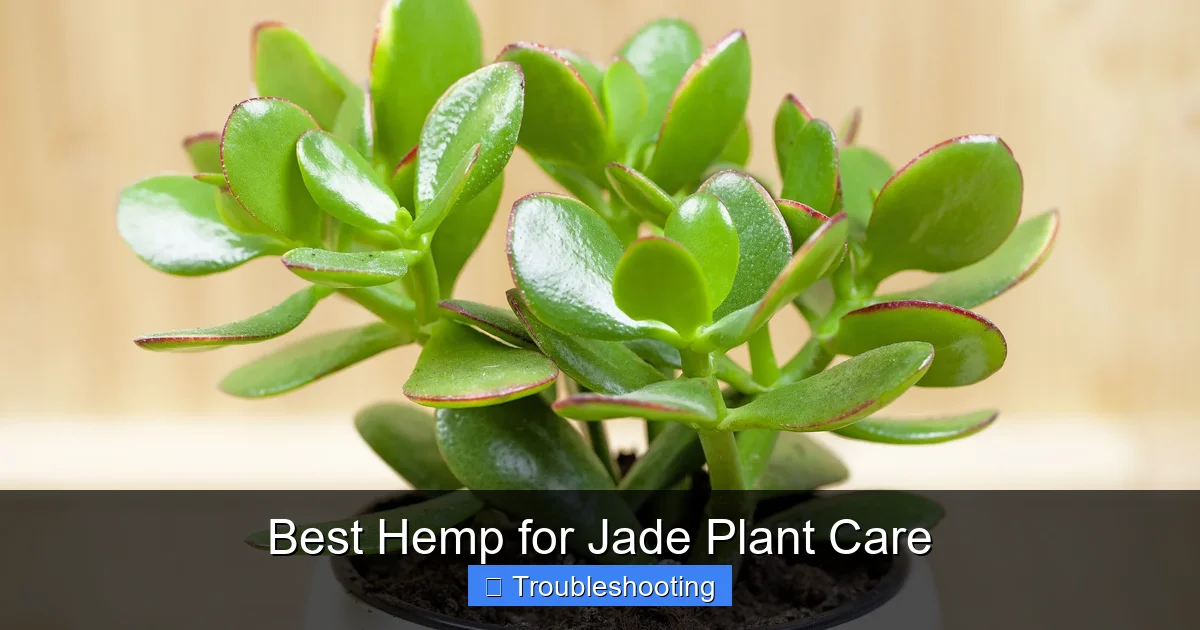
Visual guide about Best Hemp for Jade Plant Care
Image source: mydomaine.com
Hemp Hurds (Shives) – The Gold Standard
Hemp hurds are the woody inner core of the hemp stalk. They’re chopped into small chips, usually 1/4 to 1/2 inch. This size is perfect for jade plants. The chips interlock to form a stable layer that won’t blow away. They’re lightweight enough not to compact soil but heavy enough to stay put during watering.
Quality hemp hurds should be dust-free and uniform in color. Pale beige indicates proper retting (the process that separates fiber from hurd). Dark brown or greenish hues suggest incomplete processing or mold risk. Smell the bag – it should smell earthy, not musty or chemical.
Apply a 1/2 to 1 inch layer on top of your succulent soil. Keep mulch away from the jade plant’s main stem to prevent collar rot. Replenish annually as the bottom layer decomposes into rich humus.
Hemp Fiber Mats for Container Growing
Pre-cut hemp fiber mats fit standard pot sizes. These work beautifully as a drainage layer at the bottom of pots. They prevent soil from washing out drainage holes while allowing full water exit. Unlike gravel or pottery shards, hemp mats don’t create a perched water table.
You can also cut custom shapes for odd-sized containers. The mats last 2-3 years before breaking down. When repotting, you can compost the old mat and add fresh hemp hurds to the new soil mix.
Blended Hemp Mulch Products
Some companies blend hemp with other materials. Hemp-straw blends add nitrogen as they decompose. Hemp-biochar blends improve nutrient retention. For jade plants, stick with pure hemp or hemp with mineral additives like pumice. Avoid blends with compost, manure, or water-retaining polymers.
Hemp Fiber Pots: The Breathable Container Revolution
If you’ve never grown a jade plant in a hemp fiber pot, you’re missing out. These containers change everything about water management. The best hemp for jade plant care often comes in pot form because it solves the root zone oxygen problem at its source.
How Hemp Pots Prevent Root Rot
Plastic pots create a moisture trap. Water only escapes through bottom holes. The sides stay wet. Ceramic pots breathe slightly but glaze seals them. Terracotta breathes well but wicks moisture unevenly and accumulates salts.
Hemp fiber pots are porous throughout. Water evaporates from all surfaces. This creates a gentle suction that pulls air into the root zone. Roots “air prune” when they reach the pot walls, branching into dense, healthy networks instead of circling. The result? A jade plant with a robust root system that absorbs nutrients efficiently and resists drought stress.
Choosing the Right Hemp Pot Size and Style
Jade plants prefer being slightly root-bound. Choose a hemp pot only 1-2 inches wider than the current root ball. Deep pots work better than shallow ones for jade plants’ taproot tendency. Look for pots with reinforced rims – they hold shape better when wet.
Some hemp pots come with matching saucers made from compressed hemp fiber. These absorb excess water instead of letting it sit. If your pot doesn’t include a saucer, place it on a hemp fiber mat or cork pad.
Caring for Hemp Fiber Pots
Hemp pots darken when wet, lighten when dry – a built-in moisture indicator. They develop a natural patina over time. Algae or moss may grow on the exterior in humid conditions. This is harmless and actually indicates good air flow. Scrub gently with a dry brush if appearance bothers you.
Replace hemp pots every 2-3 years as they slowly biodegrade. The old pot goes straight to compost. No plastic waste. No recycling hassle.
Hemp Rope and Twine for Jade Plant Support
Mature jade plants become top-heavy. Their thick, woody stems can split under their own weight. The best hemp for jade plant care includes structural support that’s strong but gentle. Hemp rope and twine excel here.
Why Hemp Beats Wire and Plastic Ties
Wire cuts into expanding stems. Plastic ties degrade in UV light, becoming brittle and sharp. Both can girdle branches, cutting off nutrient flow. Hemp rope expands slightly with stem growth. Its rough texture grips without slipping. It biodegrades before causing damage if forgotten.
Use 3-4 mm hemp twine for small branches. Graduate to 6-8 mm rope for main trunks. Always wrap with a figure-eight pattern: one loop around the stake, one around the stem, crossed between. This prevents rubbing.
Staking Techniques for Different Growth Stages
Young jade plants (under 12 inches) rarely need staking. Let them develop strong stems naturally. For teenagers (12-24 inches), a single bamboo stake with hemp twine supports the main trunk. Mature specimens often need multiple stakes in a tripod configuration, connected with hemp rope at several heights.
Remove supports during the growing season if the plant stands firm on its own. Reapply in fall before winter winds or if you move plants outdoors for summer.
Hemp Seed Oil as Natural Pest Prevention
Jade plants attract mealybugs, spider mites, and scale insects. Chemical pesticides risk leaf burn on succulents. The best hemp for jade plant care includes hemp seed oil – a gentle, effective alternative.
How Hemp Oil Works Against Pests
Hemp seed oil contains fatty acids that disrupt insect cell membranes. It coats soft-bodied pests, blocking their spiracles (breathing pores). It also interferes with feeding and reproduction. Unlike neem oil, hemp oil has no azadirachtin, so it’s safer for beneficial insects and pollinators.
Studies show hemp oil achieves 85-90% control of mealybugs on succulents with weekly applications. Spider mite populations drop 70% within two weeks. Scale insects require more persistence but respond well to bi-weekly treatment.
Making and Applying Hemp Oil Spray
Mix 1 teaspoon cold-pressed hemp seed oil with 1 quart water and 1/4 teaspoon mild liquid soap (castile works well). The soap emulsifies the oil. Shake vigorously before each use. Spray in early morning or late evening to prevent leaf burn.
Cover all surfaces: leaf tops, undersides, stem joints, soil surface. Repeat weekly for active infestations. Monthly for prevention. Always test on one leaf first – wait 24 hours to check for sensitivity.
Storage and Shelf Life
Hemp seed oil oxidizes quickly. Buy small bottles. Refrigerate after opening. Mixed spray lasts 48 hours maximum. Discard if it smells rancid. Fresh hemp oil smells nutty, slightly grassy. Old oil smells like oil paint or crayons.
Creating the Ultimate Hemp-Enhanced Jade Plant Soil Mix
The best hemp for jade plant care shines when combined with the right soil components. Here’s my go-to recipe after years of testing.
The Base Mix Formula
Start with 2 parts coarse mineral material: pumice, perlite, or crushed lava rock. Add 1 part organic matter: hemp hurds (finely chopped) or coconut coir. Mix in 1 part garden soil or quality potting soil. This 2:1:1 ratio provides drainage, moisture buffer, and nutrients.
For extra insurance, add 1/2 part horticultural charcoal. It absorbs excess moisture and filters impurities. A tablespoon of slow-release succulent fertilizer per gallon of mix feeds for 6 months.
Adjusting for Your Climate
Humid climates: Increase mineral to 3 parts. Reduce organic to 1/2 part. Arid climates: Keep standard ratio but add a top dressing of hemp mulch. Indoor growers: Standard ratio works well with hemp fiber pots. Outdoor containers: Add extra hemp hurds for water retention during heat waves.
Repotting with Hemp-Enhanced Soil
Repot jade plants in spring during active growth. Gently remove old soil from roots. Trim any black, mushy roots with sterile scissors. Place a hemp fiber mat in the new pot bottom. Add soil mix. Position plant. Fill around roots. Tap pot to settle. Top with hemp mulch. Wait 5-7 days before watering to let root wounds callus.
Common Mistakes When Using Hemp for Jade Plants
Even the best hemp for jade plant care fails if used incorrectly. Avoid these pitfalls.
Overwatering Because “Hemp Handles Moisture”
Hemp improves drainage but doesn’t eliminate the need for dry periods. Jade plants still need soil to dry completely between waterings. Check with a wooden skewer – it should come out clean and dry from the bottom half of the pot before you water again.
Using Fresh, Unprocessed Hemp
Raw hemp straw or un-retted fiber contains compounds that inhibit seed germination and may affect root growth. Always use horticulturally processed hemp products. If you’re unsure, ask the supplier about retting and processing methods.
Applying Mulch Too Thickly
More than 1 inch of hemp mulch can trap moisture against the stem. It also makes it hard to judge soil moisture. Stick to 1/2 inch for small pots, 1 inch for large containers. Pull mulch back 1 inch from the main stem.
Neglecting to Replace Degraded Hemp
Hemp mulch breaks down into fine particles that can clog soil pores. Hemp pots eventually lose structural integrity. Schedule annual mulch refresh and pot replacement every 2-3 years. Mark your calendar.
Seasonal Hemp Care Calendar for Jade Plants
Adapt your hemp strategy through the year for best results.
Spring: Repotting and Refreshing
Repot if needed. Refresh top dressing with new hemp mulch. Check hemp pots for degradation. Start monthly hemp oil preventive sprays. Increase watering frequency as growth resumes.
Summer: Monitoring and Supporting
Check hemp mulch hasn’t compacted. Fluff with a fork if needed. Add stakes and hemp twine for heavy new growth. Watch for pests – increase hemp oil to weekly if spotted. Ensure hemp pots aren’t drying too fast in heat.
Fall: Preparing for Dormancy
Reduce watering. Stop fertilizing. Remove supports if plant is stable. Apply fresh hemp mulch for winter insulation. Move hemp pots to protected locations if outdoors.
Winter: Minimal Intervention
Water sparingly – maybe monthly. No hemp oil sprays needed. Check hemp mulch for mold (rare but possible in cool damp conditions). Replace any affected areas. Plan spring repotting if roots show through pot bottom.
Where to Source Quality Hemp Products
Finding the best hemp for jade plant care means knowing where to look and what to ask.
Specialty Succulent Nurseries
Local succulent specialists often carry hemp mulch and pots. They’ve tested products on their own plants. Staff can advise on specific varieties. Prices may be higher but quality is verified.
Online Hemp Horticulture Suppliers
Several companies specialize in hemp growing media. Look for detailed product specs: particle size, pH, EC (electrical conductivity), processing method. Read reviews from succulent growers specifically. Avoid generic “hemp mulch” without horticultural labeling.
DIY from Raw Materials
If you have access to clean hemp hurds, you can process your own. Sieve to 1/4-1/2 inch. Bake at 200°F for 30 minutes to sterilize. Cool completely before use. This saves money for large collections but requires space and equipment.
Troubleshooting Hemp-Related Issues
Even with the best hemp for jade plant care, problems occasionally arise. Here’s how to diagnose and fix them.
White Mold on Hemp Mulch
Surface mold (white, fuzzy) is usually harmless saprophytic fungus. It breaks down organic matter. Scrape off the top layer. Increase air circulation. Reduce watering frequency. Add a thin layer of fresh hemp mulch.
Hemp Pot Falling Apart
If your hemp pot disintegrates in under a year, it was likely under-processed. Switch brands. In the meantime, slip the failing pot into a slightly larger plastic pot with drainage holes for support.
Fungus Gnats in Hemp Mulch
Fungus gnats love damp organic matter. Let the top inch dry completely. Apply a layer of coarse sand over hemp mulch. Use yellow sticky traps. Beneficial nematodes (Steinernema feltiae) work well in hemp-enriched soil.
Nutrient Deficiency Signs
Hemp mulch decomposition can temporarily tie up nitrogen. Yellowing lower leaves with green veins suggest nitrogen deficiency. Apply a dilute fish emulsion or succulent fertilizer. The effect resolves as decomposition completes.
Advanced Hemp Techniques for Jade Plant Enthusiasts
Ready to level up? These advanced methods maximize hemp benefits.
Hemp Tea Fertilizer
Steep 1 cup hemp hurds in 1 gallon water for 24 hours. Strain. Use the amber liquid as a mild fertilizer (roughly 0.5-0.3-0.5 NPK). Apply monthly during growing season. The tea delivers micronutrients and beneficial microbes.
Hemp Biochar Blend
Mix 10% hemp biochar into your soil mix. Biochar’s porous structure hosts beneficial bacteria and fungi. It holds nutrients against leaching. Combined with hemp fiber’s moisture management, this creates a living soil ecosystem.
Hemp Fiber Propagation Medium
Root jade plant cuttings in pure hemp fiber. Moisten fiber. Insert callused cuttings. Cover with humidity dome. Roots appear in 2-3 weeks. Transplant directly to hemp-enhanced soil – no root disturbance.
Environmental Impact of Choosing Hemp
Beyond plant health, hemp products align with sustainable gardening values.
Carbon Sequestration
Hemp absorbs 15 tons of CO2 per hectare during growth. The carbon stays locked in hemp products until they fully decompose. Your jade plant’s hemp pot and mulch represent stored atmospheric carbon.
Soil Regeneration
Hemp grows without pesticides or herbicides. Its deep roots break up compaction. It remediates contaminated soils. Supporting hemp agriculture promotes regenerative farming practices.
Zero Waste Cycle
Every part of the hemp plant has use: fiber for pots and rope, hurds for mulch, seeds for oil, dust for compost. No waste stream. Compare to plastic pots (petroleum, landfill) or peat moss (bog destruction, carbon release).
Frequently Asked Questions About Hemp and Jade Plants
Let me address the most common questions I hear from fellow jade plant growers.
Can I use hemp bedding from the feed store?
Feed store hemp bedding varies wildly in quality. Some batches contain high dust, mold spores, or chemical residues from processing. Unless the bag specifies “horticultural grade” or “dust extracted,” stick with garden center products. The few dollars saved aren’t worth risking your plants.
Will hemp mulch attract termites?
No. Termites prefer wood with high cellulose and low lignin. Hemp hurds have high lignin content. Studies show termites avoid hemp mulch. In fact, hemp mulch may deter termites from nearby structures.
How long does hemp mulch last?
In jade plant conditions (infrequent watering, good drainage), hemp mulch lasts 12-18 months before needing refresh. In high-humidity or frequent-watering situations, 6-9 months. The mulch gradually incorporates into the soil as beneficial organic matter.
Can I mix hemp fiber directly into succulent soil?
Yes, but chop it finely (1/4 inch or less). Long fibers can create air pockets that dry out roots. Use no more than 20% by volume. Better to use hemp hurds (chips) than long fiber for soil incorporation.
Is hemp rope safe for all jade plant varieties?
Yes, including variegated, ‘Gollum’, ‘Hobbit’, and miniature varieties. Adjust thickness proportionally. For tiny varieties, use single-strand hemp thread. The principle remains the same: gentle, breathable support.
Does hemp oil spray leave residue on leaves?
Properly diluted hemp oil (1 tsp per quart) leaves minimal residue. Any slight sheen disappears in a few days. Avoid spraying in direct sun. If residue bothers you, wipe leaves gently with a damp cloth after 24 hours.
Conclusion: Embracing Hemp for Healthier Jade Plants
The best hemp for jade plant care isn’t a single product – it’s a system. Hemp mulch manages surface moisture. Hemp pots aerate the root zone. Hemp rope supports structure. Hemp oil prevents pests. Together, they create an environment that mimics the jade plant’s native habitat: dry, airy, mineral-rich, and alive with beneficial biology.
I’ve watched struggling jade plants transform within weeks of switching to hemp-based care. Leggy, pale plants become compact and vibrant. Chronic root rot sufferers grow thick, white roots. Flowering increases. Propagation success soars.
Start small. Try hemp mulch as a top dressing on one plant. Observe for a month. Notice how the soil stays evenly moist but never soggy. See how the plant perks up. Then expand to hemp pots for your next repotting. Experiment with hemp rope on a top-heavy specimen.
Your jade plants will thank you with years of glossy leaves, sturdy trunks, and maybe even those elusive winter flowers. And you’ll garden with the satisfaction of using renewable, carbon-negative materials that give back to the earth.
The hemp revolution in succulent care is just beginning. Be part of it. Your jade plants are waiting.
Frequently Asked Questions
What type of hemp mulch is best for jade plants?
Hemp hurds (shives) chopped to 1/4-1/2 inch size are ideal. They interlock for stability, wick moisture effectively, and break down slowly. Avoid fine hemp fiber or dust-heavy products.
How do hemp fiber pots compare to terracotta for jade plants?
Hemp pots breathe more evenly than terracotta, don’t accumulate mineral salts, are lighter weight, and biodegrade completely. Terracotta wicks moisture faster but unevenly and breaks easily.
Can I make my own hemp potting mix for jade plants?
Yes. Mix 2 parts pumice or perlite, 1 part finely chopped hemp hurds, 1 part quality potting soil, and 1/2 part horticultural charcoal. Adjust ratios for your climate humidity.
Will hemp rope damage jade plant stems as they thicken?
Hemp rope expands slightly with stem growth and degrades before causing girdling. Check ties monthly during growing season and loosen or re-tie as needed. Use figure-eight wrapping technique.
How do I apply hemp seed oil spray without burning jade leaves?
Mix 1 teaspoon cold-pressed hemp seed oil with 1 quart water and 1/4 teaspoon castile soap. Spray in early morning or evening. Test one leaf first. Never spray in direct sunlight or on heat-stressed plants.
Where can I buy horticultural-grade hemp products for jade plants?
Specialty succulent nurseries, online hemp horticulture suppliers, and some hydroponic stores carry verified products. Look for “horticultural grade,” “dust extracted,” and detailed processing information on labels.