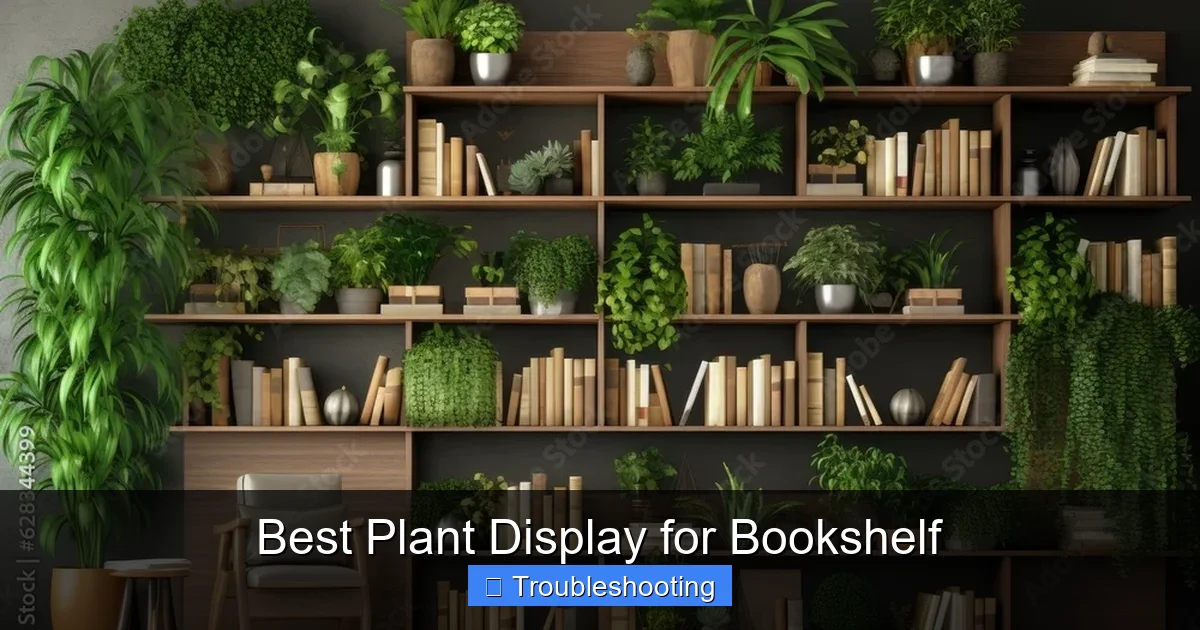
Best Plant Display for Bookshelf
Struggling to keep plants healthy on your bookshelf? This guide covers the best plant display for bookshelf arrangements, solving light, drainage, and stability problems. Learn which plants thrive, how to style them, and the exact tools you need for a lush, trouble-free shelf garden.
You bought the plants. You cleared the shelf. You stepped back to admire your new green oasis… and within weeks, leaves yellowed, soil stayed soggy, or a favorite pot crashed down onto your hardcover collection. Sound familiar? You are not alone. Creating the best plant display for bookshelf setups looks effortless on social media, but the reality involves a unique set of troubleshooting challenges that can frustrate even experienced plant parents.
The good news? Every common bookshelf plant problem has a straightforward fix. Whether you are battling dim corners, worrying about water damage to your books, or watching your succulents stretch toward a distant window, this guide walks through the exact solutions. We will cover light assessment, drainage hacks, weight safety, plant selection, styling tricks, and maintenance routines. By the end, you will have a thriving, beautiful shelf garden that enhances your space without the stress.
Key Takeaways
- Light is the limiting factor: Most bookshelves sit far from windows, so choose low-light tolerant plants or add grow lights for success.
- Drainage prevents root rot: Always use pots with holes and saucers, or cache pots with pebble trays, to protect books and furniture from water damage.
- Weight distribution matters: Heavy ceramic pots on weak shelves cause sagging; use lightweight planters and place heavy items on lower shelves.
- Group plants by care needs: Cluster humidity-loving ferns together and succulents separately to simplify watering routines and microclimate management.
- Air circulation stops pests: Space plants slightly apart and use a small fan occasionally to prevent spider mites, fungus gnats, and mold growth.
- Vertical space multiplies capacity: Use tiered stands, macrame hangers, or wall-mounted planters above the shelf to display more plants without crowding.
- Regular rotation ensures even growth: Turn pots a quarter turn weekly so all sides receive light, preventing lopsided, leggy growth toward the window.
Quick Answers to Common Questions
Can I put plants on a bookshelf without drainage holes?
No. Pots without drainage holes trap water, causing root rot. Always use pots with holes, or keep plants in nursery pots inside decorative cache pots and empty excess water after watering.
What are the best low-light plants for a bookshelf far from windows?
Snake plant, ZZ plant, cast iron plant, Chinese evergreen, and pothos tolerate low light (50–150 foot-candles) and thrive on interior shelves.
How do I prevent water damage to my books and shelves?
Use saucers under every pot, add a waterproof shelf liner (silicone mat or vinyl), bottom-water plants in a tub, and never let pots sit in standing water.
My shelf plants keep stretching and looking leggy. What should I do?
Leggy growth means insufficient light. Move plants closer to a window, add a full-spectrum LED grow light on a 12–14 hour timer, and prune stretched stems to encourage compact new growth.
How often should I water bookshelf plants?
Check weekly by feeling soil 2 inches deep. Water only when dry. Frequency depends on plant type, pot size, light, and humidity—never water on a fixed calendar schedule.
📑 Table of Contents
Assessing Your Bookshelf Environment
Before buying a single plant or pot, you need to understand the specific conditions your bookshelf offers. This step saves money and heartache later. Most people skip it, then wonder why their fiddle leaf fig drops leaves in the corner.
Measuring Actual Light Levels
Human eyes are terrible at judging light intensity. A shelf that looks “bright” to you might deliver only 50 foot-candles—barely enough for a snake plant. Use a light meter app on your phone (many free options exist) or a dedicated handheld meter. Take readings at morning, noon, and afternoon on a sunny day. Note the duration of direct sun versus bright indirect light.
Here is a quick reference for common bookshelf locations:
- Next to south-facing window: 500–1000+ foot-candles, direct sun possible. Great for succulents, cacti, hoyas.
- Near east/west window: 200–500 foot-candles, gentle morning/afternoon sun. Good for pothos, philodendrons, peperomias.
- Interior wall, 6+ feet from window: 50–150 foot-candles, low light. Only snake plants, ZZ plants, cast iron plants survive long-term.
- Windowless room with overhead lights: Under 50 foot-candles. Requires grow lights for any plant to thrive.
Write down your numbers. Match plants to those numbers, not to wishful thinking. This single step prevents 80% of bookshelf plant failures.
Evaluating Shelf Structure and Weight Limits
Bookshelves vary wildly in strength. A solid oak built-in handles heavy ceramic pots. A particle-board ladder shelf from a big-box store bows under a few gallons of wet soil. Check the manufacturer specs if available. If not, use this rule of thumb: press down firmly on the shelf center. If it flexes more than 1/8 inch, treat it as light-duty.
Wet soil weighs roughly 10 pounds per gallon. A 10-inch pot holds about 2.5 gallons—that is 25 pounds plus the pot weight. Multiply by several pots, and you risk shelf failure. For light-duty shelves, choose plastic, fiberglass, or fabric grow pots. They weigh a fraction of ceramic or terracotta. Place the heaviest pots on the bottom shelf, directly over side supports or brackets.
Checking Airflow and Humidity
Bookshelves often sit against walls, trapping stagnant air. Poor airflow encourages spider mites, mealybugs, and fungal issues. Feel the air movement with your hand. Is it still? Add a small USB clip fan on a low setting, pointed near (not directly at) plants. Run it a few hours daily. This mimics natural breezes, strengthens stems, and dries leaf surfaces faster after watering.
Humidity matters too. Heated homes in winter drop to 20% humidity. Tropical plants want 50%+. Group plants together to create a humidity microclimate. Add a pebble tray: fill a shallow tray with pebbles, add water to just below the pebble tops, set pots on top. As water evaporates, local humidity rises. A small humidifier nearby works even better.
Solving Drainage and Water Protection
Water damage is the number one reason people give up on shelf plants. A single overwatering incident can warp shelves, stain books, and ruin electronics. The best plant display for bookshelf arrangements always—always—includes a drainage plan.
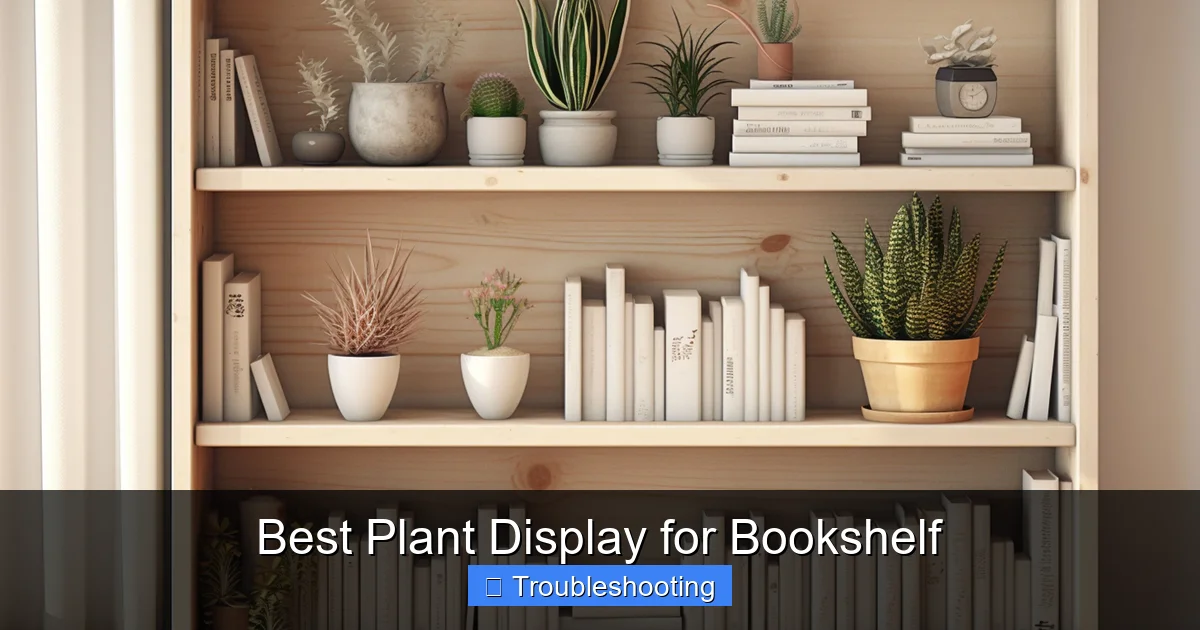
Visual guide about Best Plant Display for Bookshelf
Image source: i.pinimg.com
Pot Selection: Drainage Holes Are Non-Negotiable
Decorative pots without holes are death traps for roots. Water pools at the bottom, roots rot, plant dies. If you love a cache pot (decorative outer pot), use it as a cover only. Keep the plant in a plastic nursery pot with holes. Set the nursery pot inside the cache pot. Empty excess water after watering.
For a cleaner look, drill holes in ceramic pots using a diamond-tip drill bit. Go slow, use water as lubricant, wear safety glasses. It takes two minutes and saves plants. If drilling scares you, buy pots with holes. Many modern planters now include matching saucers that look intentional, not utilitarian.
Saucers, Trays, and Water Barriers
Every pot needs a saucer. But standard plastic saucers crack, overflow, and look cheap. Upgrade to:
- Clear acrylic saucers: Invisible, sturdy, hold surprising volume.
- Cork-backed ceramic saucers: Protect wood finishes from condensation rings.
- Metal tray liners: Cut a rubber boot tray to shelf size. One large tray catches all drips, protects the whole shelf.
- Self-watering inserts: These fit inside pots, provide a reservoir, and prevent overwatering. Great for thirsty plants like ferns.
For extra insurance, line the shelf itself. Cut a piece of food-grade silicone mat or a vinyl tablecloth to shelf dimensions. It creates a waterproof barrier that wipes clean. Your books and shelf stay safe even if a saucer overflows.
Watering Techniques That Prevent Mess
The mess usually happens during watering, not after. Try these methods:
- Bottom watering: Set pots in a bathtub or large bin with 2 inches of water. Let soil wick moisture up for 15–20 minutes. Remove, drain, return to shelf. Zero spills.
- Turkey baster or syringe: For small pots, deliver water precisely to soil surface without splashing leaves or overflowing saucers.
- Watering can with long narrow spout: Targets soil, misses foliage. Look for 1-liter metal cans with 12-inch spouts.
- Pre-moistened soil: Mix soil with water in a bucket before potting. Reduces initial watering volume and dust.
Schedule watering for a day when you can monitor drainage. Never water right before leaving the house.
Choosing Plants That Actually Work on Shelves
Plant selection makes or breaks a bookshelf display. The best plant display for bookshelf setups uses species that tolerate shelf conditions: variable light, dry air, limited root space, and occasional neglect. Avoid divas. Choose survivors.
Low-Light Champions (50–150 foot-candles)
These tolerate interior shelves far from windows. They grow slowly but stay alive.
- Snake Plant (Sansevieria): Upright architecture, near-indestructible. Varieties like ‘Laurentii’, ‘Moonshine’, ‘Whale Fin’ add visual interest.
- ZZ Plant (Zamioculcas zamiifolia): Glossy dark leaves, stores water in rhizomes. Survives weeks without water.
- Cast Iron Plant (Aspidistra elatior): True to name. Handles deep shade, temperature swings, neglect.
- Chinese Evergreen (Aglaonema): Colorful variegated leaves. ‘Silver Bay’, ‘Red Siam’, ‘Maria’ brighten dark corners.
- Pothos (Epipremnum aureum): Trailing habit softens shelf edges. ‘Golden’, ‘Marble Queen’, ‘Neon’ varieties. Trim to control length.
Medium-Light Favorites (150–300 foot-candles)
Near east/west windows or bright indirect spots. More variety, faster growth.
- Philodendron Heartleaf: Classic trailing, forgiving, easy to propagate.
- Peperomia species: Compact, diverse leaf shapes. ‘Obtusifolia’, ‘Caperata’, ‘Hope’, ‘Watermelon’ stay small.
- Spider Plant (Chlorophytum comosum): Arching leaves, produces babies. ‘Variegatum’, ‘Bonnie’ (curly).
- Hoya species: Waxy leaves, fragrant flowers eventually. ‘Carnosa’, ‘Krimson Queen’, ‘Linearis’ (trailing).
- Calathea (now Goeppertia): Stunning patterns but need humidity. ‘Orbifolia’, ‘Medallion’, ‘Rattlesnake’. Use pebble trays.
Bright-Light Succulents (300+ foot-candles)
Only for shelves with direct sun or strong indirect light. They stretch (etiolate) in low light.
- Echeveria rosettes: Compact, colorful. Need 4+ hours direct sun.
- Haworthia: Tolerates slightly less light than most succulents. Cool geometric textures.
- String of Pearls/Hearts/Bananas: Trailing succulents. Bright indirect works. Water sparingly.
- Jade Plant (Crassula ovata): Tree-like structure. ‘Gollum’, ‘Hobbit’ varieties stay smaller.
- Aloe Vera: Useful and architectural. Needs bright light.
Size and Growth Habit Considerations
Bookshelves have fixed vertical clearance. Measure shelf height. Choose plants that fit now and won’t outgrow the space in six months. Check mature height on labels. “Compact” or “dwarf” varieties are shelf-safe.
Growth habit matters too. Upright plants (snake plant, ZZ) add vertical structure. Trailing plants (pothos, string of hearts) soften edges and fill negative space. Bushy plants (peperomia, calathea) create mid-level fullness. Mix all three habits for a layered, professional look.
Pet and Child Safety
If cats, dogs, or toddlers access the shelf, avoid toxic plants. Common toxic shelf plants: pothos, philodendron, ZZ plant, snake plant, aloe, jade. Safe alternatives: spider plant, peperomia, calathea, hoya, parlor palm, African violet, prayer plant, burro’s tail. Check ASPCA plant toxicity database before buying.
Styling and Arrangement Strategies
Now the fun part. A thriving plant collection still looks messy without thoughtful arrangement. The best plant display for bookshelf aesthetics balances plants with books, objects, and negative space. Think like a stylist, not just a gardener.
The Rule of Three (and Odd Numbers)
Group items in threes. Three plants, three books, three objects. Odd numbers create visual tension that feels natural. Even numbers look static. On a long shelf, create multiple groupings of three separated by breathing room.
Vary heights within each group. Tall plant, medium plant, trailing plant. Or tall plant, stack of horizontal books, small object. The eye moves up and down, creating rhythm.
Color Coordination
Pick a foliage color palette. Cool greens (blue-green snake plant, silver pothos, ZZ plant) feel modern. Warm greens (golden pothos, lime philodendron, variegated rubber plant) feel cozy. Variegated whites/creams brighten dark shelves. Deep burgundy (rubber plant ‘Burgundy’, calathea ‘Medallion’) adds drama. Stick to one palette per shelf for cohesion.
Pot colors count too. Neutral pots (white, terracotta, black, concrete) let plants star. Matching pots unify a collection. Eclectic pots work if they share a material (all ceramic, all matte) or color family.
Integrating Books and Objects
Plants alone can feel like a nursery. Books and objects make it a home. Use books as risers: stack two horizontal hardcovers, place a small pot on top. Instant height variation. Turn some books spine-in for a neutral backdrop that lets green pop.
Add objects with organic shapes: ceramic bowls, stone sculptures, wood carvings, glass vessels. Avoid plastic trinkets. Natural materials echo the plants. Keep objects low so they don’t block light from reaching lower leaves.
Using Vertical Space Above the Shelf
The shelf surface is only half the display zone. The wall above offers prime real estate. Install:
- Wall-mounted planters: Ceramic pockets, wooden boxes, metal frames. Great for trailing plants.
- Macrame hangers: Hang from ceiling hooks or a tension rod. Adds boho texture.
- Floating shelves above: A second narrow shelf 12–18 inches up doubles capacity.
- Picture ledge: Lean framed botanical prints behind plants. Layered depth.
This vertical layering creates the “plant wall” look without drilling into every stud.
Lighting as Decor
If you need grow lights, make them pretty. Clip-on full-spectrum LED bars in matte black or white disappear against shelf undersides. Pendant grow lights hung at varying heights become sculptural elements. Warm white (3000K–4000K) looks natural; avoid harsh purple “blurple” lights in living spaces. Timer outlets automate the 12–14 hour cycle plants need.
Maintenance Routines for Long-Term Success
A beautiful display stays beautiful only with care. Bookshelf plants face unique maintenance challenges: hard-to-reach pots, dust accumulation, uneven light. Build these habits into your week.
Watering Schedule and Monitoring
Do not water on a calendar schedule. Water when soil needs it. Check weekly: stick finger 2 inches deep. Dry? Water. Moist? Wait. Use a moisture meter for large pots where finger reach fails. Note each plant’s typical dry-down time. Group plants with similar needs on the same shelf for efficient watering rounds.
Bottom watering (mentioned earlier) is ideal for shelves. Move pots to a tray, bathtub, or sink. Soak 20 minutes. Drain fully. Return. No spills, no wet leaves, even moisture distribution.
Dusting and Leaf Cleaning
Dust blocks light and attracts spider mites. Wipe leaves monthly with a damp microfiber cloth. Support each leaf from underneath while wiping top surface. For fuzzy leaves (African violet, begonia), use a soft makeup brush instead of cloth. For intricate foliage (ferns, calathea), shower gently with lukewarm water in the bathtub. Let drain before returning.
Rotating for Even Growth
Plants lean toward light. Rotate each pot 90 degrees weekly. This keeps growth symmetrical and prevents bare sides. Mark the pot bottom with a dot of paint or tape to track rotation. For trailing plants, rotate the whole hanging basket or turn the shelf pot so vines cascade evenly.
Fertilizing on a Shelf
Shelf pots hold limited soil. Nutrients deplete faster than in ground or large floor pots. Fertilize weakly, weekly during growing season (spring–summer). Use 1/4 strength liquid fertilizer every watering, or 1/2 strength every two weeks. Stop in fall/winter. Organic options: worm casting tea, fish emulsion (smelly but effective), seaweed extract. Always apply to moist soil to avoid root burn.
Pruning and Grooming
Trim yellow, brown, or damaged leaves at the base with clean scissors. Pinch back leggy stems to encourage bushiness. Remove spent flowers. For trailing plants, trim vines to desired length—cut just above a node. Propagate cuttings in water on the shelf itself; they become free new plants.
Pest Scouting
Inspect weekly. Check leaf undersides, stem joints, soil surface. Look for: tiny webs (spider mites), cottony masses (mealybugs), sticky residue (scale), flying gnats (fungus gnats), chewed edges (caterpillars/slugs). Early detection means easy treatment. Isolate affected plants immediately. Treat with neem oil, insecticidal soap, or beneficial insects depending on pest.
Troubleshooting Common Bookshelf Plant Problems
Even with perfect setup, issues arise. Here are the most frequent bookshelf-specific problems and their fixes.
Problem: Leggy, Stretched Growth (Etiolation)
Cause: Insufficient light. Plant stretches toward source, internodes elongate, leaves shrink.
Fix: Move to brighter shelf. Add grow light. Prune leggy stems; new growth will be compact. Propagate cuttings. For succulents, behead rosette, let callus, reroot.
Problem: Yellowing Lower Leaves
Cause: Usually overwatering or natural aging. If many leaves yellow fast: root rot from poor drainage.
Fix: Check roots. Brown/mushy? Repot in fresh soil, trim rot. Reduce watering. Ensure drainage holes work. If only oldest leaf yellows: normal. Remove it.
Problem: Brown Crispy Leaf Tips
Cause: Low humidity, fluoride in tap water, fertilizer burn, or underwatering.
Fix: Increase humidity (pebble tray, humidifier, grouping). Use filtered/distilled water for sensitive plants (calathea, spider plant). Flush soil monthly to remove salt buildup. Water consistently.
Problem: Mold on Soil Surface
Cause: Overwatering, poor airflow, organic matter decomposing.
Fix: Scrape off top 1/2 inch soil. Replace with fresh. Add cinnamon (natural antifungal). Improve airflow with fan. Water less frequently. Ensure pot isn’t sitting in water.
Problem: Fungus Gnats
Cause: Consistently moist topsoil. Larvae feed on fungi and roots.
Fix: Let top 2 inches dry completely between waterings. Add 1/2 inch sand or diatomaceous earth on soil surface. Yellow sticky traps catch adults. Mosquito bits (Bti) in water kill larvae. Bottom water to keep surface dry.
Problem: Spider Mites
Cause: Hot, dry, stagnant air. Tiny pests suck chlorophyll, leave stippling and webbing.
Fix: Shower plant thoroughly. Increase humidity. Wipe leaves weekly. Spray neem oil or insecticidal soap every 5 days for 3 weeks. Introduce predatory mites (Phytoseiulus persimilis) for biological control.
Problem: Pot Tipping / Shelf Sagging
Cause: Top-heavy plants, narrow pots, weak shelves, pets/kids bumping.
Fix: Use wider, heavier base pots. Add decorative stones to pot bottom for ballast. Secure pots with museum putty or Velcro strips to shelf. Reinforce shelf with brackets. Move heavy pots to lower shelves.
Problem: Water Stains on Books / Shelf
Cause: Overflowing saucers, condensation, missed spills.
Fix: Immediate: blot, dry with fan. Long-term: waterproof shelf liner, larger saucers, bottom watering, cache pots with raised interior feet. Move books to higher shelves away from splash zone.
Advanced Tips for Next-Level Displays
Ready to go beyond basics? These pro moves elevate a plant shelf from “nice” to “magazine feature.”
Create a Propagation Station
Dedicate one shelf section to water propagation. Clear glass vessels (test tubes, bud vases, mason jars) show root development. Take cuttings from your shelf plants. Roots form in weeks. Pot them up, gift them, or sell them. It turns maintenance into a hobby within a hobby. Plus, the glass and water catch light beautifully.
Seasonal Rotations
Swap plants seasonally. Spring: flowering bulbs (paperwhites, amaryllis), forced branches. Summer: move sun-lovers to shelf from outdoors (acclimate slowly). Fall: ornamental peppers, crotons for color. Winter: poinsettias, Norfolk pines, cyclamen. Keep a “bench” area (floor, garage, basement) for off-season plants. Rotate them back when conditions match.
Theme Your Shelves
Pick a theme per shelf or per bookcase. Ideas:
- Jungle vibe: All large-leaf tropicals, moss poles, high humidity.
- Desert minimal: Succulents, cacti, sand-topped pots, driftwood.
- Variegation collection: Only plants with white/cream/yellow patterns.
- Trailing wall: All hanging/trailing species, macrame, wall planters.
- Rare aroid shelf: Philodendron, anthurium, monstera varieties for collectors.
- Edible shelf: Herbs, microgreens, dwarf citrus under grow lights.
Themed shelves tell a story and simplify care (similar needs grouped).
Smart Tech Integration
Use technology to reduce guesswork:
- Bluetooth soil sensors: Push into soil, phone alerts when dry. Great for hard-to-reach pots.
- Smart grow lights: App-controlled spectrum, intensity, timer. Adjust from couch.
- Automated watering spikes: Reservoir + ceramic spike = 2-week watering. Good for vacations.
- Hygrometer/thermometer: Monitor shelf microclimate. Alert if humidity drops or temp spikes.
Tech doesn’t replace observation, but it catches problems early.
Document and Share
Photograph your shelf monthly. Same angle, same light. Create a timeline. You will see growth patterns, seasonal changes, and styling evolution. Share on plant communities for feedback. Trade cuttings. The social aspect keeps you engaged and learning.
Conclusion
Building the best plant display for bookshelf spaces is not about luck or a green thumb. It is about understanding your specific conditions—light, weight, airflow, humidity—and matching plants and hardware to those realities. When you measure light before buying, protect surfaces before watering, group plants by needs, and maintain a simple weekly routine, the results speak for themselves: lush, healthy plants that elevate your books and your room.
Start small. Pick one shelf. Apply the light test. Choose two or three plants from the low-light or medium-light lists. Set up drainage properly. Watch them for a month. Adjust. Expand. Before you know it, your bookshelves will be the living, breathing heart of your home—not just storage for stories, but a story themselves.
Your books deserve good company. Your plants deserve a good home. Make it happen.
Frequently Asked Questions
What is the best plant display for bookshelf setups in low light?
The best plant display for bookshelf areas with low light uses snake plants, ZZ plants, cast iron plants, or pothos paired with full-spectrum LED grow lights. These plants tolerate 50–150 foot-candles and stay healthy with minimal natural light.
How do I arrange plants on a bookshelf for the best look?
Group plants in odd numbers (threes), vary heights (tall, medium, trailing), coordinate pot colors, use books as risers, and add natural objects like wood or stone. Leave negative space between groupings for visual breathing room.
Can I put succulents on a bookshelf?
Only if the shelf receives 300+ foot-candles of light (direct sun or very bright indirect). Without strong light, succulents stretch and weaken. Use grow lights if natural light is insufficient.
How do I keep bookshelf plants from tipping over?
Use wide-based pots, add decorative stones for ballast, secure pots with museum putty or Velcro strips, place heavy pots on lower shelves over supports, and reinforce sagging shelves with brackets.
What causes brown tips on bookshelf plant leaves?
Brown tips usually indicate low humidity, fluoride in tap water, fertilizer salt buildup, or inconsistent watering. Increase humidity, use filtered water, flush soil monthly, and water evenly.
Do I need grow lights for bookshelf plants?
If your shelf gets less than 150 foot-candles, yes. Full-spectrum LED grow lights (3000K–4000K) on a 12–14 hour timer provide the light plants need for photosynthesis and compact growth.