How to Care for Prayer Plant Indoors
Prayer plants are stunning tropical houseplants known for their dramatic leaf movements. This complete guide covers everything you need to know about how to care for prayer plant indoors, from ideal lighting and watering schedules to humidity needs and common troubleshooting tips.
Key Takeaways
- Bright indirect light is essential: Prayer plants thrive in filtered sunlight but burn easily in direct sun.
- Consistent moisture matters: Keep soil evenly moist but never soggy; use filtered or distilled water for best results.
- High humidity prevents crispy edges: Aim for 50-60% humidity using pebble trays, humidifiers, or regular misting.
- Well-draining soil prevents root rot: Use a peat-based mix with perlite or orchid bark for aeration.
- Feed lightly during growing season: Apply diluted balanced fertilizer monthly from spring through early fall.
- Watch for spider mites and mealybugs: Inspect leaves weekly and treat infestations early with neem oil or insecticidal soap.
- Propagate easily by division or stem cuttings: Spring is the best time to multiply your prayer plant collection.
Quick Answers to Common Questions
How often should I water my prayer plant?
Check the soil every 2-3 days. Water when the top inch feels dry. Keep soil consistently moist but never soggy. Frequency changes with seasons – more in summer, less in winter.
Why are my prayer plant leaves turning brown at the edges?
Brown edges usually mean low humidity, tap water chemicals, or inconsistent watering. Use filtered water, increase humidity to 50-60%, and maintain even soil moisture.
Can prayer plants tolerate low light?
They survive in low light but become leggy and lose color. Bright indirect light is best. Supplement with a grow light if natural light is limited.
When should I repot my prayer plant?
Repot every 2 years in spring, or when roots circle the pot, water runs straight through, or the plant lifts itself out of the soil.
Are prayer plants safe for cats and dogs?
Yes, prayer plants are non-toxic to pets according to the ASPCA. However, eating large amounts may cause mild stomach upset.
📑 Table of Contents
- Introduction
- Understanding Your Prayer Plant
- Light Requirements for Healthy Growth
- Watering Your Prayer Plant Correctly
- Humidity: The Secret to Lush Foliage
- Soil and Potting Essentials
- Fertilizing for Vibrant Growth
- Temperature and Air Flow
- Common Problems and Solutions
- Propagating Prayer Plants
- Seasonal Care Calendar
- Decorating with Prayer Plants
- Advanced Tips for Enthusiasts
- Conclusion
Introduction
There is something magical about watching a prayer plant move through its daily rhythm. By day the leaves spread wide to catch the light. By night they fold upward like hands in prayer. This captivating behavior makes the prayer plant one of the most beloved houseplants around. But beauty comes with needs. If you have ever struggled with crispy leaf tips or mysterious yellowing, you are not alone. Learning how to care for prayer plant indoors takes a bit of knowledge and a lot of observation.
These tropical natives come from the rainforest floors of Brazil. They grow under dense canopies where light is dappled, air is thick with moisture, and soil stays consistently damp. Recreating those conditions inside your home is the secret to success. The good news? Once you understand what they want, prayer plants reward you with lush, patterned foliage and that signature daily dance. This guide walks you through every aspect of care so you can grow a thriving, happy Maranta.
Understanding Your Prayer Plant
What Is a Prayer Plant
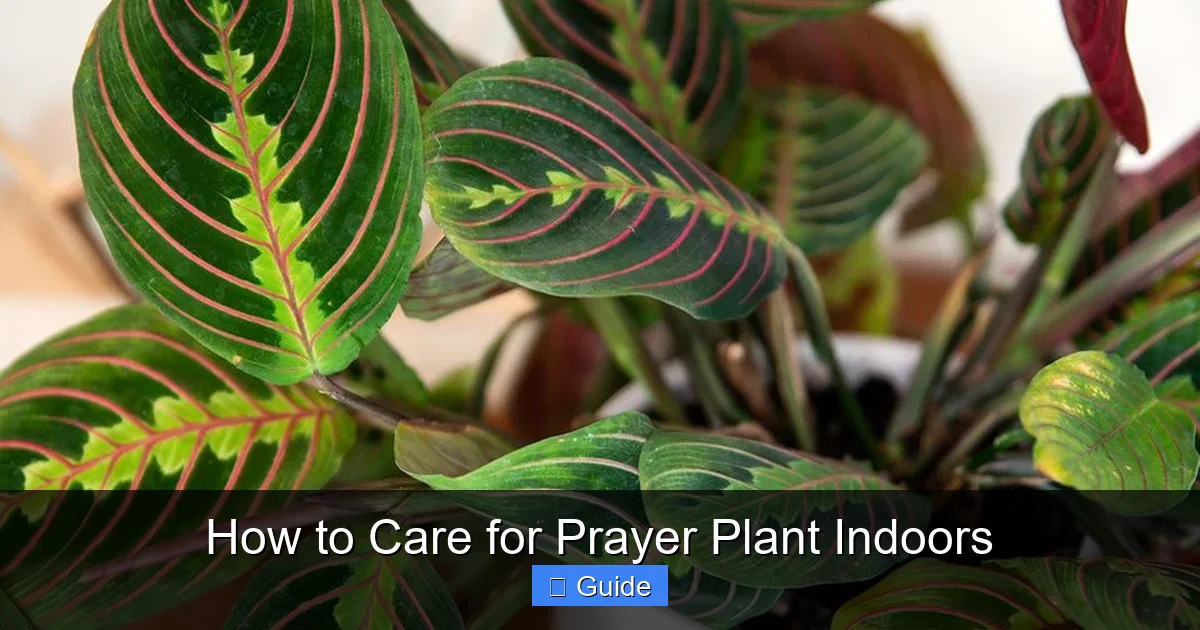
The term prayer plant usually refers to Maranta leuconeura. It belongs to the Marantaceae family, close relatives of calatheas. Both share the nyctinastic leaf movement that gives them their common name. There are several popular varieties. The red prayer plant has deep green leaves with vivid red veins. The lemon lime variety shows off bright green and yellow markings. The kim prayer plant features a striking herringbone pattern. All share the same basic care needs.
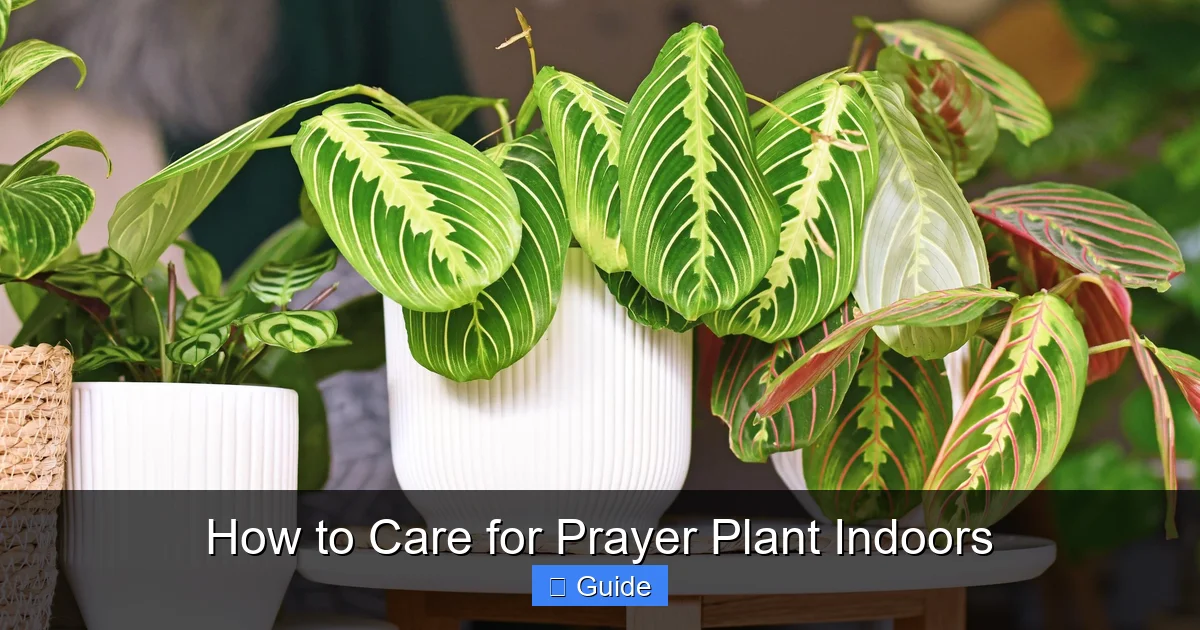
Visual guide about How to Care for Prayer Plant Indoors
Image source: cdn.mos.cms.futurecdn.net
Why They Move
That dramatic folding is not just for show. It is a survival mechanism. In their native habitat, folding leaves at night reduces water loss and protects the foliage from cool night air. During the day, open leaves maximize photosynthesis. The movement is driven by changes in water pressure at the base of each leaf stem called the pulvinus. If your plant stops moving, it is often a sign of stress. Too little light, too much water, or shock from repotting can all pause the dance.
Growth Habits and Size
Prayer plants are low, spreading growers. They rarely exceed twelve inches in height but can spread two feet wide over time. They grow from rhizomes just below the soil surface. New shoots emerge from these rhizomes, creating a full, bushy appearance. This growth habit makes them perfect for hanging baskets, shallow wide pots, or as understory plants in large mixed containers. They are not climbers and do not need support.
Light Requirements for Healthy Growth
Finding the Sweet Spot
Light is the single most important factor when learning how to care for prayer plant indoors. These plants evolved in deep shade. Direct sunlight scorches their delicate leaves within hours. You want bright, indirect light. Think of the light that filters through a sheer curtain on a north or east facing window. That is ideal. A few feet back from a south or west window works too. If you can read a book comfortably without turning on a lamp, the light is probably right.
Signs of Too Much Light
Bleached or faded leaf color is the first warning. The vibrant patterns wash out. Brown crispy patches appear on the upper surfaces. Leaves may curl inward to protect themselves. If you see these signs, move the plant immediately. Sheer curtains are an easy fix for harsh windows. You can also place the plant behind other taller plants that act as natural filters.
Signs of Too Little Light
Leggy growth with long spaces between leaves means the plant is stretching. New leaves come in smaller and less colorful. The plant may stop its nightly folding altogether. Growth slows dramatically. If your only option is a low light spot, supplement with a grow light. A simple LED full spectrum bulb on a timer for twelve hours a day works wonders. Keep it about twelve inches above the foliage.
Seasonal Light Adjustments
Winter sun is weaker and days are shorter. You may need to move your plant closer to the window during cold months. Just watch for cold drafts. In summer, the same spot that was perfect in January might become too intense. Rotate the pot a quarter turn each week. This ensures even growth and prevents the plant from leaning toward the light source.
Watering Your Prayer Plant Correctly
The Golden Rule: Even Moisture
Prayer plants hate extremes. Bone dry soil causes instant drama. Leaves curl, crisp, and drop. Soggy soil leads to root rot just as fast. The goal is consistently moist soil. Think of a wrung out sponge. Damp but not dripping. Check the soil every two to three days. Stick your finger in up to the first knuckle. If it feels dry at that depth, water. If it feels damp, wait another day.
Water Quality Matters
This is where many people go wrong. Prayer plants are sensitive to chemicals in tap water. Chlorine, fluoride, and dissolved salts build up in the soil and burn leaf tips. The result? Those frustrating brown edges that never seem to go away. Use filtered water, rainwater, or distilled water. If you must use tap water, let it sit out overnight to allow chlorine to dissipate. Better yet, run it through a simple carbon filter pitcher.
How to Water Properly
Water thoroughly until it runs out the drainage holes. This ensures the entire root ball gets moistened. Empty the saucer after ten minutes. Never let the pot sit in standing water. Bottom watering works well too. Place the pot in a basin of water for fifteen minutes. The soil wicks up moisture from below. This method reduces the risk of fungal issues on the leaves. Whichever method you choose, consistency is key.
Seasonal Watering Changes
Growth slows in winter. The plant uses less water. You will likely water half as often. But do not let the soil dry out completely. Heating systems dry the air, which pulls moisture from the soil faster. Check more frequently even if you water less. In spring and summer, active growth means more frequent watering. You might water every three to four days in peak heat. Always check the soil first. Never water on a rigid schedule.
Humidity: The Secret to Lush Foliage
Why Humidity Is Critical
Rainforest air holds sixty to eighty percent humidity. Most homes sit around thirty percent, especially in winter with heating on. Low humidity causes leaf edges to brown and crisp. New leaves may emerge deformed or stuck. The plant becomes a magnet for spider mites. High humidity keeps leaves supple, patterns vivid, and pests at bay. If you do one thing to improve your prayer plant care, make it humidity.
Effective Humidity Solutions
A humidifier is the gold standard. Place it near your plants and aim for fifty to sixty percent humidity. A hygrometer helps you monitor. Pebble trays are a classic low tech option. Fill a tray with pebbles, add water to just below the top of the stones, and set the pot on top. As water evaporates, it creates a humid microclimate. Grouping plants together works similarly. Each plant transpires, raising local humidity for its neighbors.
Misting: Helpful or Harmful
Misting feels satisfying but has limits. It raises humidity for only minutes. Wet leaves sitting in cool air invite fungal spots. If you mist, do it in the morning so leaves dry by night. Use a fine spray. Never mist so heavily that water pools in the leaf folds. Misting is a supplement, not a solution. Combine it with a humidifier or pebble tray for real results.
Bathroom and Kitchen Advantages
These rooms naturally run more humid. A prayer plant near a shower or sink often thrives with zero extra effort. Just ensure the light is adequate. A frosted bathroom window can provide perfect filtered light. If you have a bright bathroom, consider it prime real estate for your Maranta.
Soil and Potting Essentials
The Ideal Soil Mix
Prayer plants need soil that holds moisture but drains instantly. A standard peat based potting mix works as a base. Add perlite or pumice for drainage. Orchid bark adds structure and aeration. A good recipe: two parts peat moss or coco coir, one part perlite, one part orchid bark. This mimics the loose, rich forest floor they love. Avoid heavy garden soil or mixes with water retention crystals. They stay too wet.
Choosing the Right Pot
Shallow wide pots suit the spreading rhizome growth. Deep pots hold excess moisture at the bottom where roots cannot reach. Always choose a pot with drainage holes. Terra cotta wicks moisture and helps prevent overwatering. Plastic retains moisture longer, which can be helpful in very dry homes. Either works if you adjust your watering. The pot should be only one to two inches wider than the root ball. Too much soil stays soggy.
Repotting Timeline and Technique
Repot every two years in spring. Fresh soil replenishes nutrients and prevents salt buildup. Signs it is time: roots circling the bottom, water running straight through, or the plant pushing itself up out of the pot. Gently remove the plant. Loosen the root ball. Trim any mushy or dead roots. Place in fresh mix at the same depth. Water well. Hold off on fertilizer for four to six weeks to let roots settle.
Dealing with Root Bound Plants
Prayer plants tolerate being slightly root bound. But severely crowded plants decline. Growth slows. Leaves yellow. Water runs off the hard root mass. If roots fill the pot completely, it is time. You can also divide at this point. Gently pull apart the rhizomes. Each section with roots and leaves becomes a new plant. This is the easiest propagation method and rejuvenates the mother plant.
Fertilizing for Vibrant Growth
Less Is More
Prayer plants are light feeders. Too much fertilizer burns roots and causes brown leaf tips. Salt buildup from synthetic fertilizers damages the sensitive root system. Use a balanced liquid fertilizer diluted to half strength. A 10-10-10 or 20-20-20 formula works fine. Organic options like fish emulsion or seaweed extract are gentler and provide micronutrients. Apply monthly during active growth from March through September.
When to Skip Fertilizer
Stop fertilizing in fall and winter. The plant is resting. Fertilizing dormant plants forces weak growth and accumulates salts. Also skip fertilizer for the first month after repotting. Fresh potting mix contains enough nutrients. If you see white crust on the soil surface, that is salt buildup. Flush the soil by running water through for several minutes. Let it drain completely. Resume fertilizing at quarter strength after flushing.
Signs of Nutrient Deficiency
Pale new leaves with dark veins suggest iron deficiency. This often happens in alkaline soil or water. Use a chelated iron supplement. Yellowing older leaves can mean nitrogen shortage. But check watering and light first. Both cause similar symptoms. Slow growth with small leaves might indicate phosphorus need. A balanced fertilizer usually corrects all three. Observe before you treat.
Temperature and Air Flow
Ideal Temperature Range
Prayer plants want steady warmth. Sixty five to eighty degrees Fahrenheit is perfect. They tolerate brief dips to sixty but suffer below fifty five. Cold damage shows as dark, water soaked patches on leaves. Keep them away from drafty doors, single pane windows in winter, and air conditioning vents. Sudden temperature swings stress the plant more than steady cool conditions.
Air Circulation Benefits
Stagnant air encourages fungal diseases and pests. A gentle breeze strengthens stems and helps leaves dry after watering. A small fan on low, placed several feet away, works well. Do not point it directly at the plant. Good air flow also reduces the risk of powdery mildew, which can appear in high humidity with poor circulation. Space your plants so air moves between them.
Seasonal Transitions
Moving plants outdoors in summer can boost growth. But transition slowly. Start with full shade for a week. Then dappled morning light. Never full sun. Bring them in before night temperatures drop below sixty. Check thoroughly for hitchhiking pests before reintroducing to your indoor collection. Quarantine for two weeks if possible.
Common Problems and Solutions
Brown Leaf Tips and Edges
This is the number one complaint. Causes include low humidity, tap water chemicals, fertilizer burn, or inconsistent watering. Trim brown tips with clean scissors at an angle to mimic the natural leaf shape. Address the root cause. Switch to filtered water. Increase humidity. Flush soil if you have over fertilized. New growth will come in clean.
Yellowing Leaves
One or two yellow leaves at the base are normal aging. Widespread yellowing signals trouble. Overwatering is the most common cause. Check roots. Mushy brown roots mean rot. Repot in fresh soil, trimming damaged roots. Underwatering causes yellowing too, usually with crispy edges. Nutrient deficiency, cold damage, or spider mites can also yellow leaves. Diagnose by checking soil moisture first.
Curling Leaves
Leaves curl inward when the plant is thirsty. This is a defense mechanism to reduce surface area and water loss. Water thoroughly and they should unfurl within hours. Leaves that stay curled despite moist soil may have root damage. Check for root rot. Cold drafts also cause curling. Move the plant to a warmer spot.
Pest Management
Spider mites love prayer plants. Look for fine webbing on leaf undersides and tiny moving dots. Leaves develop a stippled, dusty appearance. Mealybugs hide in leaf axils and look like cotton tufts. Fungus gnats indicate overly wet soil. For spider mites and mealybugs, wipe leaves with a damp cloth. Spray with neem oil or insecticidal soap weekly for three weeks. For fungus gnats, let the top inch of soil dry between waterings. Use yellow sticky traps for adults.
Fungal Issues
Powdery mildew appears as white dust on leaves. Improve air circulation. Reduce overhead watering. Treat with a fungicide or homemade baking soda spray. Leaf spot diseases cause brown lesions with yellow halos. Remove affected leaves. Avoid wetting foliage. Ensure good drainage. Copper based fungicides help severe cases.
Propagating Prayer Plants
Division: The Easiest Method
Spring repotting is the perfect time to divide. Remove the plant from its pot. Gently shake off excess soil. You will see distinct clumps of stems emerging from rhizomes. Pull these apart with your hands. Each division needs roots and at least two to three leaves. Pot each in fresh mix. Water well. Keep humidity high for two weeks while new roots establish. A clear plastic bag over the pot creates a mini greenhouse.
Stem Cuttings in Water
Take a cutting just below a node. The node is the bump where leaves attach. Include two to three leaves. Remove the lowest leaf. Place in a jar of filtered water. Bright indirect light. Change water weekly. Roots appear in two to four weeks. Once roots are an inch long, pot in soil. Keep very moist for the first month. This method works but divisions are faster and more reliable.
Rhizome Cuttings
For advanced growers, rhizome sections can grow new plants. Cut a piece of rhizome with a growth bud. Lay horizontally on moist sphagnum moss. Cover lightly. High humidity and warmth. New shoots emerge in four to six weeks. This is how commercial growers produce large numbers. Home growers rarely need this method.
Aftercare for New Plants
New divisions and cuttings need extra attention. Bright indirect light. High humidity. Consistent moisture. No fertilizer for six weeks. Expect some transplant shock. A few leaves may yellow. This is normal. Resist the urge to overwater. Once you see new growth, you know roots have established. Treat as a mature plant.
Seasonal Care Calendar
Spring: Growth Season Begins
Resume fertilizing. Repot if needed. Divide overgrown plants. Increase watering frequency as days lengthen. Watch for pests emerging from winter dormancy. Clean leaves with a damp cloth to remove dust and allow maximum photosynthesis. This is the best time for any major changes.
Summer: Peak Growth
Water most frequently. Monitor for spider mites in hot dry weather. Provide shade if moved outdoors. Fertilize monthly. Mist in morning if humidity drops. Rotate weekly for even growth. Enjoy the most vigorous leaf movement and color.
Fall: Preparing for Rest
Reduce fertilizing by half in September. Stop by October. Gradually decrease watering as growth slows. Bring outdoor plants in before cool nights. Inspect thoroughly for pests. Clean windows to maximize winter light. Move plants closer to light sources if needed.
Winter: Maintenance Mode
Water half as often. Check soil before each watering. Run humidifier daily. Keep away from heat vents and cold drafts. No fertilizer. Expect slower growth. Some leaf loss is normal. Do not repot. Do not propagate. Just maintain. Spring will bring new energy.
Decorating with Prayer Plants
Display Ideas
Their low spreading habit makes prayer plants versatile. Hanging baskets show off the cascading foliage. Shallow ceramic bowls highlight the rhizome structure. Group with ferns, calatheas, and fittonias for a tropical vignette. Use as a living centerpiece on a dining table. Move to a sideboard at night to enjoy the folded leaves. Their movement adds life to any room.
Companion Plants
Choose neighbors with similar needs. Calatheas, marantas, stromanthes, and ctenanthes all share the prayer plant family and care requirements. Ferns love the same humidity. Peperomias tolerate similar light. Pothos and philodendrons work if you water a bit less. Avoid succulents and cacti. Their needs are opposite.
Pet Safety
Good news for pet owners. Prayer plants are non toxic to cats and dogs. The ASPCA lists Maranta species as safe. But eating large amounts may cause mild stomach upset. The real risk is to the plant. Cats love to bat at the moving leaves. Place out of reach if your pets are plant predators.
Advanced Tips for Enthusiasts
Leaf Cleaning for Maximum Photosynthesis
Dust blocks light. Wipe leaves monthly with a soft damp cloth. Support the leaf from underneath to avoid tearing. Use lukewarm water. A drop of neem oil in the water adds pest prevention. Clean leaves also help you spot problems early. Shiny leaves are healthy leaves.
Encouraging Bushier Growth
Pinch back leggy stems just above a node. This stimulates branching from the rhizome. Do this in spring. The plant will fill in from the base. You can also lay a long stem on the soil surface and pin it down. It will root at the nodes, creating a fuller plant. This is called layering.
Using Grow Lights Effectively
If natural light is limited, LED grow lights are a game changer. Choose full spectrum. Hang twelve to eighteen inches above the plant. Run twelve to fourteen hours daily. Use a timer. Watch for signs of too much light. Adjust height as needed. Grow lights let you grow prayer plants anywhere.
Hydroponic and Semi Hydro Options
Prayer plants adapt well to LECA (lightweight expanded clay aggregate) or passive hydroponics. The constant moisture suits them. Transition slowly. Move from soil to water to LECA over several weeks. Use hydroponic fertilizer at quarter strength. This method eliminates soil pests and makes watering foolproof. But it requires more equipment.
Conclusion
Learning how to care for prayer plant indoors is a journey of observation and adjustment. These plants communicate clearly. Crispy tips say humidity is low. Yellow leaves say check the roots. Stopped movement says something is wrong. When you respond to their signals, they reward you with some of the most beautiful foliage in the plant world. The daily dance of opening and closing leaves becomes a quiet joy, a reminder of nature’s rhythms inside your home.
Start with the basics. Right light. Consistent moisture. High humidity. Good drainage. Master those four pillars and you are ninety percent there. The rest is fine tuning. Do not be discouraged by a few brown tips. Every plant parent has them. Each challenge teaches you more about your specific plant in your specific environment. Before long, you will be the one sharing divisions with friends, spreading the prayer plant love. Your Maranta is waiting. Go give it a drink, check the humidity, and watch those leaves rise tonight.
Frequently Asked Questions
Why does my prayer plant stop moving at night?
Prayer plants stop their nyctinastic movement when stressed. Common causes include insufficient light, overwatering, underwatering, temperature shock, or recent repotting. Check care conditions and the movement usually resumes once the plant recovers.
Can I use tap water for my prayer plant?
Tap water often contains chlorine, fluoride, and minerals that burn leaf tips. Filtered, distilled, or rainwater is best. If you must use tap water, let it sit out 24 hours to dissipate chlorine, though this doesn’t remove fluoride or minerals.
How do I increase humidity for my prayer plant without a humidifier?
Use a pebble tray with water below the stone tops, group plants together to create a humidity microclimate, place in a naturally humid bathroom or kitchen, or mist in the morning so leaves dry by evening.
What causes yellow leaves on prayer plants?
Yellow leaves indicate overwatering (most common), underwatering, nutrient deficiency, cold damage, or pest infestation. Check soil moisture first – if soggy, reduce watering and check roots for rot. If bone dry, water thoroughly.
Can prayer plants grow outdoors?
Yes, in USDA zones 11-12 they grow outdoors year-round in shade. In cooler zones, they can summer outdoors in full shade once nights stay above 60°F. Transition gradually and bring in before temperatures drop.
How do I propagate a prayer plant in water?
Cut a stem below a node with 2-3 leaves. Remove the lowest leaf. Place in filtered water in bright indirect light. Change water weekly. Roots appear in 2-4 weeks. Pot in soil once roots reach 1 inch, keeping very moist initially.