Walkers Low Catmint Companion Plants
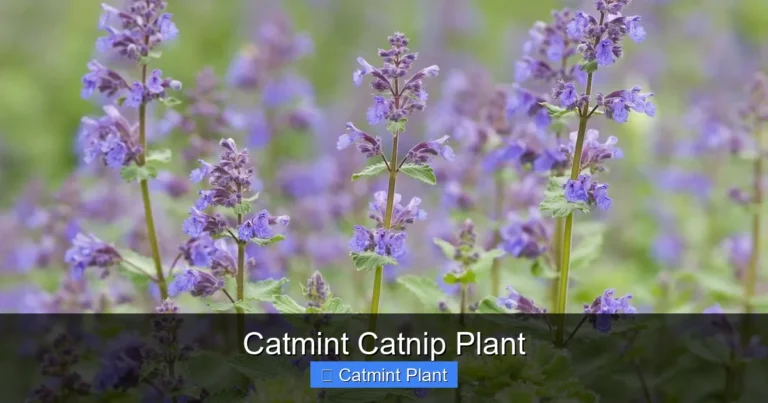
Walkers Low Catmint is a compact, fragrant perennial that pairs beautifully with drought‑tolerant herbs, ornamental grasses, and bright annuals. Choosing the right walkers low catmint companion plants boosts pollinator visits, reduces watering, and creates a layered look all season.
Walkers Low Catmint is a small perennial that brings big impact.
It forms a tidy mound of gray‑green leaves.
In summer it sends up spikes of soft lavender flowers.
Gardeners love its neat habit and sweet scent.
Choosing the right walkers low catmint companion plants can make your garden easier to care for.
Good partners share similar sun and water needs.
They also extend the bloom season and attract more wildlife.
Key Takeaways
- Compact size: Walkers Low Catmint stays under 18 inches, making it perfect for borders and containers.
- Long bloom time: Flowers appear from late spring to early fall, providing steady color.
- Drought tolerant: Once established, it needs little water, ideal for xeriscape designs.
- Pollinator magnet: Bees, butterflies, and hummingbirds love the lavender spikes.
- Deer resistant: The aromatic foliage deters browsing animals.
- Versatile companions: It works well with herbs, grasses, and low‑growing perennials.
Quick Answers to Common Questions
What are the best walkers low catmint companion plants for a sunny border?
Herbs like rosemary and thyme, grasses such as blue fescue, and perennials like salvia work well in full sun.
How often should I water walkers low catmint companion plants once established?
Water deeply once a week during dry spells; most companions are drought tolerant.
Can walkers low catmint companion plants grow in containers?
Yes, choose compact herbs and dwarf grasses; ensure good drainage and a sunny spot.
Do walkers low catmint companion plants attract pollinators?
Absolutely, the lavender spikes draw bees, butterflies, and hummingbirds all season.
What soil type suits walkers low catmint companion plants best?
Well‑drained, lean soil with sand or grit is ideal; avoid heavy clay.
📑 Table of Contents
- Why Walkers Low Catmint Works Well With Other Plants
- Top Herb Companions For Walkers Low Catmint
- Ornamental Grasses That Pair With Walkers Low Catmint
- Flowering Perennials For Extended Color
- Low‑Growing Groundcovers To Fill Gaps
- Design Tips For Planting Walkers Low Catmint Companion Plants
- Final Thoughts On Walkers Low Catmint Companion Plants
Why Walkers Low Catmint Works Well With Other Plants
Walkers Low Catmint thrives in full sun.
It prefers well‑drained soil.
Many herbs and grasses like the same conditions.
This makes pairing simple.
Shared Sun And Soil Preferences
Most walkers low catmint companion plants enjoy at least six hours of direct light.
They also tolerate lean soil.
You do not need rich compost.
These plants thrive in sandy or rocky ground.
They rarely need fertilizer.
Full sun encourages the strongest fragrance.
Well‑drained soil prevents root rot.
Amending with grit improves drainage.
Complementary Bloom Times
Catmint blooms early summer.
Some companions bloom later.
This creates a continuous show of color.
You can enjoy flowers from spring to frost.
Plan for overlapping bloom periods.
Early bloomers set the stage for midsummer stars.
Late bloomers extend the display into autumn.
Similar Water Needs
All these plants are drought tolerant once established.
You water less often.
This saves time and resources.
Deep watering once a week is enough.
Mulch helps retain moisture.
Grouping by water need simplifies irrigation.
Rain sensors can further reduce waste.
Top Herb Companions For Walkers Low Catmint
Herbs are classic walkers low catmint companion plants.
They share the same Mediterranean heritage.
They also add fragrance and culinary value.
Rosemary
Rosemary loves sun and dry soil.
Its upright form contrasts with the low mound of catmint.
Both attract bees.
Plant rosemary behind catmint for height.
Harvest rosemary leaves for cooking.
Rosemary also repels some pests.
Prune after flowering to keep shape.
Thyme
Creeping thyme forms a fragrant carpet.
It fills gaps between catmint clumps.
The tiny pink flowers appear in early summer.
Thyme tolerates foot traffic.
Use thyme in kitchen dishes.
Thyme also attracts beneficial insects.
Divide clumps every few years.
Lavender
Lavender shares the same silvery foliage.
Its purple spikes rise above catmint.
Together they create a classic Mediterranean look.
Lavender attracts butterflies.
Dry lavender buds for sachets.
Lavender prefers alkaline soil.
Space plants for good air flow.
Sage
Common sage offers soft gray leaves.
Its blue‑purple flowers bloom in late spring.
It pairs well with catmint’s lavender spikes.
Sage leaves are great in stuffing.
Plant sage near the front for easy harvest.
Sage also deters cabbage moths.
Cut back after flowering for fresh growth.
Ornamental Grasses That Pair With Walkers Low Catmint
Grasses add movement and texture.
They also tolerate the same dry conditions.
They make excellent walkers low catmint companion plants.
Blue Fescue
Blue fescue forms a compact blue‑green tuft.
Its fine blades contrast with catmint’s broader leaves.
It stays low and tidy.
Blue fescue works well in rock gardens.
It needs little maintenance.
Blue fescue stays evergreen in mild winters.
Divide every three years to refresh.
Mexican Feather Grass
This grass produces airy plumes that sway in the breeze.
It adds a soft backdrop to the catmint mound.
Feather grass self‑seeds gently.
It thrives in hot, dry spots.
Cut back in late winter.
Feather grass provides winter interest.
Seed heads catch frost beautifully.
Little Bluestem
Little bluestem turns copper in fall.
Its upright habit provides vertical interest.
It thrives in the same lean soil.
Bluestem supports native pollinators.
Leave seed heads for winter birds.
Little bluestem is deer resistant.
It tolerates a wide pH range.
Flowering Perennials For Extended Color
Adding perennials with different bloom times extends the garden show.
These walkers low catmint companion plants keep color going into fall.
Salvia Nemorosa
Salvia nemorosa spikes appear in early summer.
Its deep blue flowers complement catmint’s lavender.
Both attract hummingbirds.
Deadhead to encourage rebloom.
Salvia tolerates heat well.
Salvia also resists deer browsing.
Plant in groups for bold impact.
Echinacea Purpurea
Coneflower blooms mid‑summer to fall.
Its large daisy‑like heads add bold color.
It tolerates the same dry soil.
Echinacea supports bees and butterflies.
Leave seed heads for winter interest.
Echinacea roots are used in herbal teas.
Divide clumps every four years.
Coreopsis Verticillata
Threadleaf coreopsis offers bright yellow flowers.
It blooms from early summer to frost.
Its fine foliage contrasts nicely.
Coreopsis is deer resistant.
Shear back after first flush.
Coreopsis thrives in poor soil.
It self‑seeds modestly.
Low‑Growing Groundcovers To Fill Gaps
Groundcovers suppress weeds and keep soil cool.
They are perfect walkers low catmint companion plants for the front of borders.
Creeping Phlox
Creeping phlox forms a carpet of pink or white flowers in spring.
It fades before catmint peaks.
Phlox spreads slowly.
It prefers well‑drained soil.
Divide every few years.
Phlox attracts early pollinators.
It tolerates light shade.
Sedum Album
White stonecrop spreads slowly.
Its succulent leaves store water.
It thrives in the same dry spots.
Sedum adds texture in winter.
It needs almost no care.
Sedum flowers attract late bees.
It works well in containers.
Ajuga Reptans
Bugleweed offers glossy leaves and blue spikes.
It tolerates partial shade but does well in sun too.
Ajuga spreads quickly.
It can be used as a living mulch.
Trim back after flowering.
Ajuga suppresses weed seedlings.
It tolerates foot traffic.
Design Tips For Planting Walkers Low Catmint Companion Plants
Plan your layout before you dig.
Good design makes maintenance easy and looks professional.
Group By Height
Place taller grasses and salvias behind catmint.
Keep low groundcovers in front.
This creates a layered effect.
Repeat the pattern along the border.
Use a garden sketch to visualize.
Height grouping simplifies pruning.
It also improves light penetration.
Repeat Colors
Repeat lavender, blue, and purple tones throughout the bed.
Repetition ties the planting together.
Add a splash of yellow for contrast.
Use foliage color as well as flowers.
Keep the palette simple.
Color echoes guide the eye.
Limit to three main hues.
Space For Airflow
Leave 12 to 18 inches between plants.
Good airflow reduces fungal problems.
Space also lets each plant show its form.
Measure with a tape before planting.
Adjust spacing as plants mature.
Proper spacing eases weeding.
It also improves water penetration.
Mulch Lightly
Use a thin layer of gravel or shredded bark.
Mulch conserves moisture without smothering crowns.
Avoid piling mulch against stems.
Refresh mulch each spring.
Gravel works well in xeric gardens.
Mulch also reduces soil temperature swings.
Organic mulch adds nutrients slowly.
Final Thoughts On Walkers Low Catmint Companion Plants
Walkers Low Catmint is a versatile, low‑maintenance star.
Pair it with herbs, grasses, perennials, and groundcovers that share its love of sun and dry soil.
The right walkers low catmint companion plants give you a longer bloom season, more pollinators, and a garden that looks great with less work.
Experiment with a few of the combos above and watch your border come alive.
Enjoy the fragrance, the color, and the wildlife.
Frequently Asked Questions
What is Walkers Low Catmint?
Walkers Low Catmint is a compact perennial with gray‑green foliage and lavender flower spikes that bloom from late spring to early fall.
Why choose companion plants for Walkers Low Catmint?
Companion plants share similar sun, soil, and water needs, creating a cohesive, low‑maintenance garden that supports pollinators.
Which herbs pair best with Walkers Low Catmint?
Rosemary, thyme, lavender, and sage are top herb companions because they thrive in the same dry, sunny conditions.
Can ornamental grasses be used with Walkers Low Catmint?
Yes, grasses like blue fescue, Mexican feather grass, and little bluestem add texture and movement while matching water needs.
How do I maintain a border with Walkers Low Catmint and its companions?
Water deeply but infrequently, mulch lightly, deadhead spent blooms, and divide clumps every few years to keep plants vigorous.
Are Walkers Low Catmint companion plants deer resistant?
Many companions such as lavender, sage, and coreopsis are deer resistant, helping protect the whole planting.