Troubleshooting Rustic for Areca Palm
Troubleshooting rustic for areca palm involves identifying rust-colored spots, fungal infections, or nutrient deficiencies that cause discoloration. This guide covers diagnosis, treatment options, and prevention strategies to restore your palm’s health and vibrant green foliage.
If you’ve noticed strange orange-brown powdery spots on your areca palm fronds, you’re not alone. Many plant parents panic when they see these rustic-looking markings, thinking their beloved palm is dying. The good news? This is usually a treatable fungal issue called rust disease, not a death sentence. Understanding what causes these spots and how to fix them will save your plant and your peace of mind.
Areca palms (Dypsis lutescens) are popular for their feathery, arching fronds and air-purifying qualities. But like all tropical plants, they have specific needs. When those needs aren’t met, problems arise. Rustic discoloration is one of the most common issues, yet it’s often misdiagnosed. Let’s walk through everything you need to know about identifying, treating, and preventing this frustrating problem.
Key Takeaways
- Rustic symptoms appear as orange-brown spots: These powdery pustules on fronds indicate fungal rust disease, not a cultivar trait.
- High humidity and poor airflow trigger outbreaks: Overcrowded plants and wet foliage create ideal conditions for rust fungi to spread.
- Early removal of infected fronds stops progression: Prune affected leaves at the base and dispose of them away from other plants.
- Fungicides work best as preventive or early treatment: Copper-based or sulfur sprays applied every 7-14 days control active infections.
- Balanced nutrition strengthens natural resistance: Adequate potassium and magnesium reduce susceptibility to fungal attacks.
- Water at soil level to keep fronds dry: Drip irrigation or careful watering prevents spores from splashing and germinating.
- Quarantine new plants for two weeks: Inspect imports for rust signs before introducing them to your collection.
Quick Answers to Common Questions
What causes rustic spots on areca palm leaves?
Rustic spots are usually caused by rust fungus (Puccinia species), but can also result from potassium deficiency, sunburn, edema, or spider mite damage. The powdery orange spores confirm fungal rust.
How do I treat rust fungus on my areca palm?
Remove infected fronds, improve airflow, stop overhead watering, and apply copper-based or sulfur fungicide every 7-14 days. Correct any nutrient deficiencies with palm-specific fertilizer.
Can I save an areca palm with severe rust infection?
Yes, if the crown and roots are healthy. Remove severely damaged fronds, treat with systemic fungicide, optimize care conditions, and wait for new clean growth. Recovery takes several months.
Is rustic discoloration contagious to other plants?
Rust fungus spreads via airborne spores to other palms and some ornamentals. Isolate infected plants, sterilize tools, and treat nearby susceptible plants preventively.
How often should I inspect my areca palm for rust problems?
Check weekly during humid seasons, monthly otherwise. Examine both sides of fronds, especially lower older leaves. Early detection makes treatment much easier and more effective.
📑 Table of Contents
Understanding What “Rustic” Means on Areca Palms
First, let’s clear up terminology. When growers talk about “rustic” appearance on areca palms, they’re describing a symptom, not a variety. There is no “Rustic” cultivar of areca palm. The term refers to rust-colored spots, patches, or powdery residue that make fronds look weathered or corroded. This appearance signals an underlying issue that needs attention.
Rust Disease vs. Other Causes
True rust disease is caused by fungal pathogens, primarily Puccinia and Uromyces species. These fungi produce characteristic pustules that release orange-brown spores. However, several other problems create similar rustic discoloration:
- Nutrient deficiencies: Potassium deficiency causes orange-brown necrotic spots on older fronds. Magnesium deficiency creates yellow-orange bands along leaf margins.
- Sunburn: Sudden exposure to intense direct light creates bleached then brown patches that look rustic.
- Chemical damage: Fertilizer burn or pesticide phytotoxicity causes brown spotting.
- Edema: Overwatering in cool conditions causes corky, rust-colored bumps on leaf undersides.
- Pest damage: Spider mite feeding creates stippling that turns bronze-rusty.
How to Distinguish True Rust Fungus
True rust fungus has telltale signs. Look for small, raised pustules on leaf undersides that rupture to release powdery orange-brown spores. Rub a spot gently with a white tissue – if orange powder transfers, it’s rust fungus. The spots often appear in rows or clusters along veins. Infected fronds may yellow prematurely and drop.
Nutrient spots lack the powdery spores and raised texture. Sunburn patches are larger, irregular, and appear on the top side of fronds facing the light. Edema bumps are corky and don’t rub off. Spider mite damage shows fine webbing and tiny moving dots under magnification.
Why Areca Palms Develop Rustic Problems
Understanding causes helps you fix the root issue, not just symptoms. Areca palms evolved in humid, well-ventilated tropical forests. Our homes and gardens often create conditions that favor fungal growth.
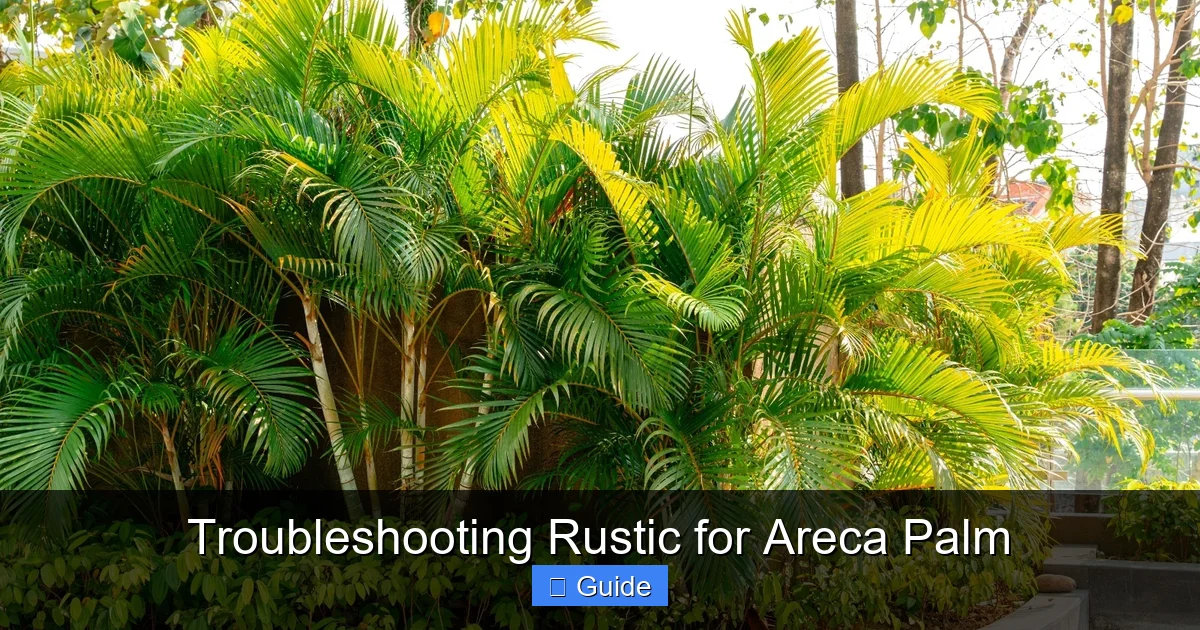
Visual guide about Troubleshooting Rustic for Areca Palm
Image source: epicgardening.com
Environmental Triggers
High humidity above 80% combined with poor air circulation is the perfect storm for rust fungi. Spores need moisture to germinate and penetrate leaf tissue. When fronds stay wet for extended periods – from overhead watering, misting, or condensation – infection risk skyrockets.
Temperature matters too. Most rust fungi thrive between 65-85°F (18-29°C). Cool nights with warm days create dew formation, providing the moisture spores need. Greenhouses, sunrooms, and clustered indoor plants often create these microclimates.
Cultural Practices That Invite Trouble
Overhead watering is the number one mistake. Wet foliage = fungal playground. Water at soil level using a narrow-spout can or drip system. Misting fronds, while well-intentioned for humidity, keeps leaves wet too long. Use a pebble tray or humidifier instead.
Overcrowding plants reduces airflow. Areca palms need space – at least 3 feet between specimens. Dense foliage traps moisture. Prune selectively to open the canopy. Remove dead fronds promptly; they harbor spores.
Contaminated tools spread rust between plants. Always sterilize pruners with 70% alcohol or 10% bleach solution between cuts and between plants. This simple step prevents many outbreaks.
Plant Stress Factors
Stressed plants resist infection poorly. Common stressors include:
- Inconsistent watering (wet-dry cycles)
- Poor drainage leading to root rot
- Nutrient imbalances, especially low potassium
- Temperature extremes or drafts
- Low light reducing photosynthetic capacity
- Root-bound conditions in containers
A healthy, vigorously growing areca palm can often fight off minor rust exposure. But a stressed plant succumbs quickly. Address underlying care issues alongside fungal treatment.
Step-by-Step Diagnosis Process
Before treating, confirm the problem. Misdiagnosis wastes time and money, and wrong treatments can harm your palm.
Visual Inspection Checklist
Examine your palm systematically in good light. Use a magnifying glass for detail.
- Check both sides of fronds, especially older, lower leaves
- Look for raised pustules vs. flat spots
- Note color: orange, brown, yellow, black?
- Check for powdery residue when touched
- Observe pattern: random, along veins, on margins?
- Assess overall plant: vigor, new growth, root health
- Inspect nearby plants for similar symptoms
The Tissue Test
Perform the simple tissue test mentioned earlier. Gently rub a suspicious spot with a white tissue or cotton swab. Orange-brown powder confirms rust fungus. No powder suggests nutrient, environmental, or pest issues. This takes 10 seconds and saves hours of wrong treatment.
When to Seek Expert Help
Consult a plant pathologist or extension service if:
- Multiple plants show different symptoms
- Treatment shows no improvement after 3 weeks
- You suspect a new or unusual pathogen
- Valuable specimen plants are affected
- You need lab confirmation for records
Many university extensions offer free or low-cost plant diagnostics. Photos often suffice for initial assessment.
Effective Treatment Strategies
Treating rustic problems on areca palms requires a multi-pronged approach. Fungicides alone won’t work if cultural conditions remain favorable for fungi.
Immediate Cultural Corrections
Start these today, before any chemical treatment:
- Stop overhead watering immediately. Water at soil level only.
- Increase air circulation. Space plants, add a fan on low setting.
- Remove severely infected fronds. Cut at base with sterilized tools. Bag and trash – don’t compost.
- Reduce humidity around foliage. Stop misting. Ensure good drainage.
- Isolate the plant if possible to prevent spread.
These steps alone often halt mild infections. The fungus can’t spread without moisture on leaves.
Fungicide Options for Rust Control
Choose products labeled for ornamental palms and rust diseases. Always follow label rates and safety precautions.
Copper-Based Fungicides
Copper octanoate (copper soap) or copper hydroxide are effective preventives and early treatments. They create a protective barrier on leaf surfaces. Apply every 7-14 days during active growth. Copper can accumulate in soil, so don’t overuse. Rotate with other modes of action.
Sulfur Products
Wettable sulfur or sulfur dust works well for rust. It’s organic-approved and low toxicity. Apply when temperatures are below 85°F to avoid phytotoxicity. Don’t use within 2 weeks of oil sprays. Sulfur vaporizes slightly, reaching undersides.
Neem Oil
Neem oil has mild antifungal properties plus insecticidal action. It’s best as a preventive or for very light infections. Apply weekly, covering all surfaces thoroughly. It also deters spider mites that cause similar spotting.
Systemic Fungicides
For severe infections, systemic options like myclobutanil or propiconazole move within the plant. These are stronger tools – use judiciously. Rotate chemical classes (FRAC codes) to prevent resistance. Follow all re-entry and harvest intervals.
Application Best Practices
Spray early morning or late evening to avoid leaf burn. Cover both sides of fronds thoroughly – rust pustules are mostly on undersides. Use a spreader-sticker for better coverage on waxy palm leaves. Treat all nearby susceptible plants preventively.
Repeat applications per label, usually 7-14 days. Continue 2 weeks after symptoms disappear. Mark calendar to stay consistent. Inconsistent treatment breeds resistant fungi.
Addressing Nutrient Deficiencies
If diagnosis reveals potassium or magnesium deficiency, correct nutrition alongside fungal treatment. Use a palm-specific fertilizer with controlled-release potassium (sulfate of potash) and magnesium. Apply per label – more isn’t better. Foliar sprays of potassium nitrate or magnesium sulfate provide faster correction but don’t replace soil fertilization.
Soil test if possible. Many “rustic” problems in landscape palms are actually potassium deficiency, not fungus. The symptoms look remarkably similar.
Prevention: The Long-Term Solution
Preventing rustic issues is far easier than treating them. Build these habits into your care routine.
Water Management Mastery
Water deeply but infrequently. Let top 2 inches of soil dry between waterings. Use pots with drainage holes. Empty saucers promptly. For landscape palms, install drip irrigation. Never wet fronds intentionally. Morning watering allows any splash to dry quickly.
Airflow Optimization
Space plants for mature size, not current size. Prune surrounding vegetation. Use oscillating fans indoors on low for several hours daily. In greenhouses, install horizontal airflow fans. Good air movement dries leaf surfaces and disrupts spore dispersal.
Sanitation Protocols
Remove fallen fronds and debris weekly. They harbor overwintering spores. Sterilize tools between every plant. Wash hands after handling infected material. Quarantine new plants 14 days. Inspect thoroughly before introduction.
Nutrition for Resistance
Feed areca palms 3-4 times yearly with palm fertilizer (8-2-12 + 4Mg analysis ideal). Ensure adequate potassium – it strengthens cell walls against fungal penetration. Magnesium maintains chlorophyll for vigorous growth. Avoid high nitrogen that creates soft, susceptible tissue.
Environmental Monitoring
Use a hygrometer to track humidity. Target 50-70% for areca palms. Above 80% requires active dehumidification or increased airflow. Monitor temperatures. Avoid cold drafts on warm leaves causing condensation. A simple min/max thermometer helps.
Special Situations and Troubleshooting
Some scenarios need tailored approaches.
Indoor Areca Palms
Indoors, low light and dry air stress palms, while poor airflow encourages fungus. Place near bright, indirect light. Use pebble trays for humidity without wet leaves. Run a fan daily. Wipe fronds monthly with damp cloth to remove dust and spores. Rotate plant for even growth.
Greenhouse and Sunroom Collections
High-density growing demands strict sanitation. Install automated vents and fans. Water at bench level with drip tubes. Scout weekly with magnifying glass. Remove infected plants immediately to isolation area. Preventive copper sprays monthly during humid seasons.
Landscape Palms in Humid Climates
In Florida, Gulf Coast, Hawaii, rust is endemic. Choose resistant species where possible. Plant in full sun with good airflow. Avoid low spots where air stagnates. Mulch to reduce splash dispersal. Preventive fungicide program spring through fall. Regular potassium fertilization.
Recovery and Rehabilitation
After treatment, patience is key. Areca palms grow slowly. New, clean fronds emerge from the crown. Don’t remove partially damaged fronds until fully brown – they still photosynthesize. Fertilize lightly to support new growth. Monitor for recurrence. Full recovery takes 6-12 months.
Common Mistakes to Avoid
Learning from others’ errors saves your palm.
Overwatering “To Help It Recover”
Stressed plants need less water, not more. Soggy soil kills roots, reducing water uptake, causing more stress. Check soil moisture before watering. Stick finger 2 inches deep – if moist, wait.
Removing All Spotted Fronds at Once
Defoliating all=”true”>Palms need green tissue for photosynthesis. Removing more than 1/3 of fronds shocks the plant. Remove only fully dead or severely infected (>50% coverage) fronds. Leave partially spotted ones until replacement fronds emerge.
Using Dish Soap or Home Remedies
Dish soap burns palm fronds. Baking soda sprays raise leaf pH temporarily but don’t cure rust. Hydrogen peroxide damages tissue. Stick to labeled fungicides or proven cultural controls. Your palm isn’t a science experiment.
Ignoring Root Health
Focus on leaves but forget roots. Root rot from overwatering mimics nutrient deficiency and increases fungal susceptibility. Check roots annually. Healthy roots are firm, white/cream. Brown, mushy roots need repotting and watering correction.
Expecting Overnight Results
Fungicides stop new infections but don’t erase existing spots. Spots remain until frond dies. New growth shows treatment success. Give it 4-6 weeks. Consistency beats intensity.
Conclusion
Troubleshooting rustic for areca palm issues boils down to accurate diagnosis, prompt cultural correction, targeted treatment, and consistent prevention. Those orange-brown spots look alarming, but they’re a signal, not a verdict. Your palm is telling you something about its environment.
Start with the basics: water at soil level, improve airflow, remove infected material, and feed properly. Most mild cases resolve with just these steps. For persistent infections, appropriate fungicides applied correctly and consistently will break the cycle. Remember that prevention is a daily practice, not a one-time fix.
Your areca palm wants to thrive. Given the right conditions – bright indirect light, consistent moisture, good airflow, proper nutrition – it will reward you with lush, green, rust-free fronds for years. Pay attention, respond thoughtfully, and enjoy the journey of growing these elegant tropical beauties.
Frequently Asked Questions
What is the difference between rust fungus and potassium deficiency on areca palms?
Rust fungus produces raised, powdery orange pustules that rub off on tissue. Potassium deficiency causes flat, necrotic orange-brown spots without powder, typically on oldest fronds first. A tissue test distinguishes them instantly.
Can I use neem oil to treat rust on areca palms?
Neem oil works as a mild preventive and for very light infections, but isn’t strong enough for established rust. It’s best used weekly as part of an integrated approach with cultural corrections and stronger fungicides if needed.
Should I cut off all brown-spotted fronds at once?
No. Removing more than one-third of fronds shocks the palm. Only remove fronds that are completely brown or more than 50% infected. Leave partially spotted fronds until new growth replaces them.
Why does my indoor areca palm keep getting rust even after treatment?
Recurring rust indicates persistent favorable conditions: poor airflow, overhead watering, high humidity on leaves, or contaminated tools. Fix the environment – add a fan, water at soil level, sterilize tools – or the fungus will return.
Are there rust-resistant areca palm varieties?
There are no named rust-resistant cultivars of Dypsis lutescens. However, healthy, well-grown plants resist infection better. Some related Dypsis species show less susceptibility, but they’re rarely available commercially.
Can rust fungus kill my areca palm?
Rust rarely kills directly, but severe defoliation weakens the palm, making it vulnerable to root rot, pests, and cold damage. Combined with other stresses, it can lead to decline. Prompt treatment prevents this cascade.