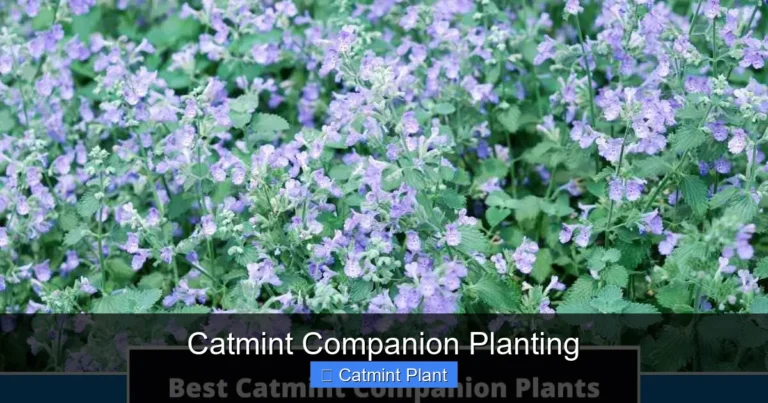
How to Plant Dwarf Catmint
Dwarf catmint is a low-maintenance perennial that brings beautiful lavender-blue blooms and aromatic foliage to any garden. This guide covers everything from site selection and soil preparation to planting steps and ongoing care for healthy, flourishing plants.
If you want a plant that looks great, smells amazing, and practically takes care of itself, dwarf catmint should be at the top of your list. This compact perennial delivers months of soft lavender-blue flowers atop mounds of fragrant gray-green foliage. Bees and butterflies love it. Deer and rabbits ignore it. And once it settles in, it asks for very little in return.
I first discovered dwarf catmint when I needed something tough for a hot, dry slope in my front yard. Regular perennials fried there. But this little powerhouse not only survived, it thrived. Since then, I have planted it along pathways, in rock gardens, and spilling over the edges of raised beds. Every time, it performs beautifully. Whether you are a seasoned gardener or just starting out, learning how to plant dwarf catmint the right way sets you up for years of easy color.
Key Takeaways
- Choose full sun: Dwarf catmint thrives with at least six hours of direct sunlight daily for the best blooms.
- Well-draining soil is essential: Prevent root rot by planting in loose, sandy, or gritty soil that drains quickly.
- Space plants properly: Allow 12 to 18 inches between each plant for good air circulation and growth.
- Plant in spring or fall: Cool temperatures help roots establish before summer heat or winter cold arrives.
- Water deeply but infrequently: Once established, dwarf catmint is drought-tolerant and prefers dry conditions.
- Shear after first bloom: Cut back by one-third to encourage a second flush of flowers in late summer.
- Divide every few years: Keep plants vigorous by dividing clumps every three to four years in early spring.
Quick Answers to Common Questions
When is the best time to plant dwarf catmint?
Spring after the last frost or fall six weeks before the first hard frost are ideal. Both give roots time to establish before extreme temperatures.
How much sun does dwarf catmint need?
Dwarf catmint needs full sun, at least six hours of direct sunlight daily. More sun produces more flowers and stronger growth.
How often should I water newly planted dwarf catmint?
Water deeply every two to three days for the first two weeks, then gradually reduce frequency. Once established, it is drought-tolerant and rarely needs supplemental water.
Should I fertilize dwarf catmint?
No, dwarf catmint prefers lean soil. Fertilizer causes floppy growth. A light compost application in spring is sufficient for established plants.
How do I keep dwarf catmint blooming all summer?
Shear the plant back by one-third after the first flush fades. Water well. It will rebloom in two to three weeks. The Chelsea Chop in late spring also promotes bushier growth and more flowers.
📑 Table of Contents
Choosing the Right Spot for Your Dwarf Catmint
Sunlight Requirements
Dwarf catmint loves the sun. Full sun means at least six hours of direct light each day. Eight hours is even better. In hot southern climates, a touch of afternoon shade can help prevent stress, but generally, more sun equals more flowers. If you plant in too much shade, the stems get leggy and floppy. The bloom count drops. The foliage loses its tight, tidy shape. So pick the sunniest spot you have.
Soil Drainage Matters Most
This is the number one rule: the soil must drain well. Dwarf catmint hates wet feet. Heavy clay that holds water after rain will rot the roots. Sandy soil, gravelly soil, or loam amended with grit works perfectly. If your garden soil is dense, do not worry. You can fix it. We will cover soil prep in the next section. Just know that drainage is non-negotiable.
Space to Spread
Most dwarf catmint varieties grow 12 to 18 inches tall and wide. Some stay even smaller, around 10 inches. Check your plant tag. Space them accordingly. Crowding leads to poor air flow. Poor air flow invites fungal issues like powdery mildew. Give each plant room to breathe. If you are planting a row along a path, stagger them slightly for a fuller look.
Companion Planting Ideas
Dwarf catmint plays well with others. Its soft blue flowers and silvery leaves look stunning next to roses. It hides the bare knees of rose bushes beautifully. Pair it with salvia, coneflower, or black-eyed Susan for a pollinator party. Plant it near lavender or Russian sage for a Mediterranean vibe. It also works great as a border edging or spilling over a stone wall.
Preparing the Soil for Dwarf Catmint
Test Your Soil First
Before you dig, know what you are working with. A simple soil test tells you the pH and nutrient levels. Dwarf catmint prefers slightly alkaline to neutral soil, around 6.5 to 7.5 pH. It does not need rich soil. In fact, overly fertile soil makes weak, floppy growth. Lean soil produces stronger stems and more essential oils in the leaves.
Improving Heavy Clay
If you have clay, you must amend it. Dig out the planting area to about 12 inches deep. Mix in coarse sand, fine gravel, or perlite. Add compost too, but go easy. A 50-50 mix of native soil and amendment works well. The goal is a gritty texture that crumbles in your hand. Water should disappear into the hole quickly, not sit on top.
Raised Beds and Containers
Raised beds are ideal for dwarf catmint. You control the soil mix completely. Use a blend of topsoil, coarse sand, and compost. Containers work too. Choose a pot at least 12 inches wide with drainage holes. Use a cactus or succulent potting mix, or make your own with equal parts potting soil, perlite, and coarse sand. Elevate pots on feet so water drains freely.
No Fertilizer Needed at Planting
Skip the fertilizer when you plant. Dwarf catmint does not need it. Too much nitrogen causes soft growth that flops and attracts aphids. If your soil is extremely poor, a light handful of bone meal in the planting hole is fine. But honestly, it usually is not necessary. Let the plant focus on roots first.
When to Plant Dwarf Catmint
Spring Planting Advantages
Spring is the classic planting time. The soil is warming up. Rain is usually reliable. The plant has a full growing season to establish roots before winter. Aim to plant after your last frost date. In most zones, that is April or May. Nurseries have the best selection in spring. You will find healthy, fresh stock ready to go.
Fall Planting Benefits
Fall is actually my favorite time to plant dwarf catmint. The air is cool but the soil is still warm. Roots grow vigorously without the stress of summer heat. Plant at least six weeks before your first hard frost. This gives roots time to anchor. Mulch well after planting for winter protection. Come spring, your plants take off immediately.
Avoid Summer Planting
Planting in the heat of summer is risky. The small root ball dries out fast. Transplant shock is common. If you must plant in summer, do it on a cloudy day. Water deeply before and after. Provide temporary shade with a shade cloth or an upside-down nursery pot for a week. Monitor moisture daily. It can work, but spring or fall is much easier.
Buying Healthy Plants
Whether spring or fall, choose plants wisely. Look for compact growth with multiple stems emerging from the crown. Avoid plants with yellowing lower leaves or roots circling the pot bottom. Gently slip the plant out of the pot. Roots should be white or light tan, firm, and smell fresh. Pass on any with dark, mushy roots or a sour smell.
Step-by-Step Planting Guide
Gather Your Tools
You do not need much. A trowel or small shovel. A garden fork for loosening soil. A watering can or hose with a gentle nozzle. Gloves. Maybe a kneeling pad. That is it. No fancy gadgets required.
Dig the Hole
Dig a hole twice as wide as the root ball and just as deep. The wider hole gives roots loose soil to expand into. The depth is critical. You want the crown, where stems meet roots, to sit level with the surrounding soil. Not buried. Not exposed. Use your trowel handle across the hole to check level.
Loosen the Roots
Gently remove the plant from its pot. If roots are tightly circling, tease them apart with your fingers. Make a few vertical cuts with a knife if they are really bound. This sounds harsh, but it encourages roots to grow outward into the new soil instead of continuing to circle.
Position and Backfill
Set the plant in the hole. Check the crown level again. Rotate the plant so its best side faces the viewing angle. Backfill with your amended soil. Firm it gently with your hands as you go. Do not stomp with your foot. That compacts the soil too much. Leave a slight basin around the plant to hold water.
Water Thoroughly
Water slowly and deeply right after planting. This settles the soil around roots and eliminates air pockets. If the soil settles and exposes roots, add a bit more. Water until the ground is moist several inches down. A slow trickle for 10 to 15 minutes works better than a quick blast.
Mulch Lightly
Apply a thin layer of mulch. Gravel, pea stone, or crushed shells are perfect. They reflect heat, improve drainage, and look sharp. If you use organic mulch like shredded bark, keep it very thin, no more than one inch. And keep it pulled back from the crown. Wet mulch against stems causes rot.
Caring for Newly Planted Dwarf Catmint
The First Two Weeks
This is the critical establishment period. Check soil moisture daily. Stick your finger in the soil two inches deep. If it feels dry, water. If it feels moist, wait. Do not water on a schedule. Water based on need. The goal is consistently moist, not soggy. After two weeks, roots should be reaching out.
Weeks Three Through Eight
Gradually reduce watering frequency. Let the top inch of soil dry between waterings. This trains roots to go deeper. Deep roots mean drought tolerance later. By week eight, if you have had normal rainfall, you can stop supplemental watering entirely unless a severe drought hits.
Pinching for Bushier Growth
When new stems reach six inches, pinch off the top inch. Use your fingernails or clean snips. This encourages branching from lower nodes. More branches mean more flowers. Do this once or twice in the first month. It feels wrong to cut new growth, but the payoff is a fuller, stronger plant.
Watching for Pests
Dwarf catmint is remarkably pest-free. Aphids sometimes cluster on tender new shoots. A strong blast of water knocks them off. Spider mites can appear in hot, dry, dusty conditions. Rinse foliage occasionally to deter them. Slugs may nibble in damp springs. Beer traps or diatomaceous earth handle them. Deer and rabbits avoid the aromatic foliage.
First Year Expectations
Year one is about roots. You will get flowers, but the real show starts in year two. The plant bulks up. The mound gets denser. Bloom time extends. Be patient. Perennials follow the old saying: first year sleep, second year creep, third year leap. Dwarf catmint often leaps by year two.
Long-Term Maintenance Tips
The Chelsea Chop
In late spring, when stems are about 12 inches tall, shear the whole plant back by half. This is called the Chelsea Chop, timed around the Chelsea Flower Show in late May. It delays flowering by a few weeks but produces a much bushier plant with more stems and more blooms. The plant stays upright. No flopping. Try it on one plant first if you are nervous.
Deadheading for Repeat Blooms
After the first big flush fades, shear the plant back by one-third. Remove spent flower spikes and the top foliage. Water well. Apply a thin layer of compost around the base. In two to three weeks, fresh growth and a second wave of flowers appear. This trick turns a spring bloomer into an all-season performer.
Dividing Mature Clumps
Every three to four years, the center of the clump may die out or flowering declines. Early spring is division time. Dig up the whole plant. Use a sharp spade or knife to cut into sections. Each division needs roots and several shoots. Replant the best pieces. Share the rest with friends. Discard the woody center.
Winter Care
Dwarf catmint is hardy in zones 3 to 8. In cold zones, leave the dead foliage standing over winter. It protects the crown. Cut it back to the ground in early spring before new growth starts. In wet climates, ensure excellent drainage. Winter wet kills more plants than winter cold. A gravel mulch helps shed water away from the crown.
Fertilizing Established Plants
Established dwarf catmint rarely needs fertilizer. A shovel of compost around the base in early spring is plenty. If you must feed, use a low-nitrogen, slow-release organic fertilizer once in spring. Avoid high-nitrogen lawn fertilizers nearby. They cause the floppy growth we talked about earlier.
Troubleshooting Common Issues
Floppy, Sprawling Stems
This is the most common complaint. Usually caused by too much shade, too much water, too much fertilizer, or overcrowding. Fix the cause. Shear the plant back hard. It will regrow tighter. The Chelsea Chop prevents this. So does full sun and lean soil.
Yellowing Leaves
Yellow leaves often mean wet feet. Check drainage. Dig down a bit. Is it soggy? Improve drainage or move the plant. Yellowing can also indicate nutrient deficiency in very poor soil. A light feed helps. But usually, it is water-related.
Powdery Mildew
A white dusty coating on leaves. Caused by humidity and poor air flow. Space plants properly. Water at the base, not overhead. Morning sun dries dew fast. If it appears, remove affected leaves. Spray with a milk solution (1 part milk to 9 parts water) or a sulfur-based fungicide.
Center Die-Out
The middle of the plant turns brown and woody. This is natural aging. The plant is telling you it is time to divide. Dig it up in spring. Replant the vigorous outer sections. Problem solved.
No Flowers
If your dwarf catmint grows nice foliage but few flowers, check sunlight. It needs full sun. Also check nitrogen. Too much fertilizer equals leaves, not blooms. Stop fertilizing. Do the Chelsea Chop. Ensure it is not crowded by aggressive neighbors.
Design Ideas Using Dwarf Catmint
Edging Pathways
Plant dwarf catmint along a garden path. The soft foliage brushes your ankles as you walk by, releasing that wonderful minty scent. The flowers create a hazy blue line that guides the eye. It softens hard edges beautifully. Space plants 12 inches apart for a continuous hedge effect.
Rock Garden Star
Tuck dwarf catmint among rocks and gravel. Its natural habitat is rocky hillsides. It looks right at home. The silvery foliage contrasts with stone. The flowers pop against gray gravel. Pair with sedums, thymes, and small ornamental grasses for a low-water tapestry.
Pollinator Garden Essential
Bees go crazy for dwarf catmint. Butterflies too. Hummingbirds visit. Plant it in drifts of three, five, or seven for maximum impact. Combine with other pollinator favorites like bee balm, coneflower, and salvia. You will have a buzzing garden all summer.
Container Combinations
Use dwarf catmint as a “spiller” in large pots. Let it cascade over the edge. Pair with a tall “thriller” like purple fountain grass or a dwarf conifer. Add a “filler” like calibrachoa or verbena. The catmint blooms for months, anchoring the design.
Underplanting Roses
This is a classic combination for good reason. Dwarf catmint hides the bare canes of roses. Its blue flowers complement every rose color. The aromatic foliage may deter some rose pests. And both plants love the same conditions: sun, drainage, and not too much water.
Conclusion
Learning how to plant dwarf catmint is one of the best gardening investments you can make. This tough, beautiful perennial gives so much and asks for so little. Give it sun. Give it drainage. Give it space. Then step back and watch it thrive. The lavender-blue flowers will bloom for months. The bees will thank you. The deer will walk past. And you will have a garden star that performs year after year with minimal fuss.
Whether you line a path, fill a rock garden, edge a rose bed, or plant a container, dwarf catmint delivers. Follow the steps in this guide. Prepare your soil well. Plant at the right time. Water wisely at first. Then enjoy the show. Your garden deserves this reliable, fragrant, pollinator-friendly gem. Happy planting.
Frequently Asked Questions
Can dwarf catmint grow in shade?
Dwarf catmint tolerates light shade but flowers poorly and becomes leggy. Full sun is strongly recommended for best performance and bloom production.
Is dwarf catmint invasive?
No, dwarf catmint is not invasive. It forms a clump that slowly expands. It does not spread by runners or seed aggressively like some other mint family members.
How big does dwarf catmint get?
Most varieties reach 12 to 18 inches tall and wide. Some ultra-compact types stay around 10 inches. Check the specific variety label for exact dimensions.
Can I grow dwarf catmint in a pot?
Yes, dwarf catmint grows well in containers. Use a pot at least 12 inches wide with drainage holes and a gritty, well-draining potting mix. Water when the top inch of soil is dry.
Why is my dwarf catmint flopping open in the middle?
Flopping is usually caused by too much shade, overwatering, rich soil, or lack of pruning. Shear it back hard, ensure full sun, reduce water, and do the Chelsea Chop next spring.
When should I cut back dwarf catmint for winter?
Leave foliage standing over winter to protect the crown. Cut back to the ground in early spring before new growth emerges. This also provides winter interest and habitat for beneficial insects.