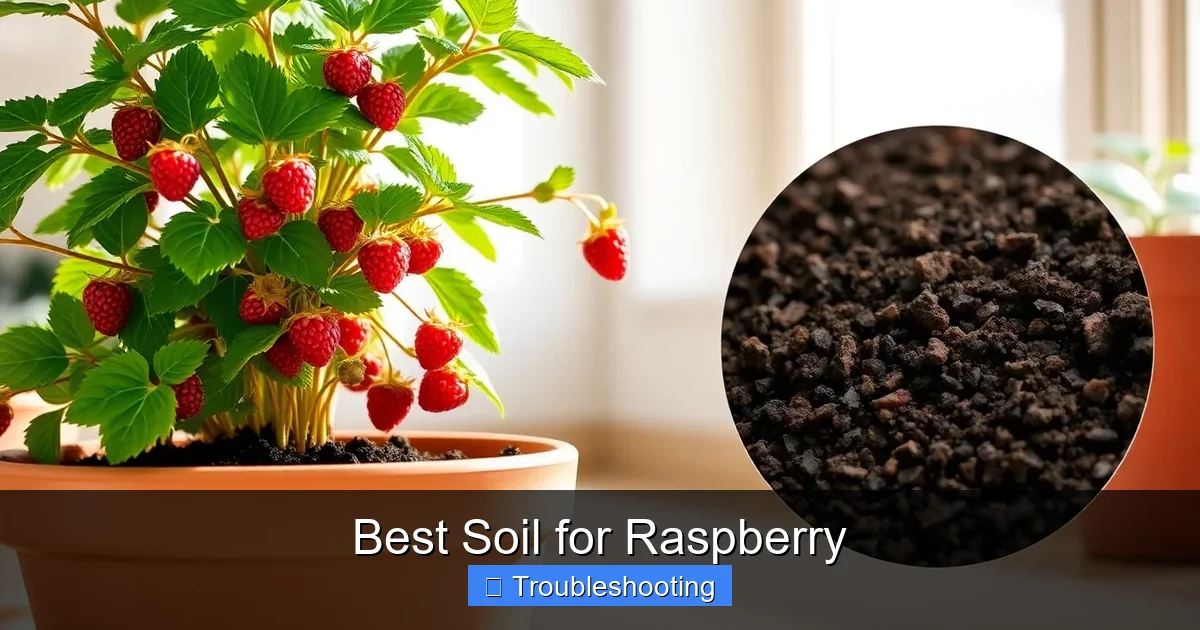
Best Soil for Raspberry
Raspberries need well‑drained, slightly acidic soil rich in organic matter. Aim for a pH between 5.5 and 6.5 and work in compost or aged manure before planting. Good soil preparation prevents root rot and leads to larger harvests.
Choosing the best soil for raspberry is the first step to a strong harvest. Raspberries have shallow roots that need air and moisture. A good mix gives them both.
The best soil for raspberry should be loose, slightly acidic, and rich in organic matter. You can test your garden soil before you plant. Simple kits are cheap and easy to use.
In this guide you will learn how to test, amend, and maintain the best soil for raspberry. Follow each step and your canes will reward you with sweet berries.
Key Takeaways
- pH range: Keep soil pH between 5.5 and 6.5 for optimal nutrient uptake.
- Drainage: Ensure water moves freely; avoid heavy clay or standing water.
- Organic matter: Add compost or well‑rotted manure to improve texture and fertility.
- Soil test: Test before planting and each year to track changes.
- Mulching: Apply straw or wood chips to conserve moisture and suppress weeds.
- Ongoing care: Re‑amend annually and monitor for compaction.
Quick Answers to Common Questions
What pH is ideal for raspberries?
The ideal pH range is 5.5 to 6.5.
How often should I test my soil?
Test once a year before the growing season.
Can I use sand to improve clay soil?
Yes, coarse sand mixed with compost helps drainage.
What mulch works best for raspberries?
Straw or wood chips keep moisture and suppress weeds.
When should I fertilize raspberry plants?
Apply a balanced fertilizer in early spring.
📑 Table of Contents
- Understanding the Best Soil for Raspberry
- Testing and Adjusting Soil pH for the Best Soil for Raspberry
- Improving Drainage and Texture for the Best Soil for Raspberry
- Adding Organic Matter and Nutrients to the Best Soil for Raspberry
- Preparing the Planting Bed for the Best Soil for Raspberry
- Ongoing Soil Care for the Best Soil for Raspberry
Understanding the Best Soil for Raspberry
The best soil for raspberry drains well and holds enough water for the roots. Standing water leads to root rot. Good structure lets roots spread easily.
Why pH matters
The best soil for raspberry has a pH between 5.5 and 6.5. At this range nutrients are available. Too low or too high locks up minerals.
If the pH drifts, you will see yellow leaves and poor fruit set. Regular testing keeps the pH in the sweet spot.
Texture and drainage
Loam is ideal. It holds moisture but lets excess water escape. Clay holds too much water. Sand drains too fast.
A simple jar test shows the texture. Shake soil with water, let settle, and read the layers.
Organic matter basics
Compost adds life to the soil. It improves structure. It feeds beneficial microbes. Aim for 3 to 5 percent organic matter by weight.
Well‑rotted manure works too manure adds nutrients slowly. It also improves water holding capacity.
Nutrient balance
The best soil for raspberry supplies nitrogen, phosphorus, and potassium in balanced amounts. A soil test tells you what is missing.
Excess nitrogen late in the season produces weak canes. Balanced feeding supports strong growth.
Microbial life
Healthy microbes break down organic matter. They release nutrients in forms plants can use. Mycorrhizal fungi extend root reach.
Adding compost tea can boost microbial populations quickly.
Testing and Adjusting Soil pH for the Best Soil for Raspberry
Test the soil before you plant. A home kit gives a quick reading. Send a sample to a lab for more detail.
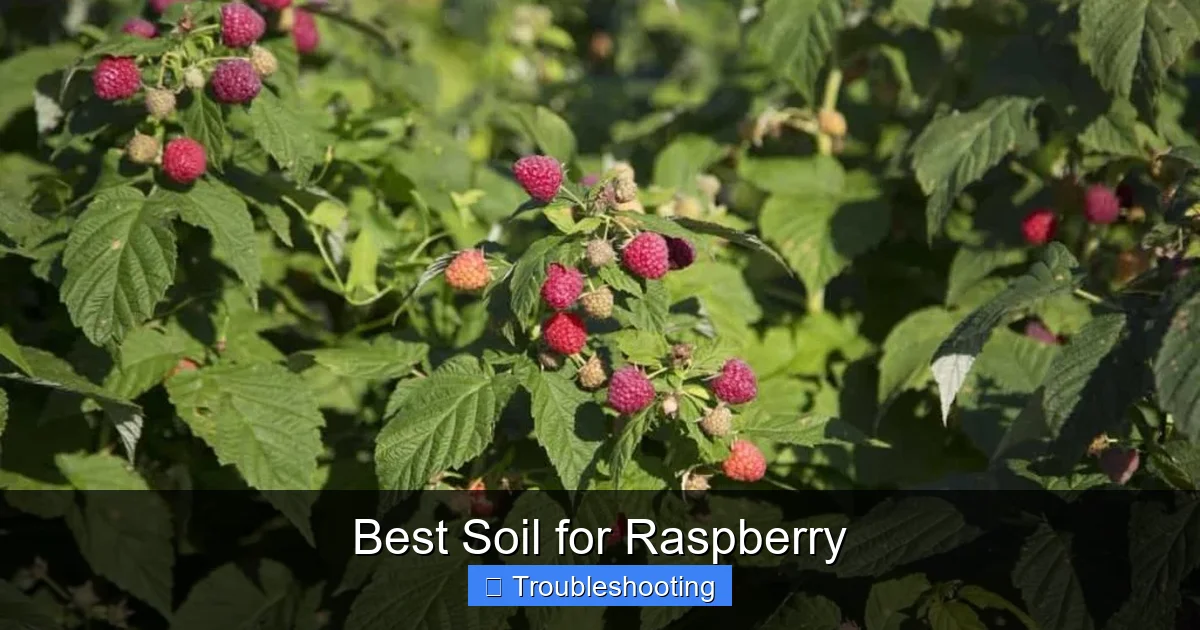
Visual guide about Best Soil for Raspberry
Image source: gardeningtips.in
How to test
Collect soil from several spots. Mix them together. Follow the kit instructions. Record the result.
Take samples at a depth of six inches. Avoid areas with recent fertilizer.
Interpreting results
A pH above 6.5 means the soil is too alkaline. A pH below 5.5 means it is too acidic. Both reduce nutrient availability.
Note the buffer capacity. Soils high in organic matter resist pH change.
Lowering pH
If pH is above 6.5 add elemental sulfur. Apply at the rate on the package. Water it in well. Retest after a few weeks.
Sulfur works slowly. Plan adjustments months before planting.
Raising pH
If pH is below 5.5 add garden lime. Spread evenly. Incorporate into the top six inches. Wait two weeks then test again.
Calcitic lime raises pH and adds calcium. Dolomitic lime also adds magnesium.
When to retest
Retest after each amendment. Test again in early spring each year. Small shifts are easier to correct.
Keeping a log helps you see trends over time.
Improving Drainage and Texture for the Best Soil for Raspberry
Good drainage stops water from pooling. Roots need oxygen. Compacted soil blocks air.
Amending heavy clay
Mix in coarse sand and compost. Use a ratio of one part sand to two parts compost. Work it into the top twelve inches.
Do not use fine sand. It can create a concrete‑like layer.
Amending sandy soil
Add well‑rotted manure or peat moss. These hold water. They also add nutrients. Blend thoroughly.
Repeat the amendment each year to maintain moisture retention.
Using raised beds
Raised beds give you control over the mix. Fill them with a blend of loam, compost, and sand. This creates the best soil for raspberry in any yard.
Beds twelve inches deep are sufficient for shallow roots.
Adding perlite or vermiculite
Perlite improves aeration. Vermiculite holds moisture. Use a handful per square foot.
Both are lightweight and easy to mix.
Checking drainage after amendment
Dig a hole twelve inches deep. Fill with water. It should drain within an hour.
If water sits longer, add more coarse material.
Adding Organic Matter and Nutrients to the Best Soil for Raspberry
Organic matter feeds the soil food web. It releases nutrients slowly. It also improves moisture retention.
Compost and manure
Spread a two‑inch layer of compost each spring. Work it in lightly. Aged manure can be used in the fall.
Fresh manure can burn roots. Always age it first.
Cover crops
Plant a winter cover crop like clover. It fixes nitrogen. Turn it under before planting raspberries.
Cover crops also suppress weeds and protect soil from erosion.
Mulching for organic matter
Mulch breaks down over time. It adds humus to the soil. Straw, wood chips, or shredded leaves work well.
Keep mulch a few inches away from crowns to prevent rot.
Fertilizer timing and types
Apply a balanced fertilizer in early spring. Follow label rates. Avoid high nitrogen late in the season.
Slow‑release granules reduce the risk of over‑feeding.
Avoiding over‑fertilization
Too much fertilizer causes weak canes and poor fruit quality. Test soil before adding more.
Use organic fertilizers when possible. They feed microbes as well as plants.
Preparing the Planting Bed for the Best Soil for Raspberry
A well prepared bed sets the stage for years of production. Take time to do it right.
Step by step guide
Clear weeds and grass. Loosen soil to a depth of twelve inches. Mix in compost and any pH amendments. Rake smooth.
Remove large stones and debris. They can impede root growth.
Water the bed lightly after preparation. Let it settle for a day before planting.
Spacing and depth
Plant canes 24 inches apart in rows 6 feet apart. Set the crown at soil level. Firm soil around roots.
Proper spacing improves air flow and reduces disease pressure.
Watering after planting
Water deeply right after planting. Keep soil moist but not soggy for the first month. Mulch to hold moisture.
Check soil moisture daily. A finger test works well.
First year care
Remove any flowers in the first summer. This directs energy to root establishment.
Apply a light side‑dress of compost in midsummer.
Ongoing Soil Care for the Best Soil for Raspberry
Soil care does not end at planting. Regular attention keeps the bed productive.
Annual soil test
Test pH and nutrient levels each winter. Adjust as needed. Small corrections prevent big problems.
Keep a record of results and amendments.
Mulch renewal
Replace mulch each spring. Straw, wood chips, or shredded leaves work well. Keep mulch a few inches away from crowns.
Fresh mulch also suppresses weed seeds.
Dealing with compaction
Walk on paths not on the bed. Use a broadfork to loosen soil every few years. This restores air channels.
Compaction reduces water infiltration and root growth.
Monitoring moisture
Use a moisture meter or simple finger test. Raspberries need consistent moisture during fruiting.
Drip irrigation delivers water directly to the root zone.
Rotating crops and cover crops
After several years, plant a non‑berry cover crop. This breaks disease cycles and rebuilds organic matter.
Legumes add nitrogen for the next raspberry cycle.
With the right preparation the best soil for raspberry will support vigorous canes and abundant fruit. Test, amend, mulch, and monitor each year. Your effort pays off in sweet, juicy berries season after season.
Frequently Asked Questions
How do I know if my soil drains well enough for raspberries?
Dig a hole twelve inches deep, fill with water, and watch. If it drains within an hour, drainage is adequate. Slow drainage means you need more coarse material.
Can I plant raspberries in containers?
Yes, use a large pot with a mix of loam, compost, and perlite. Ensure the container has drainage holes and keep the mix moist but not soggy.
What is the best way to add organic matter each year?
Spread a two‑inch layer of compost in early spring and lightly work it into the top few inches. This feeds microbes and improves structure.
Do raspberries need a lot of nitrogen?
They need moderate nitrogen early in the season. Too much nitrogen late in the year produces weak canes and reduces fruit quality.
How can I prevent root rot in my raspberry patch?
Plant in well‑drained soil, avoid over‑watering, and keep mulch away from crowns. Good air flow around canes also helps.
Is it necessary to rotate raspberry beds?
Rotating with a legume cover crop every few years reduces soil‑borne diseases and rebuilds nitrogen levels for healthier plants.