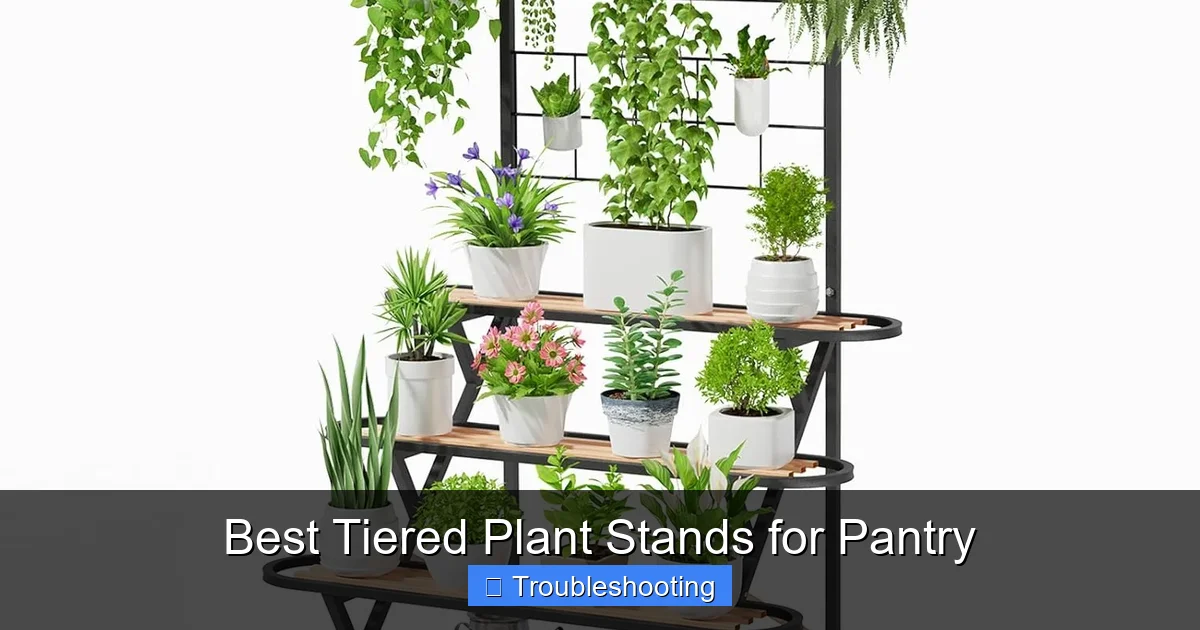
Best Tiered Plant Stands for Pantry
Struggling with limited pantry space? The best tiered plant stands for pantry organization transform cluttered shelves into efficient vertical gardens. These multi-level units boost air circulation, simplify watering, and keep herbs or microgreens within easy reach while maximizing every inch of available room.
Ever open your pantry door and feel overwhelmed by the jumble of jars, boxes, and forgotten spices? You’re not alone. Most home cooks battle limited shelf space daily. But what if those empty vertical inches could become a thriving mini garden? The best tiered plant stands for pantry use turn wasted air into productive growing zones. They keep fresh herbs at your fingertips while adding a touch of green to your cooking routine.
I remember my own pantry frustration. Half-used basil bunches wilted in plastic bags. Microgreen trays slid around on slippery shelves. Then I tried a three-tier metal stand. Suddenly, my cilantro stood tall on the top level. Chives flourished in the middle. Mint spread its runners on the bottom without invading everything else. Watering became a simple top-down routine. The best tiered plant stands for pantry setups do more than organize. They create a functional, living system that pays you back in flavor.
Key Takeaways
- Vertical storage solves space constraints: Tiered stands multiply usable shelf area by stacking plants upward instead of outward.
- Material matters for durability: Powder-coated steel resists humidity while bamboo offers a lightweight, eco-friendly alternative.
- Adjustable shelves accommodate growth: Look for stands with removable or height-adjustable tiers to fit tall herbs or cascading vines.
- Proper drainage prevents mess: Choose stands with built-in drip trays or add saucers to protect pantry surfaces from water damage.
- Light access determines plant health: Position stands near windows or supplement with grow lights for consistent photosynthesis.
- Weight capacity ensures safety: Verify each tier supports at least 15-20 pounds for heavy ceramic pots and wet soil.
- Easy assembly saves time: Tool-free designs with clear instructions let you set up your pantry garden in minutes.
Quick Answers to Common Questions
What weight capacity should I look for in a pantry plant stand?
Aim for at least 15-20 pounds per tier to safely hold ceramic pots with wet soil. Heavy-duty powder-coated steel models often support 30+ pounds per shelf.
Can I use a tiered plant stand in a pantry without natural light?
Yes, but you’ll need supplemental LED grow lights. Choose stands with built-in light mounting points or add clip-on fixtures. Run lights 14-16 hours daily for healthy growth.
How do I prevent water damage to my pantry shelves?
Use stands with integrated drip trays on each tier, place a waterproof liner under the entire unit, and water at soil level rather than over foliage to minimize splashing.
Which herbs grow best on lower tiers with less light?
Shade-tolerant herbs like mint, chives, parsley, and cilantro perform well on lower tiers. Reserve top tiers for sun-loving varieties like basil, thyme, and oregano.
Are tiered plant stands difficult to assemble?
Most quality stands feature tool-free assembly with clear instructions. Powder-coated steel models may need a wrench for casters. Allow 15-30 minutes for setup.
📑 Table of Contents
- Why Your Pantry Needs a Tiered Plant Stand
- Choosing the Right Material for Pantry Conditions
- Essential Features That Separate Good From Great
- Top Configurations for Different Pantry Layouts
- Plant Selection Strategies for Pantry Success
- Installation and Maintenance Mastery
- Troubleshooting Common Pantry Garden Problems
- Budget Considerations and Value Optimization
- Advanced Tips for Year-Round Production
- Conclusion
Why Your Pantry Needs a Tiered Plant Stand
Maximize Vertical Space
Standard pantry shelves leave a foot or more of headroom unused. A tiered stand claims that space. Three or four levels multiply your growing footprint without expanding your pantry’s physical dimensions. This vertical approach works especially well for shallow-rooted herbs like thyme, oregano, and parsley. You gain the equivalent of two extra shelves in the same square footage.
Improve Air Circulation
Crowded plants on flat shelves trap moisture. Stagnant air invites fungal diseases like powdery mildew. Tiered designs create natural gaps between levels. Air flows freely around each plant. Leaves dry faster after watering. Healthier foliage means better harvests and fewer lost crops. The best tiered plant stands for pantry environments prioritize open-frame construction for this exact reason.
Simplify Maintenance Routines
Watering a flat shelf of pots means moving each container to the sink or risking spills. With a tiered stand, you water from the top down. Excess drains to lower tiers or collection trays. Rotating plants for even light exposure takes seconds. Harvesting becomes a comfortable stand-up task instead of a crouching hunt. Your back and knees will thank you.
Choosing the Right Material for Pantry Conditions
Powder-Coated Steel: The Humidity Champion
Pantries experience temperature swings and occasional moisture. Powder-coated steel shrugs off both. The coating seals the metal against rust. Welded joints won’t loosen under weight. These stands often support 30+ pounds per tier. They’re ideal if you use heavy ceramic or stoneware pots. Look for models with rubberized feet to prevent sliding on smooth shelves.
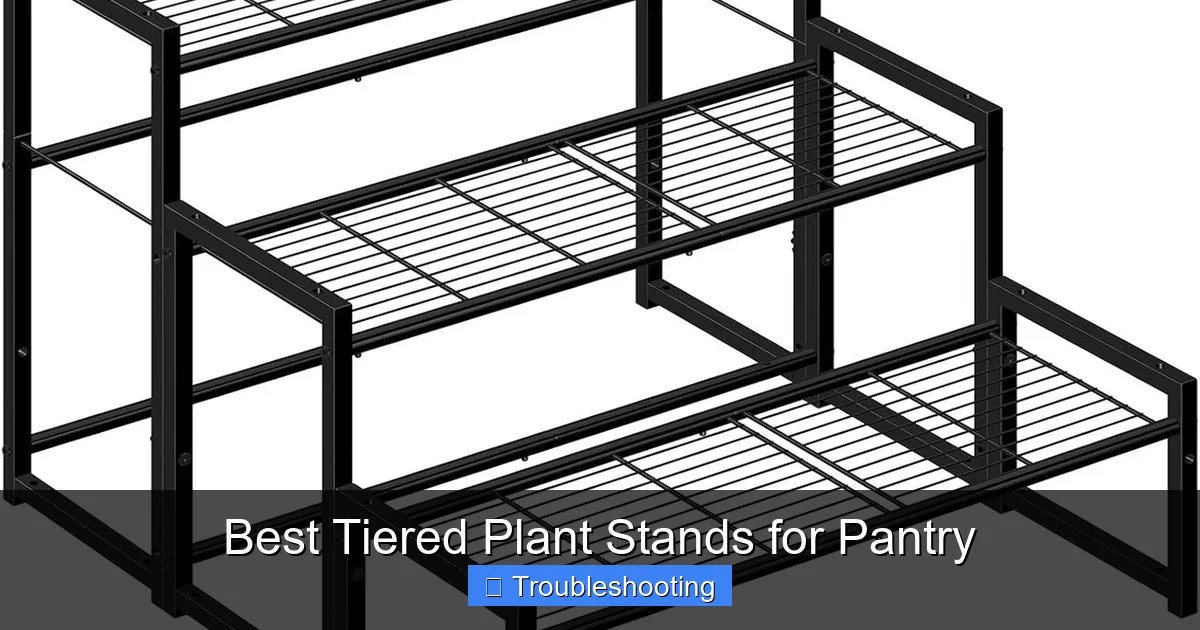
Visual guide about Best Tiered Plant Stands for Pantry
Image source: m.media-amazon.com
Bamboo: Lightweight and Sustainable
Bamboo brings warmth to sterile pantry shelves. It’s naturally antimicrobial and resists warping better than most woods. Bamboo stands weigh half as much as steel equivalents. Moving them for cleaning or reorganization is effortless. However, they typically support 15-20 pounds per tier. Stick with lightweight fabric pots or plastic containers. Avoid prolonged direct water contact to maximize lifespan.
Chrome Wire: Maximum Airflow and Visibility
Chrome-plated wire shelves disappear visually. Your plants take center stage. The open grid design offers unmatched air circulation. You can see every plant from every angle. Spotting pests or watering needs happens at a glance. Most chrome stands include adjustable levelers for uneven pantry floors. They’re budget-friendly but check weight ratings. Some lighter models max out at 10 pounds per shelf.
Plastic Composite: Waterproof and Washable
High-density polyethylene stands handle constant moisture without degradation. Spill soil? Hose it down. Fertilizer residue? Wipe clean. These stands won’t rust, rot, or stain. They’re often modular. Add tiers as your herb collection grows. The tradeoff? Less aesthetic appeal. They can feel utilitarian in a visible pantry. Weight capacities vary widely. Read specifications carefully.
Essential Features That Separate Good From Great
Adjustable Tier Heights
Plants grow. Basil shoots up 18 inches in weeks. Trailing rosemary needs vertical room to cascade. Fixed-height shelves force compromises. The best tiered plant stands for pantry flexibility offer adjustable tiers. Some use peg-and-hole systems. Others feature sliding brackets. A few premium models let you remove entire shelves. Match the stand’s adaptability to your planting plans.
Integrated Drip Management
Water finds every gap. Without containment, your pantry floor becomes a swamp. Quality stands include molded drip trays on each level. Better yet, look for connected drainage channels that direct excess to a single collection point. Some innovative designs incorporate wicking mats. These absorb runoff and release moisture back to roots gradually. Less waste. Less mess. Healthier plants.
Mobility Options
Locked-in stands create cleaning nightmares. Dust accumulates underneath. Spills go unnoticed. Swivel casters transform maintenance. Roll the entire garden out for deep cleaning. Rotate it weekly for even light distribution. Locking brakes keep it stable during watering. If casters aren’t included, verify the stand accepts standard hardware store wheels. The best tiered plant stands for pantry use often ship caster-ready.
Grow Light Compatibility
Many pantries lack natural light. Even window-adjacent shelves get blocked by jars and boxes. Stands with built-in light mounting points solve this. Some include LED bars. Others provide hooks or channels for third-party fixtures. Ensure the frame supports the weight of lights plus plants. Check electrical cord routing. You don’t want cords draped across food storage areas.
Top Configurations for Different Pantry Layouts
Narrow Vertical Towers for Tight Spaces
Got a 12-inch wide gap between shelves? Slim tower stands fit. These typically measure 10-14 inches wide by 12-16 inches deep. Four or five tiers stack in a small footprint. Perfect for single herb pots or microgreen trays. The narrow profile means less light penetration to lower levels. Choose shade-tolerant varieties like mint, chives, or parsley for bottom tiers. Reserve top levels for sun-loving basil and thyme.
Wide Low-Profile Units for Deep Shelves
Deep pantry shelves (18+ inches) accommodate wider stands. Three-tier units spanning 24-36 inches wide hold multiple pots per level. This layout mimics a traditional garden bed. Group plants by water needs. Mediterranean herbs (rosemary, sage, lavender) on one tier. Moisture-lovers (basil, cilantro, mint) on another. The broad stance provides excellent stability. No tipping risk even with uneven watering.
Corner-Fitting Triangular Designs
Pantry corners often sit empty. Triangular tiered stands reclaim that dead zone. Three shelves radiate from a central pole. Each tier rotates independently for light access. These conversation pieces add visual interest. They work best in walk-in pantries with floor space. Measure your corner radius carefully. Some models require 18+ inches of clearance from walls.
Over-the-Door Hanging Systems
Zero shelf space? Look up. Over-the-door tiered racks hang on standard pantry doors. Three to five fabric or mesh pockets hold lightweight pots. Ideal for microgreens, sprouts, or small herb starts. Weight limits are strict. Usually 2-3 pounds per pocket. The door must close fully with the unit installed. Check hinge clearance before buying. These systems excel at seed starting before transplanting to larger stands.
Plant Selection Strategies for Pantry Success
High-Yield Herbs for Frequent Harvest
Focus on cut-and-come-again varieties. Basil, mint, oregano, and thyme regrow vigorously after trimming. One plant yields months of harvests. Plant three basil plants staggered two weeks apart. Continuous supply without gaps. The best tiered plant stands for pantry growing shine with these productive varieties. You’ll wonder how you cooked without them.
Microgreens: Two-Week Turnaround
Microgreens fit perfectly on tiered stands. Shallow trays sit flat on wire shelves. Harvest at 10-14 days. Rotate trays weekly for nonstop nutrition. Sunflower, pea, radish, and broccoli microgreens pack intense flavor. They need minimal root depth. Four tiers can produce a salad’s worth every few days. Great for winter when outdoor gardens sleep.
Companion Planting on Shared Tiers
Group compatible herbs together. Rosemary, sage, and thyme share low-water needs. Basil, parsley, and cilantro prefer consistent moisture. Mint gets its own container always. It invades neighbors ruthlessly. Use the tier separation to enforce these boundaries. Top tier: Mediterranean mix. Middle: moisture lovers. Bottom: mint in solitary confinement. Smart zoning prevents overwatering disasters.
Seasonal Rotation Planning
Pantry gardens aren’t static. Spring: start tomatoes and peppers for transplant. Summer: heat-loving basil and oregano. Fall: hardy herbs like sage and thyme. Winter: microgreens and sprouts. The best tiered plant stands for pantry use adapt to these cycles. Removable tiers let you clear space for seed trays. Adjustable heights accommodate leggy seedlings. Plan your calendar. Rotate crops like a pro.
Installation and Maintenance Mastery
Leveling for Stability and Drainage
Uneven pantry floors tilt stands. Water pools on low sides. Plants on high sides dry out. Use a bubble level during assembly. Adjust feet or shim with plastic washers. Check level monthly. House settling shifts floors subtly. A level stand ensures even water distribution. It prevents structural stress on joints. Your stand lasts longer. Plants grow uniformly.
Protecting Pantry Surfaces
Even with drip trays, condensation forms. Humidity rises. Place a waterproof liner under the entire stand. Heavy-duty vinyl tablecloths work well. Cut to size with scissors. Extend edges 2 inches beyond the stand’s footprint. Tape seams with waterproof tape. This barrier catches overflow and condensation. Wipe it down during monthly deep cleans. Your pantry shelves stay pristine.
Creating a Watering Station
Hauling watering cans across the kitchen gets old. Install a pull-out faucet attachment if plumbing allows. Otherwise, designate a nearby sink. Keep a dedicated watering can with a long spout. Mark measurement lines for consistent fertilizing. Store a moisture meter on the stand’s side. Check soil before every watering. Overwatering kills more pantry herbs than neglect.
Pest Prevention Protocols
Indoor plants attract fungus gnats, aphids, and spider mites. Inspect weekly. Yellow sticky traps on each tier catch flying adults. Neem oil spray every two weeks prevents infestations. Quarantine new plants for two weeks before adding to the stand. The tiered layout helps. Isolate affected plants to a single level. Treat aggressively. The best tiered plant stands for pantry setups make inspection easy with open access to every plant.
Troubleshooting Common Pantry Garden Problems
Leggy, Weak Growth
Plants stretch toward light. Stems become thin and pale. Leaves space widely. This signals insufficient light. Solutions: add LED grow lights 6-12 inches above plants. Run 14-16 hours daily. Rotate plants every two days. Choose shade-tolerant varieties for lower tiers. Prune leggy growth to encourage bushiness. The best tiered plant stands for pantry environments often need supplemental lighting. Don’t skimp here.
Yellowing Lower Leaves
Bottom leaves yellow and drop. Classic nitrogen deficiency or overwatering. Check soil moisture first. Stick finger 2 inches deep. Wet? Hold water. Dry? Water thoroughly. If moisture is right, feed with half-strength liquid fertilizer. Fish emulsion works well. Smells briefly but plants love it. Remove yellow leaves. They won’t recover. Focus energy on new growth.
Mold on Soil Surface
White fuzzy growth appears. Harmless saprophytic fungus usually. But it signals excessive moisture and poor airflow. Scrape off top half-inch of soil. Replace with fresh dry mix. Increase air circulation. Small USB fan on low setting works wonders. Space plants further apart. Water at soil level, not over foliage. Morning watering lets surfaces dry before night.
Pests Spreading Between Tiers
Aphids on top tier migrate down. Spider mites balloon on silk threads. Fungus gnats fly level to level. Act fast. Remove heavily infested plants entirely. Spray remaining plants with insecticidal soap. Cover soil with sand or diatomaceous earth. Yellow sticky traps on every tier. Monitor daily for two weeks. The tiered design actually helps containment if you catch it early.
Budget Considerations and Value Optimization
Entry-Level Options Under $50
Basic three-tier wire stands start around $35. Plastic composite units hit $40. These work for lightweight herbs in small pots. Expect thinner gauges. Lower weight limits. Minimal features. No drip trays. No casters. But they function. For beginners testing the concept, they’re low-risk. Upgrade later if the pantry garden becomes permanent.
Mid-Range Sweet Spot $80-150
This tier delivers powder-coated steel with drip trays. Adjustable shelves. Caster-ready frames. Weight ratings of 25+ pounds per level. Bamboo options with stainless hardware. These stands last years. They handle ceramic pots. They look intentional in visible pantries. The best tiered plant stands for pantry value live here. You payoff in this range.
Premium Investments Over $200
Modular systems with integrated lighting. Automated watering reservoirs. Powder-coated aluminum frames. Lifetime warranties. Designer aesthetics. These suit serious indoor gardeners. Commercial-grade durability. Expandable indefinitely. If your pantry garden feeds your family daily, the investment pays off in convenience and yield.
DIY Alternatives for Custom Spaces
Can’t find the perfect fit? Build it. Wire shelving units from hardware stores customize easily. Cut posts to height. Add casters. Line shelves with vinyl gutter guard for pot stability. Total cost often under $60. PVC pipe frames with wire baskets create ultra-light tiers. Repurpose wooden crates on a rolling cart. The best tiered plant stands for pantry use sometimes come from your own creativity.
Advanced Tips for Year-Round Production
Succession Planting Schedules
Don’t plant everything at once. Stagger basil every three weeks. Cilantro bolts fast. Plant monthly. Parsley biennial. Replace yearly. Keep a simple spreadsheet. Track planting dates. Harvest dates. Variety notes. The tiered stand becomes a production line. One tier seeding. One tier growing. One tier harvesting. Continuous flow.
Hydroponic Adaptation
Soil brings mess. Hydroponics eliminates it. Net pots fit wire shelves perfectly. Kratky method needs no pumps. Mason jars with net pot lids sit stable on tiers. Nutrient solution lasts weeks. Roots access oxygen and water directly. Growth rates double. The best tiered plant stands for pantry hydroponics need waterproof tiers. Plastic composite excels here. No rust risk from constant moisture.
Seed Starting Station Setup
Top tier: heat mat for germination. Middle tier: seedlings under lights. Bottom tier: hardening off before transplant. Clear humidity domes on seed trays. Remove daily for airflow. Label everything. Popsicle sticks and permanent marker. This vertical nursery produces hundreds of starts annually. Your outdoor garden gets a head start. Friends get gifts. You save hundreds on nursery plants.
Preserving the Harvest
Abundance happens. Dry herbs on the top tier. Low humidity there. Bundle stems. Hang upside down from shelf edges. Paper bags catch seeds. Freeze basil in oil cubes. Make pesto batches. Dehydrate microgreens for powder. The pantry garden feeds you fresh and preserved. Plan preservation into your rotation. Empty tiers become drying racks seasonally.
Conclusion
Your pantry holds more potential than you realize. Those empty vertical inches? They’re prime real estate for flavor. The best tiered plant stands for pantry organization transform clutter into cultivation. They solve space constraints. They simplify care routines. They deliver fresh herbs steps from your stove. Start small. A three-tier stand. Three herb pots. Watch how fast you adapt. How often you snip. How much better meals taste.
Remember the fundamentals. Match materials to your pantry’s conditions. Prioritize drainage and airflow. Choose adjustable heights for flexibility. Supplement light where needed. Group plants by needs. Maintain diligently. Troubleshoot promptly. The stand is just hardware. Your attention makes it a garden. That garden makes you a better cook. A healthier eater. A more connected human to the food you prepare.
Ready to begin? Measure your pantry shelves tonight. Note light sources. Check floor level. Browse stands with your specific dimensions in mind. Order one that fits. Set it up this weekend. Plant Monday. Your future self—standing at the stove, snipping fresh thyme into a simmering sauce—will thank you. The best tiered plant stands for pantry growing aren’t just storage solutions. They’re lifestyle upgrades disguised as furniture. Go grow something.
Frequently Asked Questions
What is the best material for a tiered plant stand in a humid pantry?
Powder-coated steel is the top choice for humid pantry environments because the coating prevents rust and the welded construction handles moisture and temperature fluctuations without degrading.
How many tiers do I need for a functional pantry herb garden?
Three to four tiers provide optimal growing space for most home cooks. This allows separation by water needs, light requirements, and growth habits while fitting standard pantry shelf heights.
Can I put a tiered plant stand on carpet or uneven flooring?
Yes, but choose models with adjustable leveling feet or add furniture shims. Swivel casters with locks work well on carpet and allow easy movement for cleaning and light rotation.
Do tiered plant stands come with grow lights included?
Some premium models include integrated LED grow lights, but most require separate purchase. Look for stands with built-in mounting channels or hooks compatible with standard LED light bars.
How often should I water herbs on a tiered pantry stand?
Check soil moisture every 2-3 days by inserting your finger 2 inches deep. Water thoroughly when dry at that depth. Top-tier plants dry faster; bottom tiers retain moisture longer.
What’s the maximum height for a pantry tiered plant stand?
Most pantry shelves accommodate stands 48-60 inches tall. Measure your shelf clearance before purchasing. Adjustable-tier models let you customize height for your specific space constraints.