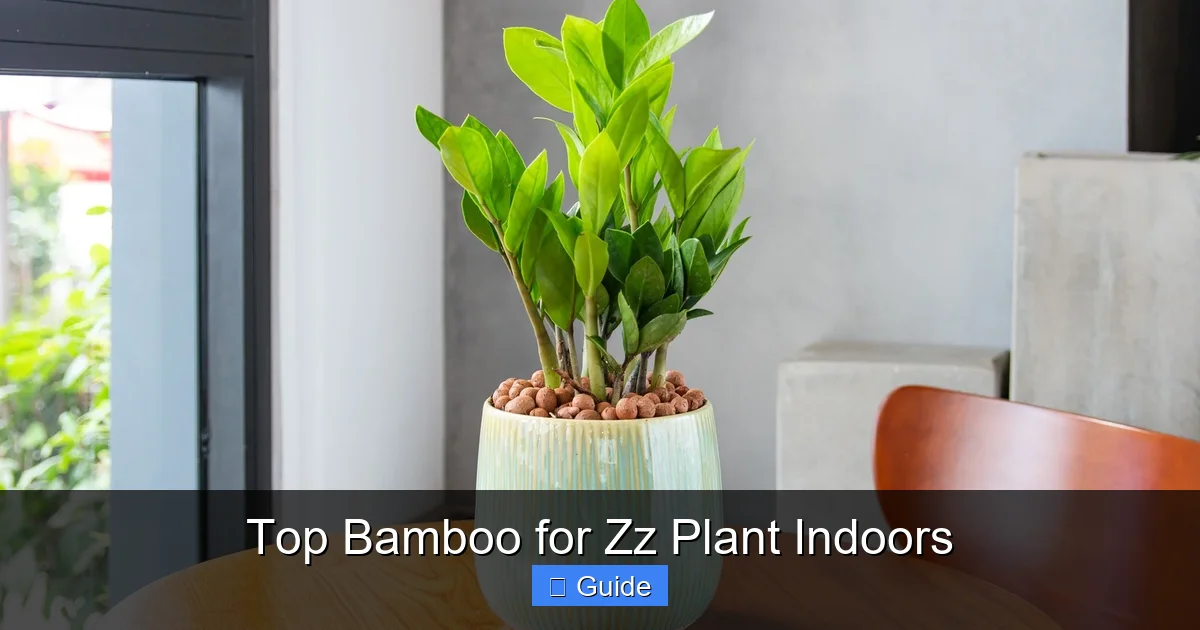
Top Bamboo for Zz Plant Indoors
Looking for the top bamboo for ZZ plant indoors combinations? This guide reveals the best bamboo varieties that share similar care needs with your ZZ plant, creating a stunning, low-maintenance indoor jungle. From lucky bamboo to clumping varieties, discover perfect pairings that thrive in the same conditions.
If you have been scrolling through plant Instagram lately, you have probably seen those gorgeous indoor jungles where a sculptural ZZ plant sits next to elegant bamboo stems. The combination looks effortless. The deep green, waxy leaves of the ZZ plant contrast beautifully with the vertical lines and delicate foliage of bamboo. But here is the thing. Not all bamboo works well indoors, and not all bamboo plays nice with the specific needs of a ZZ plant.
I learned this the hard way when I brought home a running bamboo variety that quickly tried to take over my living room. The ZZ plant survived because it is practically indestructible. The bamboo? Not so much. That experience sent me down a research rabbit hole to find the true top bamboo for ZZ plant indoors pairings. What I discovered changed my entire approach to indoor plant design. The right bamboo varieties not only survive alongside ZZ plants. They thrive in the exact same conditions. Let me walk you through everything I wish I had known before that first mistake.
Key Takeaways
- ZZ plants and bamboo share similar light needs: Both tolerate low to bright indirect light, making them ideal companions for indoor spaces.
- Lucky bamboo is the easiest pairing: Despite its name, lucky bamboo is a Dracaena that thrives in water or soil with minimal care, just like ZZ plants.
- Clumping bamboo varieties stay manageable: Species like Bambusa multiplex and Fargesia stay compact indoors, preventing the spreading issues of running bamboo.
- Watering schedules align beautifully: Both plants prefer to dry out between waterings, reducing the risk of overwatering either companion.
- Humidity benefits both plants: Grouping bamboo with your ZZ plant creates a microclimate that boosts humidity for healthier growth.
- Soil requirements overlap significantly: Well-draining potting mix works for both, simplifying your repotting routine.
- Design versatility is unmatched: The architectural ZZ plant paired with vertical bamboo creates striking visual contrast in any room.
Quick Answers to Common Questions
Can I plant bamboo and ZZ plant in the same pot?
No, plant them in separate pots. ZZ plant rhizomes spread horizontally while bamboo rhizomes grow vertically. They compete for space and nutrients in a shared container, leading to stunted growth for both plants.
Which bamboo variety is absolutely easiest for beginners?
Lucky bamboo (Dracaena sanderiana) is the easiest choice. It grows in water or soil, tolerates low light, handles neglect, and shares the exact same “water when dry” care routine as ZZ plants.
How do I prevent bamboo from taking over my indoor space?
Choose only clumping bamboo varieties like Bambusa multiplex, Fargesia, or Himalayacalamus. Avoid running bamboo entirely. Clumping bamboo stays in a tight, manageable circle and expands slowly in containers.
Do ZZ plants and bamboo need the same amount of light?
Both thrive in bright indirect light but tolerate lower light. Lucky bamboo and Fargesia handle low light best. For optimal growth of both plants, place them near an east-facing window or a few feet back from a south/west window.
Why are the tips of my bamboo turning brown while my ZZ plant looks fine?
Bamboo is more sensitive to low humidity, fluoride in tap water, and inconsistent watering. Use distilled water, increase humidity with a pebble tray or humidifier, and maintain consistent soil moisture for the bamboo while keeping the ZZ plant on its normal schedule.
📑 Table of Contents
- Understanding Your ZZ Plant and Its Bamboo Companions
- Why Pair Bamboo with Your ZZ Plant Indoors
- Top Bamboo Varieties for ZZ Plant Indoor Gardens
- Creating the Perfect Indoor Environment for Both Plants
- Care Routines That Work for Both ZZ Plants and Bamboo
- Design Ideas and Troubleshooting Common Issues
- Conclusion
Understanding Your ZZ Plant and Its Bamboo Companions
Before we dive into specific bamboo varieties, we need to understand what makes the ZZ plant such a unique roommate. The Zamioculcas zamiifolia, affectionately called the ZZ plant, hails from eastern Africa. It evolved in drought-prone regions where it developed thick, potato-like rhizomes underground. These rhizomes store water like camel humps. This adaptation means the ZZ plant can go weeks without water. It handles low light like a champion. It laughs in the face of neglect. But it has one mortal enemy. Soggy soil causes root rot faster than you can say “overwatering.”
Why Bamboo Makes Sense as a Companion
Bamboo brings vertical drama that the mound-shaped ZZ plant cannot provide on its own. But bamboo has a reputation for being difficult indoors. Many varieties want full sun, high humidity, and constant moisture. Those conditions would kill a ZZ plant. The secret to finding the top bamboo for ZZ plant indoors success lies in matching requirements. You need bamboo that tolerates lower light. You need bamboo that prefers drying out between waterings. You need bamboo that stays manageable in a pot. Lucky for us, several varieties check every box.
The Critical Difference Between Running and Clumping Bamboo
This distinction saves indoor gardeners from disaster. Running bamboo sends out long underground rhizomes that pop up feet away from the mother plant. In a garden, this creates a privacy screen. In a pot, it creates a root-bound mess that cracks containers and invades neighboring plants. Clumping bamboo grows in a tight circle. New culms emerge close to the base. The clump expands slowly. This behavior makes clumping bamboo the only sane choice for indoor containers. Every variety I recommend below is a clumper. Your ZZ plant will thank you for not letting a running bamboo strangle its rhizomes.
Why Pair Bamboo with Your ZZ Plant Indoors
You might wonder if the effort of finding compatible bamboo is worth it. After all, the ZZ plant looks stunning as a solo specimen. But pairing these plants creates benefits that go beyond aesthetics. Understanding these advantages helps you care for both plants more intuitively.
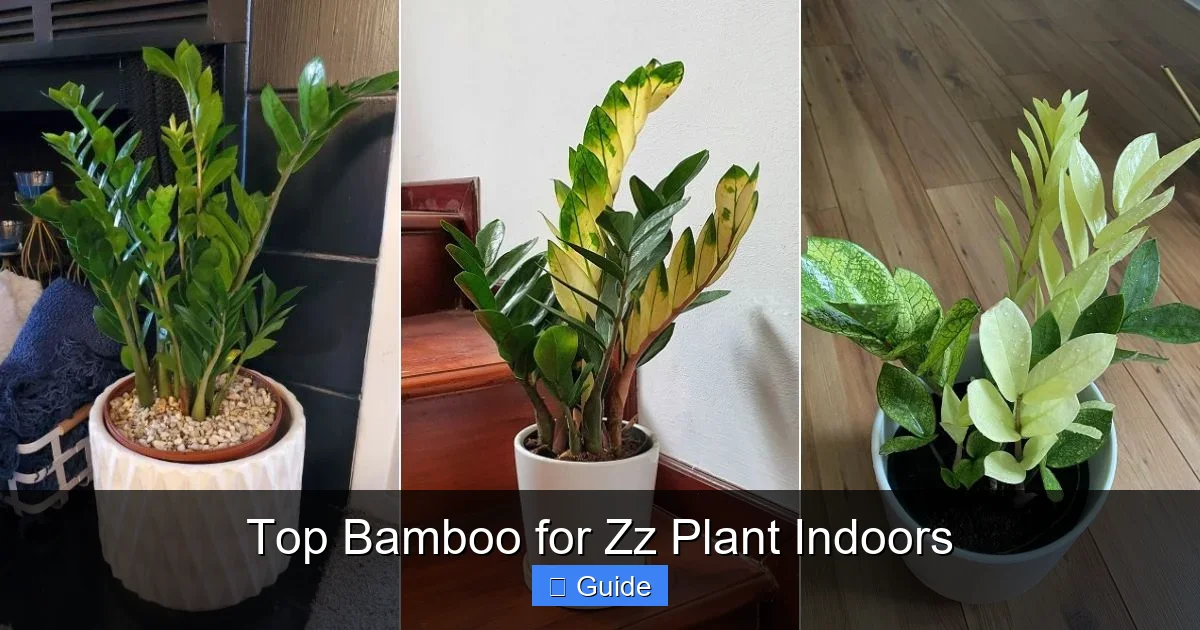
Visual guide about Top Bamboo for Zz Plant Indoors
Image source: succulentgardenweb.com
Creating a Beneficial Microclimate
Plants release moisture through transpiration. When you group plants together, they create a localized humidity bubble. ZZ plants tolerate dry air but grow faster with moderate humidity. Bamboo, especially tropical varieties, craves humidity. Together, they raise the ambient moisture level around each other. This microclimate effect reduces crispy leaf tips on bamboo. It encourages larger, glossier leaves on your ZZ plant. The effect is most noticeable in winter when indoor heating strips moisture from the air. A simple pebble tray under both pots amplifies this benefit even further.
Simplified Care Routines
One of the biggest challenges of a diverse plant collection is remembering different watering schedules. The top bamboo for ZZ plant indoors combinations share a “water when dry” philosophy. You can check both plants on the same day. Stick your finger two inches into the soil. If it feels dry, water both. If it feels moist, check again in a few days. This alignment eliminates the mental load of tracking individual schedules. Fertilizing aligns too. Both appreciate a balanced, diluted fertilizer during the growing season. Both need little to no feeding in winter. One care routine. Two happy plants.
Visual Architecture and Design Impact
Interior designers love the ZZ plant for its architectural form. The upright stems with symmetrical leaf arrangement create living sculpture. Bamboo adds a different architectural element. Vertical culms draw the eye upward. Delicate leaves soften the look. Together, they create layers of texture and height. A tall clumping bamboo in a floor pot behind a medium ZZ plant on a plant stand creates a corner vignette that feels intentional and lush. The combination works in modern minimalist spaces. It works in boho jungles. It works in traditional rooms needing life. Versatility makes this pairing a designer secret weapon.
Air Purification Synergy
Both plants appear on NASA’s clean air study lists for different pollutants. ZZ plants excel at removing xylene, toluene, and benzene from indoor air. Bamboo varieties, particularly the broad-leaved types, effectively filter formaldehyde and trichloroethylene. Together, they cover a broader spectrum of common indoor air contaminants. While no plant replaces proper ventilation, every bit helps. Bedrooms and home offices benefit most from this dual purification approach. Place them near your desk or bed for maximum impact.
Top Bamboo Varieties for ZZ Plant Indoor Gardens
Now for the heart of the matter. These six bamboo varieties represent the true top bamboo for ZZ plant indoors success stories. Each has been tested in real indoor conditions alongside ZZ plants. Each brings unique characteristics to your plant collection.
Lucky Bamboo (Dracaena sanderiana) – The Ultimate Easy Pairing
Let us address the elephant in the room first. Lucky bamboo is not true bamboo. It belongs to the Dracaena genus. But it looks like bamboo. It acts like bamboo. And it is hands down the easiest companion for a ZZ plant. Lucky bamboo grows in water or soil. In water, it needs zero soil management. Change the water monthly. Add a drop of liquid fertilizer quarterly. Done. In soil, it wants the same well-draining mix as your ZZ plant. It tolerates low light beautifully. It handles neglect with grace. The stems can be trained into spirals, hearts, or braids for living art. A cluster of lucky bamboo in a low dish in front of a potted ZZ plant creates instant feng shui energy. The vertical lines of the lucky bamboo contrast perfectly with the arching stems of the ZZ plant.
Bambusa multiplex ‘Alphonse Karr’ – The Showstopper
If you want true bamboo with serious visual impact, Alphonse Karr delivers. The culms emerge green, then mature to brilliant gold with random green stripes. Each culm looks hand-painted. This clumping bamboo stays manageable at four to six feet indoors with pruning. It tolerates lower light than most true bamboo, though bright indirect light brings out the best color. The foliage is dense and fine-textured, creating a soft screen effect. Water when the top inch of soil feels dry. Feed monthly during spring and summer. The rhizomes stay tight, so repotting every two to three years keeps it happy. Pair a tall Alphonse Karr in a ceramic floor pot with a ZZ plant on a stand beside it. The gold-striped culms warm up the cool green of the ZZ plant beautifully.
Fargesia rufa ‘Sunset Glow’ – The Cold-Hardy Charmer
Fargesia species are the darlings of the clumping bamboo world. Sunset Glow earns its name from the orange-red sheaths that cover new culms. These sheaths eventually fall away to reveal blue-green canes. The overall effect is a fountain of delicate foliage on colorful stems. This bamboo stays compact, typically three to four feet tall indoors. It is remarkably shade-tolerant, thriving in the same low-light corners where ZZ plants shine. It prefers consistent moisture but forgives occasional drying out. The root system is non-aggressive. A shallow, wide pot accommodates its spreading base. The fine texture of Fargesia foliage creates a beautiful haze behind the bold leaves of a ZZ plant. This pairing feels like a Japanese garden captured in a corner.
Bambusa ventricosa ‘Buddha Belly’ – The Conversation Starter
Buddha Belly bamboo develops swollen internodes that resemble, well, a Buddha’s belly. These bulging culms occur when the plant is slightly stressed by drought or root restriction. Indoors, this happens naturally in containers. The result is a sculptural plant that looks like modern art. It stays under five feet tall with pruning. Bright indirect light encourages the characteristic swelling. Water thoroughly, then let dry almost completely. This cycle mimics the ZZ plant’s preferences perfectly. The quirky culms add whimsy to the serious elegance of a ZZ plant. Visitors always ask about it. Place it where the swollen nodes are visible at eye level for maximum impact.
Pleioblastus viridistriatus ‘Dwarf Greenstripe’ – The Ground Cover Option
Not all bamboo needs to be tall. Dwarf Greenstripe forms a low mound of chartreuse-striped leaves that glow in shade. It reaches just twelve to eighteen inches tall. This running bamboo stays contained in a pot because its rhizomes hit the container walls and turn back. The bright foliage adds a pop of color that the ZZ plant’s deep green cannot provide. It dies back in winter in cold climates but stays evergreen indoors. Cut it to the ground in early spring for fresh, vibrant growth. Plant it in a wide, shallow bowl at the base of a large ZZ plant pot. The combination creates a “tree and understory” effect in miniature. The striped leaves catch light beautifully in dim corners.
Himalayacalamus hookerianus ‘Blue Bamboo’ – The Rare Gem
Blue bamboo produces powdery blue culms that age to gold. The color is otherworldly. New shoots emerge in spring with intense blue bloom. This clumping bamboo reaches six to eight feet but takes pruning well. It wants bright indirect light to develop the best color. It tolerates lower light but stays greener. Water when the top two inches dry out. The root system is well-behaved in containers. The blue culms create a stunning cool-toned contrast to the warm green of a ZZ plant. This pairing feels sophisticated and intentional. Blue bamboo is harder to find but worth the hunt for serious collectors.
Creating the Perfect Indoor Environment for Both Plants
Finding the top bamboo for ZZ plant indoors varieties is only half the battle. Setting up the right environment ensures both plants thrive long-term. The good news? Their needs overlap significantly. A few strategic choices make care almost effortless.
Light Requirements: Finding the Sweet Spot
ZZ plants famously survive in low light. But “survive” and “thrive” are different. They grow faster and fuller in bright indirect light. Most clumping bamboo prefers bright indirect light too. A few varieties like Fargesia and lucky bamboo tolerate lower light. The sweet spot for a mixed planting is an east-facing window. Morning sun is gentle. Afternoon shade prevents scorching. North-facing windows work for the shade-tolerant varieties. South or west windows need sheer curtains. Rotate both plants quarterly for even growth. If you only have low light, choose lucky bamboo or Fargesia as your bamboo partner. Accept slower growth. The plants will stay healthy, just more compact.
Soil Mix: The Foundation of Success
Both plants hate wet feet. The perfect mix drains fast but holds some moisture. My go-to recipe: two parts high-quality potting soil, one part perlite, one part orchid bark. The perlite creates air pockets. The orchid bark mimics the chunky forest floor both plants evolved in. Add a handful of horticultural charcoal to prevent fungal issues. This mix works for both plants in their own pots. Do not plant them in the same container. Their root systems compete. ZZ plant rhizomes need horizontal space. Bamboo rhizomes need vertical depth. Separate pots. Same soil mix. Easy repotting when the time comes.
Container Selection: Form Meets Function
Pot choice affects plant pots need drainage holes. Non-negotiable. Cache pots without holes work if you use a nursery pot inside. For ZZ plants, choose pots slightly wider than deep. The rhizomes spread horizontally. For bamboo, choose deeper pots. The rhizomes grow downward. Terracotta wicks moisture, helpful for chronic overwaterers. Glazed ceramic or plastic retains moisture longer, better for underwaterers. Match the aesthetic to your decor. The visual cohesion of coordinated pots elevates the pairing from “plants” to “design.” Consider pot weight. Large bamboo in ceramic gets heavy. Use plant caddies with wheels for easy rotation and cleaning.
Humidity and Airflow: The Invisible Factors
Indoor air is dry. Winter heating drops humidity to desert levels. Both plants appreciate forty to sixty percent humidity. Grouping them helps. A humidifier helps more. A pebble tray helps too. Fill a tray with pebbles. Add water to just below the pebble tops. Set pots on pebbles, not in water. Evaporation creates a humidity halo. Airflow prevents fungal issues. A small fan on low, running a few hours daily, mimics natural breezes. It strengthens stems. It discourages pests. It keeps leaves dust-free. Dust blocks light. Wipe leaves monthly with a damp cloth. Both plants shine after cleaning.
Care Routines That Work for Both ZZ Plants and Bamboo
The beauty of the top bamboo for ZZ plant indoors combinations lies in shared care routines. You do not need a spreadsheet. You need a rhythm. Here is the routine that keeps both plants thriving year-round.
Watering: The Finger Test Method
Forget calendar watering. Plants do not read calendars. Stick your index finger into the soil up to the second knuckle. If the soil feels dry at your fingertip, water thoroughly. If it feels cool and damp, wait. Check again in two days. Water until it flows from drainage holes. Empty the saucer after ten minutes. Never let pots sit in standing water. In winter, both plants use less water. The finger test automatically adjusts for seasonal changes. Lucky bamboo in water needs monthly water changes. Top off weekly as water evaporates. Use filtered or distilled water for lucky bamboo. Tap water chemicals cause tip burn.
Fertilizing: Less Is More
Both plants are light feeders. Over-fertilizing burns roots and causes weak growth. Use a balanced liquid fertilizer diluted to half strength. Apply monthly from March through September. Skip October through February. Alternatively, use slow-release granules in spring. One application lasts six months. Top dress with worm castings annually for a gentle nutrient boost. Watch for salt buildup on soil surface. White crust means flush the soil. Run water through for several minutes. Let drain completely. Resume normal care.
Pruning and Grooming: Shape and Health
ZZ plants rarely need pruning. Remove yellow leaves at the base. Cut spent flower spikes if they appear (rare indoors). Bamboo benefits from annual thinning. Remove the oldest culms at ground level in late winter. This encourages fresh growth. Cut just above a node if shortening culms. Remove any dead, damaged, or crossing branches. Clean tools with alcohol between plants. Grooming time is inspection time. Check leaf undersides for pests. Check soil surface for mold. Check drainage holes for root escape. Early detection prevents big problems.
Repotting: Timing and Technique
ZZ plants prefer being slightly root-bound. Repot every two to three years in spring. Go up one pot size. Bamboo repotting depends on variety. Clumping bamboo needs repotting when culms press against pot sides. Usually every two years. Spring is best for both. Water both plants the day before repotting. Moist soil holds the root ball together. Gently tease circling roots. Trim any mushy roots. Use fresh soil mix. Water thoroughly after repotting. Keep in shade for a week. Resume normal light and care. Stagger repotting years so you only tackle one plant per season.
Design Ideas and Troubleshooting Common Issues
You have the plants. You have the care routine. Now let us talk design and problem-solving. The top bamboo for ZZ plant indoors pairings shine when displayed thoughtfully. And even the best pairings face occasional challenges.
Styling for Maximum Impact
Height variation creates visual interest. Place tall bamboo in a floor pot. Elevate the ZZ plant on a plant stand or stool. The ZZ plant’s arching stems should clear the bamboo’s lower foliage. This creates layers. Use pots in the same material but different shapes. A tall cylinder for bamboo. A wide bowl for ZZ plant. Or match shapes, vary colors. Matte black cylinders for modern drama. Terracotta for earthy warmth. Glazed white for crisp minimalism. Add a trailing plant like pothos at the base for a third layer. The rule of three applies to plants too. Odd numbers look more natural.
Corner Vignettes That Work
Corners are the classic spot for this pairing. A tall bamboo in the back corner. ZZ plant slightly forward and to the side. A small accent plant in front. A floor lamp behind illuminates both plants at night. The shadows cast by bamboo culms create moving art on walls. In a bedroom, this trio creates a calming green focal point. In a home office, it screens a messy corner beautifully. In a living room, it anchors a seating area. The key is breathing room. Do not cram plants against walls. Leave six inches for air circulation. Pull furniture back slightly. Let the plants be the stars.
Common Pests and Solutions
Spider mites love dry indoor air. They attack both plants. Look for fine webbing and stippled leaves. Increase humidity. Spray neem oil weekly for three weeks. Mealybugs hide in leaf axils and bamboo culm nodes. Dab with alcohol on a cotton swab. Repeat weekly until gone. Scale insects look like brown bumps on stems. Scrape off gently. Treat with horticultural oil. Fungus gnats indicate overwatering. Let soil dry deeper. Use mosquito bits in water. Yellow sticky traps catch adults. Quarantine new plants for two weeks. Inspect before introducing to your collection. Prevention beats cure every time.
Troubleshooting Growth Issues
Yellow leaves on ZZ plant usually mean overwatering. Check rhizomes. Firm and white is good. Mushy and brown means rot. Cut away rot. Repot in fresh dry soil. Withhold water for two weeks. Yellow leaves on bamboo often mean underwatering or nutrient deficiency. Check soil moisture. Fertilize if it has been months. Brown leaf tips on bamboo signal low humidity or fluoride sensitivity. Use distilled water. Increase humidity. Trim brown tips at an angle for natural look. Leggy growth on either plant means insufficient light. Move closer to window. Add grow light. Rotate more frequently. Slow growth in winter is normal. Do not force it with fertilizer. Patience pays off.
Seasonal Adjustments
Spring brings growth spurts. Increase watering frequency. Start fertilizing. Repot if needed. Summer may require more frequent water checks. Heat and AC dry soil fast. Move plants back from intense south/west windows. Fall signals slowing down. Reduce fertilizing. Monitor watering less frequently. Winter is rest time. Minimal water. No fertilizer. Maximum light. Keep away from cold drafts and heating vents. Humidifier runs daily. Clean leaves monthly. Plan next spring’s changes. The seasonal rhythm becomes intuitive. Your plants will show you what they need.
Conclusion
Finding the top bamboo for ZZ plant indoors combinations transformed my indoor garden from a random collection into a cohesive design. The key insight? Match plants with similar needs and complementary forms. The ZZ plant brings bold, architectural foliage and incredible drought tolerance. The right bamboo brings vertical elegance, fine texture, and that unmistakable bamboo atmosphere. Together, they create a microclimate that benefits both. They simplify your care routine. They elevate your space with living architecture.
Start with lucky bamboo if you are new to the pairing. It is forgiving, affordable, and widely available. Graduate to Alphonse Karr or Buddha Belly when you want true bamboo drama. Explore Fargesia for shade tolerance. Hunt for Blue Bamboo when you crave the extraordinary. Each variety teaches you something new about indoor plant care. Each adds a layer of beauty to your home.
Remember that plants are living things, not decor objects. They grow. They change. They sometimes struggle. The joy comes from the relationship you build with them. The weekly watering check becomes a meditation. The new shoot emergence becomes a celebration. The occasional problem becomes a lesson. Your ZZ plant and bamboo will outlive many furnishings. They become companions in the truest sense.
So go ahead. Bring home that bamboo. Place it near your ZZ plant. Watch them grow together. Adjust as you learn. Share cuttings with friends. Build your indoor jungle one thoughtful pairing at a time. The top bamboo for ZZ plant indoors success is not about perfection. It is about creating a green corner of the world that makes you breathe deeper every time you walk past it.
Frequently Asked Questions
Is lucky bamboo actually bamboo?
No, lucky bamboo (Dracaena sanderiana) is not true bamboo. It belongs to the Asparagaceae family and is more closely related to lilies. However, it resembles bamboo in appearance and has similar care requirements, making it an excellent companion for ZZ plants indoors.
How often should I water my bamboo and ZZ plant when they are grouped together?
Check both plants weekly using the finger test. Insert your finger two inches into the soil. Water thoroughly only when the soil feels dry at your fingertip. Both plants prefer to dry out between waterings, so they typically align on the same schedule.
Can running bamboo be grown indoors in a container?
Running bamboo is not recommended for indoor containers. Its aggressive rhizomes quickly become root-bound, crack pots, and can escape through drainage holes. Only clumping bamboo varieties are suitable for indoor cultivation.
What is the best soil mix for both ZZ plants and bamboo?
A well-draining mix of two parts potting soil, one part perlite, and one part orchid bark works perfectly for both plants. Add horticultural charcoal to prevent fungal issues. This mix provides aeration, drainage, and moisture retention that both species prefer.
Why is my bamboo losing leaves while my ZZ plant thrives?
Bamboo is more sensitive to environmental changes than ZZ plants. Leaf drop usually indicates low humidity, insufficient light, temperature stress, or watering inconsistency. Increase humidity, ensure bright indirect light, keep away from drafts, and maintain consistent moisture for the bamboo.
When should I repot my bamboo and ZZ plant?
Repot ZZ plants every 2-3 years in spring when rhizomes press against the pot. Repot clumping bamboo every 2 years in spring when culms crowd the container edges. Stagger repotting years so you only handle one major repotting per season.